
- Exploring Tokyo’s Sumо World: An Authentic Journey with Chanko Nabe
- Key Points
- A Detailed Look at the Sumo Tour: From Sacred Grounds to Sushi Hotpot
- Starting Point: Ryogoku Station
- Visiting Kokugikan: The Sumo Stadium from the Outside
- Exploring the Site of Eko-in Temple
- The Sumo Museum: Artifacts and Treasures
- Standing Beside the Sumo Ring at Ryogoku Edo Noren
- Visiting Two Historic Sumo Stables
- Ending with a Chanko Nabe Meal
- The Practicalities: What to Expect
- What’s Not Included?
- Authentic Insights from Past Participants
- Final Thoughts: Is This Tour Right for You?
- FAQ
- More Tour Reviews in Tokyo
- Still browsing? Here are more Tokyo experiences we've covered recently
Exploring Tokyo’s Sumо World: An Authentic Journey with Chanko Nabe
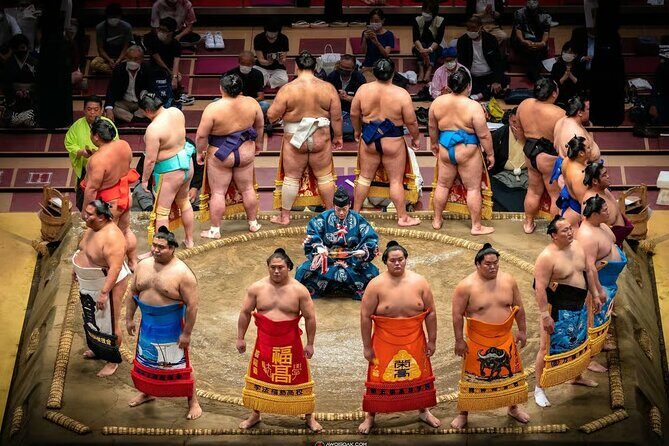
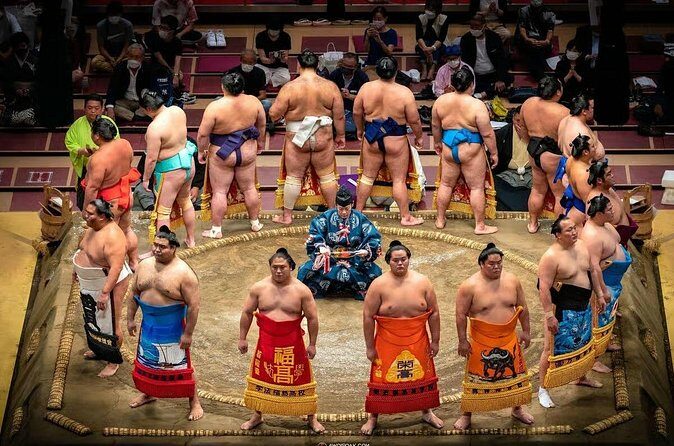
If you’re curious about Japan’s national sport, this Tokyo Sumo History Tour with Chanko Nabe Lunch promises a well-rounded dive into the world of rikishi, rituals, and history. Unlike just watching a sumo match, this tour offers a chance to understand the sport’s deep roots, traditions, and daily life, all within a three-hour window packed with sights, stories, and delicious food.
What we love most about this experience are the knowledgeable guides who bring sumo’s stories to life, the chance to explore historic sites seldom crowded with travelers, and the authentic sumo meal that ends the tour on a satisfying note. That said, a possible consideration is the limited access to the arena seating, which means you won’t get inside the sumo stadium during tournaments.
This tour is ideal for anyone with a genuine interest in Japanese culture, history buffs, or fans of martial arts seeking a more intimate, behind-the-scenes experience. Even newcomers who know nothing about sumo will walk away with a new appreciation for the sport’s traditions and the people who keep them alive.
Key Points
- Authentic cultural insights: Visit sites linked to sumo’s origins and contemporary practices.
- Expert guidance: Learn from guides who share detailed stories and historical context.
- Historic and modern sites: From Ek-in Temple to Kokugikan, see the roots and current heart of sumo.
- Authentic sumo experience: When available, view rare artifacts and ceremonial treasures.
- Hands-on learning: Stand beside a life-sized sumo ring and try traditional poses.
- Delicious end: Finish with a traditional chanko-nabe hotpot, just like sumo wrestlers eat.
Here are more experiences we've reviewed in Tokyo
A Detailed Look at the Sumo Tour: From Sacred Grounds to Sushi Hotpot
Starting Point: Ryogoku Station
Your journey begins in Ryogoku, the hub of sumo culture. As you step out of Ryogoku Station, the vibrant portraits of sumo champions greet you, immediately immersing you in the colorful atmosphere of this historic town. This spot is perfect for soaking in the local vibe and feeling the pulse of sumo traditions.
Pro tip: The station’s surroundings are a lively prelude, with many shops and banners, making it an excellent spot for photography or a quick browse before the tour kicks off.
Visiting Kokugikan: The Sumo Stadium from the Outside
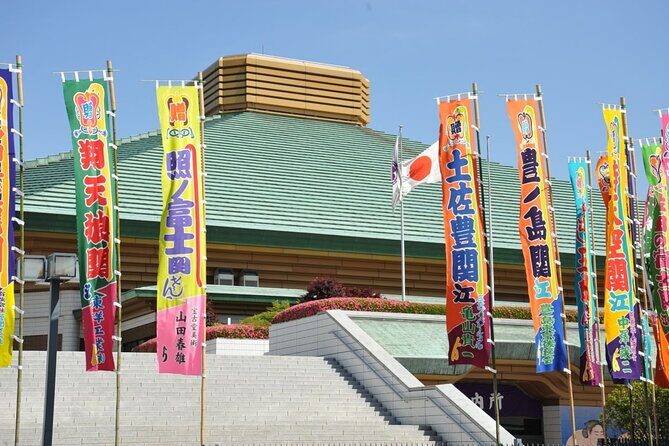
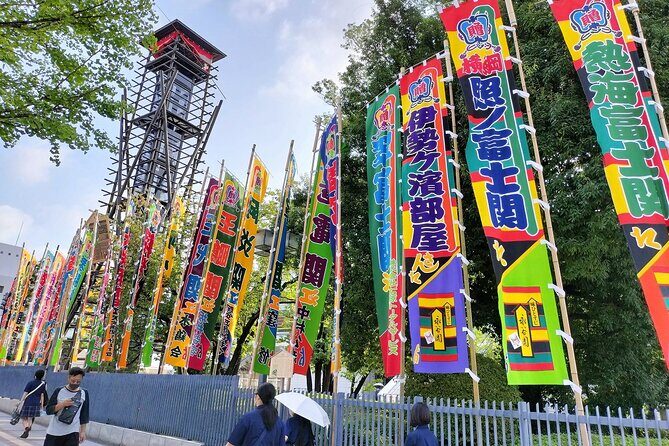
From the outside, the Kokugikan stadium commands attention. This iconic arena hosts Japan’s three major sumo tournaments annually. Our guide explains the significance of the bright banners and the symbolism behind the colorful flags that flutter during tournaments, giving visitors a visual connection to sumo’s pageantry.
While you don’t go inside, the outside view of Kokugikan offers a sense of anticipation and respect for the sport. It’s a must-see for those wanting to grasp the scale and importance of sumo in Japan.
Exploring the Site of Eko-in Temple
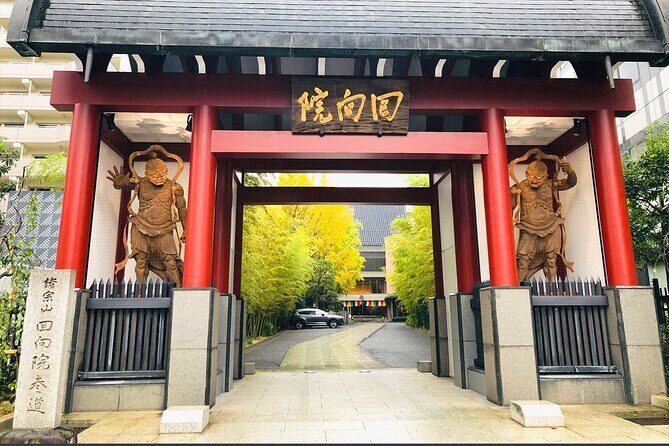
Next, you’ll visit the site of the former main gate of Eko-in Temple, where sumo matches are believed to have started. This spot is steeped in history, with the Chikara-zuka Monument paying homage to past wrestlers and referees who shaped the sport.
From reviews: Visitors have expressed appreciation for these historic sites, feeling connected to the roots of sumo. It’s an atmospheric stop that makes the sport’s traditions feel tangible and meaningful.
Fascinated by the past? Here are other historical experiences we've covered in Tokyo
- Tokyo: Asakusa Historical Guided and PhotoShoot Eating Tour
- Tokyo: 2-Hour Asakusa Food Hunt & Cultural Tour
- Historic Tokyo Sake Tasting Experience
- Asakusa Cultural Tour, Making Food Sample With Photography
- Nippori Walking Through Tokyo’S History With Your Guide
- Yanaka District: Historical Walking Tour in Tokyos Old Town
The Sumo Museum: Artifacts and Treasures
The Sumo Museum offers a compact but captivating look at sumo’s heritage. Exhibits include ceremonial aprons, photographs, and trophies—each telling a story about the sport’s evolution. If the museum is open, it’s an inspiring stop that enriches your understanding of sumo’s ceremonial and cultural dimensions.
Note: The museum might be closed on some days, so the tour includes an alternative visit to historic sumo stables when the museum isn’t available.
Standing Beside the Sumo Ring at Ryogoku Edo Noren
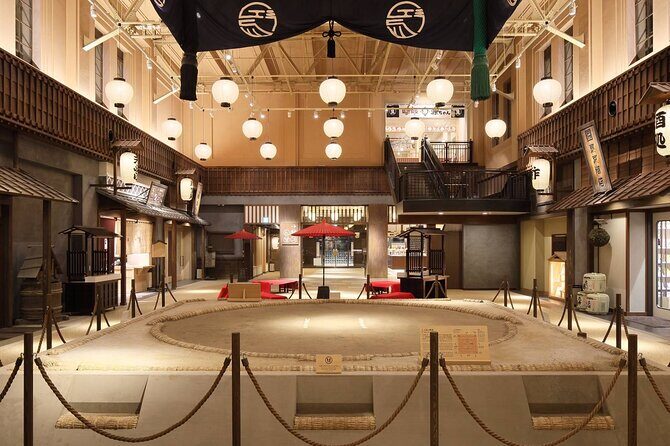
A highlight is the replica sumo ring at Ryogoku Edo Noren. Standing beside this life-sized ring, you’ll learn about common rituals like salt-throwing and pre-bout ceremonies. You’ll also get a chance to mimic sumo poses—great fun for photos and for understanding the physicality of wrestlers.
Authentic insight: Many reviewers mentioned how this stop made them feel closer to the sport. One said, “It’s great to stand beside a real sumo ring and try some of the ceremonial poses.”
Visiting Two Historic Sumo Stables
Depending on the day, the tour either visits the Sumo Museum or two historic sumo stables. When visiting stables, you get a rare look into the daily lives of wrestlers, their training routines, and the traditional architecture of these training houses.
Review highlight: Guests appreciated the authenticity here, describing the stable visits as immersive and informative, with guides sharing insights into how wrestlers prepare and live.
Ending with a Chanko Nabe Meal
The tour concludes with chanko-nabe, the hearty hotpot enjoyed by sumo wrestlers. Each guest gets their own individual hotpot, allowing you to enjoy the flavors while imagining the daily meals of rikishi.
What makes this special: The meal isn’t just a tasty end; it’s an integral part of sumo culture, emphasizing camaraderie and tradition. One reviewer called it “a great way to end the day, tasting what wrestlers eat daily.”
The Practicalities: What to Expect
The tour is approximately three hours long, starting at 10 a.m. and conducted with a small group of up to 8 travelers, ensuring personalized attention and ample opportunity for questions. The mobile ticket system streamlines entry, and the meeting point at a 7-Eleven near Ryogoku Station offers easy access via public transport.
For just $91.67 per person, this experience offers excellent value—especially considering the insider access, knowledgeable guides, and delicious meal included. It’s suited for most travelers, with most being able to participate, though those with mobility issues should consider the walking involved.
What’s Not Included?
Visitors should note that this tour does not include entry to the arena seating during tournaments, which requires separate tickets. Drinks and additional foods during lunch are also extra, though the main chanko-nabe set is included.
Authentic Insights from Past Participants
One guest, Stephen D., shared that the tour was “great for exploring the sumo lifestyle,” highlighting the guide Maikel’s knowledge and the chance to try sumo’s signature food. He appreciated the balance of historic sites and culture, emphasizing the “stunning views” and information that brought the sport to life.
Final Thoughts: Is This Tour Right for You?
This sumo tour offers an excellent balance of history, culture, and hands-on experiences. It’s best suited for travelers who want more than just watching a match—those eager to understand the rituals, history, and daily life of sumo wrestlers. If you’re short on time but crave an authentic, meaningful peek into Japan’s martial tradition, this tour delivers.
While it doesn’t include inside access to the arena during tournaments, the carefully curated visits to historic sites, museums, and stables provide a comprehensive perspective. Plus, the hotpot lunch adds a delicious, communal touch that sums up the warm spirit of sumo.
If you’re a fan of cultural adventures that combine education, tradition, and culinary delights, this tour is a highly recommended choice.
FAQ
Is this tour suitable for children?
Most travelers can participate; it’s suitable for those interested in cultural and historical sites. However, younger children should be comfortable walking and standing for short periods.
Can I see the inside of Kokugikan during a tournament?
No, this tour only offers an outside view of Kokugikan. Inside tickets require separate purchase.
What should I wear?
Comfortable walking shoes are recommended as the tour involves a fair amount of strolling around historic sites and museums.
Is the tour available daily?
Yes, but check the schedule for your preferred date. The museum may be closed on some days, affecting the itinerary.
How long is the tour?
Approximately 3 hours, starting at 10 a.m., with a small group size for a more personalized experience.
Are meals included?
Yes, a traditional chanko-nabe hotpot lunch is included, but drinks and extra food during lunch are not.
What makes this tour special compared to just watching sumo?
It’s about understanding sumo’s background, rituals, and daily life—offering a more immersive and educational experience beyond the tournaments.
Is the tour family-friendly?
Yes, most travelers of all ages who enjoy walking and cultural visits will find it appealing.
This tour stands out for its authentic approach, expert guides, and the chance to connect with sumo’s traditions on a personal level—perfect for curious travelers eager to go beyond the surface.
More Tour Reviews in Tokyo
Still browsing? Here are more Tokyo experiences we've covered recently
- Top 15 Tours & Experiences In Tokyo
- Tokyo: Ninja Kabuki Performance
- Tokyo Vegan: Tofu – Making Class from a Historic Tofu Shop
- Tokyo Bay, Ginza & Shinbashi by Night 2.5 Hrs
- Tokyo: Kamikochi & Tateyama Kurobe Snow Wall 2-Day Tour
- Tokyo Taste of Tsukiji and Ginza Foodie Adventure
- From Tokyo: Nikko One-Day Private Tour
- Tokyo: Nikko Private Customized Tour With Hotel Pick-up
- SOLA SPA Shinjuku no Yu Entry Ticket
- Yokohama Cruise Port to Tokyo city hotels – Private Transfer
- Tokyo Your Way A Full Day Tour Experience for Wheelchair Users
- Tokyo: Wedding Photoshoot with Hair and Makeup