
Exploring Tokyo’s historical core can feel like stepping into a different era—one where samurai, shoguns, and grand castles played a central role. This guided walking tour offers a compact yet detailed glimpse into Japan’s Edo period, focusing on the Imperial Palace’s East Garden and the iconic Ishibashi Bridge. It’s a great way to connect with Tokyo’s past while soaking in some beautiful scenery.
What sets this tour apart are the insightful commentary from experienced guides, the stunning views of the castle ruins juxtaposed with Tokyo’s modern skyline, and the opportunity to walk through well-preserved historical sites. The peaceful gardens and the impressive stone foundations make for memorable moments, especially if you’re interested in architecture, history, or simply enjoy scenic walks.
One thing to consider is the limited access to the actual inner grounds of the Imperial Palace—those are off-limits for visitors on this tour. Still, the East Garden offers plenty of history and natural beauty to explore. This tour is perfectly suited for history buffs, first-time visitors wanting a quick cultural fix, or anyone interested in Japan’s feudal era.
- Key Points
- What to Expect from the Tour
- Detailed Breakdown of the Itinerary
- Starting Point at Kkyogaien (near Starbucks)
- Edo Castle Ruins
- Imperial Palace East Garden
- Honmaru and Ninomaru areas
- Samurai Residences and Guardhouses
- Ishibashi Bridge
- Practical Details and Value
- The Experience from the Reviews
- Who Will Love This Tour?
- The Sum Up
- FAQ
- More Historical Tours in Tokyo
- More Private Tours in Tokyo
- More Tour Reviews in Tokyo
- Still browsing? Here are more Tokyo experiences we've covered recently
Key Points
- Expert-guided walking experience through Tokyo’s historic Edo-era sites
- Highlights include the East Garden, Honmaru and Ninomaru areas, and the Ishibashi Bridge
- Enjoy picturesque gardens, castle remnants, and stunning views of modern Tokyo
- Accessible for wheelchair users and suitable for all ages
- Fascinating stories about samurai life and castle architecture
- Ideal for those short on time but eager for an authentic cultural experience
What to Expect from the Tour
If you’re curious about Japan’s feudal past, this tour quickly transports you to the days when samurai ruled and castles dominated the landscape. Starting at Otemon Gate, the grand entrance of what was once Edo Castle, you’ll immediately sense the historical weight of the site. The guide, whose knowledge is praised, will share stories about the Tokugawa shoguns and the fortress’s strategic importance.
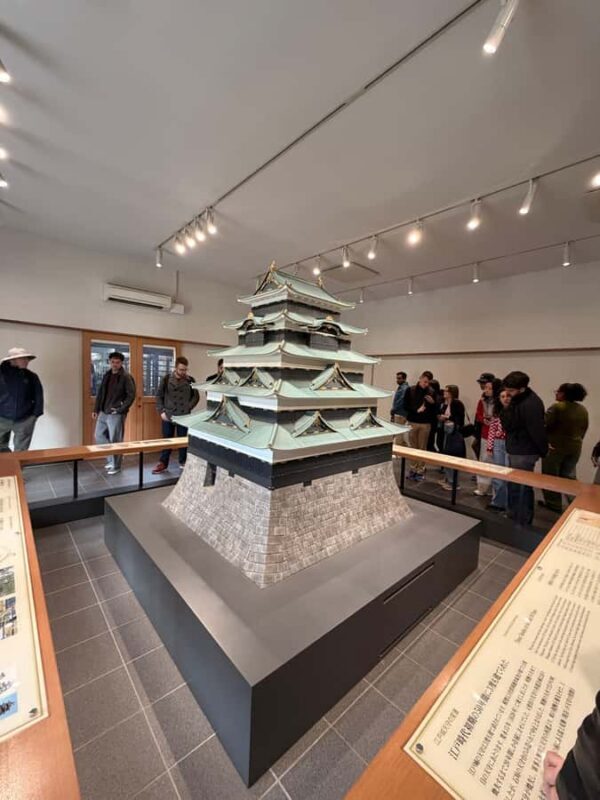
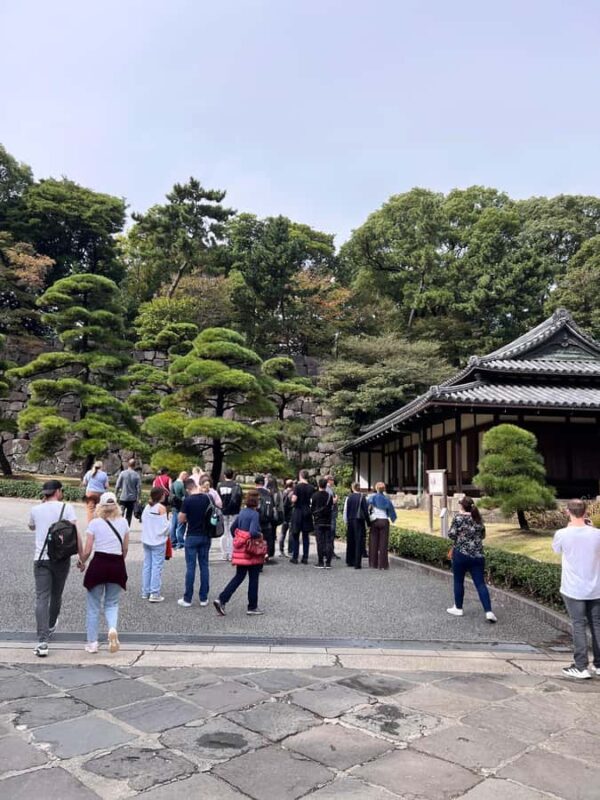
From there, you’ll walk into the East Garden, a peaceful green space that was once reserved for the castle’s high-ranking officials and samurai. Though many original structures have been lost, the remaining stone foundations, including the massive Tenshudai (castle tower base), offer a vivid picture of the castle’s former grandeur. Despite the fire that destroyed many parts of Edo Castle in 1657, the surviving walls and gates still evoke a sense of strength and history.
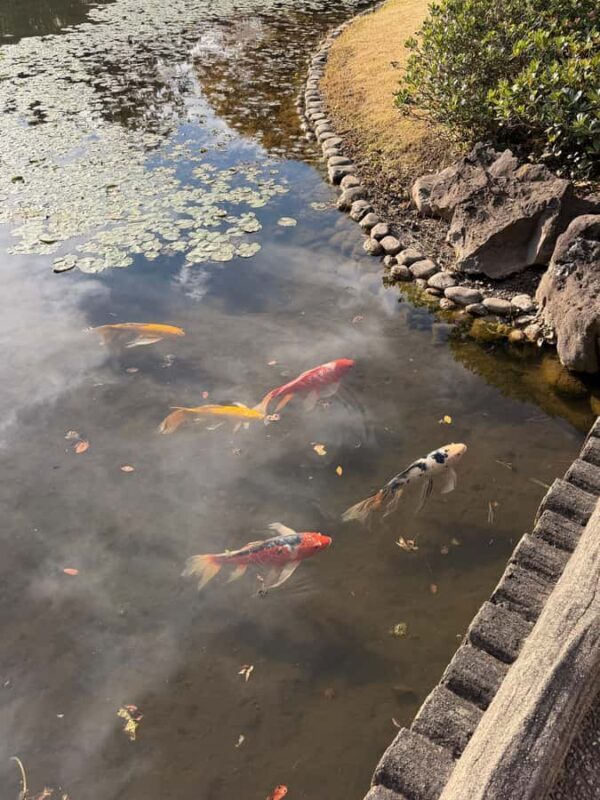
The Honmaru and Ninomaru areas are highlights for architecture and landscape lovers. The Honmaru’s stone base for the central keep stands as a striking reminder of Edo’s military might. Meanwhile, the Ninomaru Garden provides a quiet retreat, with ponds, traditional bridges, and seasonal flowers. Visitors in spring might enjoy cherry blossoms, while autumn visitors will find vibrant foliage enhancing the calm scenery.
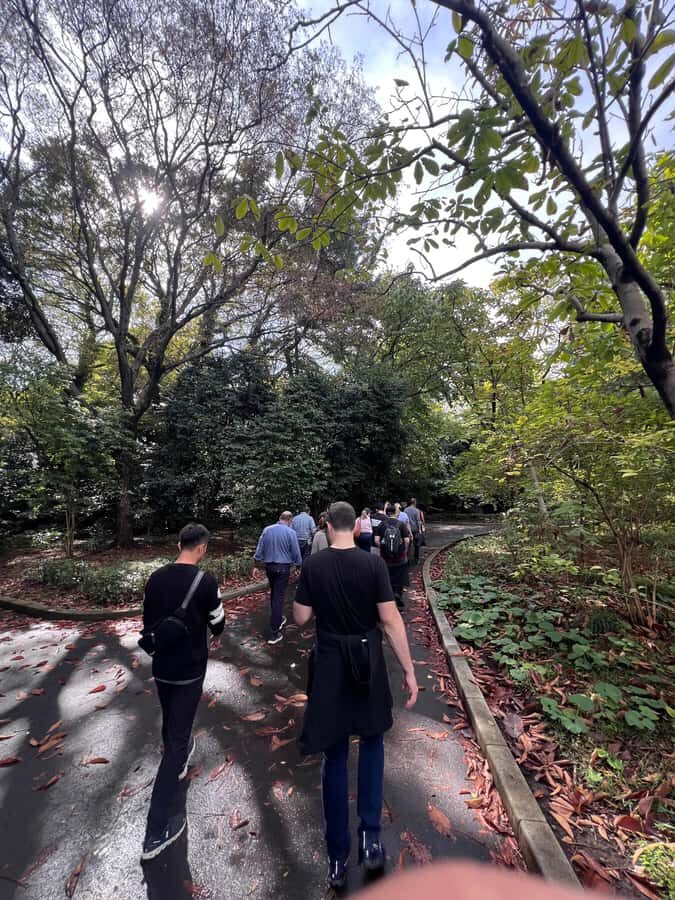
As you stroll past former guardhouses and samurai residences, the guide will share insights into the daily lives of Edo’s warrior class, which adds a layer of depth to the experience. The culmination is the Ishibashi Bridge, a beautifully arched stone bridge that reflects in the moat’s waters, making it one of Tokyo’s most photographed landmarks. It offers a perfect vantage point to reflect on centuries of history, framed by Tokyo’s shimmering skyline.
Into exploring Tokyo on foot? Check out these other walking experiences we've looked at
Detailed Breakdown of the Itinerary
Starting Point at Kkyogaien (near Starbucks)
The tour kicks off at a conveniently located meeting point with a recognizable fountain and a black stone memorial, making it easy to find. The guide, who conducts the tour in English, will gather the group here, setting the tone for a relaxed yet informative walk.
Edo Castle Ruins
Walking beneath the imposing Otemon Gate, you’ll get a sense of the fortress’s former power. The guide will share stories of the Tokugawa shogunate’s 260-year rule, helping you visualize how the castle once dominated the landscape. You might find the stone fortifications, moat, and remaining gates evoke a feeling of stepping directly into history.
More Great Tours NearbyImperial Palace East Garden
Once inside, the garden’s tranquility is a stark contrast to Tokyo’s bustling streets. The guide will point out features like the stone foundation of the former castle keep (Tenshudai) and explain the significance of each structure. You’ll learn that while the garden is open to the public, the inner palace grounds aren’t accessible, but the garden offers enough historical and scenic richness.
- Tokyo: Senso-Ji and Surroundings
- From Tokyo: Mt. Fuji Day Tour With Oshino Hakkai & Ropeway
- Tokyo: Asakusa Historical Guided and PhotoShoot Eating Tour
- Tokyo: Tea Ceremony in Shibuya Tokyo
- Tokyo: Secrets of Tokyo Hidden Legends & Cultural Property
- Tokyo: Japanese Architecture at Akasaka State Guest House
Honmaru and Ninomaru areas
Here, you’ll explore the remains of Edo Castle’s main defensive zones. The Honmaru’s stone base highlights the scale of the fortress, and the view of the Marunouchi skyline in the distance emphasizes how much Tokyo has grown around this historic site. The Ninomaru Garden provides a peaceful walk past traditional landscape features, with seasonal flowers adding color—whether irises in spring or autumn leaves.
Samurai Residences and Guardhouses
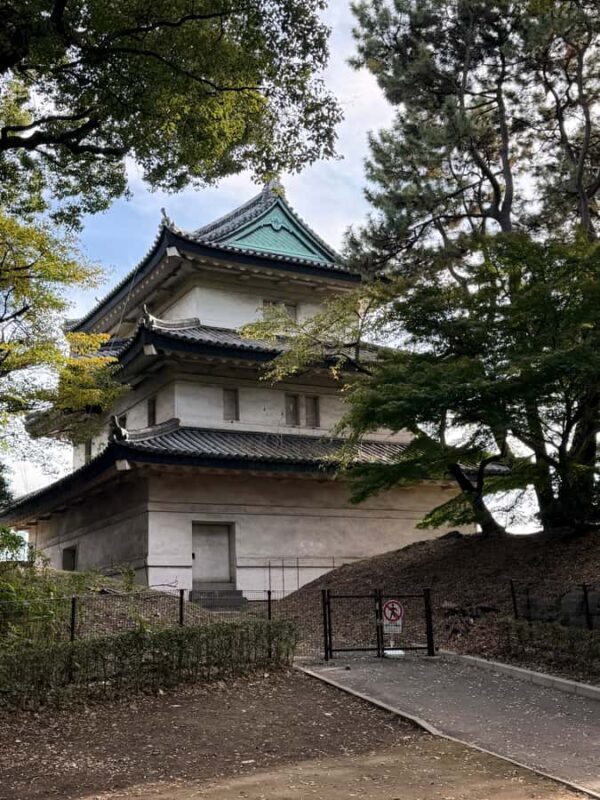
Passing these areas, the guide explains how the castle’s defenders and elite warriors lived, offering a tangible sense of Edo period life. This part of the tour is especially appreciated by history lovers who want to understand the social hierarchy and daily routines of samurai.
Ishibashi Bridge
The tour concludes at this iconic stone arch bridge. Here, you’ll see the mirror-like reflection of the bridge in the moat, capturing a perfect photo opportunity. This spot encapsulates the harmony of natural beauty and historical architecture.
Practical Details and Value
This tour lasts about two hours, making it perfect for travelers on a tight schedule who want a meaningful glimpse of Tokyo’s history. The group size typically remains manageable, fostering a friendly environment where questions are encouraged. The English-speaking guide is praised for their knowledge and engaging storytelling, making the history come alive.
The cost of the tour offers good value considering the depth of information and access to some of Tokyo’s most photogenic historical sites. The fact that you can reserve and pay later adds flexibility, particularly helpful if your plans might shift. Wheelchair accessibility ensures that most visitors can enjoy the experience.
While the East Garden itself is open to the public, it’s important to note that the inner palace grounds are not part of the tour. Photography is permitted, but crossing the Ishibashi Bridge is not allowed, which helps preserve the site’s integrity.
The Experience from the Reviews
Multiple reviewers highlight the knowledgeability of the guides, with one noting that the guide shared intriguing stories and architectural details that enhanced the visit. Others appreciated the stunning views of the castle ruins contrasted with Tokyo’s skyline, making the photos especially memorable.
One reviewer mentioned, “The guide made history come alive with stories about samurai life,” which underscores how engaging storytelling adds value. Another appreciated the opportunity to walk through a peaceful garden amid the city’s chaos, describing it as a “calm oasis packed with history.”
The accessibility for wheelchairs and the manageable two-hour format make it a practical choice for a wide range of travelers, including those with limited mobility or tight schedules.
Who Will Love This Tour?
This experience is perfect for history enthusiasts, especially those interested in Japan’s Edo period and samurai culture. It’s also ideal for first-time visitors who want a quick but meaningful cultural fix. The scenic garden walks and iconic Ishibashi Bridge appeal to photographers and casual explorers alike.
If you enjoy guided commentary that brings history to life, the knowledgeable guides will be a highlight. Plus, its central location makes it easy to combine with other Tokyo activities.
The Sum Up
This walking tour offers a well-balanced mix of history, scenery, and storytelling that makes it stand out among Tokyo’s many sightseeing options. It’s a great way to connect with Japan’s past without feeling rushed, thanks to the manageable duration and engaging guides. The stunning views, combined with detailed stories about samurai life and castle architecture, provide genuine value for curious travelers.
Whether you’re a history buff, a photographer, or simply someone wanting a peaceful retreat in the heart of Tokyo, this tour is likely to satisfy. Its accessibility and strong guide presence make it a reliable choice for a memorable cultural experience in Japan’s capital.
FAQ
Is this tour suitable for children?
Yes, the tour’s duration and manageable pace make it suitable for families, though parental discretion is advised for very young children due to the walking involved.
Are there any age restrictions?
No specific age restrictions are mentioned, but the tour involves walking and exploring outdoor areas, so comfortable shoes are recommended.
Is the tour accessible for wheelchair users?
Yes, the tour is wheelchair accessible, allowing guests with limited mobility to participate comfortably.
How long is the tour?
The tour lasts approximately 2 hours, making it a perfect short activity in Tokyo’s busy schedule.
Do I need to bring anything?
Comfortable shoes and water are recommended, especially if the weather is warm or rainy.
Can I take photos during the tour?
Yes, photography is allowed, but crossing the Ishibashi Bridge itself is not permitted.
Where do we meet?
The meeting point is near a fountain in front of Starbucks at 3-1 Kkyogaien, on the left side of the fountain, near a black stone memorial. The coordinates are 35.68352508544922,139.76206970214844.
Is there a cancellation policy?
Yes, you can cancel up to 24 hours in advance for a full refund.
What languages are guides available in?
The tours are conducted in English.
Can I reserve this tour and pay later?
Yes, you can reserve now and pay later, offering flexibility for your travel plans.
This tour offers an authentic and scenic peek into Japan’s Edo era, with expert guides, beautiful gardens, and iconic views that make it a worthwhile addition to any Tokyo itinerary.
You can check availability for your dates here:More Historical Tours in Tokyo
- Tokyo Vegan: Tofu – Making Class from a Historic Tofu Shop
- Tokyo: Deep history Nihonbashi Walking Tour with Guide
- From Tokyo:Nikko World Heritage Customizable Tour with Guide
- Tokyo: Imperial Palace and Kagurazaka Hidden History Tour
- Tokyo: Nikko World Heritage Full-Day Private Tour
- From Tokyo: Nikko World Heritage Site Private Day Trip
More Private Tours in Tokyo
- From Tokyo: Nikko One-Day Private Tour
- Tokyo: Nikko Private Customized Tour With Hotel Pick-up
- Yokohama Cruise Port to Tokyo city hotels – Private Transfer
- Tokyo: Snow Monkey and Nagano One-Day Private Tour
- Tokyo: Nikko Private Day Trip with Guide and Transport
- Tokyo: Private Calligraphy and Meditation with a Monk
More Tour Reviews in Tokyo
Still browsing? Here are more Tokyo experiences we've covered recently
- Top 15 Tours & Experiences In Tokyo
- Tokyo: Ninja Kabuki Performance
- Tokyo Vegan: Tofu – Making Class from a Historic Tofu Shop
- Tokyo Bay, Ginza & Shinbashi by Night 2.5 Hrs
- Tokyo: Kamikochi & Tateyama Kurobe Snow Wall 2-Day Tour
- Tokyo Taste of Tsukiji and Ginza Foodie Adventure
- From Tokyo: Nikko One-Day Private Tour
- Tokyo: Nikko Private Customized Tour With Hotel Pick-up
- SOLA SPA Shinjuku no Yu Entry Ticket
- Yokohama Cruise Port to Tokyo city hotels – Private Transfer
- Tokyo Your Way A Full Day Tour Experience for Wheelchair Users
- Tokyo: Wedding Photoshoot with Hair and Makeup