
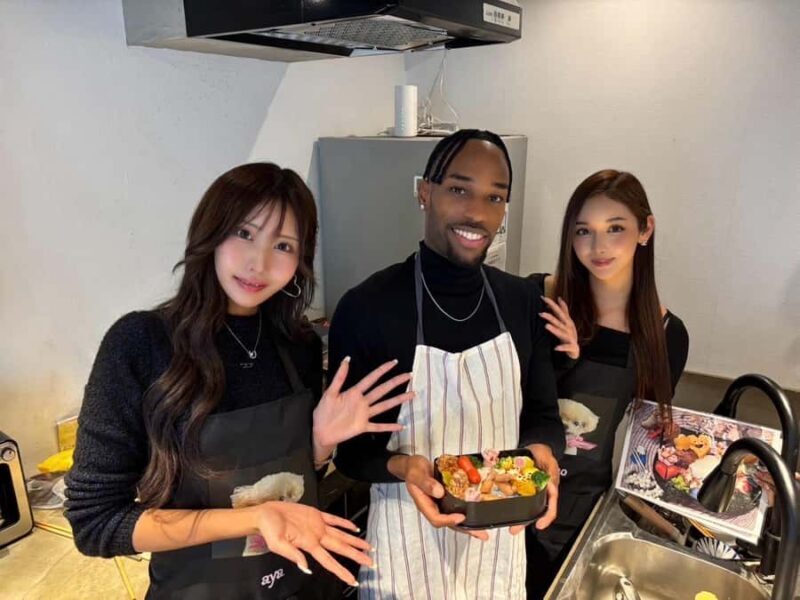
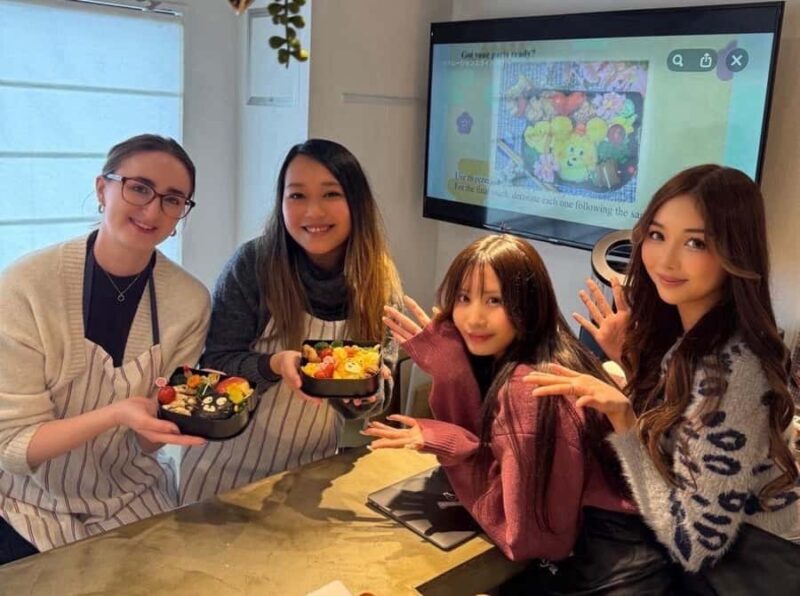
Whether you’re a foodie, a culture lover, or someone craving a fun, creative activity in Tokyo, this bento-making workshop in Shinjuku offers a charming peek into Japanese home-cooking culture. Hosted by two warm and friendly Japanese guides, this 1.5-hour session is designed to be accessible, enjoyable, and packed with authentic skills. From adorable animal-shaped lunches to learning the secrets behind classic flavors, you’ll come away with a new appreciation for Japanese cuisine—and a cute, Instagram-ready bento to take home.
What makes this experience stand out? First, the guides’ friendly nature creates a welcoming atmosphere that feels more like a fun home visit than a formal class. Second, the interactive, hands-on approach means you’re actively involved in every step, making it both educational and entertaining. Third, the beautiful, photogenic bento creations are perfect for sharing your culinary adventure. An important consideration? This workshop is for everyone, but it’s best suited for those who enjoy playful, creative activities and are interested in Japanese food culture. It’s not ideal if you’re looking for a lengthy or more advanced cooking class, but for a quick, delightful taste of Japan’s adorable side—this is a hit.
- Key Points
- Exploring the Workshop Experience
- Location and Accessibility in Shinjuku
- Duration and Group Size
- Cost and Value
- A Step-by-Step Breakdown of the Workshop
- Making Dashi from Scratch
- Crafting Tamagoyaki: The Classic Rolled Omelet
- Mastering Crispy Karaage
- Creating a Kawaii Animal Character Bento
- The Takeaway: Edible Art to Enjoy
- Why This Workshop Works
- Authentic, Visual, and Fun
- Age Range and Family Friendly
- Final Thoughts: Is It Worth It?
- FAQ
- More Guided Tours in Tokyo
- More Tours in Tokyo
- More Tour Reviews in Tokyo
- Still browsing? Here are more Tokyo experiences we've covered recently
Key Points
- Authentic and approachable guides make the experience warm and engaging.
- Hands-on learning covers making dashi, tamagoyaki, and karaage.
- Creative bento design with tools for shaping and decorating.
- Accessible location in Shinjuku, easy to reach from major train lines.
- All ingredients and tools included, plus options for dietary restrictions.
- Ideal for all ages and backgrounds, family-friendly and fun.
Exploring the Workshop Experience
Looking for more options in Tokyo? We've reviewed plenty of other experiences.
Location and Accessibility in Shinjuku
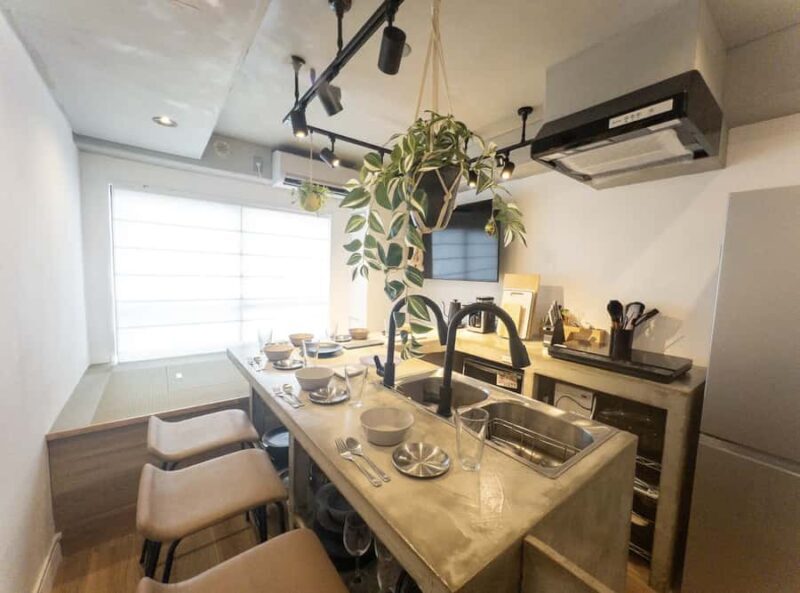
The workshop takes place in the bustling heart of Shinjuku, just a two-minute walk from Shinjuku-sanchome Station (Exit E1). If you’re familiar with Tokyo’s vibrant districts, you’ll appreciate how easy it is to combine this experience with sightseeing or shopping. The venue is conveniently located next to Café Veloce, inside a building with Nangokutei, a Chinese restaurant on the ground floor. From there, ascending to the 11th floor is straightforward and makes for an easy start to your culinary adventure. The coordinates—35.694034576416016, 139.70640563964844—are a handy reference for navigation.
Duration and Group Size
At 1.5 hours, this workshop offers a perfect break from busy sightseeing days without feeling rushed. Limited to just six participants, the small group setting fosters a relaxed environment where everyone feels comfortable to ask questions and get personalized guidance. The intimate size also enhances the social vibe, with visitors often commenting on how friendly and welcoming the instructors are.
Cost and Value
The price point is quite reasonable considering it includes all ingredients, tools, and takeaway packaging. While it’s not the cheapest activity in Tokyo, the value lies in the authentic skills you acquire, the fun of creating adorable food, and the chance to take home your edible art. For those interested in Japanese culture or looking for a memorable, photogenic activity—this workshop offers good bang for your buck.
More Great Tours NearbyA Step-by-Step Breakdown of the Workshop
- Tokyo:Karuizawa,Hoshino Resorts Area,Glacier Shrine Day Tour
- Tokyo: Meiji Jingu and Harajuku, Sacred and Profane
- AKEMIS Sushikitchen: a Fun Sushi Cooking Lesson in Tokyo
- Tokyo: Mt Fuji, Hakone, Cruise, Ropeway & Oshino Hakkai Tour
- Mt. Fuji Area, Hikawa Clock Shop, Dream Bridge 1-Day Tour
- Tokyo: Senso-Ji and Surroundings
Making Dashi from Scratch
The class kicks off with an essential element of Japanese cooking: dashi. Made from kombu (kelp) and katsuobushi (bonito flakes), this broth forms the foundation of countless dishes. Learning to prepare it from scratch not only enhances your understanding of Japanese flavors but also helps you appreciate the depth of umami. According to reviewers, the hosts—two cheerful guides—explain the process clearly, making it accessible even if you’ve never cooked with these ingredients before. Herby from Mexico mentions, “Thanks to the wonderful teachers, I learned how to make some Japanese bento with easy steps!”
Crafting Tamagoyaki: The Classic Rolled Omelet
Next, you’ll move on to making tamagoyaki, Japan’s famous sweet-savory rolled omelet. The guides teach you the proper technique to achieve its soft texture and balanced flavor. This dish is a staple in Japanese lunchboxes and a key element of the bento. The guides emphasize the importance of technique, but also create a relaxed environment where you can enjoy the process. One reviewer from the UK appreciated, “The lovely girls taught us kindly how to make them,” highlighting the friendly and patient instruction style.
Mastering Crispy Karaage
Frying karaage—Japanese fried chicken—is both fun and gratifying. You’ll learn how to marinate bite-sized chicken pieces with authentic seasonings, then fry them to crispy perfection. The result is juicy on the inside with a crunchy coating, just like in Japanese homes. Multiple reviews mention how fresh and well-prepared the ingredients are, making the cooking process smoother and more enjoyable. Scott from the US notes, “Provided materials and ingredients were in perfect condition, and the atmosphere was amazing with other participants.”
Creating a Kawaii Animal Character Bento
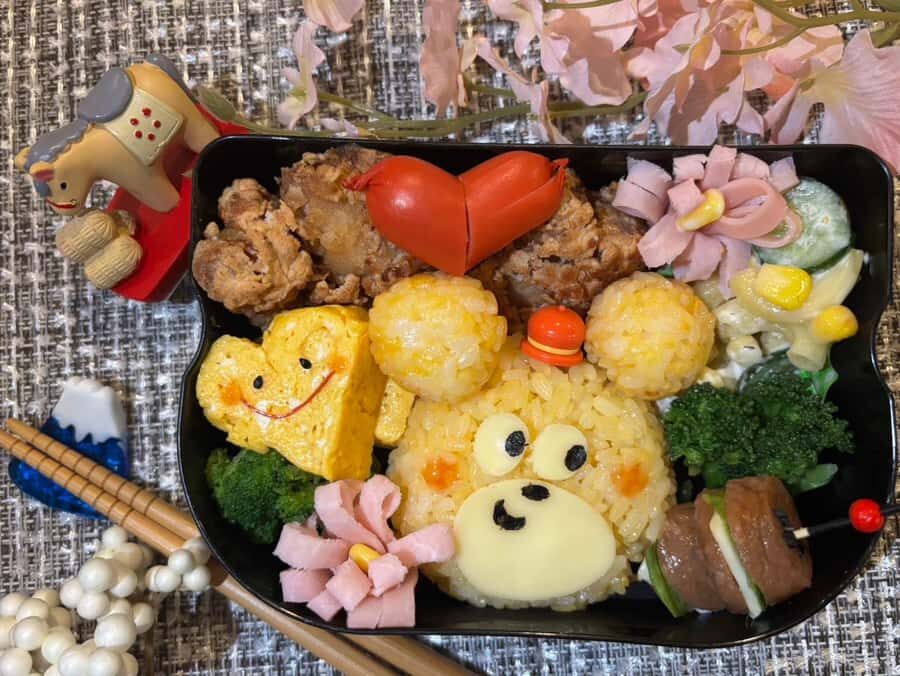
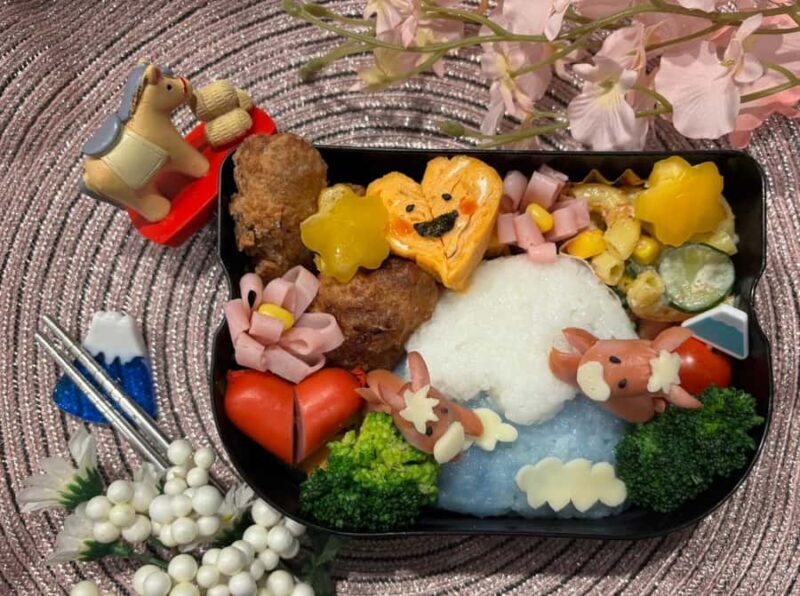
The pièce de résistance is designing your animal-shaped bento, or kyaraben. Using cutters, seaweed punches, and edible decorations, you’ll give your lunch box charm and personality. Guides show how to craft cute faces, paws, and other details, making your creation a true work of edible art. Many guests comment on how photogenic and fun it is—perfect for Instagram or just to impress friends and family.
The Takeaway: Edible Art to Enjoy
Once your bento is assembled, it’s packed up in a takeaway box. You get to take home your handmade, adorable creation—ready to be enjoyed or shared online. The experience also provides insight into the care and creativity Japanese families put into everyday meals, making it more than just a cooking class.
Why This Workshop Works
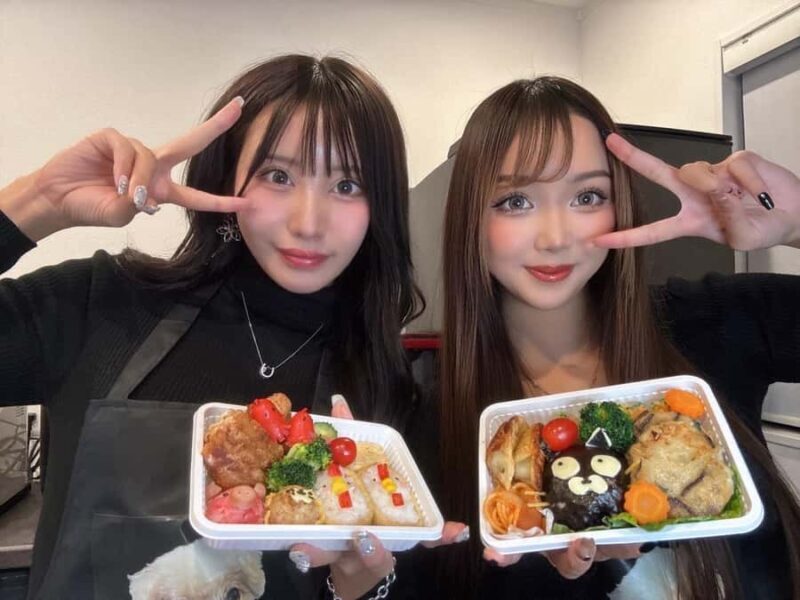
The charm of this experience isn’t just in the food, but in the atmosphere created by guides who genuinely love sharing their culture. The instructors, described as kind and clear, make complex techniques approachable, and their enthusiasm shines through. The small group setting fosters a sense of camaraderie, often prompting participants to share their own culinary stories.
The ingredients and tools provided are of good quality, making the whole process smooth and enjoyable. Plus, the option to accommodate vegetarian or vegan diets with prior notice adds flexibility for different dietary needs. The fact that all ingredients, tools, and packaging are included means no hidden costs, and the takeaway bento serves as a lovely, edible souvenir.
Authentic, Visual, and Fun
The workshop isn’t just about cooking; it’s about capturing a slice of Japanese culture through cute, carefully crafted food. The focus on creating photogenic bento boxes appeals especially to travelers who love sharing their adventures, making this a fun, memorable, and Instagram-worthy activity.
Age Range and Family Friendly
This class suits all ages and backgrounds, with many families and solo travelers joining in. Children must be accompanied by adults, and the workshop’s relaxed pace is perfect for younger participants or those new to Japanese cuisine.
Final Thoughts: Is It Worth It?
For anyone curious about Japanese home cooking, this workshop provides a practical, joyful introduction. The combination of learning traditional techniques—like making dashi and tamagoyaki—with the creative process of crafting cute character bento makes for a memorable experience. The hosts’ friendly approach and the intimate setting ensure you’ll leave feeling accomplished and inspired.
While it might not be ideal for those seeking advanced culinary skills or a lengthy class, it offers excellent value for the fun, authentic insights, and adorable souvenirs you get to take home. It’s perfect for individuals, couples, families, or content creators eager to add a charming, personal touch to their Tokyo trip.
FAQ
Is this activity suitable for children?
Yes, it’s family-friendly and fun for all ages, provided children are accompanied by an adult.
Can I participate if I have dietary restrictions?
Vegan and vegetarian options are available upon request, but it’s best to notify the organizers in advance.
Do I need experience in cooking?
Absolutely not. The class is designed for beginners and no prior cooking skills are needed.
Where exactly is the workshop located?
It’s just a two-minute walk from Shinjuku-sanchome Station, inside a building next to Café Veloce, on the 11th floor.
What’s included in the price?
All ingredients, tools, apron, and takeaway packaging are provided. You’ll leave with your own adorable bento.
How long is the workshop?
It lasts approximately 1.5 hours, making it a perfect short activity amidst sightseeing.
Are there group size limits?
Yes, the class is limited to 6 participants, ensuring a relaxed and personalized experience.
Can I cancel if my plans change?
Yes, you can cancel up to 24 hours in advance for a full refund, offering flexibility for your trip.
Is it suitable for solo travelers?
Definitely. Many solo travelers enjoy the intimate atmosphere and chance to meet others.
In sum, this bento-making experience in Shinjuku offers a delightful way to connect with Japanese culture through food and creativity. Whether you’re after a fun activity, a memorable photo shoot, or a new skill, it’s an experience that balances learning with playful artistry—perfect for anyone looking to add a little kawaii to their trip.
You can check availability for your dates here:More Guided Tours in Tokyo
- Tokyo: Nikko Private Day Trip with Guide and Transport
- Tokyo Like a Local: Walk, Eat & Discover with a local guide
- Tokyo: Deep history Nihonbashi Walking Tour with Guide
- From Tokyo:Nikko World Heritage Customizable Tour with Guide
- From Tokyo: Nikko Customized Tour With English Driver/Guide
- Tokyo: Kyoto Day Trip by Bullet Train with Licensed Guide
More Tours in Tokyo
- Tokyo: Kamikochi & Tateyama Kurobe Snow Wall 2-Day Tour
- From Tokyo: Nikko One-Day Private Tour
- Tokyo: Nikko Private Customized Tour With Hotel Pick-up
- Tokyo Your Way A Full Day Tour Experience for Wheelchair Users
- Kimono-like Clothing Rental and makeover Tour in Harajuku
- Tokyo: Snow Monkey and Nagano One-Day Private Tour
More Tour Reviews in Tokyo
Still browsing? Here are more Tokyo experiences we've covered recently
- Top 15 Tours & Experiences In Tokyo
- Tokyo: Ninja Kabuki Performance
- Tokyo Vegan: Tofu – Making Class from a Historic Tofu Shop
- Tokyo Bay, Ginza & Shinbashi by Night 2.5 Hrs
- Tokyo: Kamikochi & Tateyama Kurobe Snow Wall 2-Day Tour
- Tokyo Taste of Tsukiji and Ginza Foodie Adventure
- From Tokyo: Nikko One-Day Private Tour
- Tokyo: Nikko Private Customized Tour With Hotel Pick-up
- SOLA SPA Shinjuku no Yu Entry Ticket
- Yokohama Cruise Port to Tokyo city hotels – Private Transfer
- Tokyo Your Way A Full Day Tour Experience for Wheelchair Users
- Tokyo: Wedding Photoshoot with Hair and Makeup