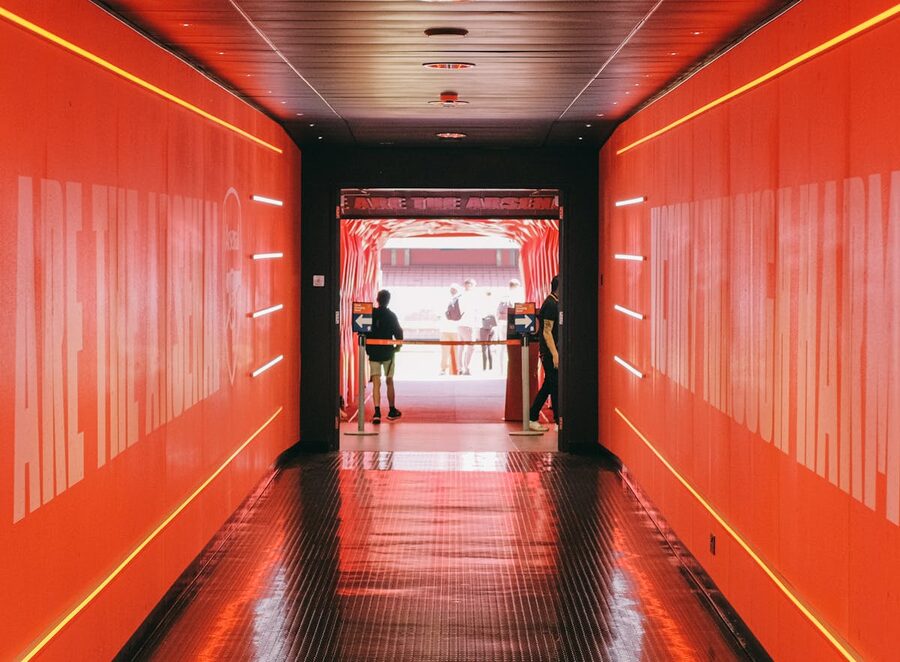
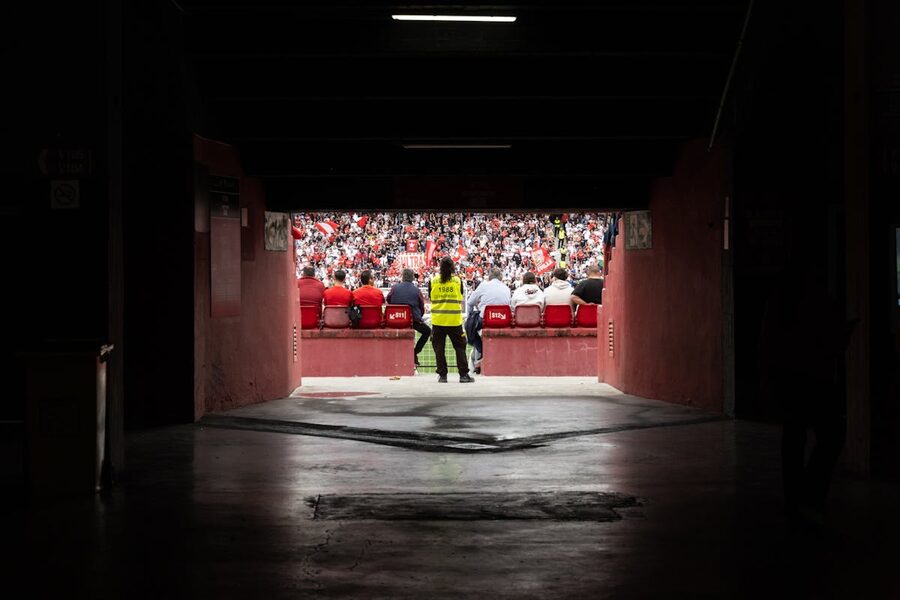
The player tunnel at the Stade de France is narrower than you expect. Two metres wide, maybe. Fifteen metres long. The walls are blank concrete and the ceiling is low enough that the tallest rugby forwards would need to duck. At the end is a rectangle of green — the pitch, seen from the exact angle that Zidane saw it before the 1998 World Cup final.
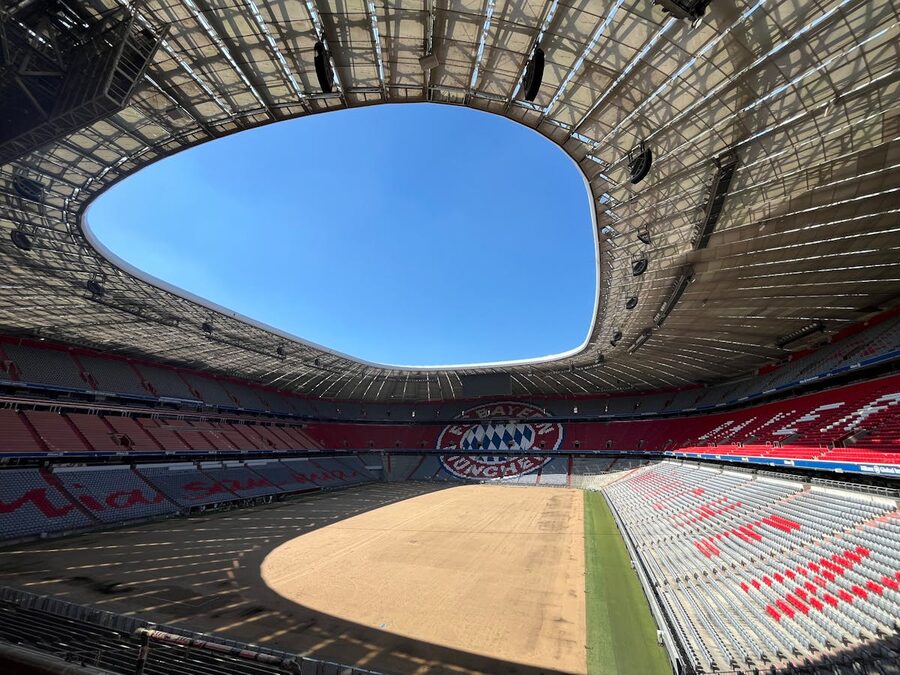
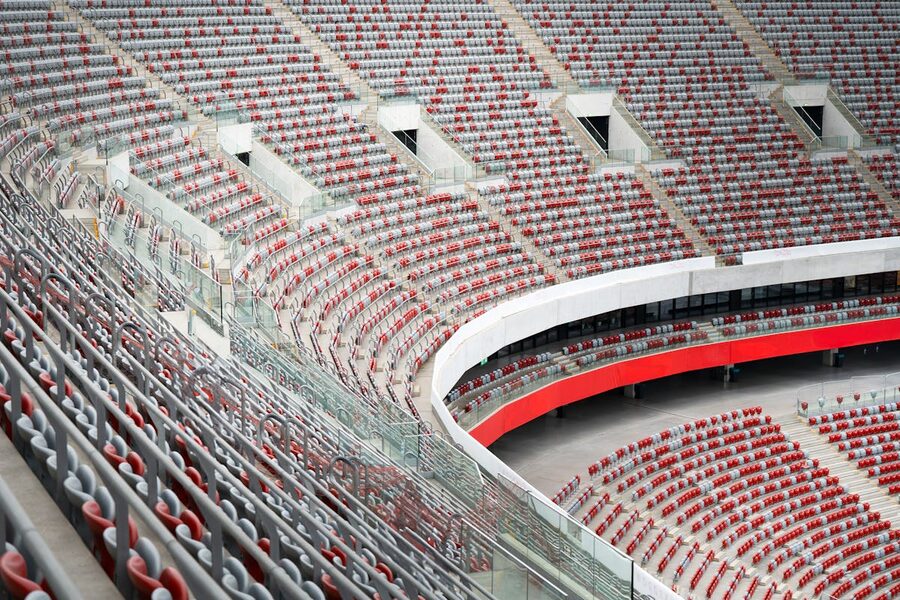
I stood there for a minute trying to imagine what it feels like to walk out of this tunnel in front of 80,000 people. Then I walked out, and even with the stadium empty, the scale hit like a wall. Eighty thousand empty seats arranged in a perfect oval, the roof partially retracted to let in the sky, and the pitch immaculate enough that you could see the mowing stripes from the top tier.
The Stade de France behind-the-scenes tour is one of those Paris experiences that nobody puts on their itinerary and everybody wishes they had. At $21 for a 90-minute guided tour, it is cheaper than most museums, more hands-on than any of them, and unexpectedly moving even if you do not care about sport.
This guide covers what you see on the tour, how to book, and why it works even for people who have never watched a rugby match.
- Quick Picks
- What You See on the Tour
- The Players’ Tunnel
- The Pitch
- The Locker Rooms
- The VIP and Presidential Areas
- The Press Room
- The Tour
- Stade de France Behind the Scenes Tour —
- A Brief History of the Stade de France
- Who Is This Tour For?
- Events at the Stade de France
- Practical Information
- Combine the Stade de France With These Experiences
Quick Picks
What You See on the Tour
The behind-the-scenes tour takes you through areas that are completely off-limits to the public during events. A guide leads the group (usually 15-25 people) through the following stops over 90 minutes.
The Players’ Tunnel
You enter the pitch through the same tunnel the players use. The guide explains the pre-match rituals — how the teams line up, where the captains meet for the coin toss, and how the tunnel acoustics amplify the crowd noise from the stands above.
The Pitch
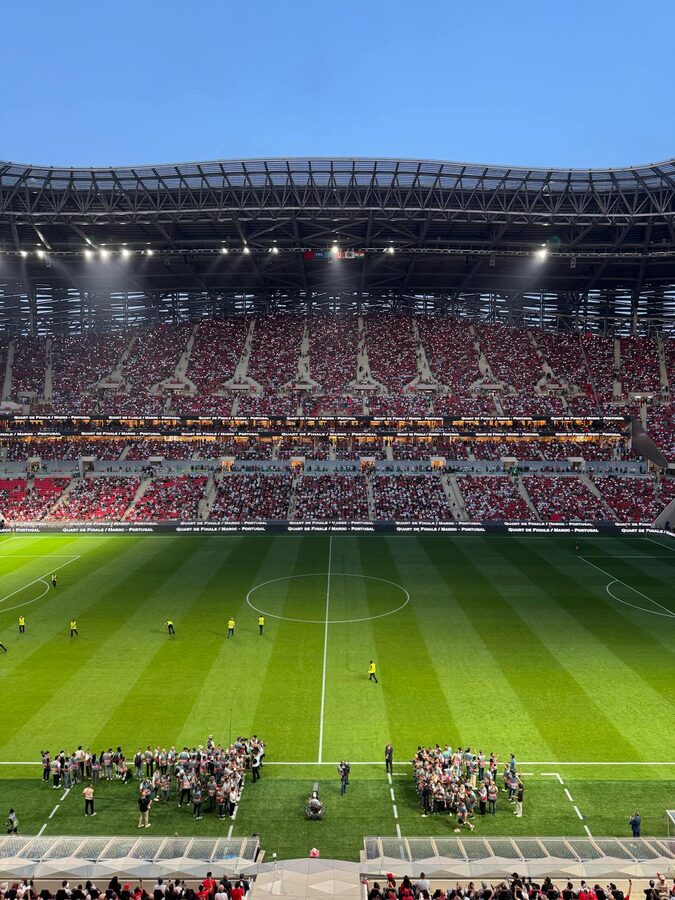
You walk on the actual pitch. Not a viewing platform, not behind a rope — on the grass. The guide takes you to the centre circle and invites you to look around at all 80,000 seats from the position where the kick-off happens. For sports fans, this is the highlight of the entire tour.
The Locker Rooms
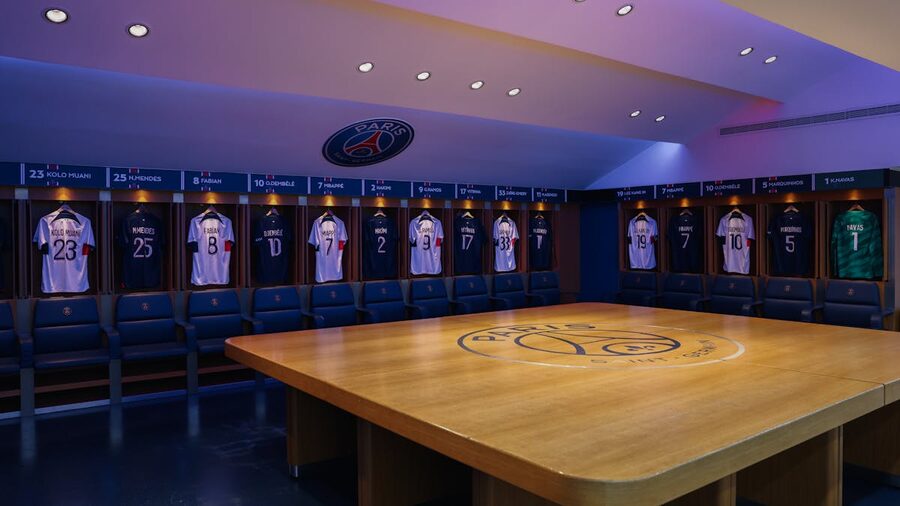
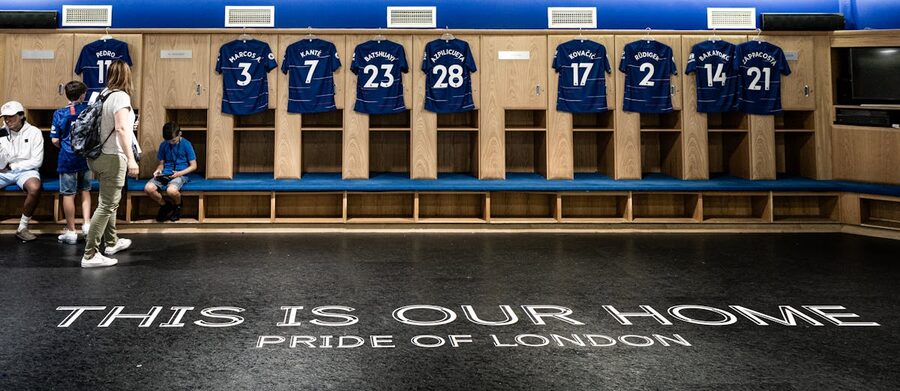
Both home and away dressing rooms are included in the tour. The home room is larger and better equipped — a psychological advantage that the guide explains was deliberate. You see the treatment tables, the ice baths, the tactical boards, and the benches where players sat before walking out to face 80,000 people.
The VIP and Presidential Areas
The tour includes the VIP suites and the Presidential tribune — the section reserved for heads of state during major events. The view from these seats is, unsurprisingly, the best in the house. The guide explains the security arrangements for presidential visits and the protocol for welcoming world leaders to football matches.
The Press Room
The post-match press conference room where coaches and players face the media. You can sit in the hot seat and pretend you just won the Champions League final. Most visitors take this photo opportunity seriously. Some take it very seriously.
The Tour
Stade de France Behind the Scenes Tour — $21
A 90-minute guided tour of France’s national stadium. You see the pitch, walk through the players’ tunnel, visit the locker rooms, sit in the VIP boxes, and experience the press conference room. The guide covers the history of the stadium (built for the 1998 World Cup in just 31 months) and the major events it has hosted — World Cup finals, Champions League finals, Rugby World Cups, and concerts by everyone from the Rolling Stones to Beyonce.
One reviewer described it as a good experience, educational, but noted the lack of free souvenirs and wished for photo opportunities with trophy replicas. That is a fair expectation for a sports tour — the experience itself is excellent, but the merchandising is minimal. The stadium shop near the entrance sells official memorabilia if you want tangible souvenirs.
At $21, this is one of the cheapest guided experiences in Paris. The value is exceptional — 90 minutes of exclusive access to areas that cost hundreds of euros on match days. For families with sports-mad children, this is a guaranteed hit.
A Brief History of the Stade de France
The Stade de France was built in Saint-Denis, just north of Paris, specifically for the 1998 FIFA World Cup. Construction began in 1995 and was completed in January 1998 — an astonishing 31 months from groundbreaking to the first event. The project cost around $450 million.
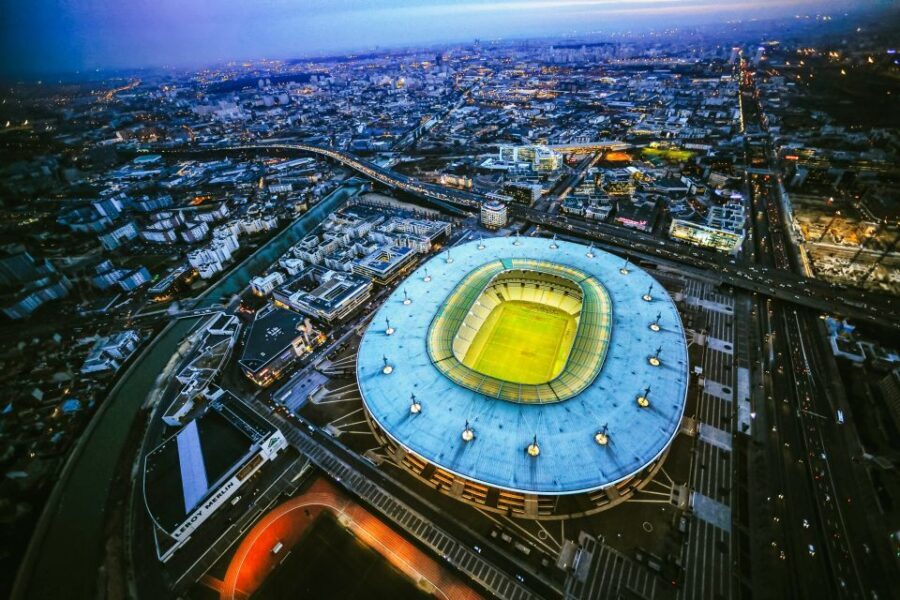
The stadium holds 80,698 spectators, making it the largest in France and the fifth-largest in Europe. The design features a distinctive elliptical roof that covers all seats but leaves the pitch open to the sky. The roof can be partially retracted to increase natural light for grass growth.
On July 12, 1998, France beat Brazil 3-0 in the World Cup final here. Zinedine Zidane scored twice with headers. The stadium erupted. Two million people celebrated on the Champs-Elysees. It remains the most significant sporting event in French history and the moment that defined the Stade de France in the national consciousness.
Since then, the stadium has hosted six Champions League finals, the 2007 Rugby World Cup, the 2024 Olympic athletics events, and hundreds of concerts. It is the default venue for France’s home internationals in football and rugby.

Who Is This Tour For?
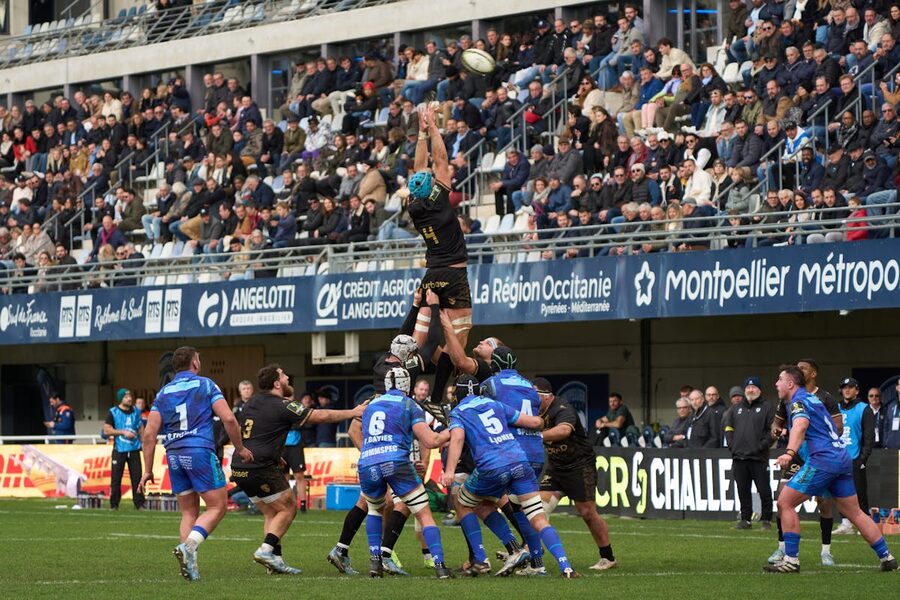
The obvious answer is sports fans. If you have ever watched a France football or rugby match on television, standing on the pitch where it happened is a genuine thrill. The tour is designed for fans first — the stops are the places that matter in the narrative of a match, and the guide tells stories that connect the empty spaces to their loudest moments.
But the less obvious answer is families. Children aged 6-15 love this tour. They get to walk on a real pitch, sit in the locker rooms, stand at the press conference podium, and run through the tunnel. It is physical, interactive, and short enough (90 minutes) that nobody gets bored. Unlike museums where children are told to be quiet and not touch anything, the stadium tour invites you to touch, sit, stand, and imagine.
Architecture enthusiasts will also find value here. The Stade de France was a significant engineering project — the roof structure, the acoustic design, the sightline calculations, and the flexible configuration that allows the same space to host football, rugby, athletics, and concerts. The guide covers the technical aspects for those who ask.
The one group this tour is NOT ideal for: people with no interest in sport, architecture, or modern history, and no children to entertain. If you are in Paris for art and food, the $21 and 90 minutes are better spent elsewhere. For everyone else, this is one of the best-value experiences in the city.
Events at the Stade de France
If you want to see the stadium full rather than empty, check the event calendar before your trip. France’s home football matches (usually 2-3 per window), Six Nations rugby (January-March), and Top 14 rugby finals are the regular sporting fixtures. Concert tours by major artists (Coldplay, Taylor Swift, The Weeknd) typically include Stade de France dates.
Tickets for France internationals start around 30-40 euros for the upper tiers. Six Nations rugby tickets are harder to get but the atmosphere is arguably better — rugby crowds at the Stade de France are famously passionate. Concert tickets vary wildly by artist.
If an event falls during your visit, consider going to both — the behind-the-scenes tour in the morning and the event in the evening. Seeing the stadium empty and then full on the same day is the complete experience.

Practical Information
Location: Saint-Denis, about 9km north of central Paris. Not in the city centre, but easily accessible by metro. The journey from most central Paris hotels takes 25-35 minutes door to door.
Getting there: Metro Line 13 to Saint-Denis — Porte de Paris, then a 10-minute walk. RER B and D also serve Saint-Denis. On match days, follow the crowd — the route from the station is obvious.
Tour schedule: Tours run daily except on event days (when the stadium is being prepared). Check the schedule before booking — if a concert or match is happening that day, the tour will be cancelled. The GYG booking allows free cancellation for this reason.
Duration: 90 minutes, including a brief museum area at the start.
Language: Tours are offered in French and English. The English tours typically run at specific times — check when booking.
Children: Excellent for children aged 6 and up. Younger children may lose interest during the history sections. The pitch access and locker rooms are universally popular.
Accessibility: The tour is wheelchair accessible throughout, including pitch access via ramp.

Combine the Stade de France With These Experiences
The Stade de France is in Saint-Denis, north of Paris, which makes it easy to combine with a morning in the city. Take the tour in the morning, then metro back to central Paris for an afternoon at the Louvre or a Seine river cruise.
For sports fans making a pilgrimage, pair the stadium tour with the Pantheon — where France buries its national heroes — for a day that covers both sporting and cultural greatness. Or end the day with dinner at the Eiffel Tower for a view that is the only thing in Paris more impressive than the inside of the Stade de France.