
I thought I knew wine. I’d been drinking it for years. I had preferences. I could tell red from white blindfolded (usually). Then a sommelier in a Paris cellar near the Louvre poured me six glasses, asked me to describe the first one, and gently dismantled every assumption I’d ever made about wine in about 90 seconds. That’s what a good Paris wine tasting does — it doesn’t make you pretentious, it makes you pay attention.
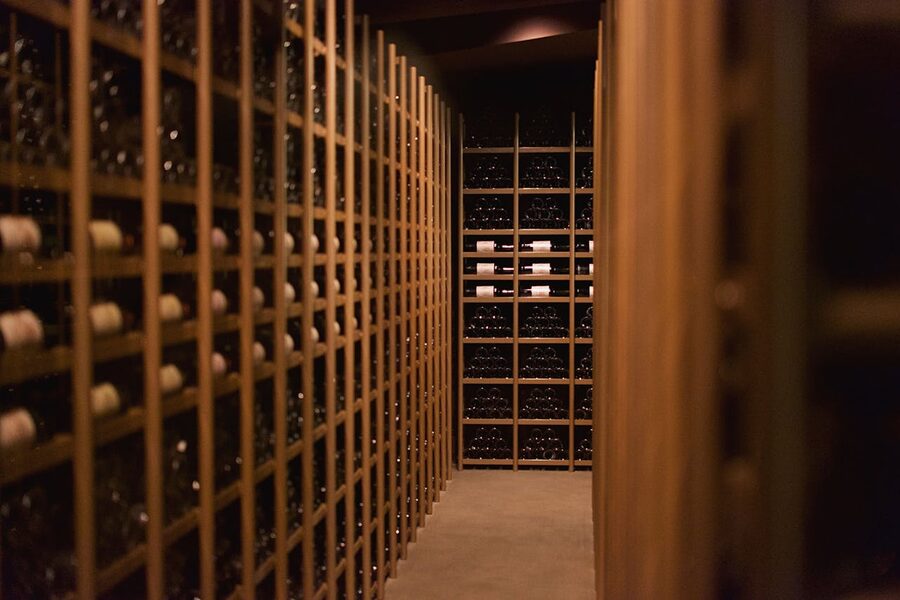
Paris has dozens of wine tasting classes, from casual two-hour introductions to multi-day sommelier courses. The best ones happen in converted wine cellars with small groups and a guide who can explain tannins without making you feel stupid. They almost always include cheese. They sometimes include champagne. And they always leave you ordering better wine at dinner that evening.
Best for learning: Wine Tasting Class with Sommelier — $88, 2 hours, structured class format with professional teaching.
Most atmospheric: Secret Wine Door — $99, 2 hours near the Eiffel Tower, wine + champagne + cheese in a hidden venue. Also 5.0 rating.
- What Happens at a Paris Wine Tasting
- The Three Tasting Styles
- What You’ll Learn (Actually Useful Stuff)
- The French Wine Regions: A Quick Guide
- Best Tastings to Book
- 1. French Wine and Champagne Tasting —
- 2. Wine Tasting Class with Sommelier —
- 3. Secret Wine Door —
- Practical Tips
- Buying Wine After the Tasting
- Wine Tastings Beyond Paris
What Happens at a Paris Wine Tasting
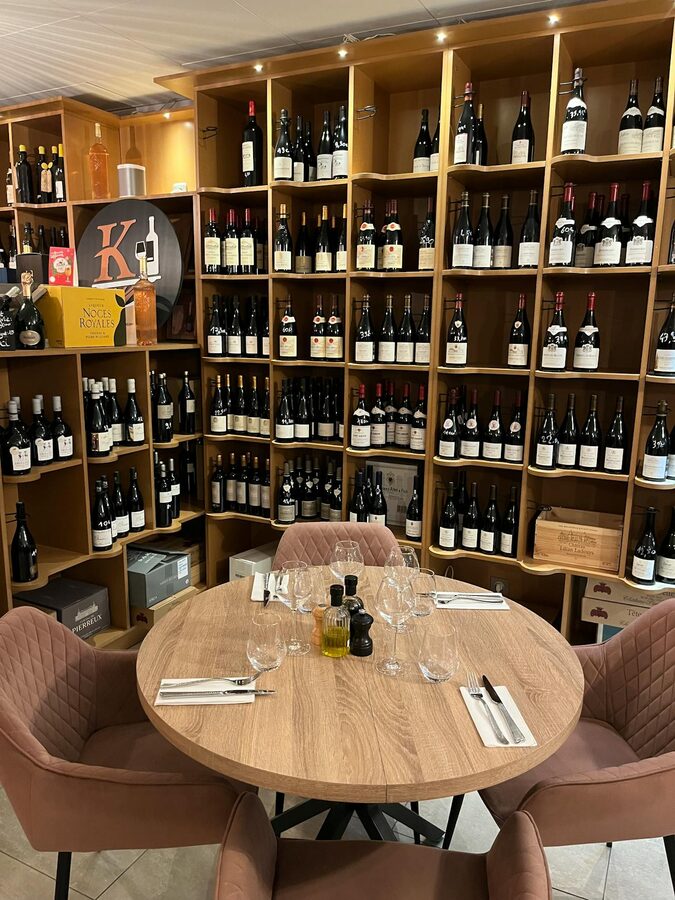
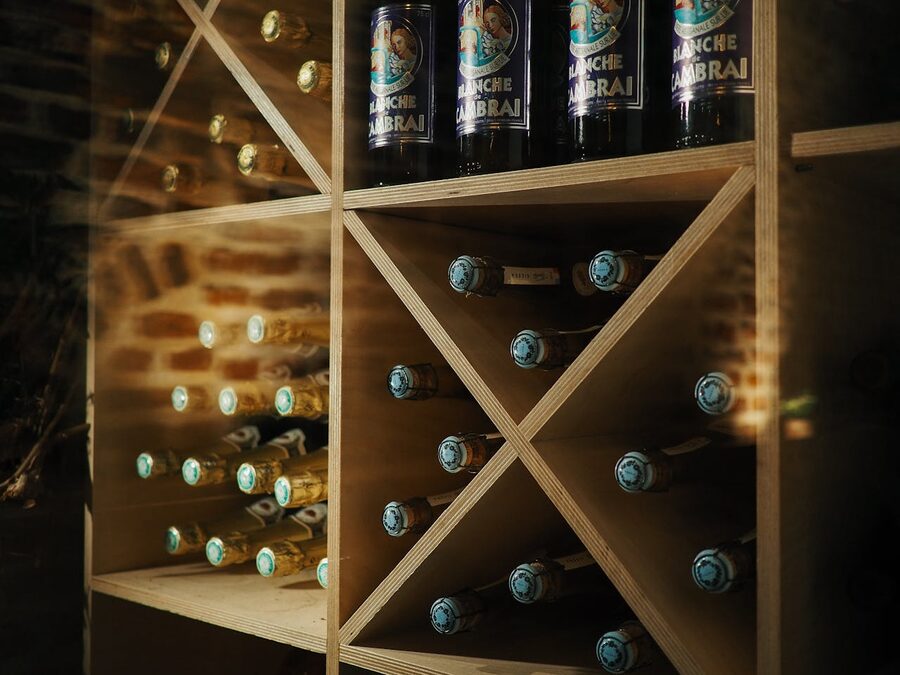
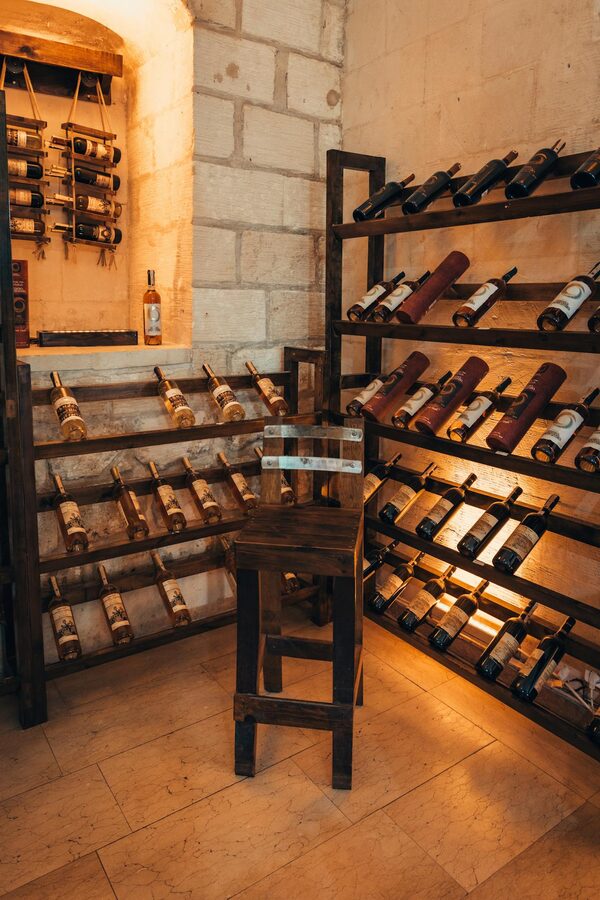
The format varies by class but the structure is similar. You arrive at a cellar or dedicated tasting room. A sommelier — usually bilingual, always passionate — introduces the evening with some context about French wine regions. Then you taste between five and eight wines, learning to identify grape varieties, regional styles, and basic tasting vocabulary. Cheese is usually served alongside the reds. The whole thing takes about two hours.
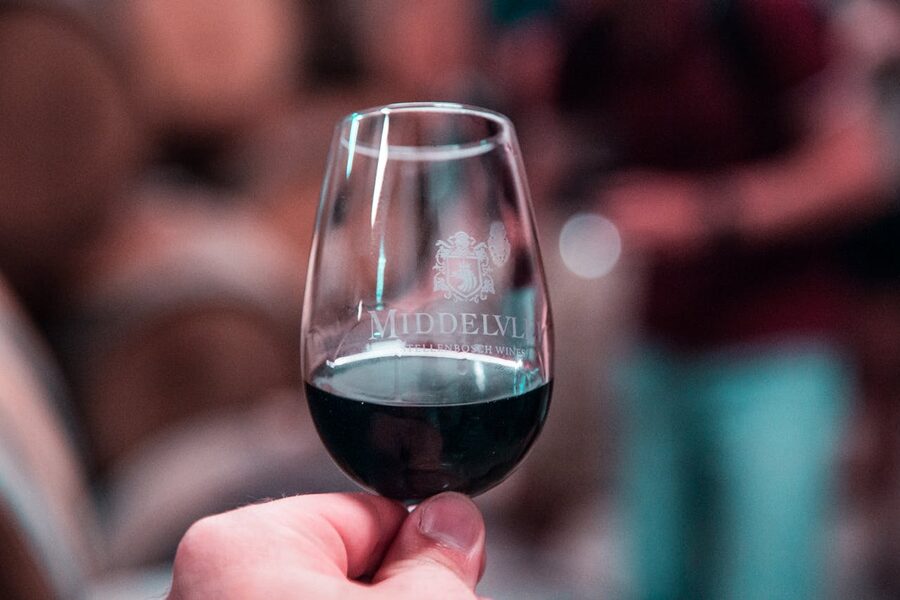
The key thing to know: you don’t need to know anything about wine before you go. Every class on this list is designed for beginners. The sommelier will teach you how to look at wine (colour tells you age), how to smell it (swirl, don’t sniff), and how to taste it (yes, you can spit — no, most people don’t). By the third glass, you’ll be using words like “mineral” and “structure” without irony.
The Three Tasting Styles
Not all Paris wine tastings are the same. Understanding the format helps you pick the right one.
Masterclass format: The most popular. A sommelier leads a structured session covering specific regions or grape varieties. You taste 5-8 wines in order, with explanation between each pour. This is the format that teaches you the most. The Wine and Champagne Tasting near the Louvre follows this model — six wines, including two champagnes, with a focus on understanding regional differences.
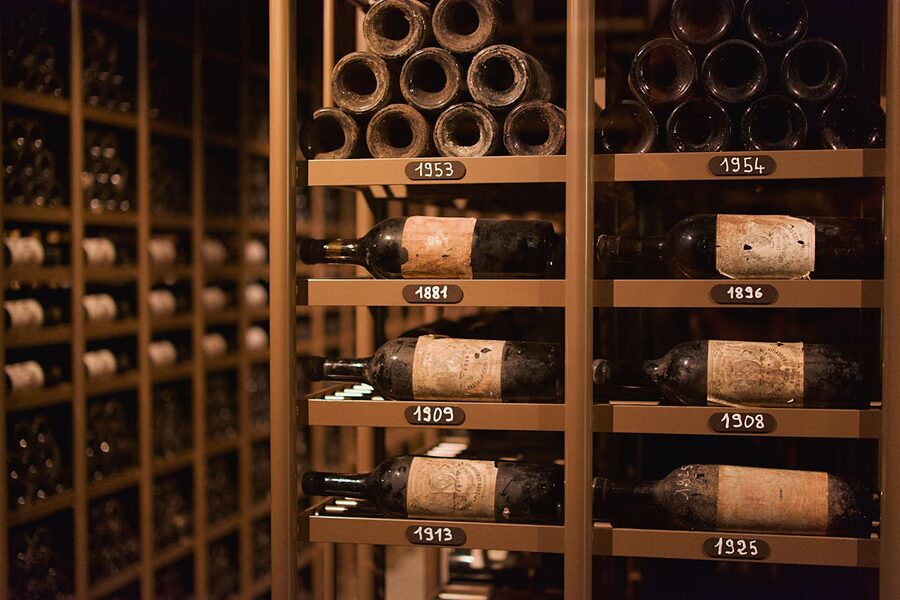
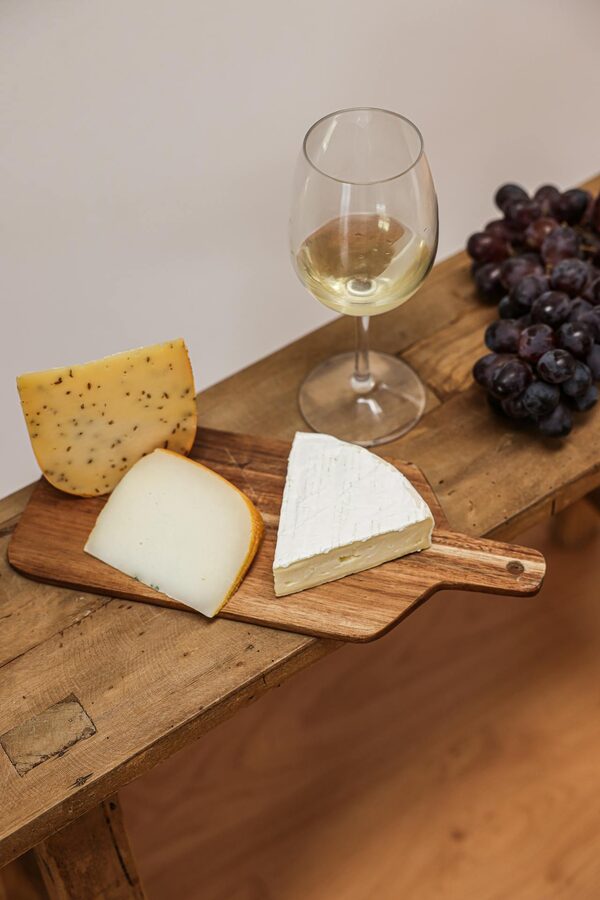
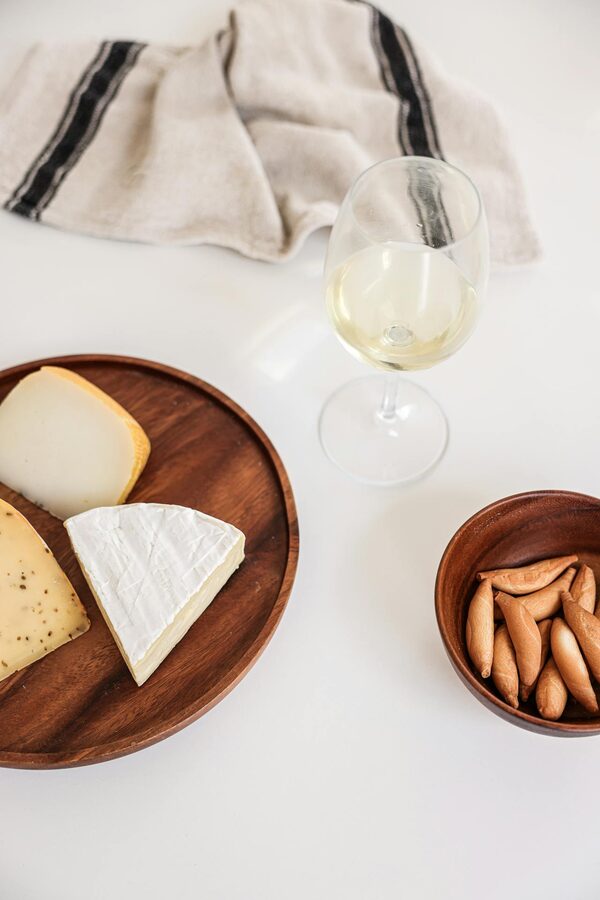
Wine and cheese pairing: More food-focused. You taste wines alongside carefully selected cheeses, learning how different pairings work (and don’t). The Secret Wine Door near the Eiffel Tower does this beautifully — wine, champagne, and artisanal cheese in an intimate setting. It’s more indulgent than educational, which is fine. Sometimes you want to learn. Sometimes you want to eat cheese and drink champagne in a cellar.
Casual wine bar tasting: Less structured, more social. You join a group at a wine bar, the sommelier recommends wines based on the group’s preferences, and the evening develops organically. This is the best format for couples or groups who want atmosphere over academics. It’s harder to find as a bookable product — most casual tastings are walk-in events at wine bars in the Marais or Saint-Germain.
What You’ll Learn (Actually Useful Stuff)
The practical takeaway from a two-hour wine class isn’t becoming an expert — it’s becoming a better orderer. After a good tasting, you’ll be able to:
Read a French wine label and understand what you’re buying. The region tells you more than the grape variety in French wine — a Burgundy is Pinot Noir without saying so, a Bordeaux is a Cabernet-Merlot blend, a Côtes du Rhône is Grenache-based. Once you understand this system, French wine lists stop being intimidating.
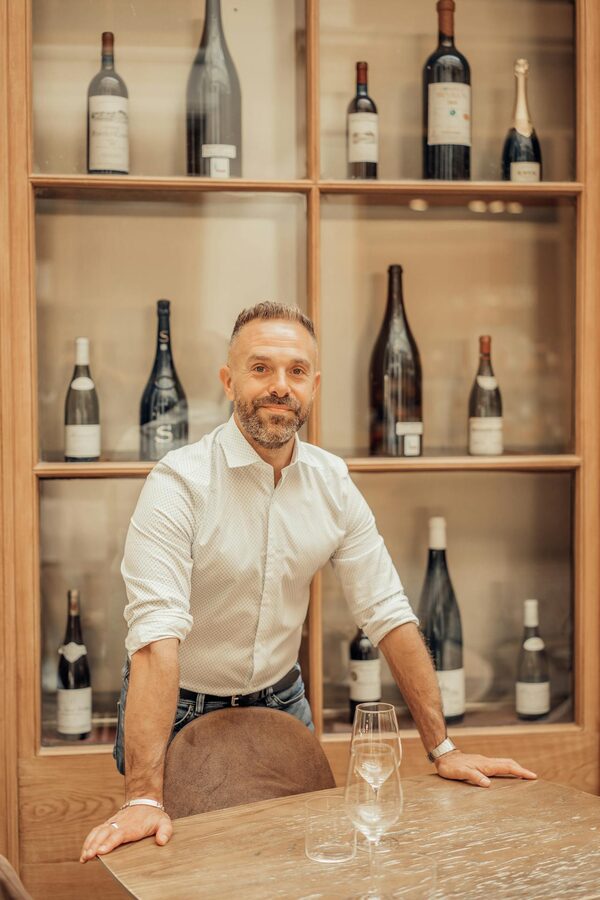
Identify what you actually prefer. Most people who think they like “dry red wine” haven’t tried enough varieties to know what they really mean. A Pinot Noir from Burgundy and a Syrah from the Rhône are both dry reds. They taste completely different. The tasting helps you calibrate your palate and articulate what you want.
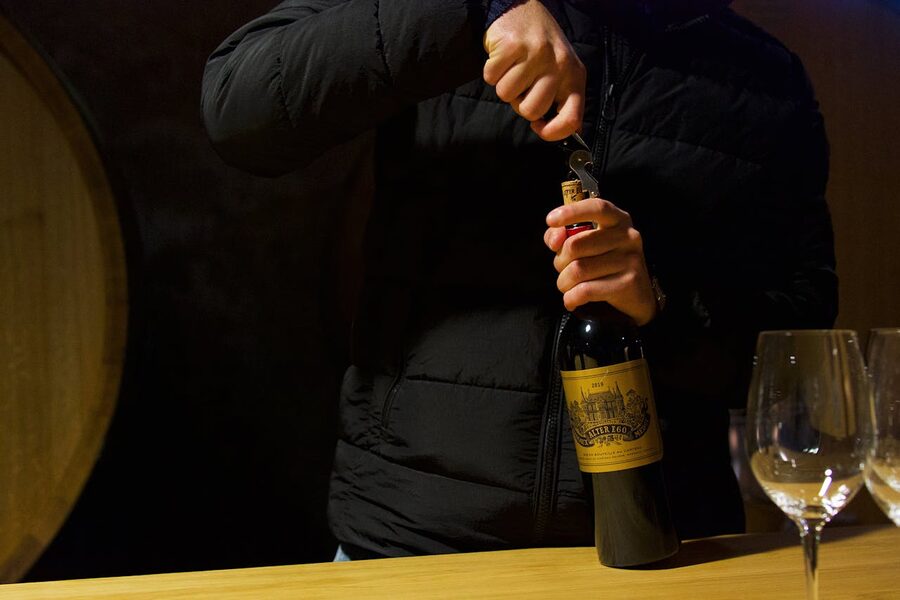
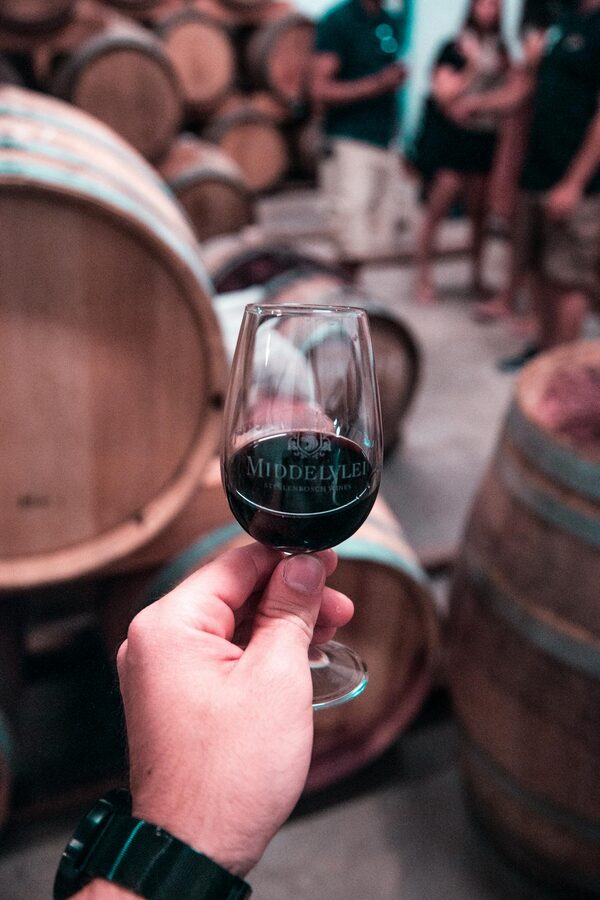
Spot the difference between a €10 bottle and a €40 bottle — and know when the €10 bottle is actually better for what you’re eating. French wine pricing is about prestige as much as quality. Some of the best drinking wines in France come from regions nobody’s heard of (Minervois, Corbières, Fitou) at prices that would embarrass Bordeaux.
The French Wine Regions: A Quick Guide
Every Paris tasting covers these basics. Here’s the cheat sheet so you’re not starting from zero.
Bordeaux: The big one. Left bank (Cabernet Sauvignon dominant — structured, tannic, expensive). Right bank (Merlot dominant — softer, rounder, sometimes better value). Saint-Émilion and Pomerol on the right bank are where many sommeliers point beginners.
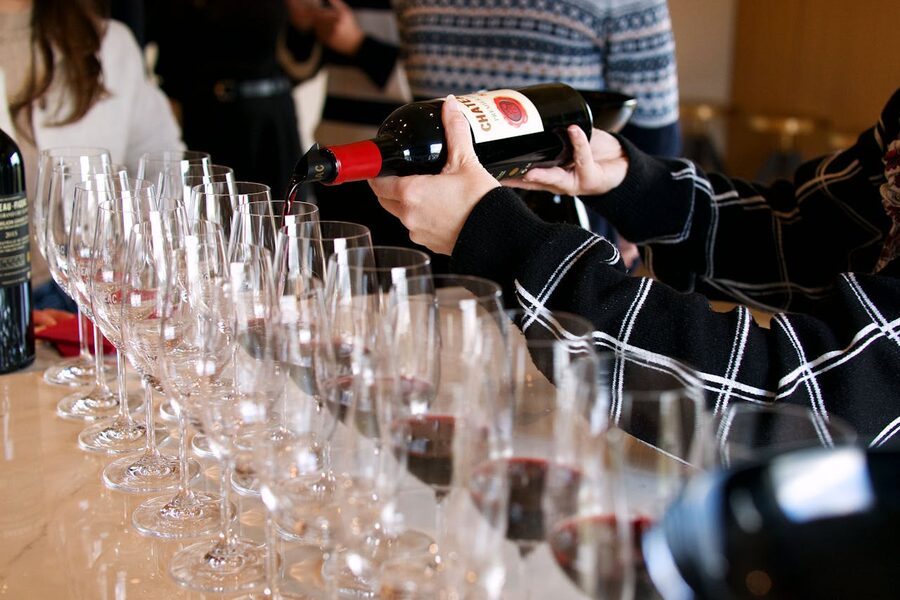
Burgundy: Pinot Noir for reds, Chardonnay for whites. Small plots, high prices, enormous quality variation between producers. A basic Bourgogne rouge costs €12. A bottle from a Premier Cru vineyard 50 metres away costs €60. The sommelier will explain why.
Rhône Valley: Grenache and Syrah blends in the south (Châteauneuf-du-Pape, Côtes du Rhône), pure Syrah in the north (Hermitage, Côte-Rôtie). Generally better value than Bordeaux and Burgundy for the quality. The Provence and Rhône wine tours from Avignon cover this region if you want to visit in person.
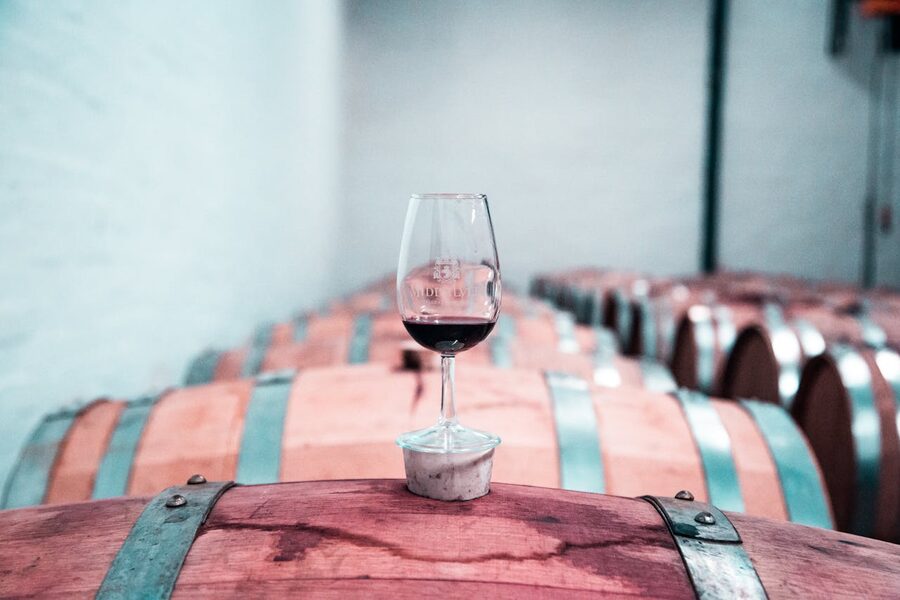
Loire Valley: Whites dominate — Sancerre (Sauvignon Blanc), Vouvray (Chenin Blanc), Muscadet (Melon de Bourgogne). The reds from Chinon and Bourgueil are underrated. Loire wines tend to be lighter and more food-friendly than Bordeaux or Burgundy.
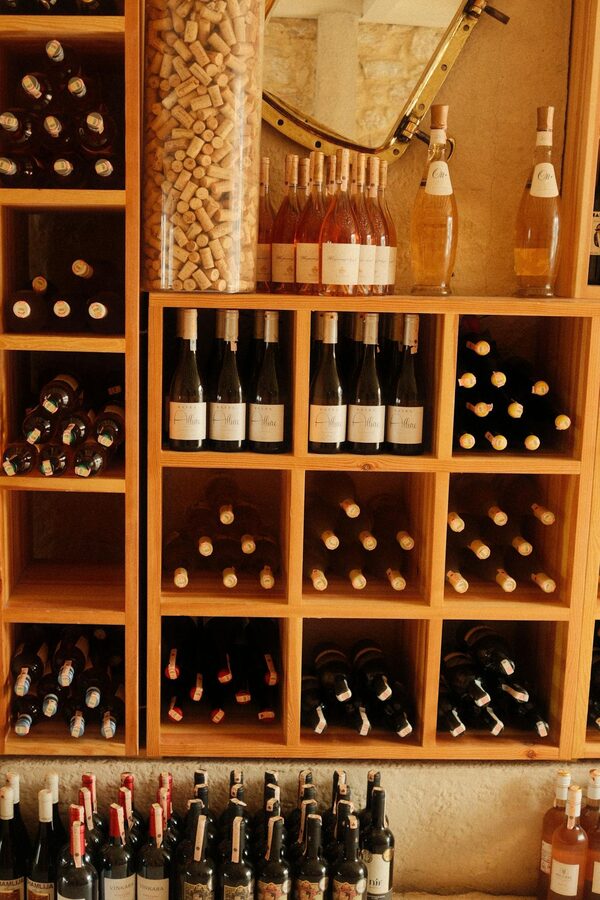
Champagne: You know what champagne is. What most people don’t know is how different the styles are — a Blanc de Blancs (100% Chardonnay) tastes nothing like a Blanc de Noirs (Pinot Noir/Meunier). The Paris tastings usually include at least one champagne for comparison. If you want more depth, the Champagne day trips to Reims and Épernay are the logical next step.
Best Tastings to Book
1. French Wine and Champagne Tasting — $91
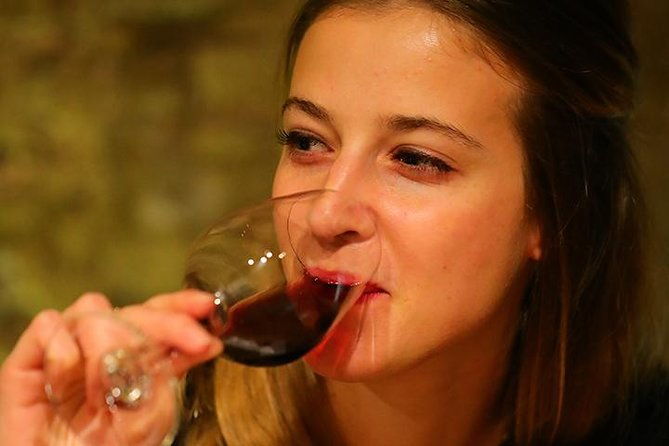
The gold standard. Two hours in a wine cellar near the Louvre, tasting six wines including champagne, with cheese accompaniment and a sommelier who adjusts the session based on the group’s knowledge level. The perfect 5.0 rating across 622 reviews is earned — the guides consistently get praise for being entertaining, knowledgeable, and genuinely good at teaching. Our review covers the full tasting lineup and what makes this one stand out from cheaper alternatives.
2. Wine Tasting Class with Sommelier — $88
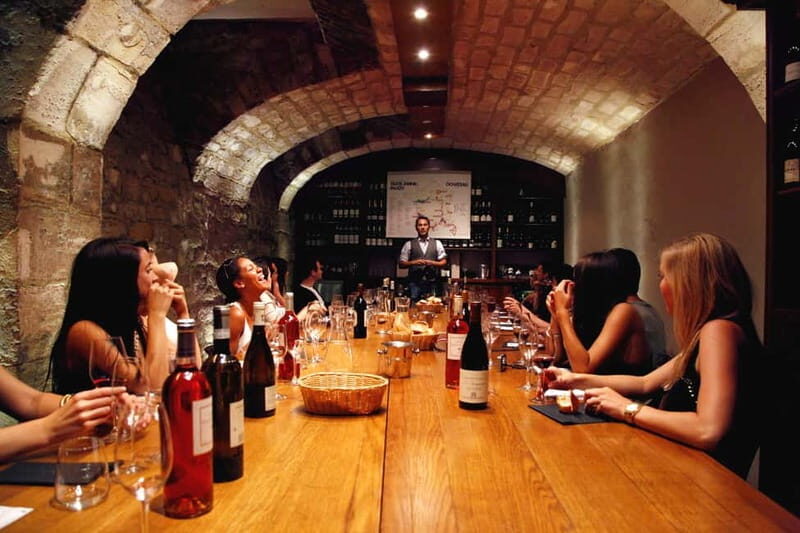
Slightly more structured than the champagne tasting — this is a genuine class rather than a tasting event. The sommelier teaches tasting technique, wine geography, and food pairing principles across about eight wines. At 4.8 stars across 550 reviews, the educational approach lands well even with complete beginners. Our review compares the teaching style to the other options and explains which format suits different learners.
3. Secret Wine Door — $99
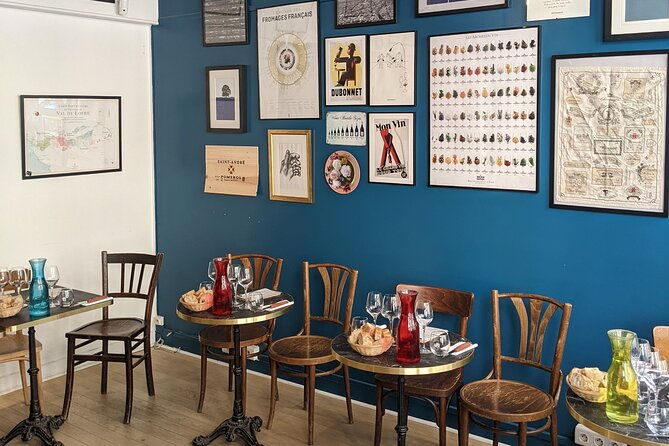
The most atmospheric option. A hidden venue near the Eiffel Tower, a small group of 12 maximum, and a tasting that covers wine, champagne, and artisanal French cheese. It costs more than the alternatives but the setting and intimacy justify the premium. Our review reveals the location and format — the “secret door” concept is genuinely charming and the cheese selection is curated by a separate fromager.
Practical Tips
When to book: Evening sessions (usually starting around 5pm or 7pm) are the most popular and sell out fastest. Afternoon sessions are quieter and sometimes cheaper. Book at least a few days ahead in summer and around Christmas.
What to eat before: Something substantial. Six glasses of wine on an empty stomach is a recipe for a bad evening. The cheese helps, but it arrives with the later wines. Have lunch or a late snack before the session.
Dress code: Smart casual. The venues are wine cellars, not nightclubs. You don’t need a suit or dress, but shorts and flip-flops would feel out of place. The cellars are cool — a light sweater or jacket is practical.
Buying Wine After the Tasting
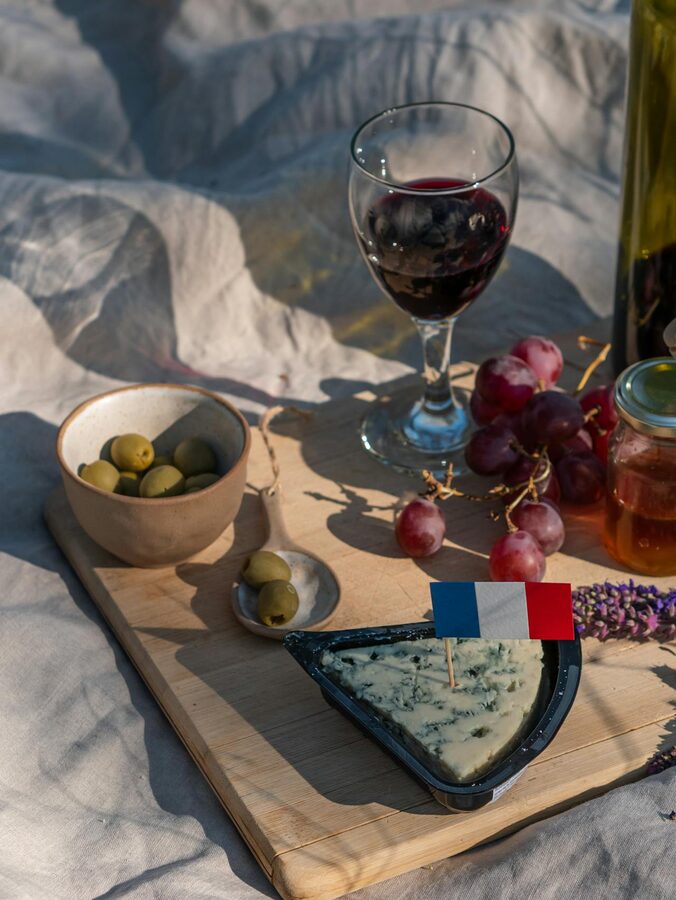
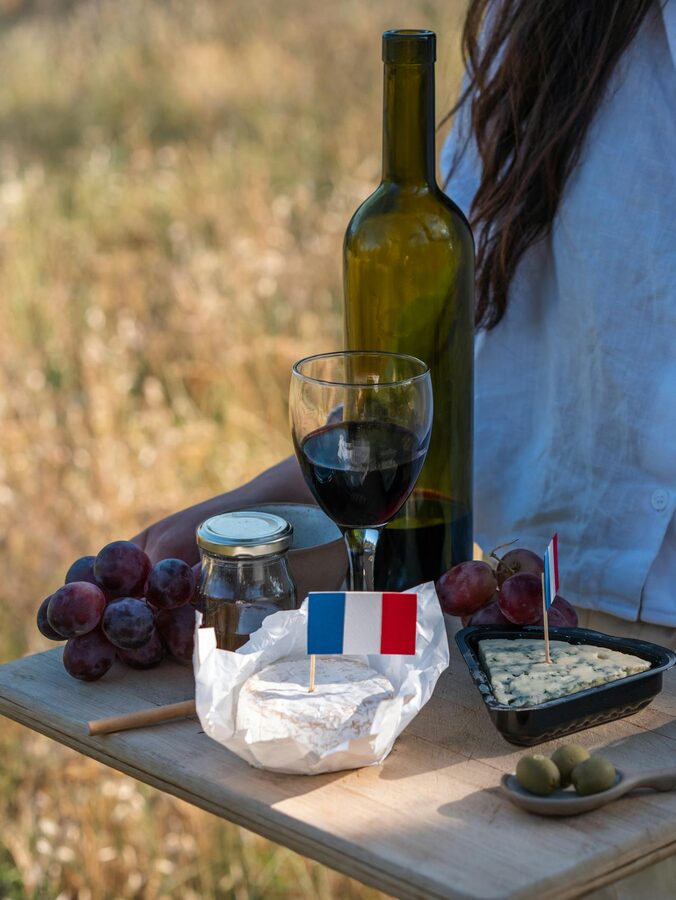
The tasting venues often sell bottles from the session at a discount. This is convenient but not always the best deal. Independent wine shops (cavistes) in Paris carry wider selections and the staff are just as knowledgeable. Nicolas is the chain — ubiquitous and reliable, though the selection is conservative. For something more adventurous, try La Cave des Abbesses in Montmartre, Les Caves Augé near Saint-Lazare (open since 1850), or Le Verre Volé near Canal Saint-Martin.
The sommelier will often recommend specific bottles to take home. Ask about luggage-friendly options — French wine shops sell sturdy shipping boxes and some will arrange delivery to your hotel. If you’re flying, remember the EU allows you to bring wine in checked luggage (bubble-wrap it) but liquids over 100ml can’t go through security in carry-on.
Language: All three recommended classes operate in English. The sommeliers are bilingual and used to international guests. Wine vocabulary is largely the same across languages anyway — terroir, tannin, bouquet, appellation — so even the French-specific terms transfer easily.
Budget alternative: If $90-100 is too much for a tasting, Paris wine bars offer tastings by the glass for €5-12 per pour, often with expert advice from the staff. Ô Chateau (near the Louvre), La Cave de Belleville, and Les Caves Augé (open since 1850) all run informal tastings.
Wine Tastings Beyond Paris
If the Paris tasting ignites a serious interest, France has wine regions that will happily consume the rest of your trip. The Champagne day trips from Paris take you to the source of the world’s most famous sparkling wine. The Provence day trips from Avignon include Châteauneuf-du-Pape and other Rhône appellations. And the Alsace wine route through Strasbourg covers one of France’s most scenic wine regions — the whites there are among the best in the world. For something completely different after an evening of wine education, the Paris cooking and baking classes pair perfectly — learn wine one evening, learn to cook the food that goes with it the next day.