Normandy’s D-Day beaches are one of those trips that almost everyone wants to do and almost nobody does properly. People try to squeeze it into a single day from Paris, get on a bus at 7am, spend four hours in traffic, rush through two cemeteries, and fall asleep on the way back. It is better than nothing, but it is not the trip the beaches deserve. Here is how to actually do it well.
I have visited the D-Day sites four times now, twice on day trips from Paris and twice on overnights from Bayeux. The overnight version is not close. Bayeux is 45 minutes from the beaches instead of 3.5 hours, the town is charming in its own right, and you can spend a full day at the American Cemetery without watching your tour guide anxiously check his watch. But the day trip from Paris works if that is all you have. This guide covers both.
- Quick Picks — My Three Favourite D-Day Tours
- Why Normandy Matters — A Short Honest Answer
- The Two Options — Day Trip from Paris or Overnight in Bayeux
- The Five Landing Beaches — Which Ones to Actually Visit
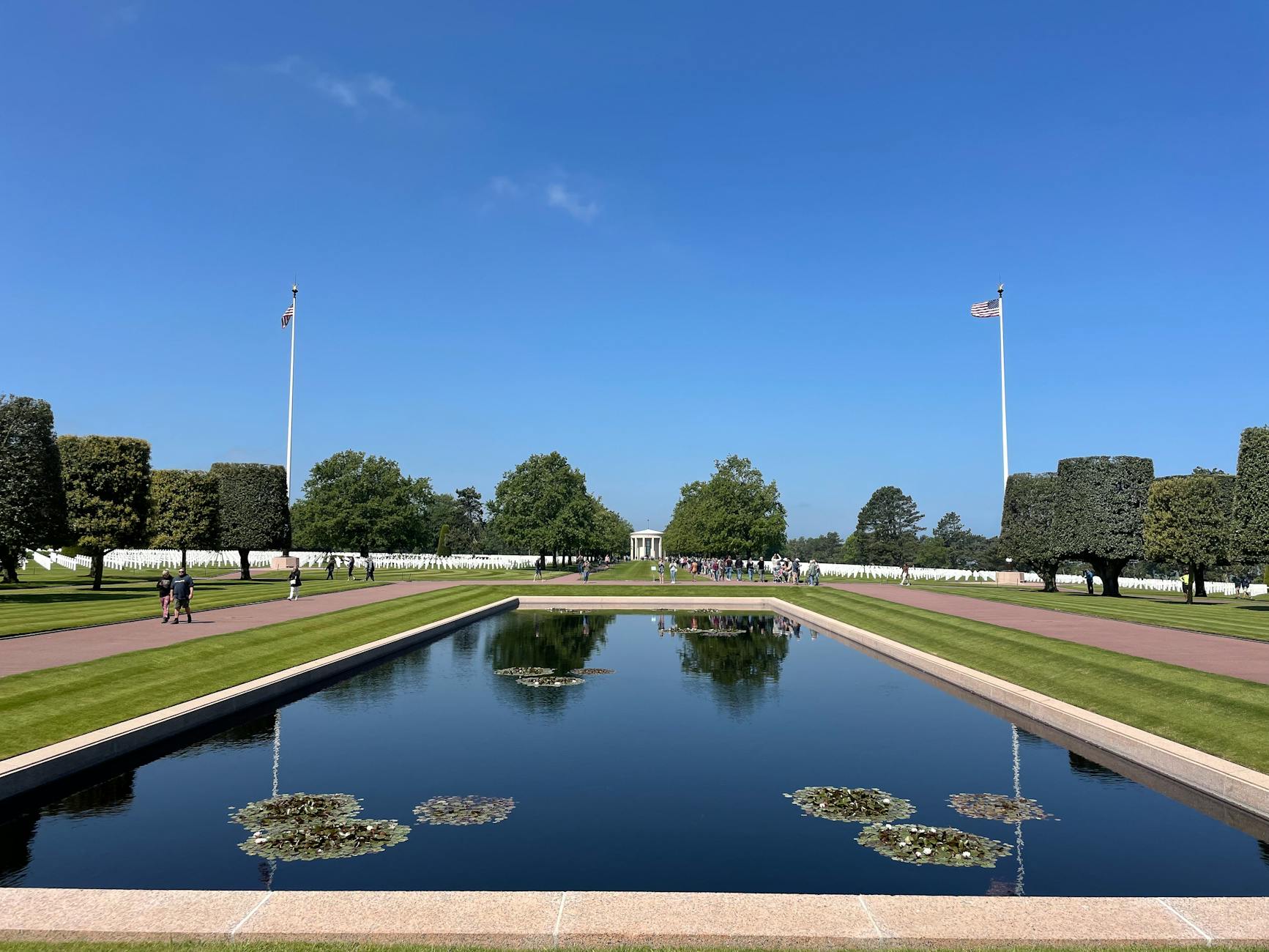
- The American Cemetery — How Much Time to Spend
- Getting There — Train From Paris to Bayeux
- Where to Stay in Bayeux (And Why the Town Is Worth It)
- Which Tour Should You Actually Book? Three Picks
- 🥇 Paris: Normandy D-Day Sites Guided Day Trip with Lunch
- 🥈 From Bayeux: American D-Day Sites Half-Day Tour
- 🥉 Normandy Battlefields Tour — American Sites
- Pointe du Hoc — The Most Powerful Site on the Coast
- The Museums — Which Ones Are Worth Your Time
- Timing — When to Go and When to Avoid
- Should You Rent a Car?
- What to Bring and What to Wear
- How to Handle the Emotional Weight
- Combining Normandy With Other Destinations
- Food Along the Way — What to Actually Eat
- Visiting With Kids — What Works and What Does Not
- Photography — What Actually Photographs Well
- What to Read Before You Go
- Common Mistakes I See People Make
- A Typical Overnight Itinerary — What I Actually Do
- More Paris and Normandy Planning on The Abroad Guide
- Final Thoughts — Is Normandy Worth It?
- FAQ — Short Answers to the Questions I Get Most
Quick Picks — My Three Favourite D-Day Tours
🥇 Best day trip from Paris: Paris: Normandy D-Day Sites Guided Day Trip with Lunch — around $117, includes round-trip transport from Paris, a real lunch (not a sandwich), and stops at the American Cemetery, Omaha Beach, and Pointe du Hoc. The highest-reviewed D-Day tour on the market.
🥈 Best if you are already in Bayeux: From Bayeux: American D-Day Sites Half-Day Tour — around $141, four hours covering all the American sector highlights. Leaves you time for the Bayeux Tapestry in the afternoon.
🥉 Best mid-length with expert guide: Normandy Battlefields Tour — American Sites — around $161, a full day from Bayeux with historians who tell the battle stories properly instead of just reading off plaques.
Why Normandy Matters — A Short Honest Answer
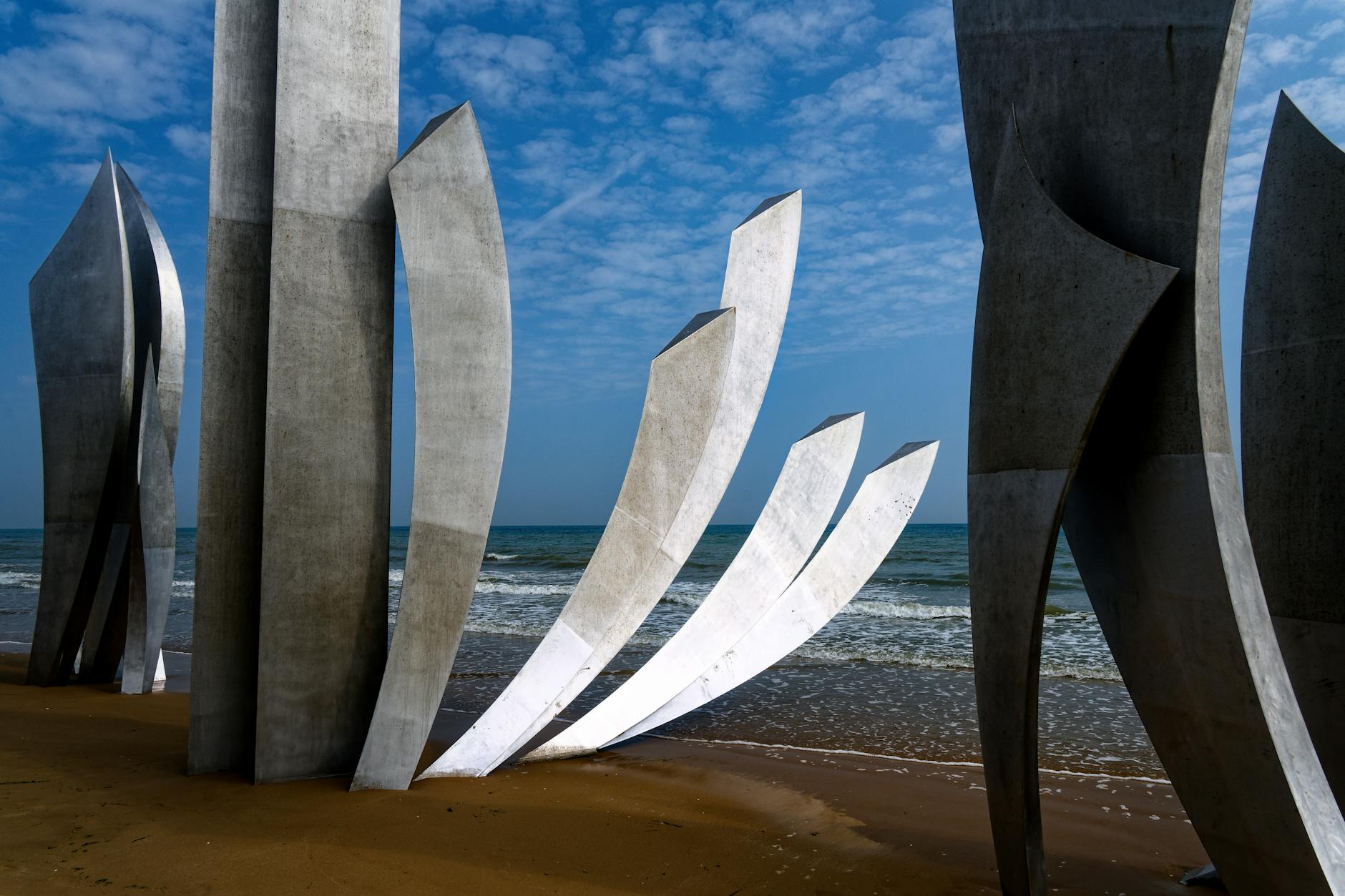
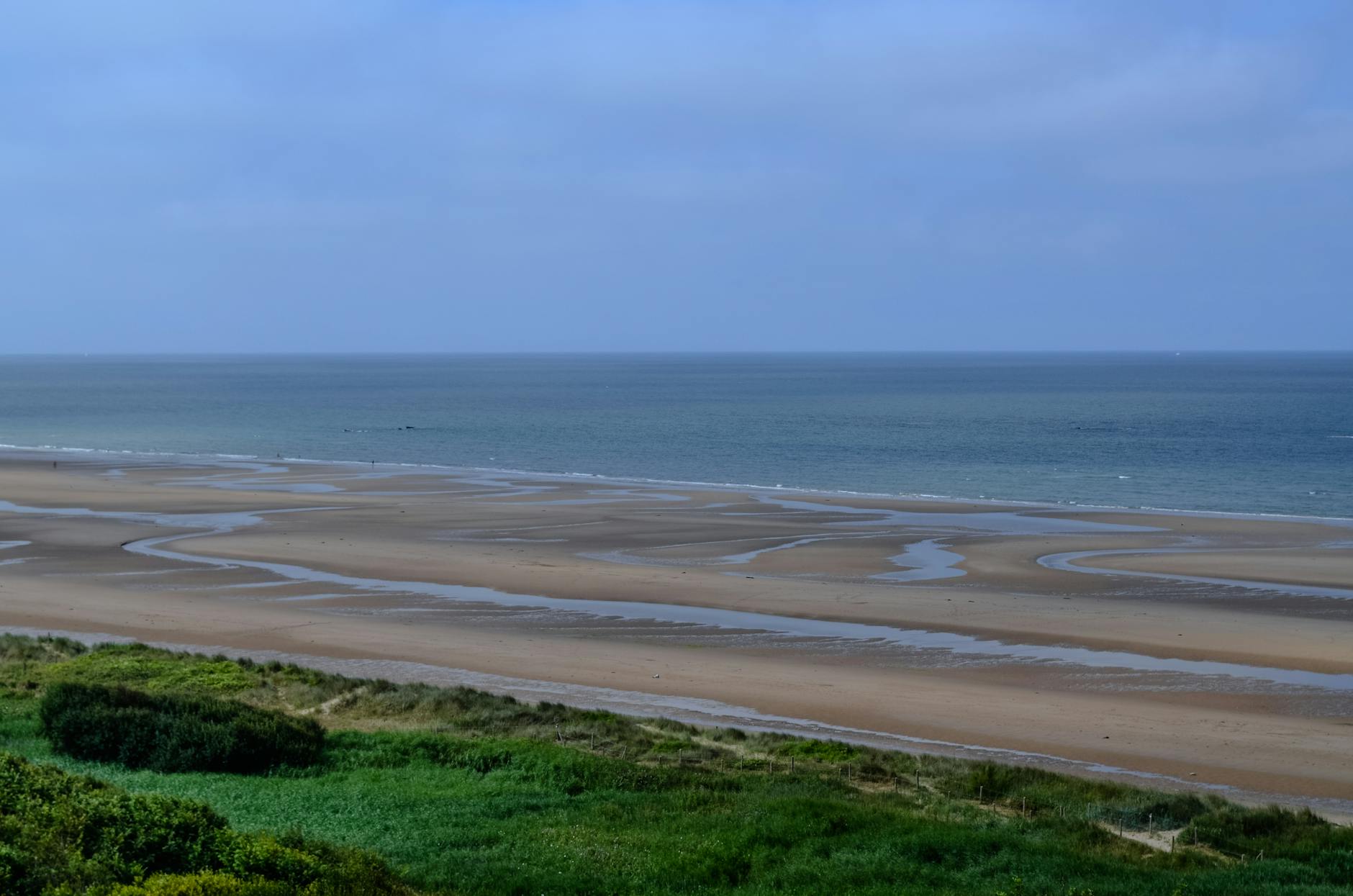
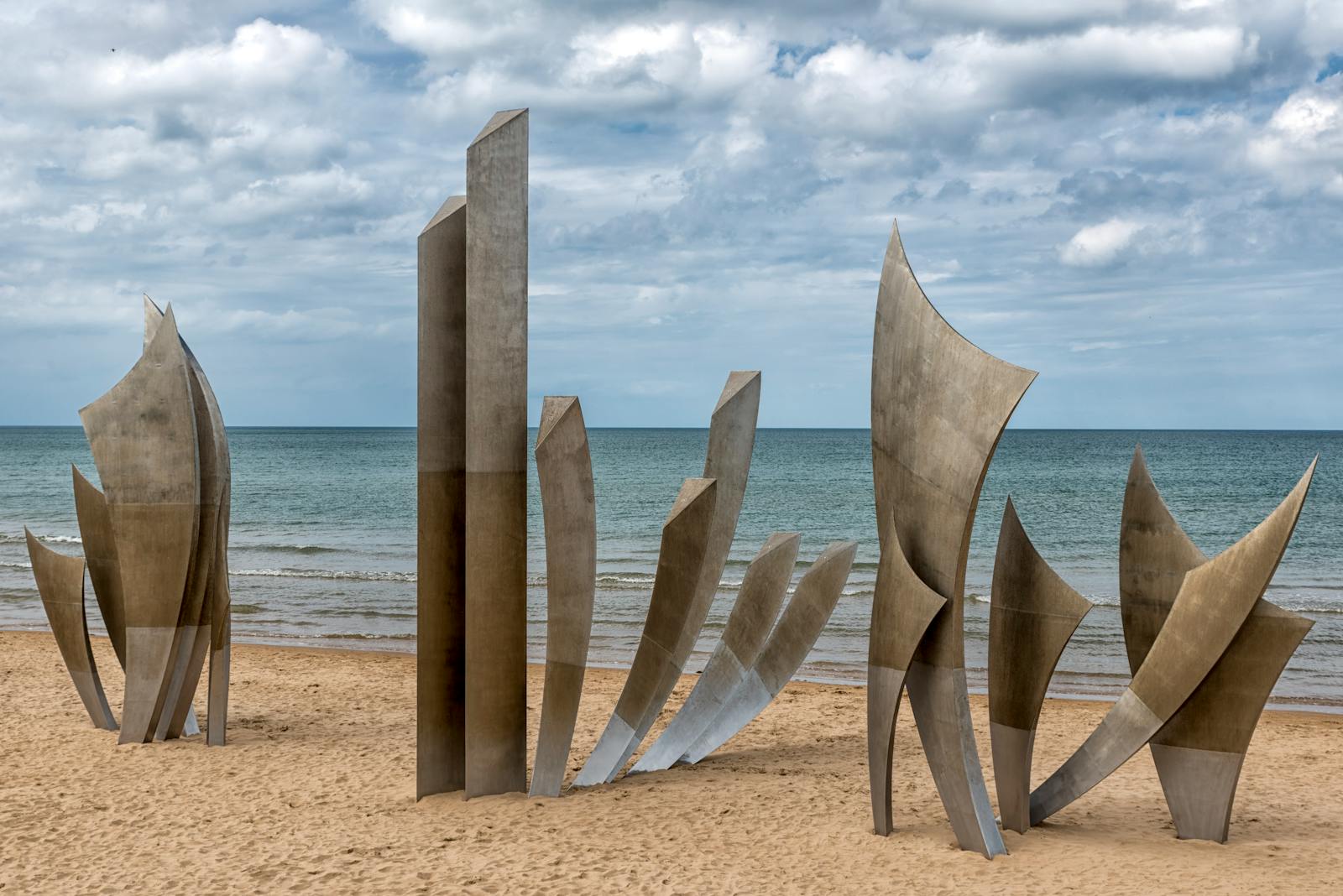
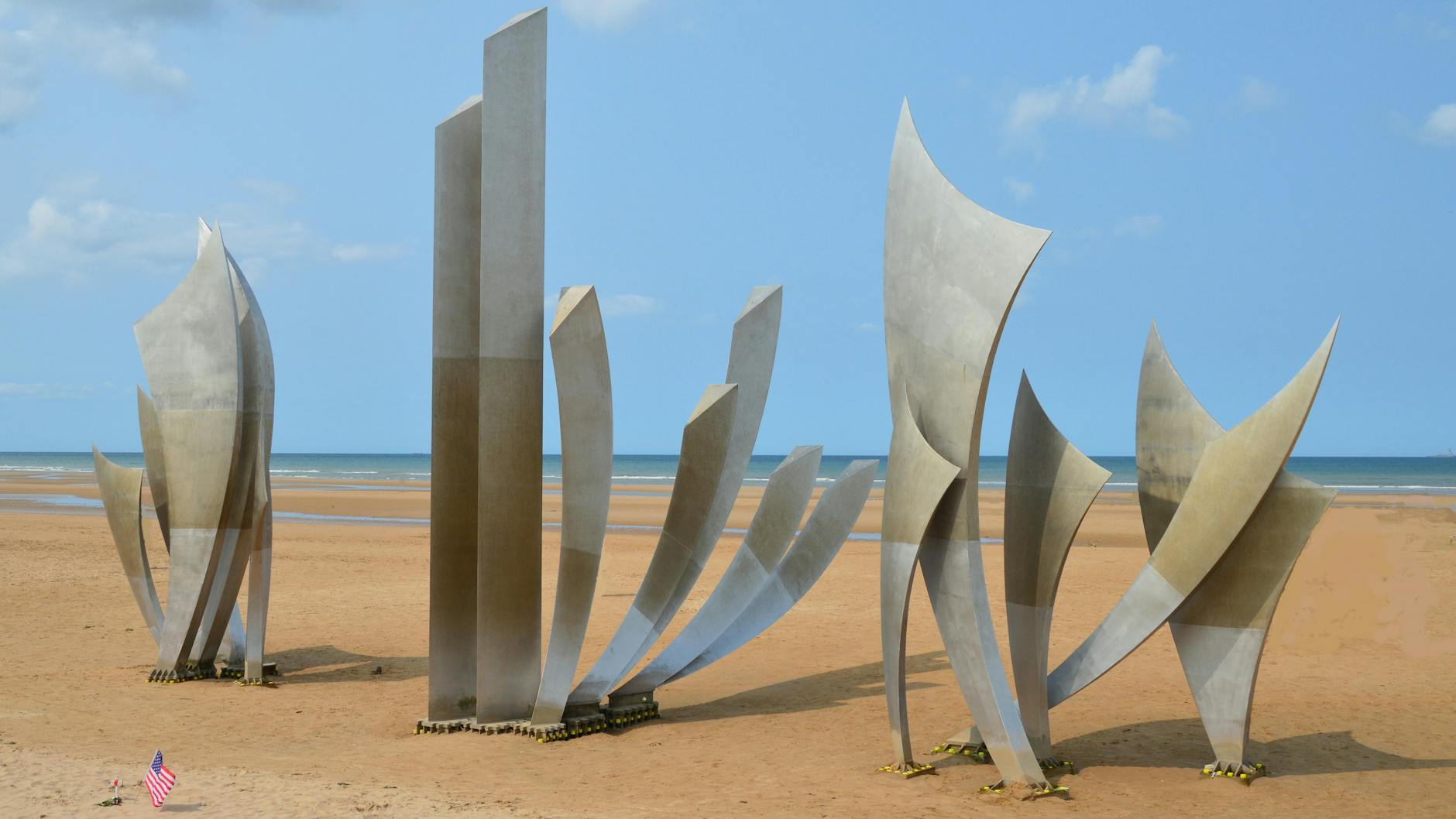
On 6 June 1944, 156,000 Allied soldiers landed on a 50-mile stretch of the Normandy coast to begin the liberation of Western Europe. About 4,400 of them did not make it off the beach. The D-Day landings are arguably the most consequential single day of the 20th century, and the beaches are exactly where they happened. You can stand on the sand. You can walk into the bunkers. You can read the names on the crosses.
I do not say this lightly: Normandy is the most moving place I have ever visited in Europe, and I have been to a lot of memorials. Something about the scale of the cemeteries combined with the beauty of the coastline combined with the knowledge of what happened here creates an emotional weight that is hard to describe. It is not a depressing trip. It is a necessary one.
The Two Options — Day Trip from Paris or Overnight in Bayeux
Let me be upfront about this. If you have two days to spare, do the overnight. If you have one day and you are already set on doing Normandy, do the Paris day trip and manage your expectations.
The Paris day trip is a 14-hour day. You leave Paris at around 7am, drive 3 hours to Normandy, spend about 5-6 hours at 3-4 sites, and drive 3 hours back, arriving in Paris around 9pm. It is exhausting but you will see the main sites and the lunch is included on the best tours. The downside: you cannot linger. When the bus leaves, the bus leaves.
The overnight version is night and day better. Take the morning train from Paris Saint-Lazare to Bayeux (2 hours 15 minutes, around $35-50). Check into a hotel in Bayeux. Do a half-day tour that afternoon, sleep in Bayeux, do another half-day tour the next morning, train back to Paris in the afternoon. You see twice as much, the pace is reasonable, and Bayeux is one of the prettiest small towns in France.
The Five Landing Beaches — Which Ones to Actually Visit
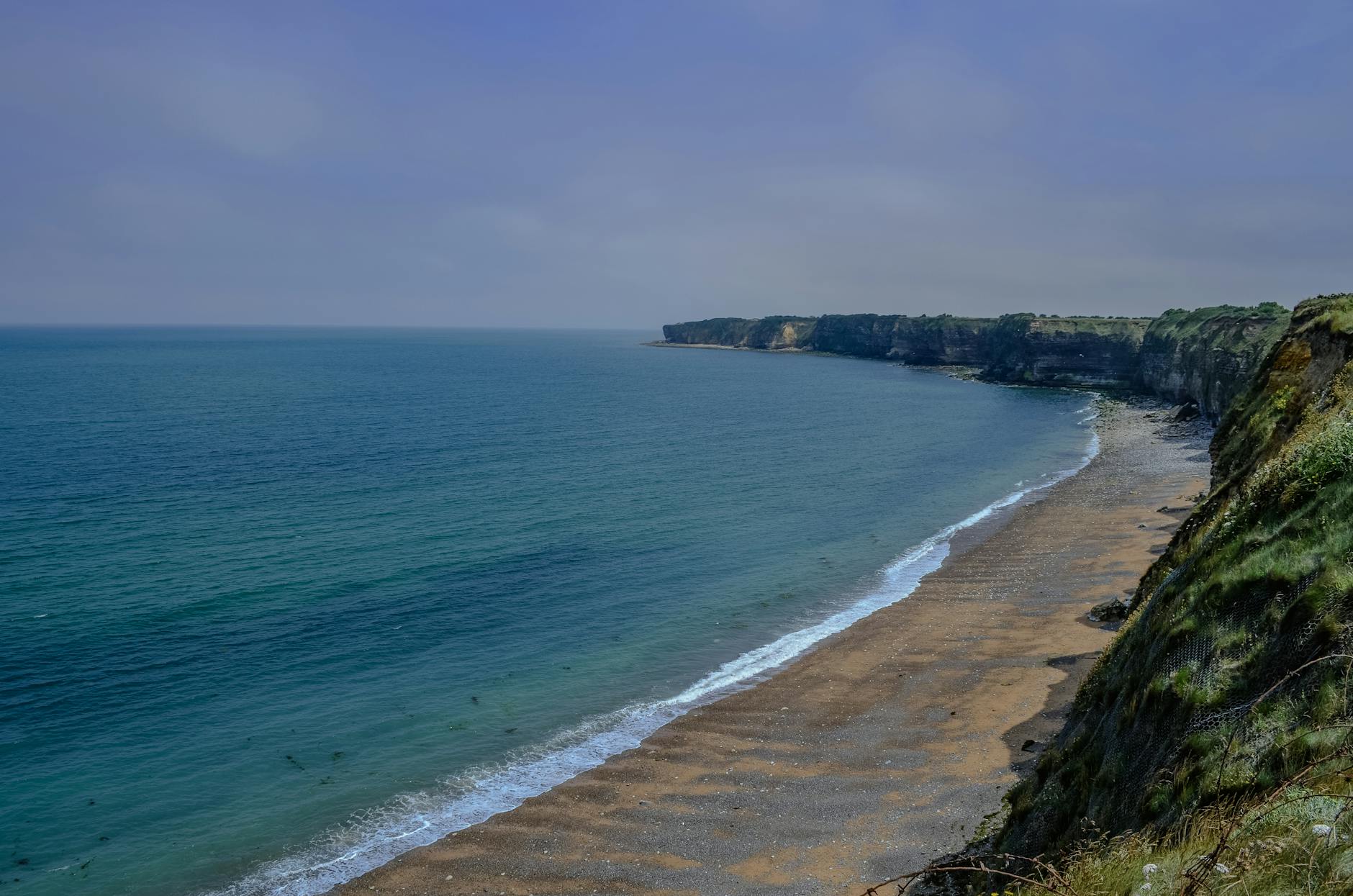
Most people think of D-Day as one beach. It was five. From west to east they are Utah (American), Omaha (American), Gold (British), Juno (Canadian), and Sword (British). Most tours cover Omaha and Utah plus the American Cemetery and Pointe du Hoc, because those are the sites most associated with the American sector.
If you are American, the standard tour is great. If you are Canadian, go out of your way to include Juno Beach and the Juno Beach Centre, which is an excellent Canadian-run museum at Courseulles-sur-Mer. If you are British, the Gold and Sword sites are less visited but equally meaningful — the British Normandy Memorial at Ver-sur-Mer opened in 2021 and is worth the detour.
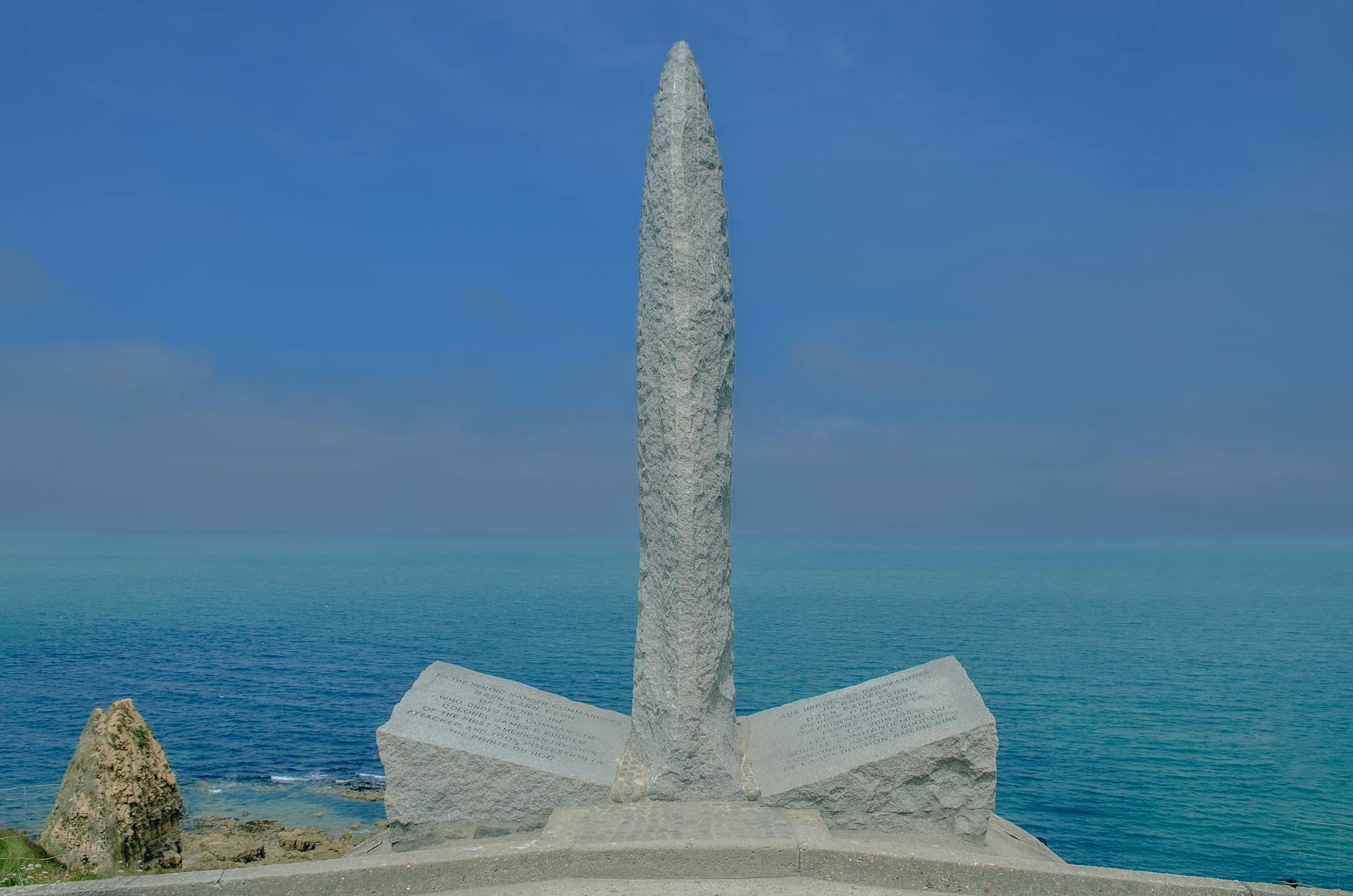
For anyone: Pointe du Hoc is the must-see that almost no tour skips. It is a 100-foot cliff that US Army Rangers scaled under fire on D-Day morning. The site is still pockmarked with bomb craters and bunkers, and you can walk through them. It is the most visceral spot on the whole coast.
The American Cemetery — How Much Time to Spend
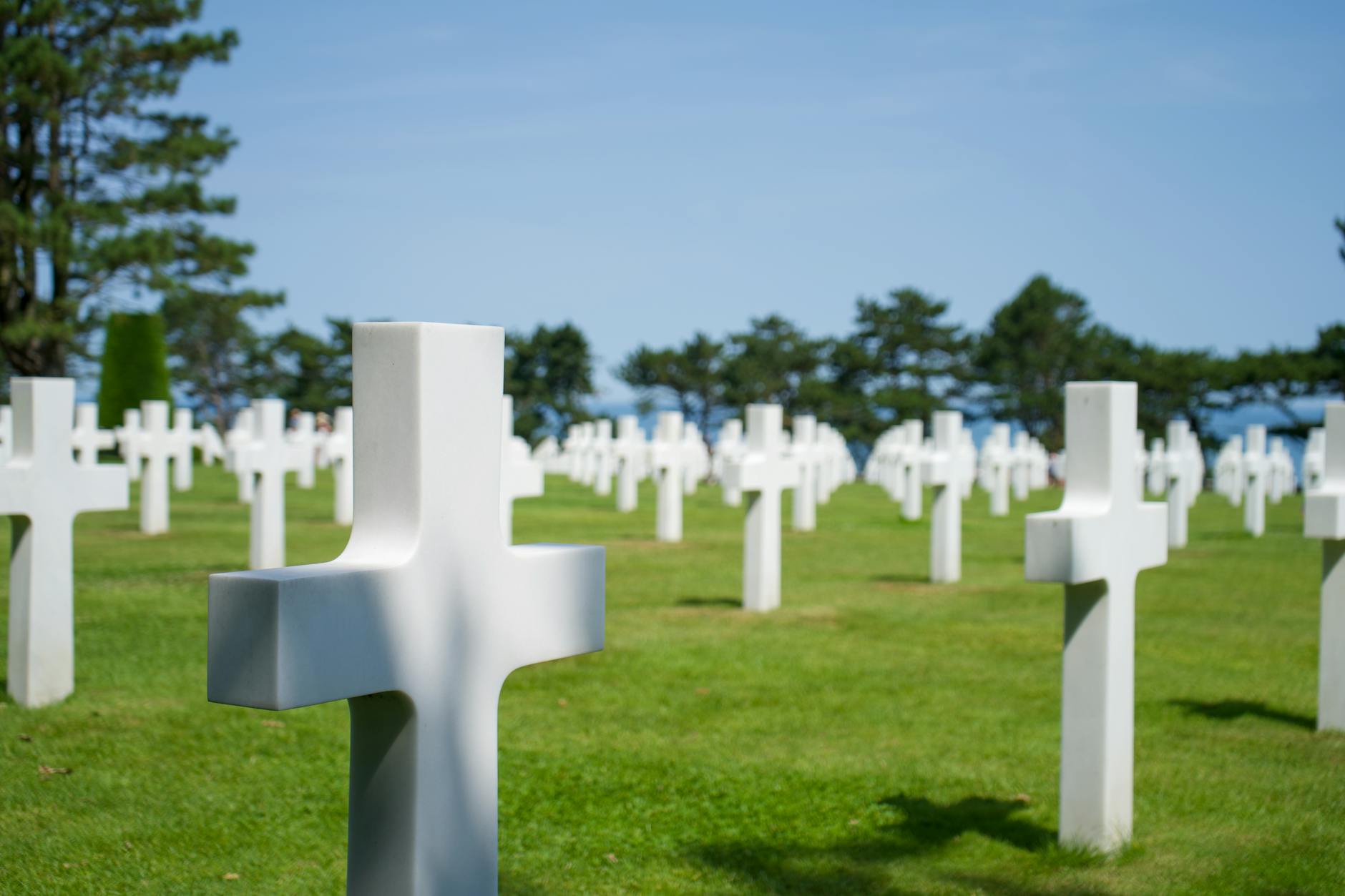
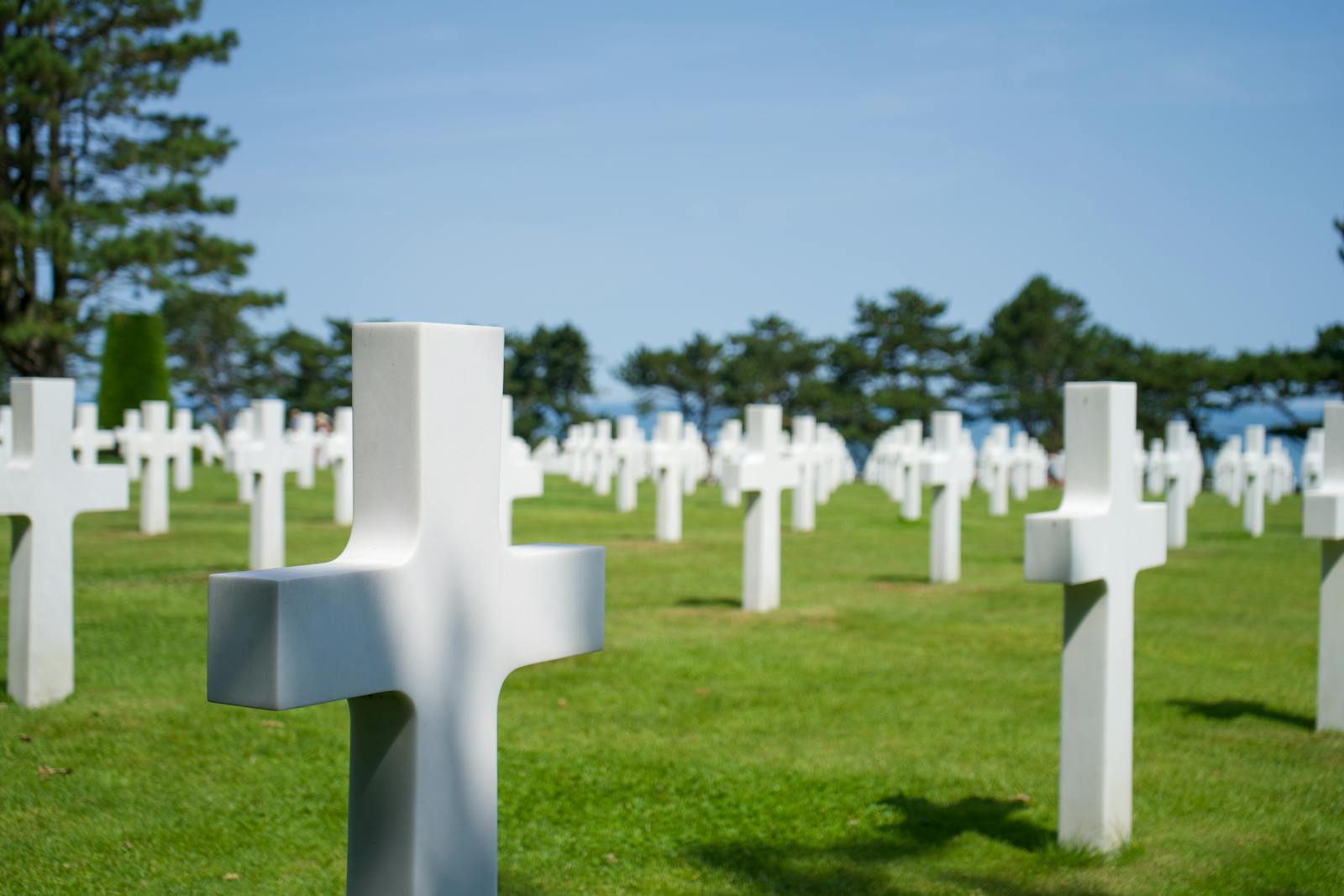
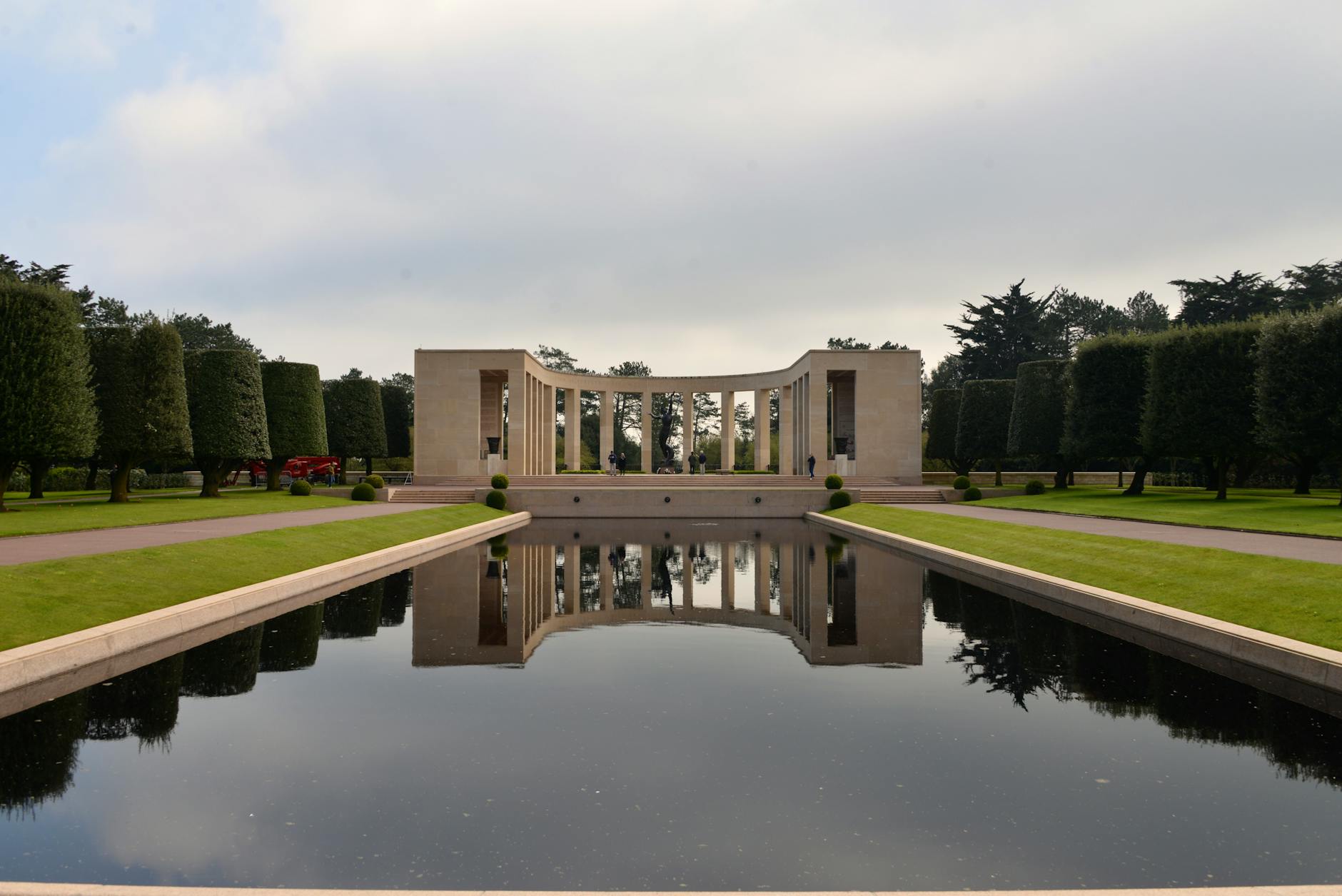
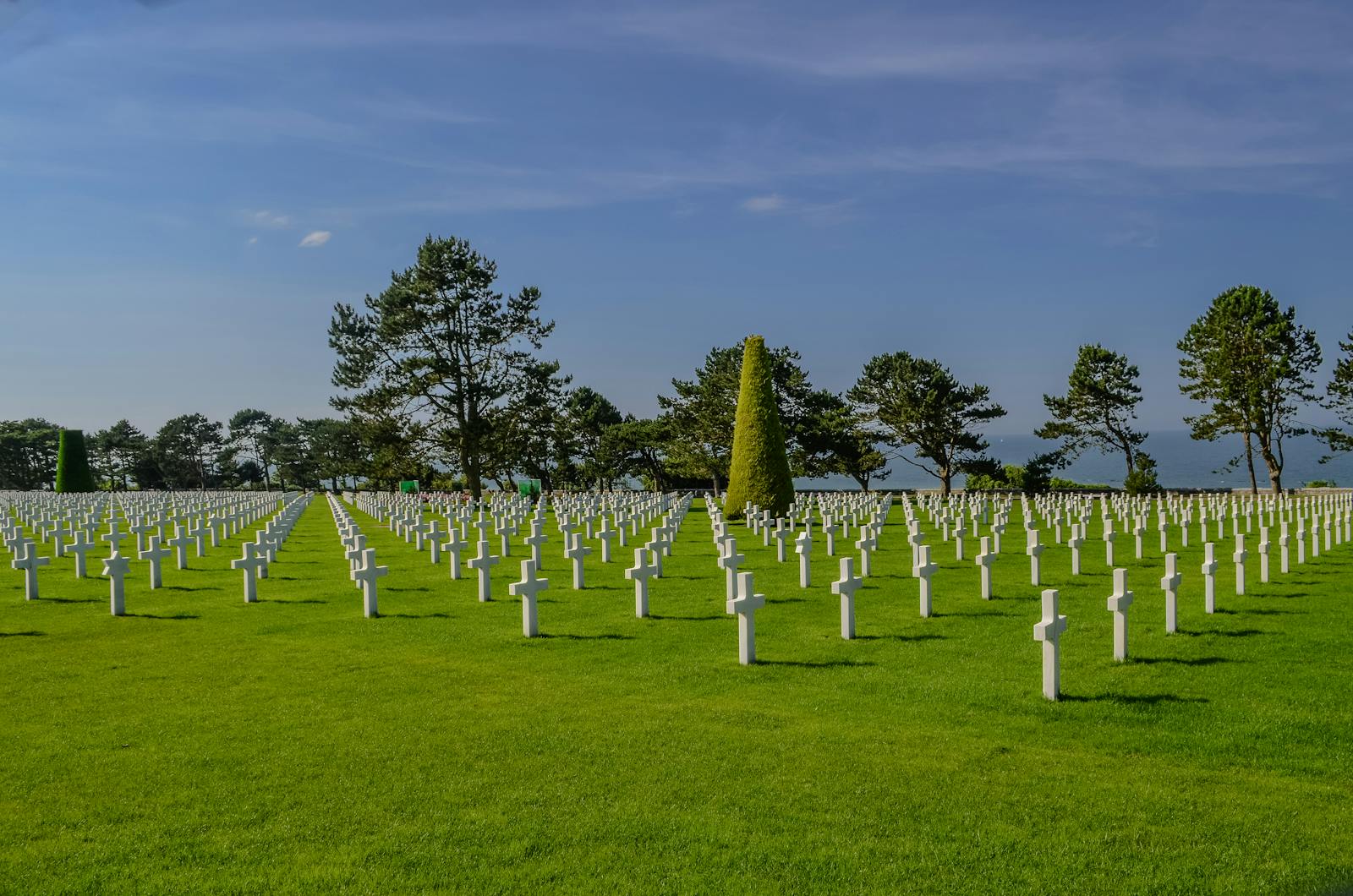
Most day trips allocate 60-90 minutes for the American Cemetery at Colleville-sur-Mer. That is not enough. If you can spend two hours here you should. The cemetery has three distinct parts: the visitor centre (indoor museum, free, 45 minutes), the memorial and reflecting pool (outdoor area with the main monument, 15 minutes), and the graves themselves (outdoor, walk the rows, 30+ minutes). Doing all three properly is more like 2.5 hours.
Inside the visitor centre, watch the short film. Read the stories of individual soldiers featured on the walls. There is a moment about 10 minutes into the film where a veteran describes the morning he landed on Omaha. I have watched it three times and each time the room goes silent.
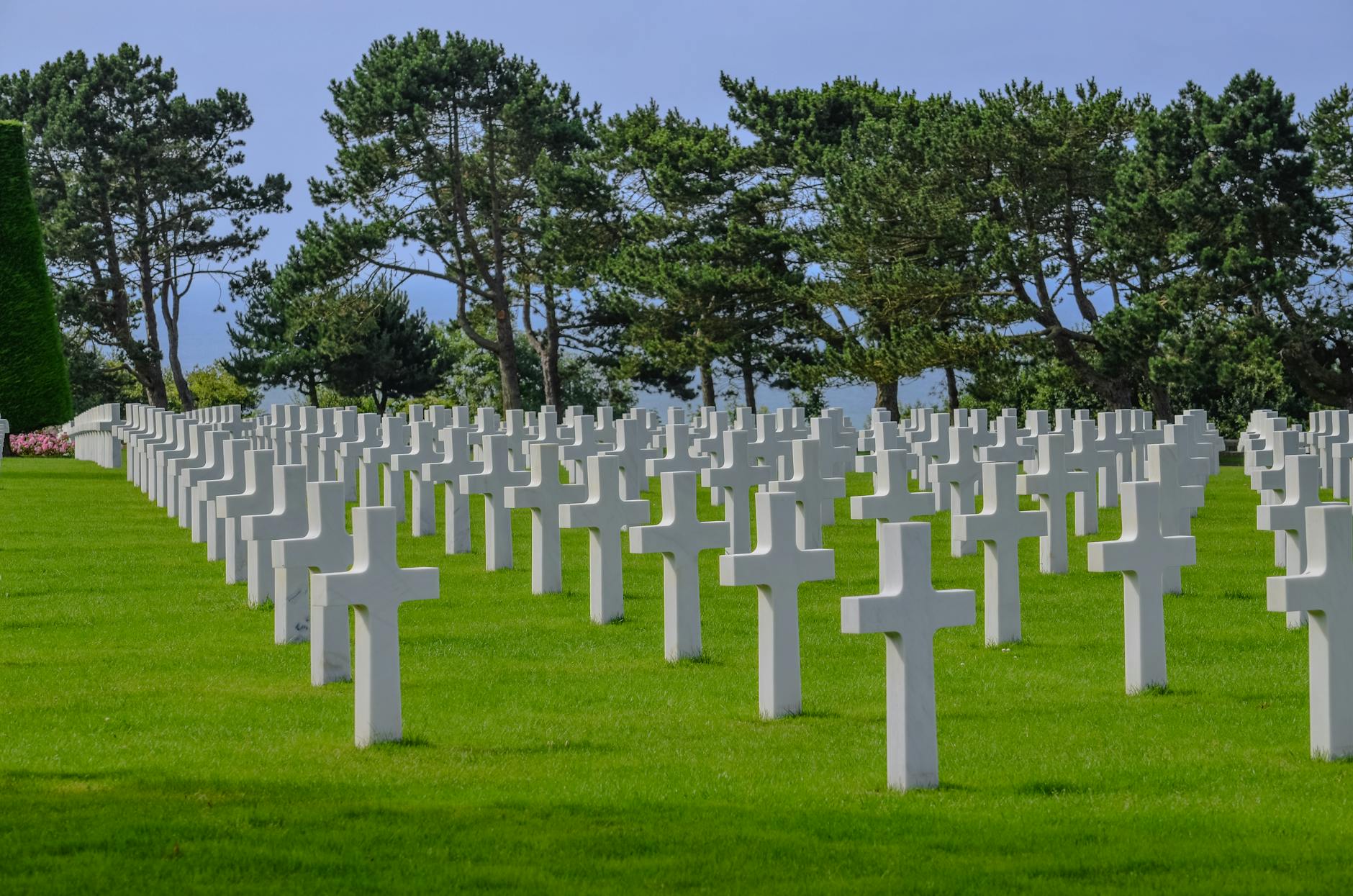
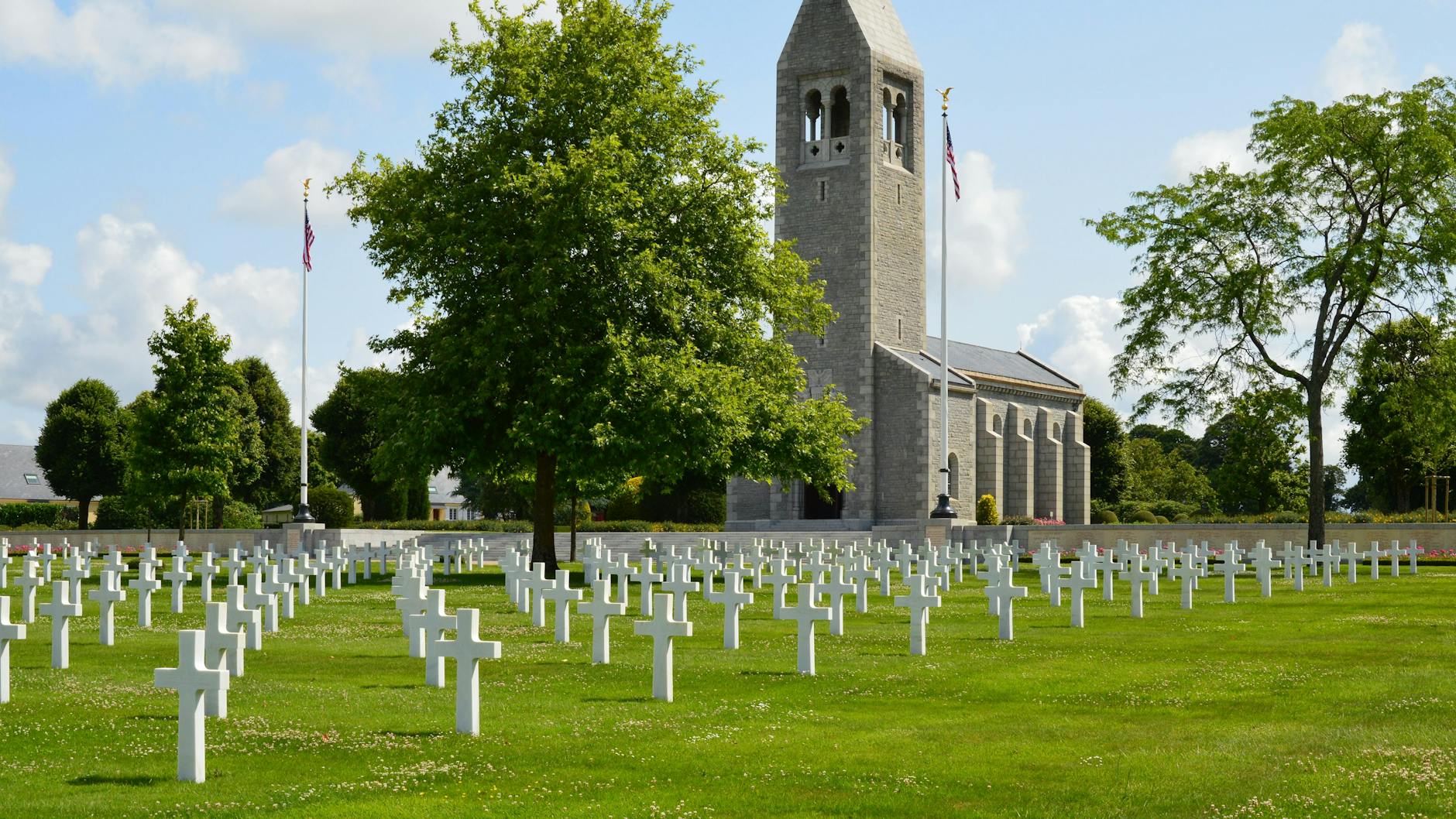
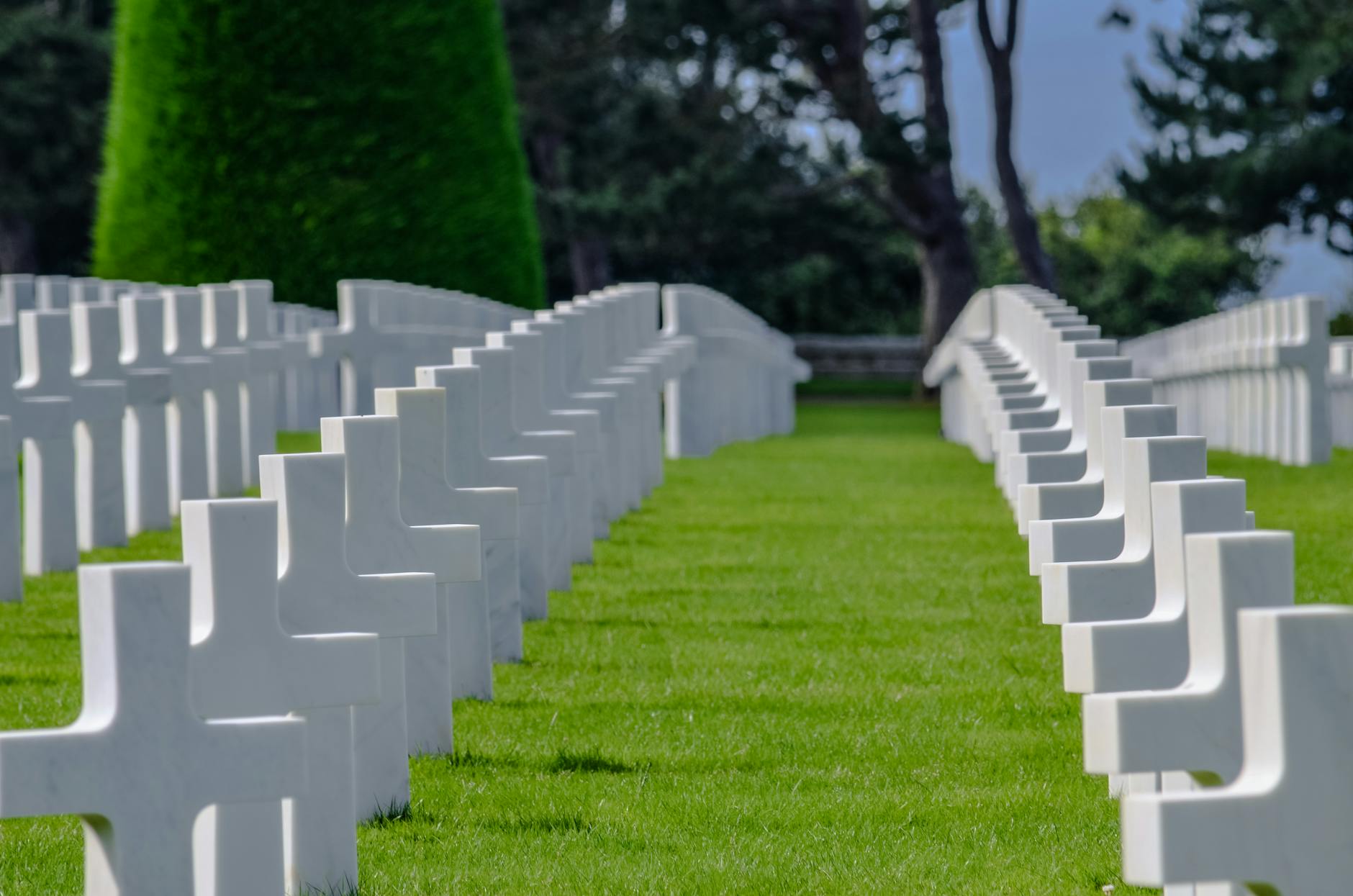
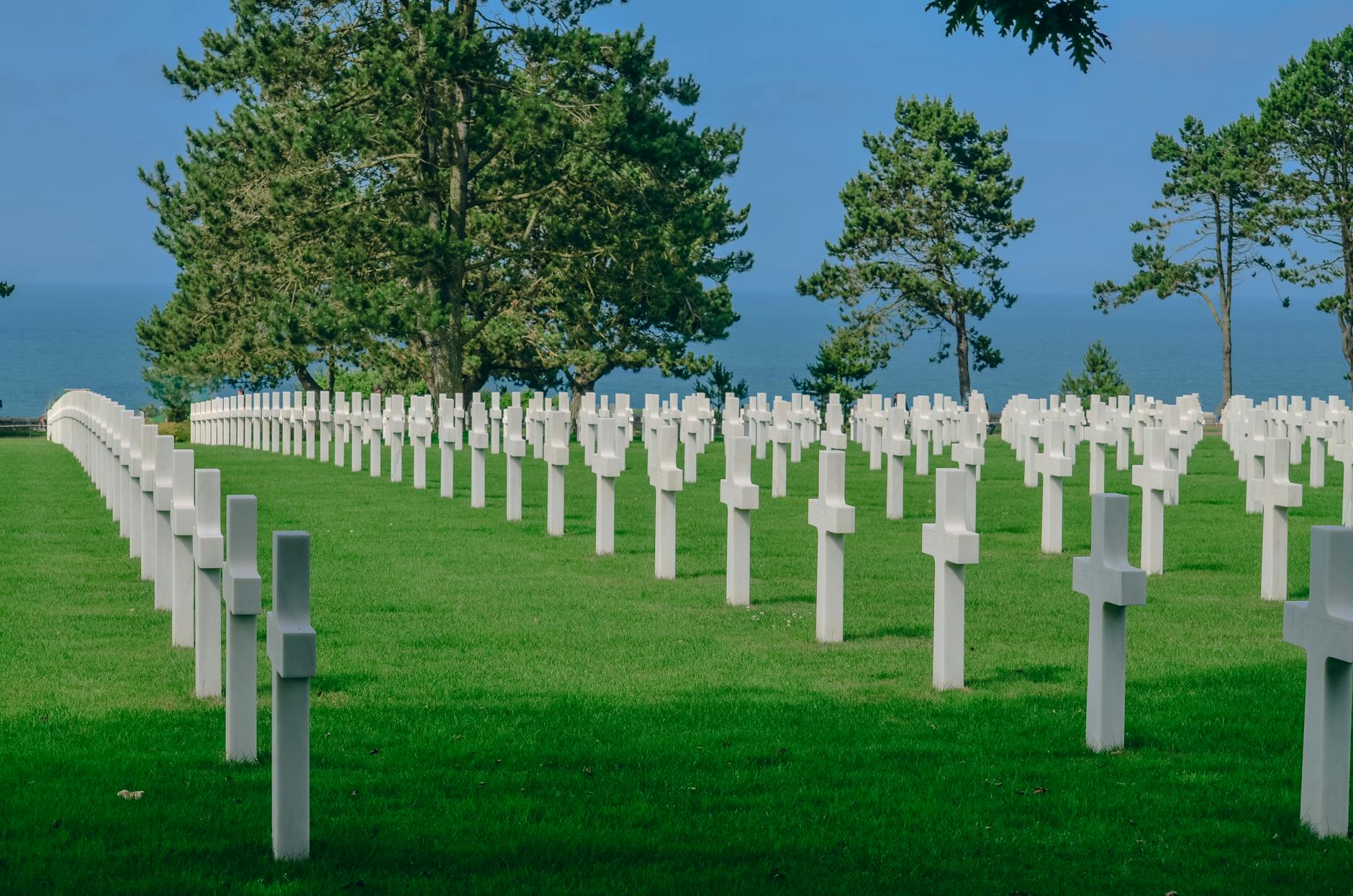
Outside, walk at least a few rows into the graves. Look at the dates. Most are 6 June through 10 June 1944. Notice how many share the same date. Notice how many are 18, 19, 20 years old. The cemetery closes at 5pm in winter, 6pm in summer — do not leave until about 20 minutes before closing when the crowds thin out and the quiet is unbroken.
Getting There — Train From Paris to Bayeux
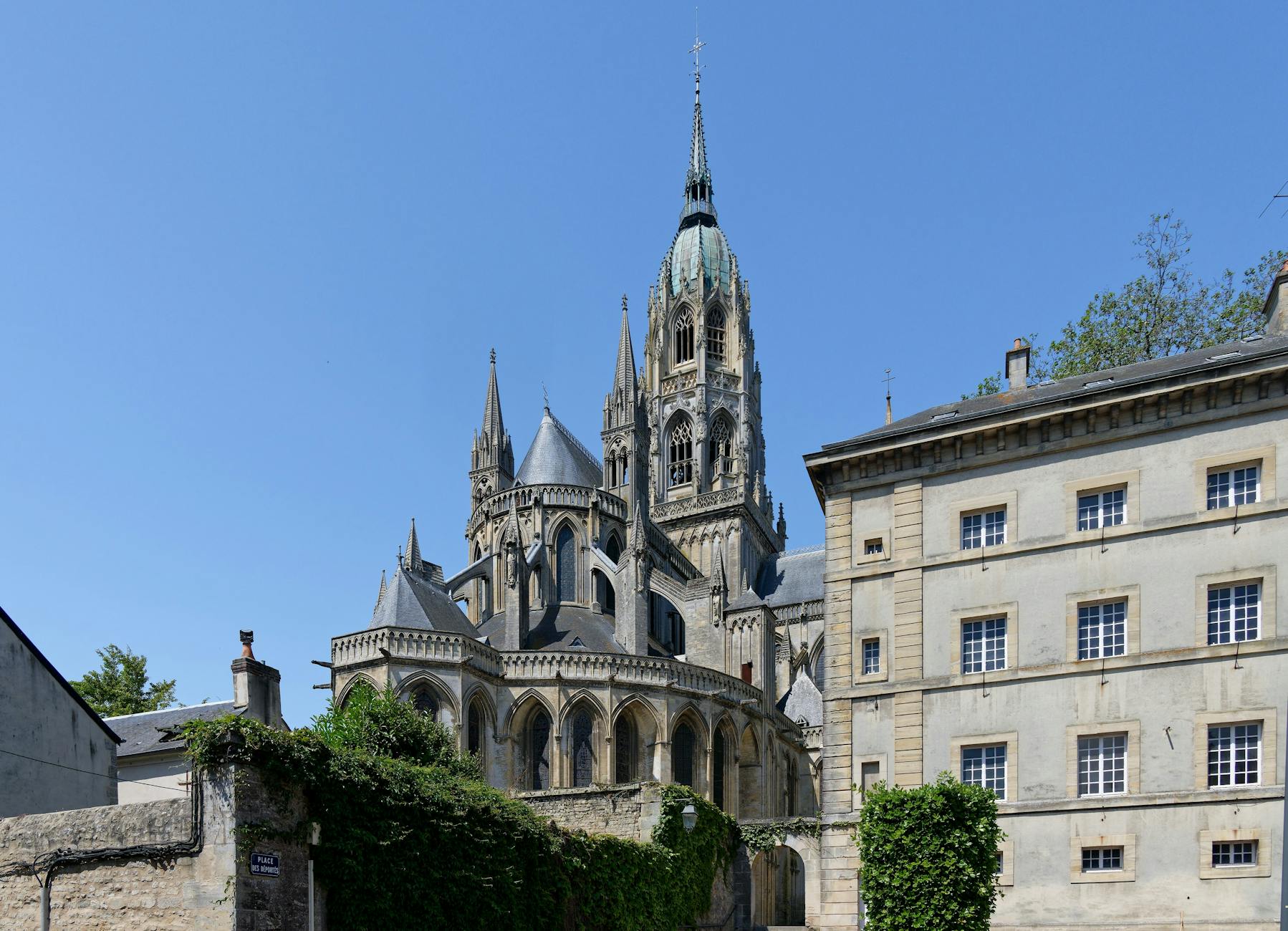
The train to Bayeux is the single best thing about this trip. You leave from Paris Saint-Lazare (an easy metro ride from central Paris), spend 2 hours 15 minutes watching the French countryside roll past the window, and arrive in a medieval town with a Gothic cathedral visible from the train platform. The whole journey is genuinely pleasant, and tickets are cheap if you book ahead — I have paid as little as €28 each way booking 3 weeks out.
Book directly on sncf-connect.com (the official French rail site) or via Trainline if you prefer an English interface. There are 5-6 direct trains per day. The earliest leaves Paris around 7:15am and gets you to Bayeux by 9:30am, which is ideal for starting a half-day tour at 10am.
If you are driving, the route is the A13 autoroute, which is a toll road. The drive from central Paris to Bayeux takes about 3 hours in good traffic, 4+ hours on Friday afternoons or during peak summer. I would not drive unless you have a specific reason to — the train is faster, cheaper, and more relaxing.
Where to Stay in Bayeux (And Why the Town Is Worth It)
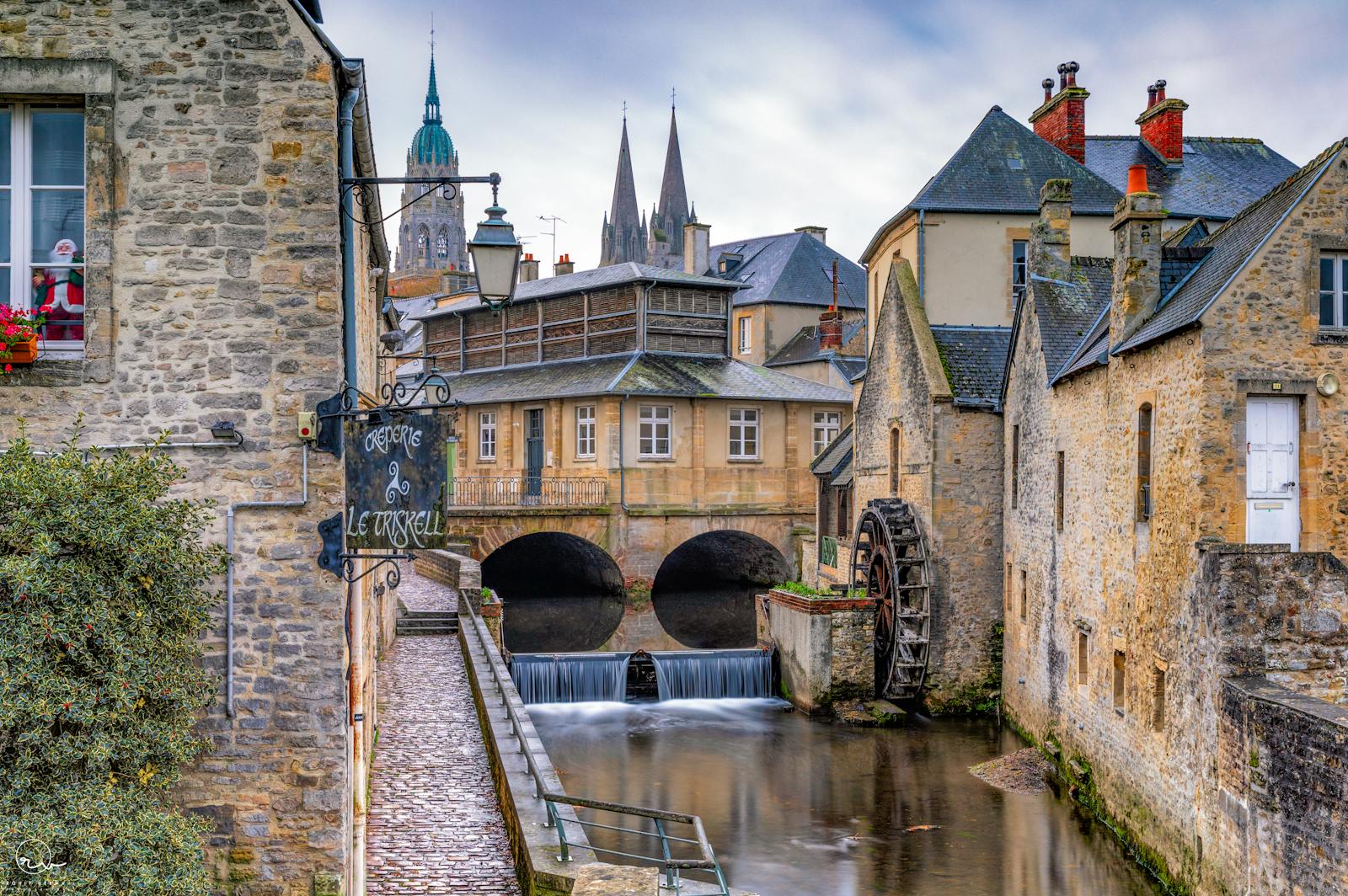
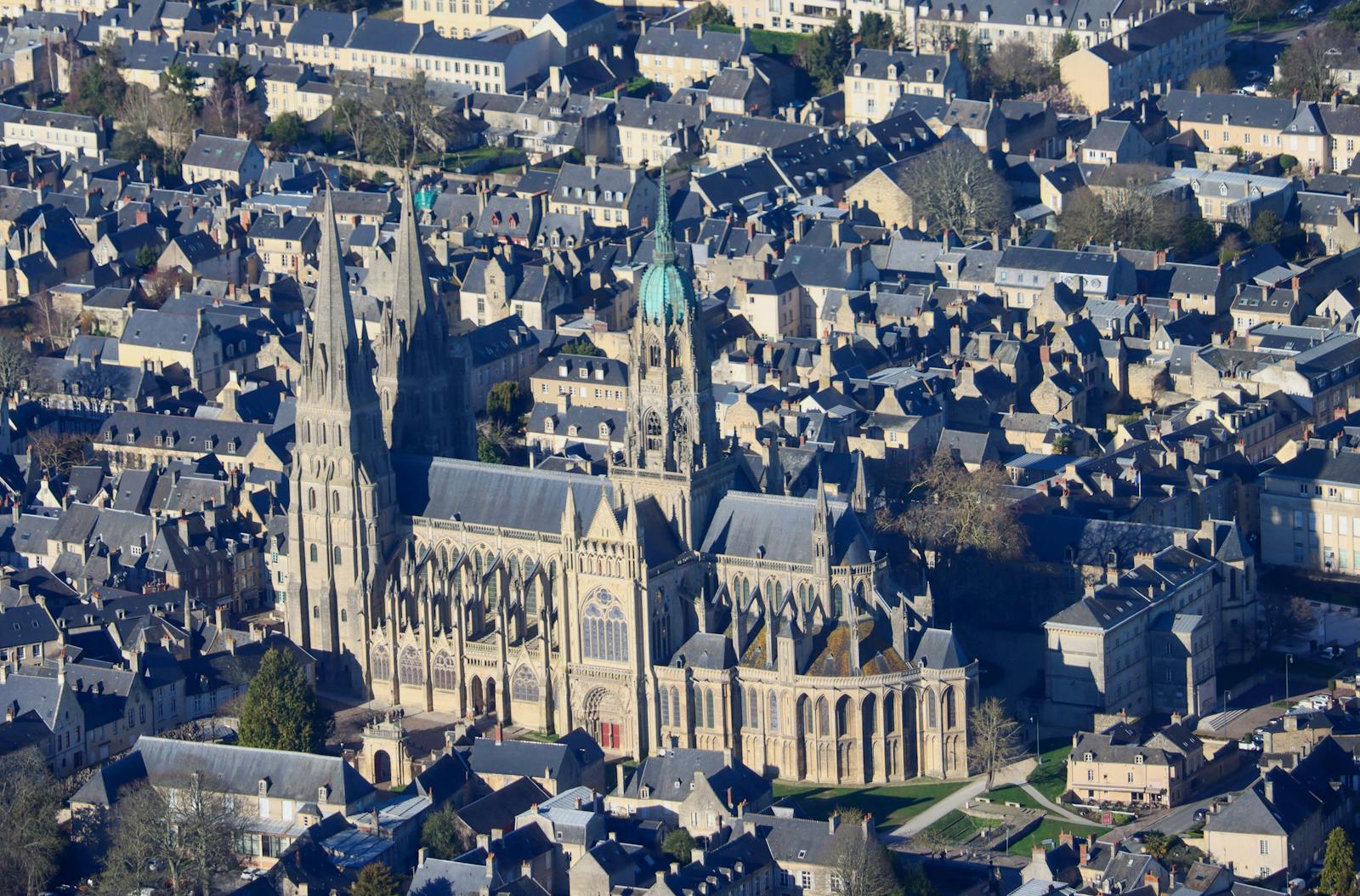
Bayeux has a population of about 13,000, a 900-year-old cathedral, the famous 70-metre-long Bayeux Tapestry (which depicts the 1066 Norman Conquest of England, not D-Day — different war), and a compact old town you can walk across in 20 minutes. It is also basically unchanged since the Middle Ages in some streets, because it was one of the very few Norman towns not damaged in WWII.
For hotels, I have stayed twice at the Villa Lara, which is a boutique hotel directly opposite the cathedral. It is not cheap (~€180+) but the location is unbeatable and the rooms have cathedral views. Mid-range: the Churchill Hotel is classic and comfortable, about €120 a night in a 17th-century building. Budget: the Ibis Budget Bayeux on the edge of town is clean, cheap, and functional if you do not care about charm.
Eat at Au P’tit Bistrot (modern French, tiny, book ahead) or La Rapière (traditional Norman, try the tripe if you are adventurous, try the duck if you are not). For a drink, the bar at the Churchill Hotel has a garden terrace that is perfect on a summer evening.
Which Tour Should You Actually Book? Three Picks
There are about 40 D-Day tour operators running tours of varying quality. I have narrowed it down to three that I would actually send people on without worrying whether they would come back disappointed. Each one solves a different version of the trip.
🥇 Paris: Normandy D-Day Sites Guided Day Trip with Lunch
Price: from ~$117 | Platform: GetYourGuide
This is the one I book for friends who only have one day and are flying back to the States the next morning. Round-trip minibus transport from central Paris, a proper sit-down lunch included (Norman cuisine, real plates, not a takeaway sandwich), and a good mix of sites — usually Pointe du Hoc, Omaha Beach, the American Cemetery, and one other stop depending on the guide. Small-group format, English-speaking guides, and the highest review count of any D-Day tour I could find. The price has barely moved in two years, which tells me they are running it well.
🥈 From Bayeux: American D-Day Sites Half-Day Tour
Price: from ~$141 | Platform: GetYourGuide
This is the tour I would book if you are smart enough to be spending the night in Bayeux. Four hours, pickup at your hotel or the Bayeux train station, and you hit all the American sector highlights — Pointe du Hoc, Omaha Beach, the American Cemetery — without the 6 hours of driving that a Paris day trip needs. Perfect afternoon option: arrive in Bayeux on the morning train, check into your hotel, do this tour in the afternoon, then spend the evening wandering Bayeux before dinner. You can still see the Tapestry the next morning before your train back to Paris.
🥉 Normandy Battlefields Tour — American Sites
Price: from ~$161 | Platform: Viator
If you want to go deeper on the history than a standard tour allows, this is the one. Full day from Bayeux, small group (usually 8 or fewer), and the guides are actual military historians — most have written books on specific aspects of the Normandy campaign. You will hear stories that are not on the plaques: the story of the 2nd Ranger Battalion at Pointe du Hoc, the Higgins boat mechanic who jumped out and rebuilt an engine under fire, the paratroopers who landed in the wrong town and walked 30 miles to rejoin their unit. Worth the extra money if you are a WWII history buff.
Pointe du Hoc — The Most Powerful Site on the Coast
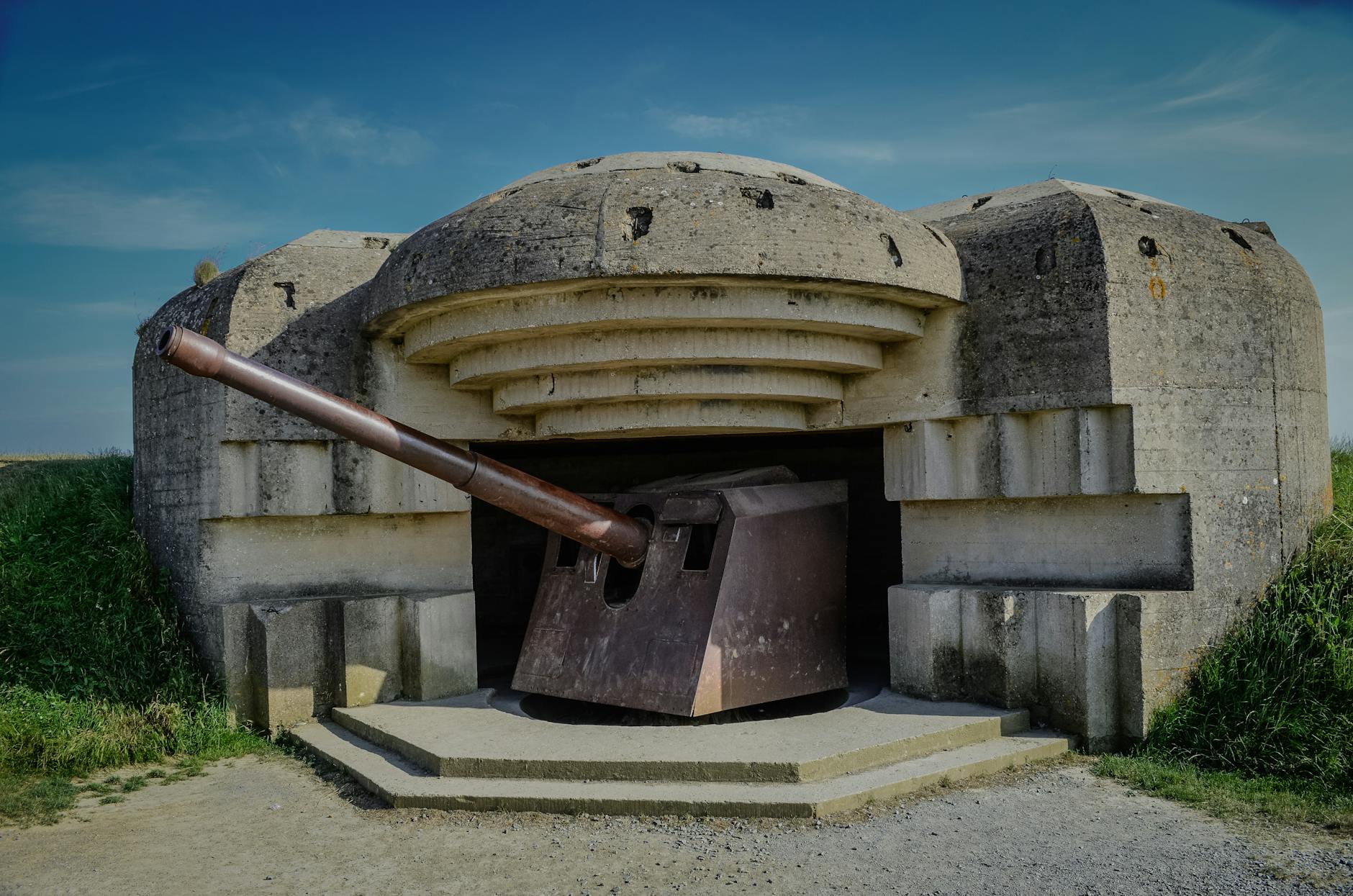
If I had to pick one place on the entire Normandy coast to visit, it would be Pointe du Hoc. Here is why. Most D-Day sites are either beaches or museums — flat, landscaped, interpretive. Pointe du Hoc is still a battlefield. The bomb craters are there, the German bunkers are there, the cliff is there, and a rope is still symbolically embedded in the rock where the Rangers went up.
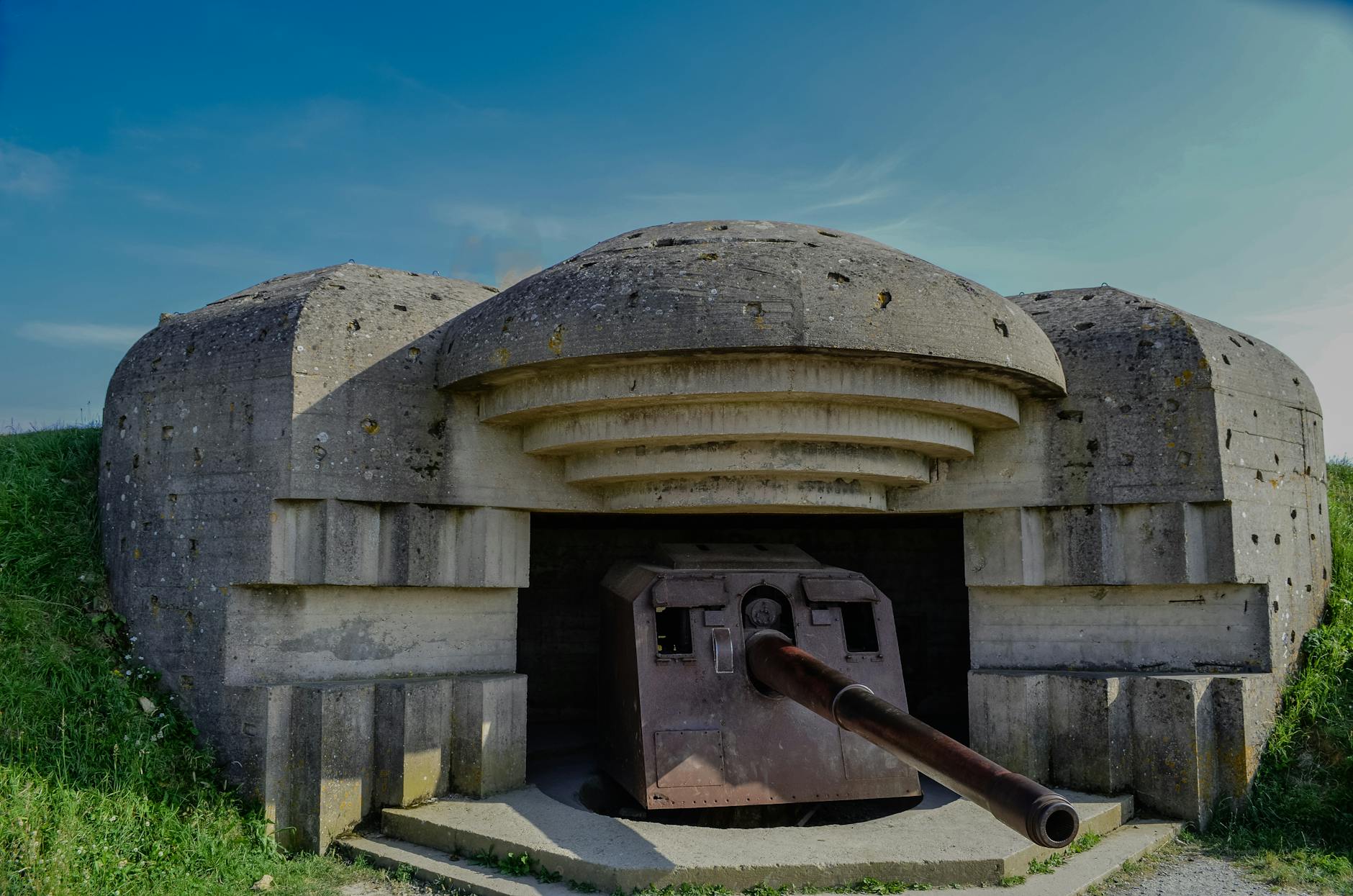
The site is free to enter and open from 9am to 6pm in summer, shorter in winter. There is a small visitor centre at the entrance with a short film. Walk past it, through the gate, and into the field of craters. You can walk right up to the edge of the cliffs. You can climb inside the bunkers (bring a torch, they are dark). You can stand where the guns were supposed to be — and then learn that the Germans had secretly moved them inland the night before, which meant the Rangers risked everything to take a position that had no guns on it.
Budget 90 minutes minimum. You will want more. This is the most emotionally intense spot on the coast for most people, and it rewards slow exploration more than any other site.
The Museums — Which Ones Are Worth Your Time
There are roughly a dozen museums along the D-Day coast. They are not all worth visiting. Here are the ones that are.
Mémorial de Caen is the big one. Located in Caen about 45 minutes east of Bayeux, it is the largest WWII museum in France and easily the best. Budget 3 hours minimum. It covers the whole war, not just D-Day, which gives you context that the beach-specific museums skip. A big part of why day tours from Paris sometimes feel shallow is because they cannot fit Caen in.
Utah Beach Museum is small, free-standing, and located directly on Utah Beach. It has a fully restored B-26 Marauder bomber as its centrepiece — one of only six left in the world. Worth 90 minutes if you are out at Utah anyway.
Overlord Museum at the entrance to the American Cemetery at Colleville is a private collection of D-Day vehicles, including actual tanks and half-tracks. Kids love it. Adult history buffs find it slightly disorganised. 45 minutes is enough.
Bayeux Tapestry Museum is in Bayeux itself and has nothing to do with D-Day — it houses the 70-metre embroidered tapestry from the 11th century. Visit it anyway. It is unlike anything else in Europe, and the audio guide is excellent. 60-90 minutes.
Timing — When to Go and When to Avoid
Peak season is May through August. June is especially busy because of D-Day anniversary events around the 6th — if you visit in the first week of June, book everything 2-3 months ahead or you will struggle to find a hotel in Bayeux. Official commemoration days (major anniversaries like the 75th and 80th) are mobbed.
My favourite times are late September (the crowds are gone, the light is golden, the tour guides are relaxed) and early May (the rapeseed fields are yellow, the weather is usually mild, and the sites are quiet). Winter visits are possible but many museums run reduced hours and the weather at the beaches is brutal — you need a proper windproof jacket.
The worst time is August. Every French family takes their annual holiday in August, most of them go to Normandy, and the roads get clogged. If you must go in August, start early, skip the drive-yourself option, and book tours that use small minibuses instead of coaches.
Should You Rent a Car?
Most people should not. The D-Day sites are spread across a 50-mile coastline, the signage is sometimes in French only, and parking at popular sites gets tight in summer. A guided tour in a minibus is easier for 95% of visitors, and the per-person cost is usually less than a rental car once you include fuel, tolls, and parking.
The exceptions: if you are a serious WWII buff who wants to see sites not on the standard tour circuit (St-Mère-Église, the Merville Battery, Juno Beach Centre), a rental car gives you total flexibility. And if you are travelling with a group of four or more, the per-person maths might favour a rental. Pick it up at Bayeux station (Europcar and Hertz both have desks) and drop it back the same day.
If you do rent: pay for the GPS add-on, and pay attention to the signs about where you can and cannot drive. Some of the smaller coastal roads around Utah Beach are restricted to local traffic in summer. The fines are genuine and not cheap.
What to Bring and What to Wear
Normandy weather is unpredictable even in summer. The Channel is cold, the wind is constant, and a day that starts sunny can turn grey and drizzly by lunchtime. Here is what I always bring.
Layers. A light long-sleeve top, a fleece or light sweater, and a windproof outer shell. Pack these even in July. A sunny day at Pointe du Hoc can drop 10 degrees when the sea breeze picks up.
Proper shoes. Not flip-flops, not ballet flats. You will walk on sand, on gravel, on uneven stones, through damp bunkers with slippery floors. Decent trainers or walking shoes are the minimum. Hiking boots are overkill but not crazy.
A small bag with water and snacks. Most tour stops are in remote coastal villages where food options are limited. If lunch is not included in your tour, bring enough to last until you get back to Bayeux.
A portable phone charger. You will take a lot of photos, use Google Maps between stops, and probably watch some short videos along the way. A dead phone halfway through the day is a trip-killer.
How to Handle the Emotional Weight
This is not a normal tourist trip. The American Cemetery has 9,388 graves. The German Cemetery at La Cambe has 21,222. The statistics are overwhelming on their own, and seeing them in person makes it worse. I have seen grown men cry at the edge of the cemetery lawn. I have cried myself.
A few tips for managing it. One: do not try to visit all the cemeteries in one day. Pick one, stay longer, and let yourself feel it. Two: the cemetery visitor centres have an important role — they give you stories to attach to the names, which paradoxically makes the experience easier to process because it turns numbers into people. Three: do not rush the next site. Give yourself time to decompress between emotional sites. If that means skipping one stop on the tour, skip it.
And: bring a friend or a partner if you can. This is not a trip I would do alone and recommend, though lots of people do. Having someone to talk to at dinner makes a real difference.
Combining Normandy With Other Destinations
If you are already spending a night in Bayeux, here are some nearby add-ons worth considering.
Mont Saint-Michel is about 90 minutes southwest of Bayeux by car. It is the other iconic Normandy site, and some multi-day tours from Paris bundle both. If you have three days, split them: one on D-Day, one on Mont Saint-Michel, one on Honfleur or Étretat. Do not try to do Mont Saint-Michel and D-Day in the same day. It is technically possible and universally regretted.
Honfleur is a pretty harbour town about an hour east of Bayeux. It is the Normandy postcard town — painted boats, slate-tiled houses, seafood restaurants. Worth half a day if the weather is good. Pair it with Étretat (the white cliffs famously painted by Monet) for a full day of coastal scenery that has nothing to do with WWII.
Caen itself is 30 minutes east of Bayeux and worth a day for the Mémorial museum and William the Conqueror’s castle. It is less picturesque than Bayeux but the museum is the single best WWII museum in France.
Food Along the Way — What to Actually Eat
Normandy has three things it is genuinely famous for in French food terms: dairy (butter, cream, camembert cheese), cider (the local apple cider, both hard and soft versions), and seafood (mussels, oysters, scallops from the Channel). If you leave Normandy without trying all three you did it wrong.
Standard lunch order on a D-Day tour day: moules-frites (mussels and fries), a glass of local cider instead of wine, and a slice of camembert from a cheeseboard for dessert. Total cost at a coastal village restaurant: €18-25.
Upscale lunch, if you have time: a sit-down meal at a restaurant with a view of the Channel. La Marine in Arromanches, Le Petit Jardin in Bayeux, and La Rapière (also Bayeux) are all reliably excellent. Book ahead in summer or expect to wait.
Normandy’s most famous drink is Calvados, an apple brandy aged in oak. It is not for everyone — it tastes like sharp, smoky apple juice with a kick — but trying a small glass at least once is a Normandy tradition. The locals drink it between courses as a “trou normand” (Norman hole) to clear the palate. It works, sort of.
Visiting With Kids — What Works and What Does Not
This is a trip that works better with older kids than younger ones. My rough rule: under 8, skip it. 8-12, it depends on the child. 13 and up, this is one of the most valuable educational trips you can do in Europe.
What works with kids: Pointe du Hoc (they can climb in the bunkers and craters, which makes it feel like a real adventure), the Utah Beach Museum (hands-on exhibits and the actual B-26 bomber), and the Overlord Museum (tanks and vehicles they can get close to). The cemeteries are important but emotionally heavy — prep the kids for what they will see before you go in.
What does not work: long drives in a tour bus (bored kids are miserable kids), rapid-fire history lectures, and sites where they are told to be quiet for extended periods. A private guide is worth the money if you are travelling with children — they can pace the day to suit kids, skip sites that are not working, and lean into the parts that are.
Photography — What Actually Photographs Well
Normandy is a beautiful place to photograph, but the good shots are not always the obvious ones. The cemetery photos that go viral on social media are usually the wide shots from the main memorial looking out across the rows — those are fine but cliché. The better shots are low angles along a single row, or individual detail shots of one cross with a fresh flower placed by a visitor.
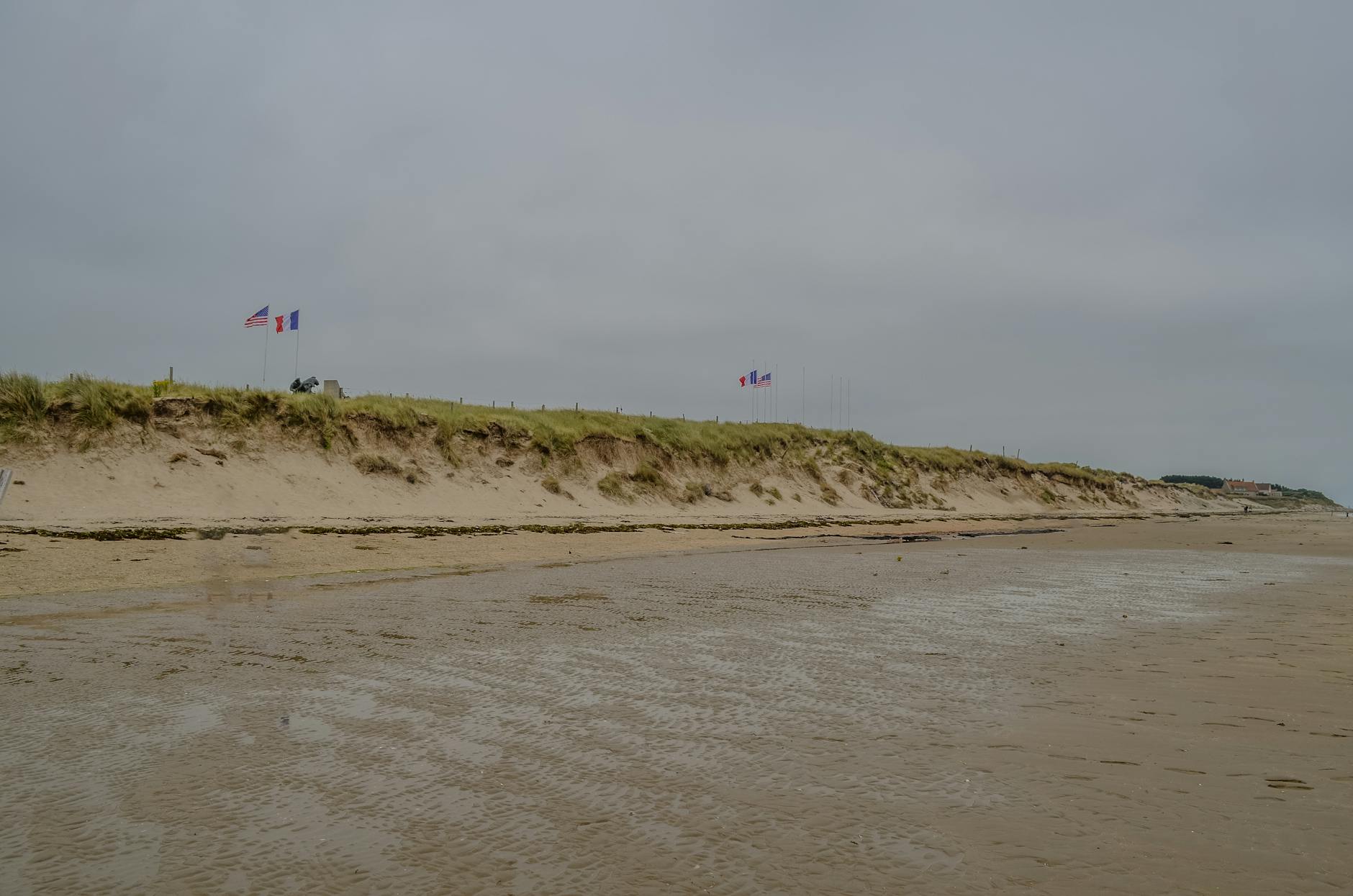
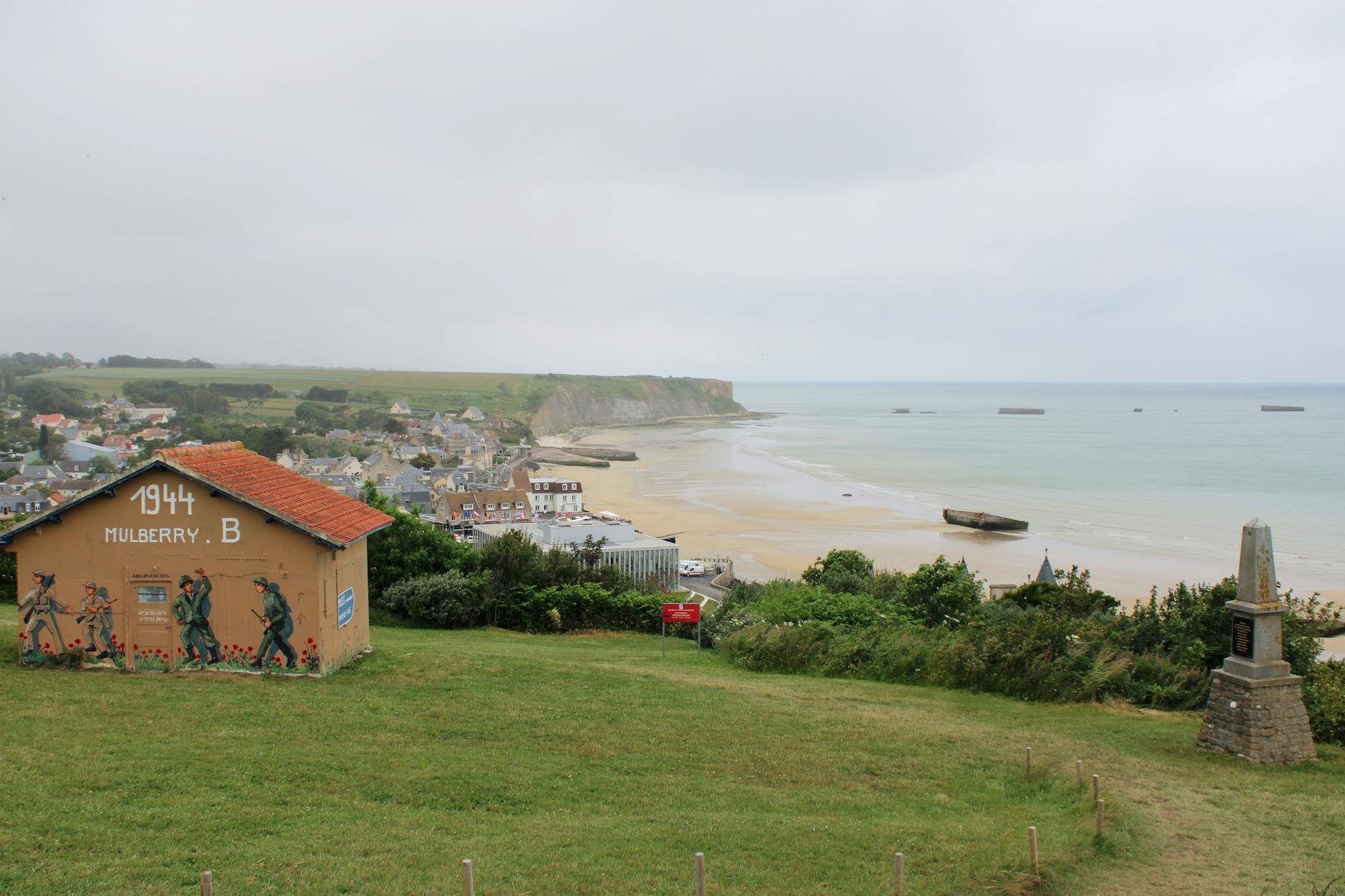
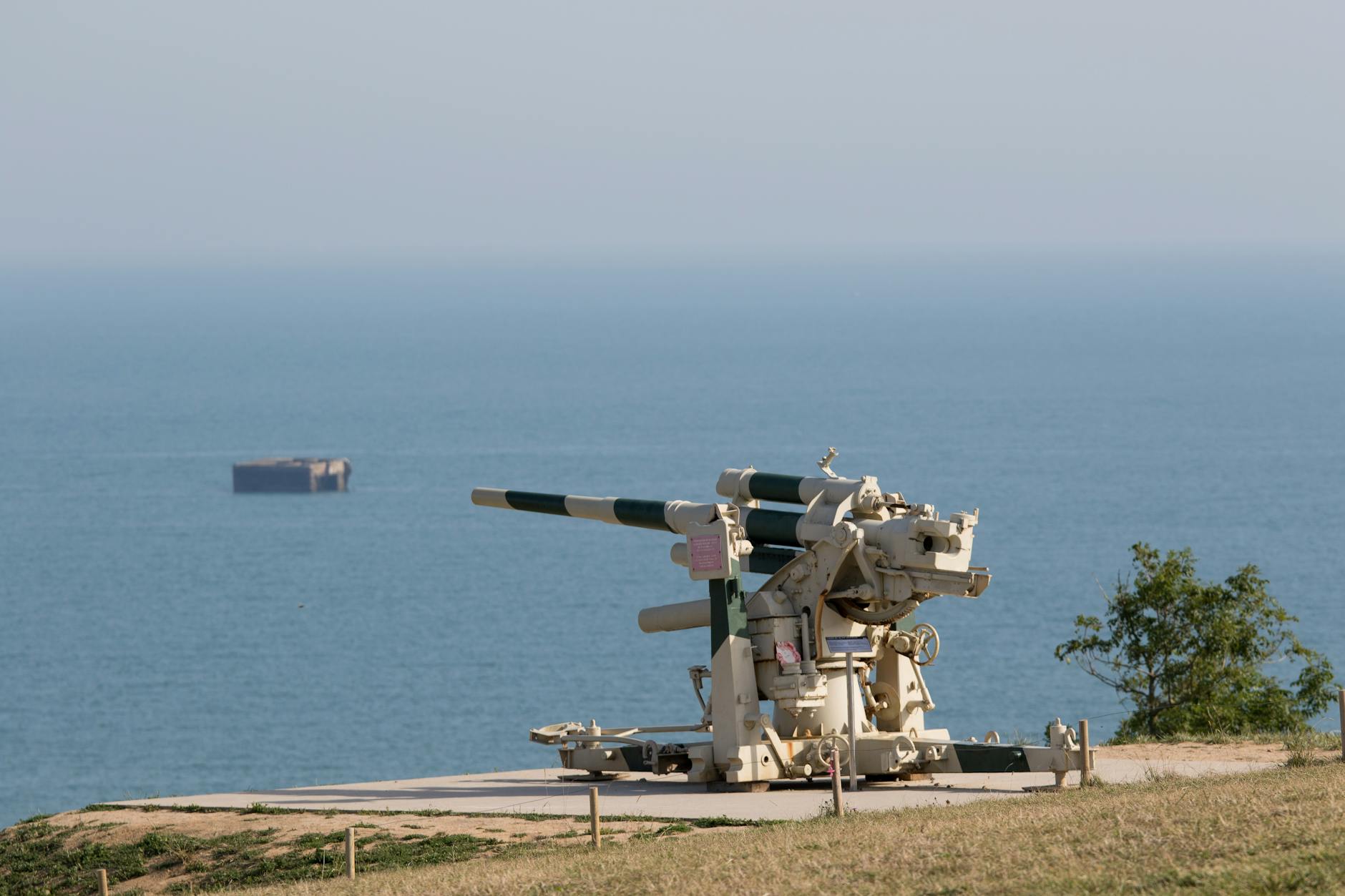
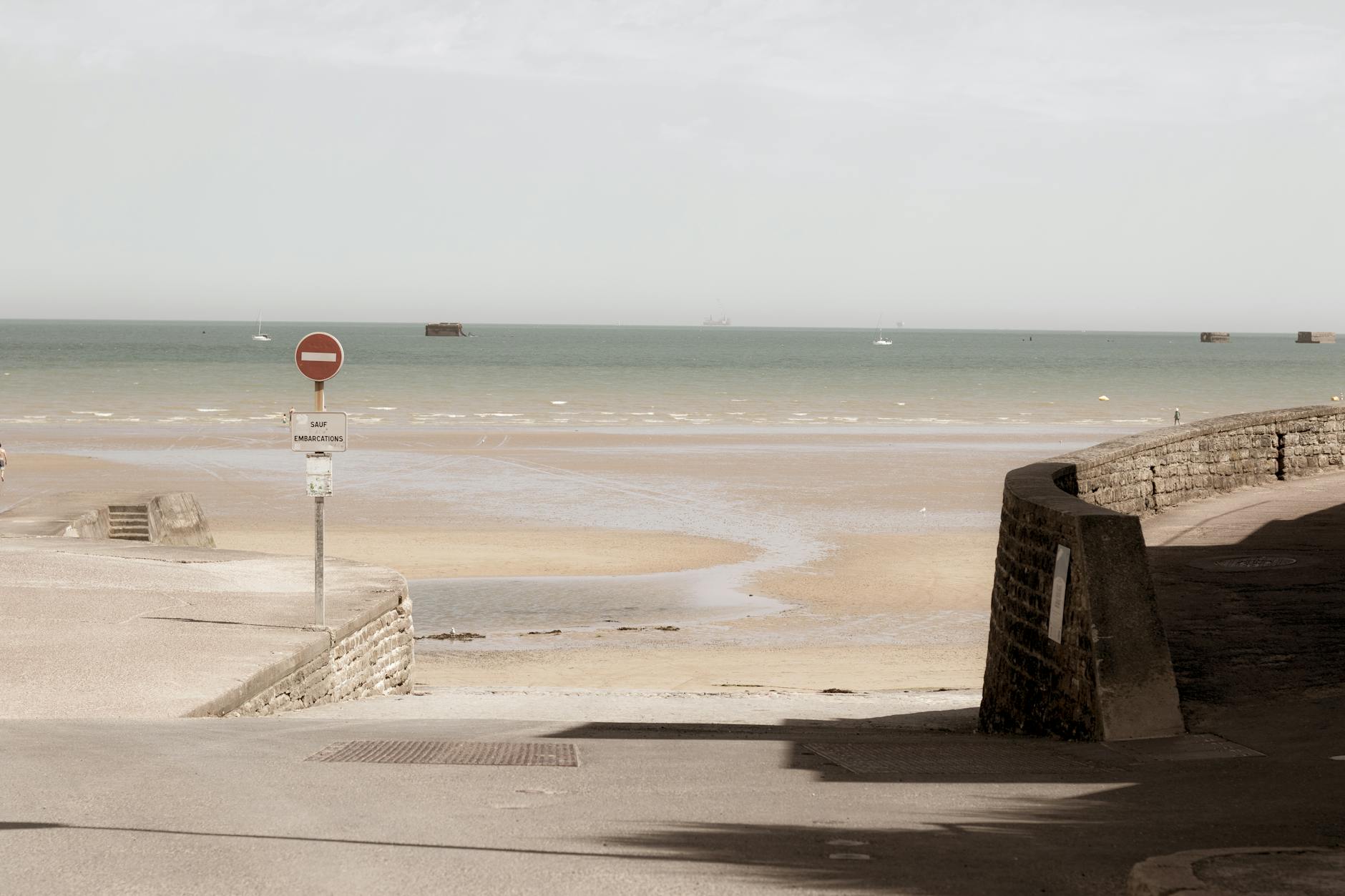
At Pointe du Hoc, the best photos are from inside the bomb craters looking up, not from the top looking out. At Omaha Beach, shoot from the water’s edge looking back toward the cliffs — that was roughly the soldiers’ view on the morning of 6 June. At Arromanches, the Mulberry harbour remains photograph well at low tide when they are half-exposed and look skeletal.
Best light: early morning (very few tour buses arrive before 10am) or late afternoon at the cemetery (the white crosses glow in the low sun). Avoid midday overhead sun — the shadows are harsh and the crosses look flat.
What to Read Before You Go
You will get much more out of this trip if you have some context before you arrive. Here is the short list of things I recommend.
“D-Day” by Antony Beevor is the standard one-volume history. Long but readable, covers the landings and the campaign that followed through August 1944. Start here.
“Band of Brothers” by Stephen Ambrose is the book that became the HBO series. It follows one American paratrooper company (Easy Company, 506th PIR) from training through the end of the war. The Normandy chapters are the most vivid account of the airborne side of D-Day I have read.
“The Longest Day” by Cornelius Ryan is older (1959) but still the best single-day narrative of D-Day. Based on hundreds of veteran interviews. The 1962 film based on it is also excellent if you prefer to watch rather than read.
If you only have time for one thing: watch the first 20 minutes of “Saving Private Ryan” before you go. The Omaha Beach landing sequence is the most accurate dramatic portrayal of the landing ever filmed, and the geography it shows is still there when you arrive. Seeing it on screen first makes the real place land harder when you are standing on it.
Common Mistakes I See People Make
Trying to see both Normandy and Mont Saint-Michel in one day from Paris. I have already said this but it bears repeating. Mont Saint-Michel is 90 minutes from Bayeux and 5 hours from Paris. Adding it to a D-Day day trip means 10+ hours in a vehicle. Do not do it.
Booking the cheapest coach tour. Large coach tours with 40+ people move slowly, spend longer at each stop (because unloading 40 people takes time), and feel rushed once you are there. Pay the extra $40-60 for a small-group minibus tour. You will see more and enjoy it more.
Skipping the visitor centre at the American Cemetery. People walk straight through it to the graves. Do not. The visitor centre is where you get the stories that make the graves meaningful. Allocate 45-60 minutes for it before you walk out onto the lawn.
Dressing for Paris instead of the coast. It is always colder and windier at the beaches than in Paris. Check the forecast for Bayeux or Caen, not Paris, and pack a real jacket even in July.
A Typical Overnight Itinerary — What I Actually Do
Here is the two-day plan I recommend to friends. It is the one I have done twice now and it works.
Day 1 — Paris to Bayeux. Catch the 8:30am train from Paris Saint-Lazare to Bayeux. Arrive at 10:45am. Drop bags at your hotel (most hotels will store bags even before check-in). Walk to the Bayeux Tapestry Museum, spend 90 minutes there. Lunch at Au P’tit Bistrot or La Rapière. Meet your half-day American D-Day Sites tour at 2pm. Back in Bayeux by 6pm. Shower, dinner, bed.
Day 2 — Bayeux to Paris. Early start. Optional: visit the Bayeux Cathedral at opening (8:30am, free, empty). Second half-day tour at 10am — this one can cover Pointe du Hoc in more depth plus the Mémorial de Caen if you book the right tour. Back in Bayeux by 3pm. Quick lunch. Catch the 4:45pm train back to Paris, arriving at Saint-Lazare at 7pm.
That itinerary covers all the major D-Day sites properly, gives you time at the Bayeux Tapestry (which is genuinely important and completely unrelated to D-Day — it is the oldest comic strip in Europe), and gets you back to Paris in time for dinner. Total cost including hotel, food, tours, and trains: around $550-700 per person depending on your hotel choice.
More Paris and Normandy Planning on The Abroad Guide
If Normandy is one stop on a longer France trip, a few other guides on The Abroad Guide will round out your planning. Our Eiffel Tower tickets guide covers the timing tricks that separate a 90-minute queue from a 10-minute stroll into the lift — I recommend doing Normandy first and the Eiffel Tower on your return evening in Paris. The Louvre tickets guide pairs well with Normandy because both are emotionally heavy (for different reasons) and you will want a contrast day in between.
For day-trip lovers, the Versailles from Paris guide is the other big excursion most travellers try to fit in — and it is much easier to combine with Normandy than Paris itself, since Versailles can be done in an afternoon. If you still have energy after D-Day, the Arc de Triomphe guide explains why the rooftop view from the Arc is the most underrated monument experience in Paris.
Final Thoughts — Is Normandy Worth It?
Yes. It is one of the most meaningful trips you can do in Europe, and it is also one of the easiest logistical trips once you understand the Bayeux overnight trick. The day trip from Paris is fine if time is tight, but the overnight is objectively better and only costs an extra day and maybe $150 for a hotel room.
The thing you are really paying for is context. The beaches are just beaches. The cemeteries are just cemeteries. What makes them meaningful is the knowledge of what happened there — and you can only acquire that knowledge through a combination of reading beforehand, a good guide on the ground, and the time to sit with the places once you are there. A rushed trip without any of those three things will leave you wondering what the fuss was about. A slow trip with all three is unforgettable.
Book the best tour you can afford. Spend the night in Bayeux. Bring tissues. Do not rush the cemetery. Stay later than you planned at Pointe du Hoc. And when you get back to Paris, raise a glass of something strong to the people whose names you just read on the crosses.
FAQ — Short Answers to the Questions I Get Most
How long is the drive from Paris to Normandy? About 3 hours to Bayeux in normal traffic, 3.5-4 hours to the beaches themselves. The train from Paris Saint-Lazare to Bayeux is 2 hours 15 minutes and much more comfortable than driving.
Can I do Normandy as a day trip from Paris? Yes, but it is a 14-hour day and you will only see 3-4 sites. The better version is overnighting in Bayeux and doing half-day tours from there.
Do I need to speak French? No. All the major museums have English signage, the tours are in English, and tourism in Bayeux is English-friendly. A few words of polite French at restaurants (bonjour, merci, l’addition s’il vous plaît) go a long way but are not required.
Is the American Cemetery free? Yes. It is operated by the American Battle Monuments Commission and there is no entrance fee. Same for Pointe du Hoc. The museums charge admission (typically €8-15).
What time does the cemetery open and close? 9am to 5pm in winter, 9am to 6pm in summer. Closed Christmas Day and New Year’s Day. The visitor centre closes 30 minutes before the cemetery gates.
Can I visit graves of specific relatives? Yes. The American Battle Monuments Commission website has a searchable database of all burials. You can request the location of a specific grave at the visitor centre on arrival and the staff will help you find it. This is free and they handle it with genuine care.
How emotional is this trip really? Very. Be prepared for it. Bring tissues. Do not be surprised if you need a quiet hour at dinner to process what you have seen.
What is the best single tour to book if I can only do one? The Paris GetYourGuide day trip with lunch (my top pick above) is the best all-round option if you only have one day. If you can swing two days, the Bayeux half-day tour is a better experience.