Planning a trek in Nepal often means choosing between the well-trodden Annapurna or Everest circuits. But if you’re craving something off the beaten path—less crowded, more authentic, and filled with breathtaking scenery—the Manaslu Circuit could be your perfect adventure. This 13-day trek, organized by NBM Travel Company, promises a journey through remote villages, stunning mountain views, and high-altitude challenges that will push your limits and reward you with memories few have experienced.
From the moment you start your drive from Kathmandu to Machha Khola to the exhilarating crossing of Larkya La Pass, every step offers something unique. We love the variety—ever-changing landscapes, local culture, and the sense of remoteness that makes this trek feel truly special. One thing to consider, though, is that the trek is physically demanding and requires good acclimatization. It’s mainly suited for experienced hikers or those prepared for a challenge. If you’re after a meaningful, less touristy trek that combines adventure with cultural discovery, this is a worthwhile option.
- Key Points
- Analyzing the Trekking Itinerary
- Day 1: Kathmandu to Machha Khola
- Day 2: Machha Khola to Jagat
- Day 3: Jagat to Deng
- Day 4: Deng to Namrung
- Day 5: Namrung to Lho
- Day 6: Lho to Samagaon
- Day 7: Acclimatization at Samagaon
- Day 8: Samagaon to Samdo
- Day 9: Samdo to Dharmasala
- Day 10: Cross Larkya La Pass and descend to Bimthang
- Day 11: Bimthang to Goa
- Day 12: Goa to Dharapani
- Day 13: Return to Kathmandu
- What Makes This Trek Special
- Practical Considerations
- Who Is This Trek Best For?
- Final Thoughts
- FAQ
- Final Words
- The Best Of Asia!
- More Hiking & Trekking Tours in Asia
- More Guided Tours in Asia
- More Tour Reviews in Asia
- Not for you? Here's more nearby things to do in Asia we have reviewed
Key Points
 1 / 4
1 / 4 2 / 4
2 / 4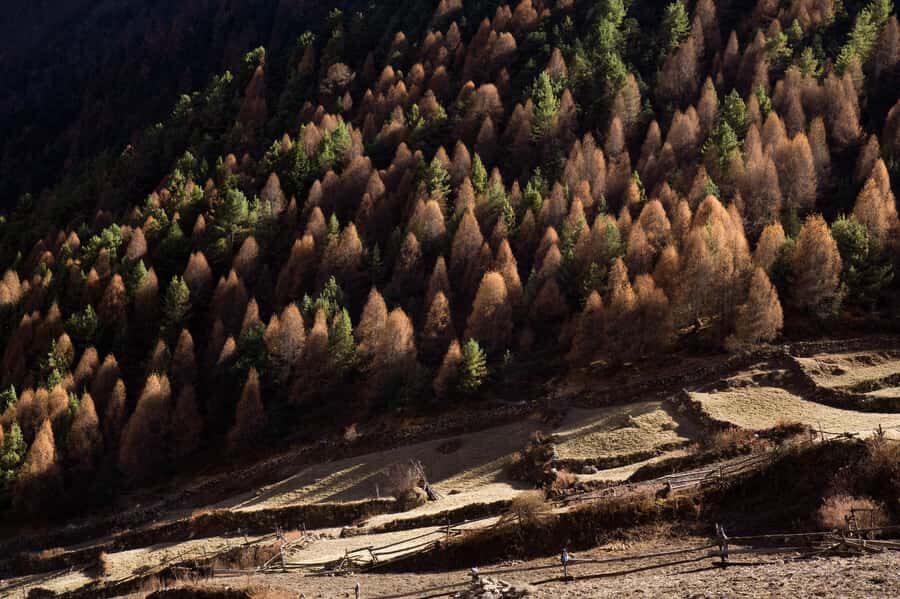 3 / 4
3 / 4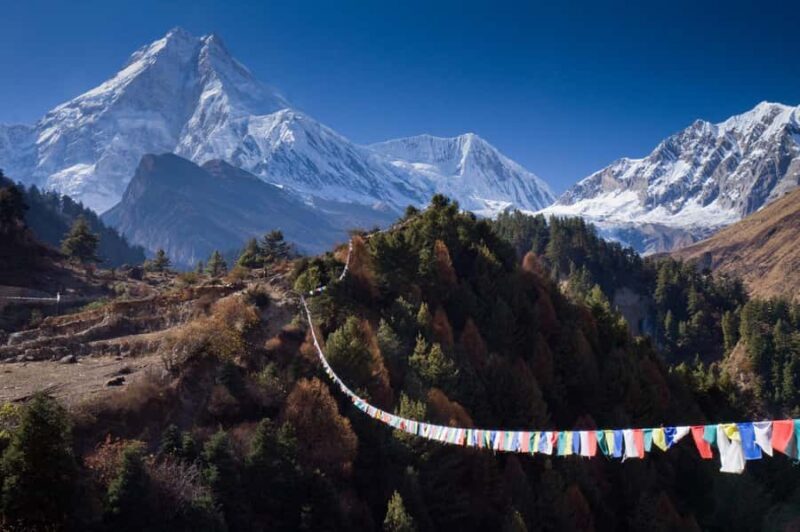 4 / 4
4 / 4- Diverse landscapes: From lush forests to high alpine glaciers, the scenery keeps changing.
- Cultural immersion: Experience local Nubri and Tsum traditions in authentic mountain villages.
- High-altitude challenge: The Larkya La Pass at 5,160 meters tests your endurance.
- Well-planned itinerary: Structured with acclimatization days and a mix of trekking and rest.
- Authentic accommodations: Stay in family-run teahouses with local dishes.
- Guided support: Knowledgeable guides speaking multiple languages ensure safety and insight.
👉 See our pick of the The Top 15 Tours In Asia
Analyzing the Trekking Itinerary
The Manaslu Circuit is a well-rounded trek that balances challenging ascents with cultural insights. Let’s walk through what you and your fellow adventurers can expect each day, highlighting key points and potential pitfalls.
You can also read our reviews of more guided tours in Asia
Day 1: Kathmandu to Machha Khola
Your adventure begins with an 8 to 10-hour drive from Kathmandu. The route takes you through winding mountain roads and scenic countryside, setting the tone for what’s ahead. The drive is long but worthwhile, with views of terraced fields and rural villages. Expect a rougher ride as the roads are mostly narrow and sometimes bumpy, but the anticipation of the trek keeps spirits high.
Day 2: Machha Khola to Jagat
A solid 6 to 7 hours of trekking takes you along rivers and through forests to the village of Jagat at 1,340 meters. This first day introduces you to the lush subtropical environment and sets your pace for acclimatization. Reviewers mention that “the trail is manageable but scenic enough to keep you motivated”, with some noting the peaceful riverside camps.
Day 3: Jagat to Deng
Another 6-7 hours of walking leads you into more rugged terrain at 1,860 meters. The trail becomes steeper and more exposed, with rocky sections and small streams. Many appreciate the challenge, with one noting “the ascent is gradual but steady, and the views start to open up.” It’s a good day to observe the local Tsum culture taking shape.
More Great Tours NearbyDay 4: Deng to Namrung
This 7-8 hour trek takes you higher into the mountains, reaching 2,630 meters. The route passes through forests and small villages, giving you a taste of rural mountain life. The ascent is more demanding but offers rewarding vistas of Himalayan peaks. Expect to see a mix of traditional houses and local farming scenes. Reviewers highlight the “beautiful scenery and the chance to spot wildlife along the trail”.
You can also read our reviews of more hiking tours in Asia
Day 5: Namrung to Lho
A shorter, 3-4 hour walk to Lho at 3,180 meters allows for better acclimatization. The village is notable for its Tibetan-influenced architecture and the panoramic views of Manaslu. Many express appreciation for how this day helps prepare your body for the higher passes. “The scenery just keeps getting better,” one comment reads.
Day 6: Lho to Samagaon
A similarly manageable 3-4 hours, this stretch takes you to Samagaon at 3,520 meters. The landscape becomes more alpine, with striking mountain views around every corner. The sense of remoteness is already strong here, and the local culture feels authentic, untouched by mass tourism.
Day 7: Acclimatization at Samagaon
This day is dedicated to altitude acclimatization. Many choose to trek to Manaslu Basecamp and back, which takes about 7-8 hours. This helps your body adjust and prepares you for the Larkya La crossing. Comments often mention the importance of this day, with some noting “it’s a vital step to avoid altitude sickness.”
Day 8: Samagaon to Samdo
A gentle 3-4 hour trek to 3,875 meters, where the landscape opens into barren, wind-swept plains. The views of Manaslu and the surrounding peaks are breathtaking. Some reviews mention the “almost surreal silence” and the stark beauty of the high-altitude terrain.
Day 9: Samdo to Dharmasala
This section involves a 4- to 5-hour walk to Dharmasala at 4,460 meters. The trail is challenging but manageable, with many appreciating the “dramatic mountain vistas”. The village offers a quiet stay, with basic but warm accommodations.
Day 10: Cross Larkya La Pass and descend to Bimthang
This is the big day—the 8 to 9 hours crossing the Larkya La Pass at 5,160 meters. The climb is steep but rewarding, with the panorama of peaks making the effort worth it. Many hikers love the sense of achievement and the stunning views at the summit. The descent to Bimthang offers dramatic glacier views and rugged terrain. Reviewers point out that “this is the highlight of the trek, a true test of stamina and determination.”
Day 11: Bimthang to Goa
Walking 5-6 hours downhill, you’ll reach Goa at 2,515 meters. The change in scenery from the high pass to lush green valleys is striking. It’s a day of recovery and enjoying the peaceful surroundings—many mention the “refreshing downhill trek after the high altitude crossing.”
Day 12: Goa to Dharapani
A shorter 3-4 hour trek brings you to Dharapani at 1,963 meters. The trail winds through forests and small villages, offering a tranquil end to your trekking days. Many appreciate the chance to reflect on the journey so far.
Day 13: Return to Kathmandu
The final part involves a 10-12 hour drive back to Kathmandu via Besisahar. It’s a long day, but it gives you time to process all you’ve seen and experienced. Reviewers often say it’s a fitting end to an adventure of a lifetime.
What Makes This Trek Special
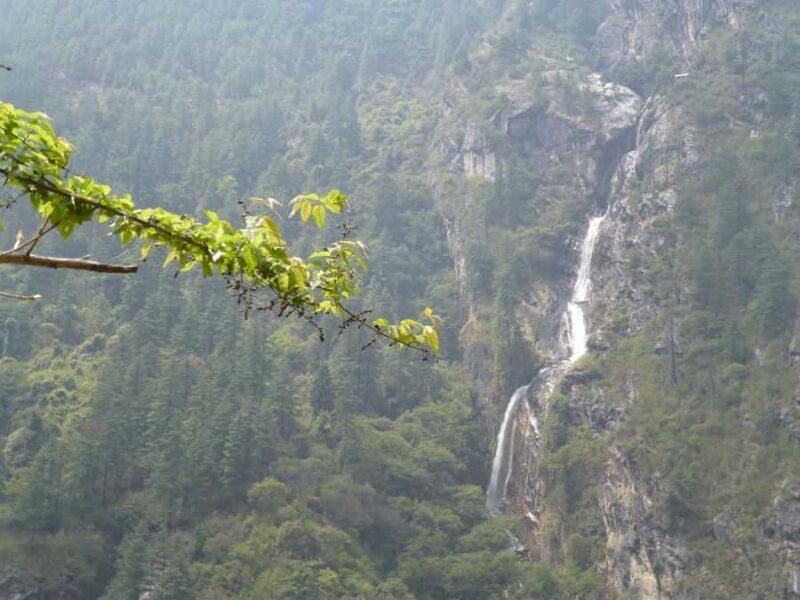
The landscapes are genuinely diverse, ranging from subtropical forests to high alpine glaciers. The trek’s remote nature means fewer crowds, giving you a sense of authentic mountain life. Many reviewers mention the “unmatched views of Manaslu and surrounding peaks,” which are often described as some of the most stunning in Nepal.
Cultural encounters are another highlight. The Nubri and Tsum villages retain their traditional ways of life, with monasteries, prayer flags, and local festivals adding rich cultural layers. Staying in family-run teahouses offers a glimpse into local hospitality, often described as warm and genuine. “The food is simple but hearty,” some say, with local dishes providing comfort after demanding days.
The crossing of Larkya La is undoubtedly the climax. At 5,160 meters, it’s a serious challenge physically and mentally, but the sense of accomplishment makes it worth every step. The views from the top are jaw-dropping, with the surrounding peaks and glaciers creating a perfect mountain tableau.
Practical Considerations
The cost of this tour includes permits, professional guides, and accommodations, making it a good value for an all-inclusive experience. The price reflects the guided support, permits, and logistical arrangements, which remove much of the hassle of independent trekking. The small group size, often led by bilingual guides, ensures personalized attention, safety, and local insights.
Timing matters. The best seasons are from March to May and September to November, when the weather is stable and visibility is excellent. Trekking outside these windows increases the risk of unpredictable weather and snow.
Physical fitness is crucial. The trek is challenging, especially crossing high passes, and requires sturdy hiking shoes, warm clothing, and high-energy snacks. The altitude can pose risks, so proper acclimatization days are built in, but travelers with respiratory or heart issues should consider their suitability carefully.
Environmental responsibility is also emphasized. Plastic bottles aren’t allowed—so bring reusable ones—and respecting local customs and ecosystems ensures the trail remains pristine for future trekkers.
Who Is This Trek Best For?
This trek suits seasoned hikers ready for a physical challenge and high-altitude exposure. If you’re looking for an authentic Nepali mountain experience away from heavy tourist traffic, this will satisfy your craving. It’s ideal for those who enjoy culture, stunning scenery, and don’t mind long days on the trail.
It’s less suited for families with young children, pregnant women, or anyone with mobility issues or heart and respiratory concerns. The remote nature and altitude make it unsuitable for travelers seeking a casual or leisurely vacation.
Final Thoughts
The Manaslu Circuit offers a rugged, authentic trek that combines spectacular mountain views, diverse ecosystems, and genuine cultural encounters. It’s a demanding journey that pushes your physical limits but delivers a profound sense of achievement and connection with Nepal’s less-traveled Himalayan regions. With well-organized guides, permits, and cozy teahouse stays, this trek balances adventure with comfort, creating a memorable experience for those seeking to explore Nepal’s hidden treasures.
For anyone eager to challenge themselves and see some of the most striking landscapes in the Himalayas, this trek is a strong contender—especially if you’re after a quieter, more meaningful mountain adventure.
FAQ
How long is the drive from Kathmandu to Machha Khola?
The drive takes about 8 to 10 hours by private tourist vehicle, winding through scenic mountain roads.
What is the main highlight of the trek?
Crossing the Larkya La Pass at 5,160 meters is the summit moment, offering unparalleled mountain vistas.
Are acclimatization days included in the itinerary?
Yes, there is a dedicated day at Samagaon for acclimatization, crucial for high-altitude health.
What kind of accommodations are provided?
Stay in family-run teahouses along the trail, offering basic but warm and authentic lodging.
Is the trek suitable for beginners?
No, this trek is best suited for experienced hikers or those prepared for long, demanding days and high elevations.
What seasons are ideal for this trek?
The best times are March to May and September to November when weather conditions are most stable.
How physically demanding is the Larkya La crossing?
It’s challenging—steep, high-altitude, and requiring good stamina—but with proper acclimatization, most trekkers can manage.
Are permits included?
Yes, the tour includes all necessary permits, simplifying the process for travelers.
What languages are guides available in?
Guides speak English, Spanish, and German, ensuring clear communication.
How long does the entire trek take?
The full itinerary spans 13 days, including travel, trekking, acclimatization, and return to Kathmandu.
Final Words
The Nepal Manaslu Circuit Trek offers an adventure that’s both physically rewarding and culturally enriching. It’s perfect for travelers craving authentic mountain landscapes, fewer crowds, and a true sense of achievement. While it demands preparation and effort, the stunning vistas, welcoming local communities, and the thrill of crossing high passes make every step worth it. If you’re ready for a journey that pushes your limits and rewards you with some of the most awe-inspiring scenery Nepal has to offer, this trek deserves your consideration.
You can check availability for your dates here: