
In the heart of Budapest, the Jewish Quarter tells stories that resonate with both joy and sorrow. Its cobblestone streets whisper of resilience, while the grand Dohány Street Synagogue stands as a testament to a vibrant past. Amidst the bustling cafés and hidden memorials, visitors encounter the spirit of a community that has thrived against the odds. Yet, beneath the surface, there’s so much more to uncover about its rich tapestry of life and culture.
- Key Points
- The Heart of Budapest: Exploring the Jewish Quarter
- The Majesty of Dohány Street Synagogue
- Hidden Gems: Rumbach and Kazinczy Street Synagogues
- The Vibrant Szimpla Kert: A Cultural Landmark
- Remembering History: The Memorial Wall of the Budapest Ghetto
- Culinary Delights: Tasting Flódni Cake
- Personal Stories and Insights From the Guide
- Frequently Asked Questions
- What Are the Tour Operating Hours?
- Is Transportation Included in the Tour Price?
- Can Children Participate in the Tour?
- Are Pets Allowed on the Tour?
- What Should I Wear for the Tour?
- The Sum Up
- More Tour Reviews in Budapest
- Still browsing? Here are more Budapest experiences we've covered recently
Key Points
- The Jewish Quarter’s cobblestone streets are filled with local tales of resilience and hope from ancestors, enriching visitors’ experiences.
- Dohány Street Synagogue, Europe’s largest, offers profound connections to the past through its design and memorial wall.
- Rumbach and Kazinczy Street Synagogues celebrate community gatherings, showcasing the diverse Jewish heritage of Budapest.
- Szimpla Kert serves as a cultural landmark, where spontaneous events and shared meals create lasting memories among locals and travelers.
- Flódni cake, with its layered ingredients, reflects Jewish culinary traditions, connecting generations through family recipes enjoyed during special occasions.
The Heart of Budapest: Exploring the Jewish Quarter
As visitors step into the Jewish Quarter of Budapest, they’re instantly transported to a vibrant tapestry of history and culture.
Cobblestone streets wind around stunning synagogues and charming cafés, inviting exploration. Locals often share tales of resilience and hope, recounting how their ancestors thrived here.
At Szimpla Kert, laughter fills the air as groups enjoy Flódni cake, a sweet symbol of Jewish culinary heritage.
Laughter echoes at Szimpla Kert, where Flódni cake delights taste buds and celebrates Jewish culinary tradition.
As they stroll along Kiraly Street, the hidden Walls of the ghetto memorial beckon, reminding everyone of the past.
Each corner reveals a new story, making the Jewish Quarter an unforgettable experience that resonates deeply.
Looking for more options in Budapest? We've reviewed plenty of other experiences.
The Majesty of Dohány Street Synagogue

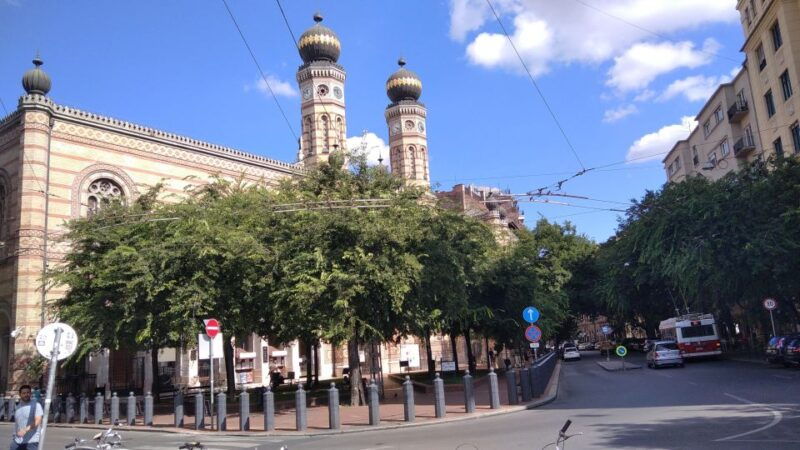
Dohány Street Synagogue stands proudly as a testament to Budapest’s rich Jewish heritage and architectural grandeur. This magnificent structure, Europe’s largest synagogue, captivates visitors with its stunning Moorish Revival design.
As they step inside, many feel a profound connection to the past. One visitor, Anna, recalls the emotional weight of standing near the memorial wall, remembering lives lost during the Holocaust. The atmosphere buzzes with stories, laughter, and whispered prayers.
Guided tours reveal fascinating tales, making history come alive. For many, the synagogue isn’t just a building; it’s a symbol of resilience, community, and the enduring spirit of Jewish culture.
Hidden Gems: Rumbach and Kazinczy Street Synagogues
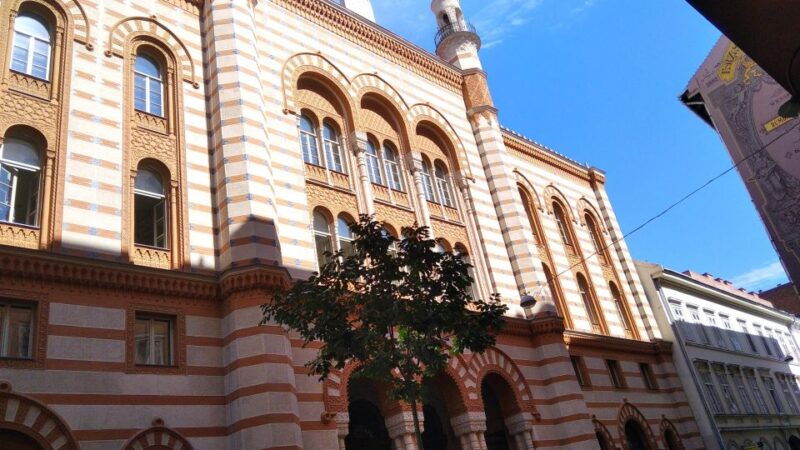
While exploring Budapest’s Jewish Quarter, travelers often stumble upon the lesser-known Rumbach and Kazinczy Street Synagogues, hidden gems that showcase the city’s diverse Jewish heritage.
The Rumbach Synagogue, with its stunning Moorish architecture, invites visitors to pause and reflect. A local once shared how her grandparents celebrated holidays there, weaving stories of resilience and community.
Just around the corner, the Kazinczy Street Synagogue, an Orthodox sanctuary, buzzes with prayer and tradition. Its rich history echoes the lives of those who’ve gathered within its walls, creating a profound connection that lingers long after one leaves, reminding them of the city’s enduring spirit.
The Vibrant Szimpla Kert: A Cultural Landmark
Nestled in the heart of Budapest’s Jewish Quarter, Szimpla Kert stands as a vibrant testament to the city’s unique blend of culture and community.
This ruin bar, filled with eclectic decor and lively energy, attracts locals and travelers alike. Visitors often share stories of spontaneous jam sessions, art displays, and the irresistible aroma of Hungarian comfort food wafting through the air.
One traveler reminisces about discovering new friendships over shared plates of Flódni cake, while another fondly recalls dancing beneath the twinkling fairy lights.
Szimpla Kert isn’t just a bar; it’s a living canvas of Budapest’s rich, ever-evolving cultural tapestry.
More Great Tours NearbyRemembering History: The Memorial Wall of the Budapest Ghetto
As visitors wander through the Jewish Quarter, they often pause at the Memorial Wall of the Budapest Ghetto, a poignant reminder of the city’s tumultuous past. This wall, etched with the names of those lost, evokes powerful emotions. Locals share stories of resilience and hope, recounting how families found ways to survive amidst despair.
| Year | Event |
|———–|—————————–|
| 1944 | Ghetto established |
| 1945 | Liberation from Nazi control |
| 2005 | Wall inaugurated |
| 2022 | Ongoing remembrance events |
The wall stands as a testament to the enduring spirit of the Jewish community.
Culinary Delights: Tasting Flódni Cake
The Jewish Quarter not only offers a glimpse into the past but also invites visitors to savor its culinary treasures, like Flódni cake. This layered dessert, rich with flavors, tells a story of culture and history.
Here’s what makes Flódni irresistible:
-
Layers of Delight: It combines poppy seeds, apples, walnuts, and a hint of cinnamon.
-
Tradition: Each bite reflects centuries of Jewish culinary traditions.
-
Connection: Locals often share family recipes, connecting generations.
-
Sweet Memories: Many reminisce about enjoying this cake during special occasions.
Flódni isn’t just food; it’s a delicious piece of history.
Personal Stories and Insights From the Guide
While exploring the Jewish Quarter, visitors find themselves captivated not only by the historic sites but also by the guide’s compelling personal stories. Each tale adds depth to the landmarks, making them resonate more.
| Story Element | Personal Insight | Impact on Tour |
|———————–|——————————-|—————————-|
| Family Heritage | Guide’s grandparents survived | Fosters connection |
| Community Resilience | Recent community events | Inspires hope |
| Cultural Revival | Rediscovery of traditions | Sparks interest |
| Personal Anecdotes | Childhood visits to synagogues| Evokes nostalgia |
| Culinary Experiences | Favorite local dishes | Enhances dining experience |
These anecdotes transform the tour into a shared journey.
Frequently Asked Questions
What Are the Tour Operating Hours?
The tour operates daily, offering two and a half hours of exploration. Participants meet at Budapestinfo Városháza Park Hütte, ready to uncover the city’s hidden gems and vibrant stories waiting to be discovered.
Is Transportation Included in the Tour Price?
Transportation isn’t included in the tour price. However, the guide suggests convenient public transport options and nearby walking paths, ensuring everyone enjoys a smooth experience discovering the rich history and vibrant atmosphere of the area.
Can Children Participate in the Tour?
Children are welcome to join the tour. The guide encourages family participation, ensuring engaging stories and insights captivate young minds. Families often find it a memorable experience, creating lasting memories together in Budapest.
Are Pets Allowed on the Tour?
Pets aren’t allowed on the tour, as the guide focuses on providing an immersive experience for guests. They emphasize comfort and accessibility, ensuring everyone enjoys their time exploring the rich history and culture together.
What Should I Wear for the Tour?
For the tour, she recommends comfortable walking shoes and weather-appropriate clothing. Layering’s smart, since Budapest’s weather can change. A light jacket could come in handy, especially during evening strolls through the vibrant streets.
The Sum Up
As visitors stroll through Budapest’s Jewish Quarter, they’re not just walking on cobblestones; they’re stepping into a living narrative of resilience and hope. The grandeur of the Dohány Street Synagogue, the charm of hidden gems like Rumbach and Kazinczy, and the flavors of Flódni cake all intertwine to create a vibrant tapestry of culture and history. Each story shared, each bite savored, deepens their connection to this remarkable community, leaving an indelible mark on their hearts.
You can check availability for your dates here:More Tour Reviews in Budapest
Still browsing? Here are more Budapest experiences we've covered recently
- 14 Most Highly Rated Wine Tours In Budapest
- Our Picks For The 14 Best Tours In Budapest
- Our Picks For The 7 Best Hiking And Trekking Tours In Budapest
- Budapest’s 13 Top Cruises And Boat Tours (With Prices)
- 14 Best Walking Tours In Budapest (With Prices)
- Which Budapest Photography Experiences To Choose? We Rank The 7 Best
- The Top 14 Historical Tours In Budapest
- Our 3 Favorite Budapest Private Driver Services
- What Are The Best Workshops & Classes In Budapest? Our Top 11 Picks
- The 14 Top Tours & Experiences In Budapest: Which Is Best?
- Budapest’s 3 Best Coffee Tours (With Prices & Reviews)
- The 7 Most Popular Spa & Hot Springs Experiences In Budapest