
Explore the captivating history of Florence through the lens of the influential Medici family. This walking tour delves into the family’s transformation from prominent merchants to powerful rulers, tracing their architectural and artistic legacy that shaped the city’s cultural landscape. Discover the Medici’s impact on the Renaissance and their lasting influence that continues to captivate visitors today. Prepare to uncover the rich tapestry of Florence’s past and the enduring mark left by this remarkable dynasty.
- Key Points
- The Medici Family: From Merchants to Rulers
- Tracing the Medici’s Political Rise
- Architectural Landmarks of the Medici Dynasty
- The Medici Patronage of the Arts
- Florence’s Urban Transformation Under the Medici
- Legendary Medici Figures and Their Impact
- The Lasting Legacy of the Medici in Modern Florence
- Exploring the Medici’s Spiritual and Religious Influence
- Ask Away
- Can I Bring My Luggage on the Tour?
- What Should I Wear for the Walking Tour?
- How Much Time Do I Need to Arrive at the Meeting Point?
- Is Audio Equipment Provided for the Tour?
- Is the Tour Suitable for Children?
- Final Words
- More Tours in Florence
- More Tour Reviews in Florence
- Still browsing? Here are more Florence experiences we've covered recently
Key Points
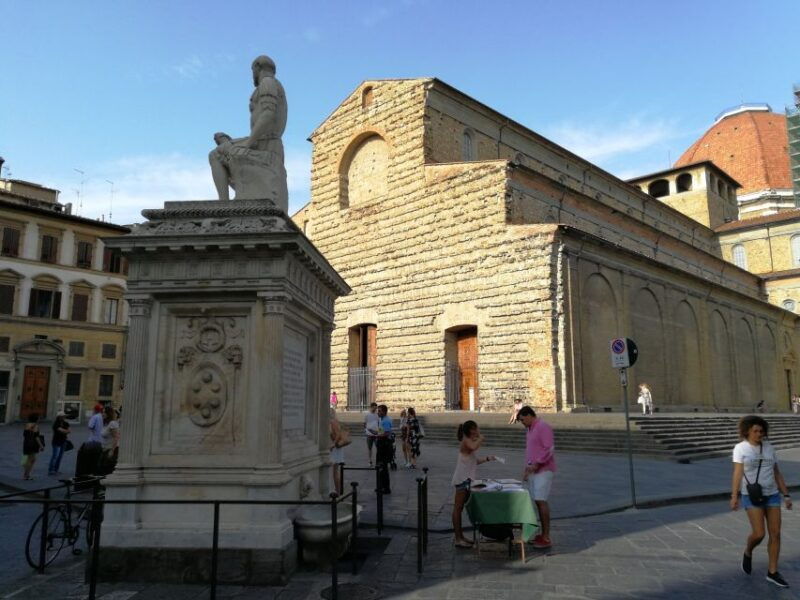
- Explore the Medici family’s origins and their rise to power as wealthy merchants and influential politicians in Florence.
- Discover how the Medici’s strategic marriages, wealth, and patronage of the arts shaped the political and cultural landscape of Florence.
- Observe the architectural legacy of the Medici, including the Medici Palace, Pitti Palace, and other landmarks that reflect their influence.
- Appreciate the Medici’s impact on the artistic and cultural development of Florence, with renowned artists like Michelangelo, Botticelli, and Leonardo da Vinci.
- Understand the Medici’s spiritual and religious influence, including their commissioning of churches and the impact of family members as Cardinals and Popes.
The Medici Family: From Merchants to Rulers
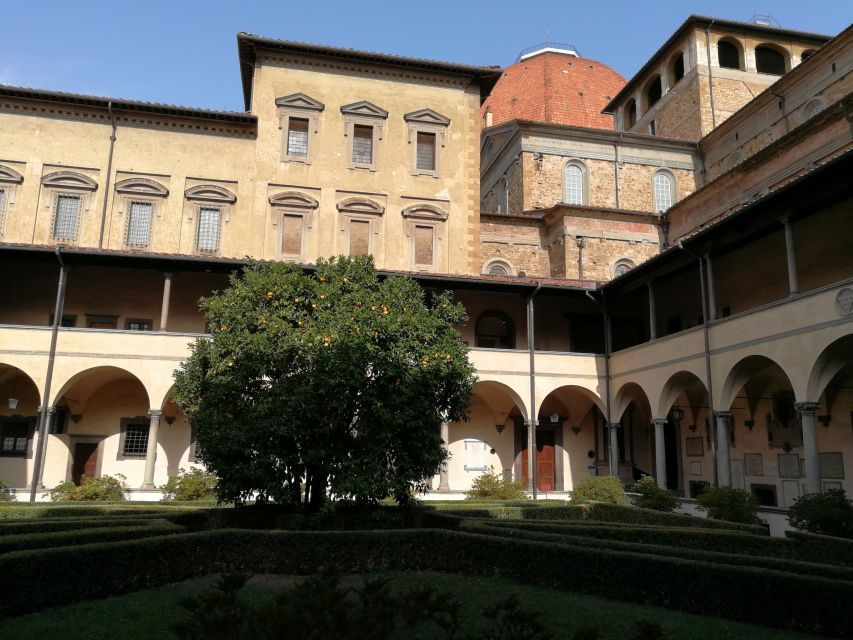
Though starting as wealthy merchants, the Medici family would eventually rise to become the most influential and powerful rulers of Florence.
They traced their roots back to Giovanni de’ Medici, a successful banker who amassed a fortune and established the family’s political influence.
Over the generations, the Medici cultivated relationships with the Church and used strategic marriages to solidify their hold on power.
The Medici family leveraged strategic Church alliances and marriages to cement their formidable grip on Florentine power.
By the 15th century, they’d firmly established themselves as the de facto rulers of the city, controlling its finances, arts, and culture.
Their legacy still permeates the streets and landmarks of Florence today.
Fascinated by the past? Here are other historical experiences we've covered in Florence
Tracing the Medici’s Political Rise
The Medici family’s rise to political power in Florence was a gradual but determined process. They began as influential merchants and bankers, leveraging their wealth to gain influence within the city.
Key aspects of their political ascent include:
-
Strategic Marriages: The Medici engineered strategic marriages to consolidate power and forge alliances with other prominent families in Florence.
-
Patronage of the Arts: The family’s extensive patronage of artists, architects, and scholars helped solidify their status and control the cultural narrative.
-
Manipulation of Political Institutions: Over time, the Medici family maneuvered to gain control of Florence’s political institutions, effectively transforming the republic into a de facto hereditary monarchy.
Architectural Landmarks of the Medici Dynasty
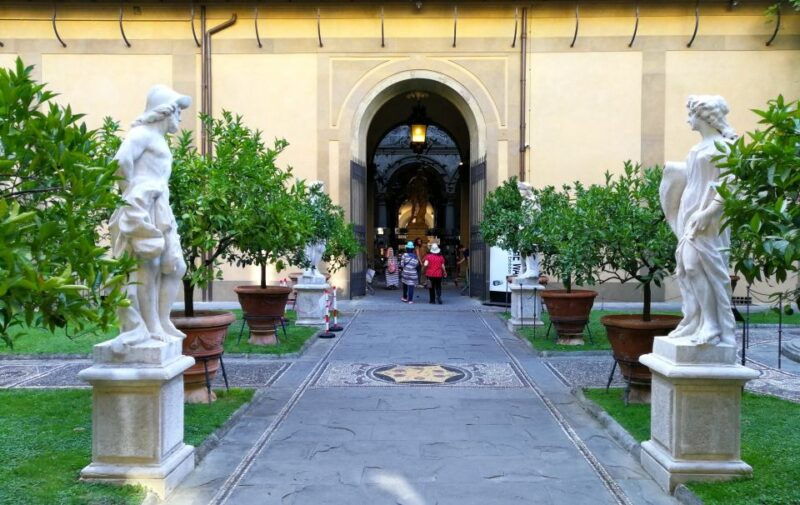
As the Medici family rose to prominence in Florence, they left an indelible mark on the city’s architectural landscape.
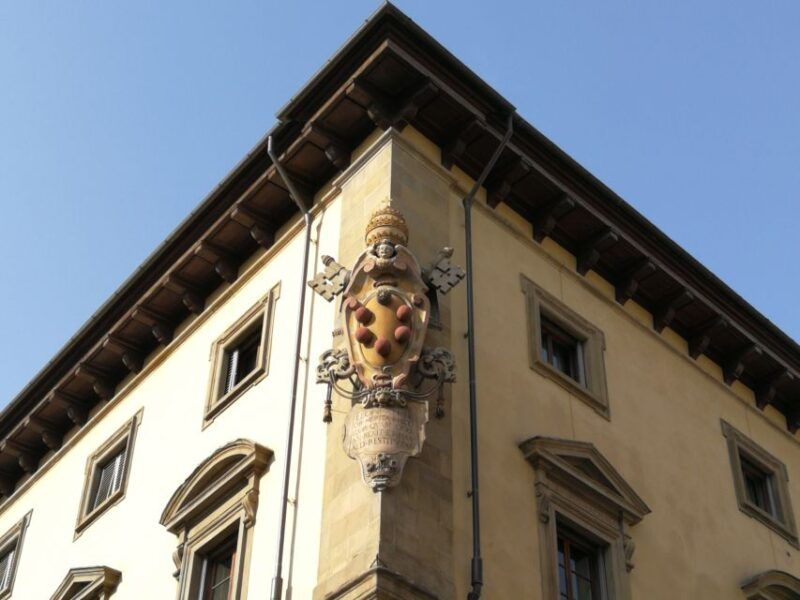
One of the most iconic Medici landmarks is the Medici Palace, which served as the family’s residence and a symbol of their power.
The Pitti Palace, another key Medici structure, showcases the family’s patronage of the arts and their desire to project an image of grandeur.
The Pitti Palace, a testament to the Medici’s artistic patronage and grandiose ambitions, stands as a symbol of their lasting impact.
Piazzas like the Piazza della Signoria, where the Palazzo Vecchio stands, also bear the Medici’s imprint, demonstrating their influence over Florence’s public spaces.
These architectural gems provide a window into the Medici’s lasting legacy.
The Medici Patronage of the Arts
Alongside their architectural patronage, the Medici family played a pivotal role in Florence’s artistic renaissance, elevating the city as a global hub of culture and innovation.
Their unwavering support and investment in the arts nurtured some of the most renowned artists of the era, including:
-
Michelangelo, whose masterpieces like the Statue of David and the Sistine Chapel ceiling were commissioned by the Medici.
-
Botticelli, whose iconic paintings like "The Birth of Venus" were funded by the Medici family.
-
Leonardo da Vinci, whose scientific and artistic brilliance was fostered by the Medici’s patronage.
The Medici’s influence transformed Florence into a beacon of artistic excellence, leaving an indelible mark on the city’s cultural identity.
More Great Tours NearbyFlorence’s Urban Transformation Under the Medici
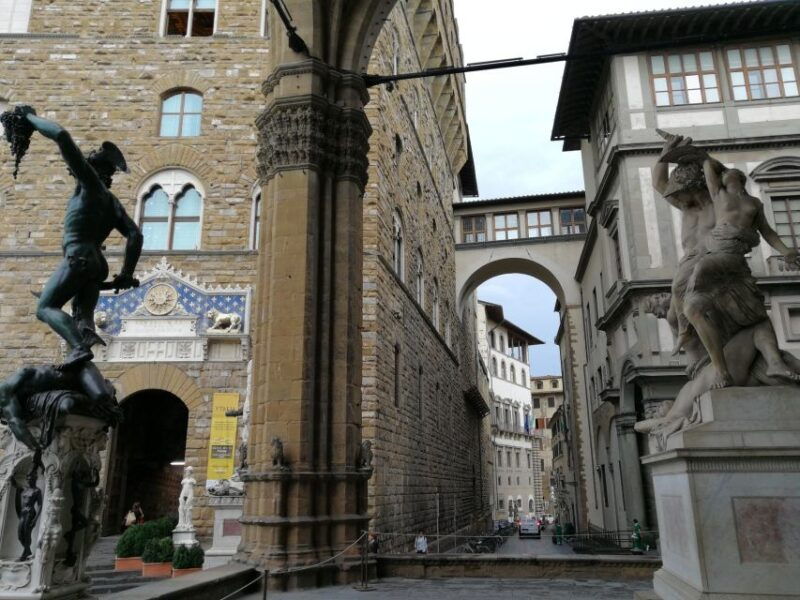
While the Medici family’s patronage of the arts transformed Florence’s cultural landscape, their influence also extended to the city’s urban fabric.
As powerful merchants and bankers, the Medici commissioned grand palaces, churches, and plazas that showcased their wealth and political power. They strategically placed these landmarks to control the flow of commerce and solidify their presence throughout Florence.
The Medici’s architectural projects, like the Pitti Palace and Medici Chapel, not only beautified the city but also projected an image of Florentine grandeur.
This urban transformation cemented the Medici dynasty’s dominance over Florence for generations.
Want to see more of Florence? Here are other city tours we've reviewed
- Florence in a Day: Michelangelos David, Uffizi and Guided City Walking Tour
- Florence City Guided Tour by Rickshaw
- Florence Vintage City Bike Tour: Small Group Experience
- Walk and Talk Florence Walking Tour Highlights of the City Center
- Florence Airport Private Transfer to the City
- Florence in One Day With a Localguide: Uffizi-City Walk-Accademia
Legendary Medici Figures and Their Impact
The Medici family boasted a remarkable roster of legendary figures who significantly shaped Florence’s political, economic, and cultural landscape.
Among the most influential were:
-
Cosimo de’ Medici: Credited as the founder of the Medici dynasty, he wielded immense power as a banker and patron of the arts, funding the construction of iconic landmarks like the Medici Palace and the Medici Library.
-
Lorenzo the Magnificent: A renowned statesman and arts patron, he cultivated Florence’s reputation as a hub of Renaissance culture, supporting luminaries like Michelangelo and Leonardo da Vinci.
-
Catherine de’ Medici: As Queen of France, she played a pivotal role in European politics, leaving an indelible mark on French culture and architecture.
The Lasting Legacy of the Medici in Modern Florence
Though the Medici dynasty is long gone, their enduring legacy continues to shape the face of modern Florence.
The Medici’s immense wealth and power transformed the city, leaving an indelible mark on its architecture, art, and public spaces. Iconic landmarks like the Medici Palace, Pitti Palace, and the Uffizi Gallery stand as reminders of their influence.
Even the layout of Florence’s historic center reflects the Medici’s urban planning initiatives.
Today, visitors can explore these sites, gaining insights into the family’s storied past and their lasting impact on the city’s cultural heritage.
The Medici’s legacy is woven into the very fabric of Florence.
Exploring the Medici’s Spiritual and Religious Influence
As they rose to power, the Medici family’s influence extended far beyond the political and economic realms. Their spiritual and religious impact on Florence was profound.
The Medici:
-
Commissioned numerous churches and chapels, such as the Basilica of San Lorenzo, which became the family’s principal place of worship.
-
Patronized renowned artists like Michelangelo to create religious artworks that glorified the Medici dynasty.
-
Wielded significant influence over the Catholic Church, with several family members becoming powerful Cardinals and Popes.
This spiritual legacy cemented the Medici’s status as the preeminent rulers of Florence for centuries.
Ask Away
Can I Bring My Luggage on the Tour?
No, you can’t bring your luggage or large bags on the tour. The important notes state that luggage or large bags are not allowed. You’ll need to leave any big items behind before joining the walking tour.
What Should I Wear for the Walking Tour?
The tour organizers recommend wearing comfortable walking shoes. They also suggest bringing water, especially in the summer, to stay hydrated during the 2-hour walking tour. Large bags and luggage are not allowed on the tour.
How Much Time Do I Need to Arrive at the Meeting Point?
It’s recommended to arrive at the meeting point 5 minutes prior to the tour’s departure time. This allows you to check in and ensure you don’t miss the start of the walking tour.
Is Audio Equipment Provided for the Tour?
Yes, the tour includes headsets for clear communication between the guide and participants. This allows everyone to easily hear the tour commentary throughout the walking tour.
Is the Tour Suitable for Children?
The tour is geared towards adult participants and may not be suitable for young children. The small group size and focus on history and architecture make it better suited for older children and teens.
Final Words
A walking tour of Florence provides a captivating glimpse into the city’s rich history, particularly the influential Medici family. Visitors can explore the Medici Palace, Pitti Palace, and other landmarks that showcase the family’s architectural grandeur and artistic patronage. The tour reveals how the Medici transformed Florence into a cultural epicenter during the Renaissance, leaving a lasting legacy that shaped the city’s landscape, art, and spiritual heritage.
You can check availability for your dates here:More Tours in Florence
- Florence: Cathedral Duomo Tour with Local Guide
- Fiesole E-Bike Tour with Olive Oil Tasting or Pool & Chill
- Florence walking Tour: Music Headphones & Aperol Spritz
- Walking Tour: Florence Noir and Its Secrets
- Florence Old City Street Food Tour and Guided Sightseeing
- Florence Medici Bike Tour Cycle Through History and Power
More Tour Reviews in Florence
- Florence: Cathedral Duomo Tour with Local Guide
- Fiesole E-Bike Tour with Olive Oil Tasting or Pool & Chill
- Florence: Tuscan Cheese and Wine Tasting Experience
- Florence walking Tour: Music Headphones & Aperol Spritz
- Walking Tour: Florence Noir and Its Secrets
- Florence Old City Street Food Tour and Guided Sightseeing
Still browsing? Here are more Florence experiences we've covered recently
- What Are The Best 2-Hour Tours In Florence? Our Top 3 Picks
- Our Picks For The 13 Best Wine Tours In Florence
- The 12 Most Popular Workshops & Classes In Florence
- The 11 Best Dining Experiences In Florence
- 14 Best Tours In Florence
- Florence’s 10 Best Dinner Experiences (With Prices & Reviews)
- 14 Best Walking Tours In Florence (With Prices)
- Florence’s 3 Best Hiking And Trekking Tours
- 7 Must-Try Private Driver Services In Florence
- Florence’s 14 Top Food Tours
- 14 Of The Best Photography Experiences In Florence
- Our Picks For The 13 Best Pasta Experiences In Florence