
The Czestochowa Black Madonna, enshrined within the Jasna Góra monastery in Poland, is one of Catholicism’s most revered icons. This centuries-old painting, believed to be the work of Saint Luke, depicts the Virgin Mary with a distinctive dark complexion cradling the infant Jesus. Renowned for its miraculous powers, the Black Madonna has drawn countless pilgrims seeking healing and divine intervention. While its historical and spiritual significance is well-documented, the full extent of its legacy continues to captivate scholars and devotees alike.
- Key Points
- Tour Highlights
- Historical Significance
- The Black Madonna Painting
- Architectural Wonders
- Spiritual Significance
- Visitor Etiquette
- Accessibility and Mobility
- Common Questions
- How Much Time Is Needed to Fully Explore the Monastery Complex?
- Are There Any Special Events or Celebrations Held at Jasna Góra?
- Can Visitors Make Donations or Offerings at the Monastery?
- Are There Any Restrictions on Photography Inside the Holy Site?
- What Is the Best Time of Year to Visit Jasna Góra Monastery?
- The Sum Up
- More Tour Reviews in Krakow
- Still browsing? Here are more Krakow experiences we've covered recently
Key Points
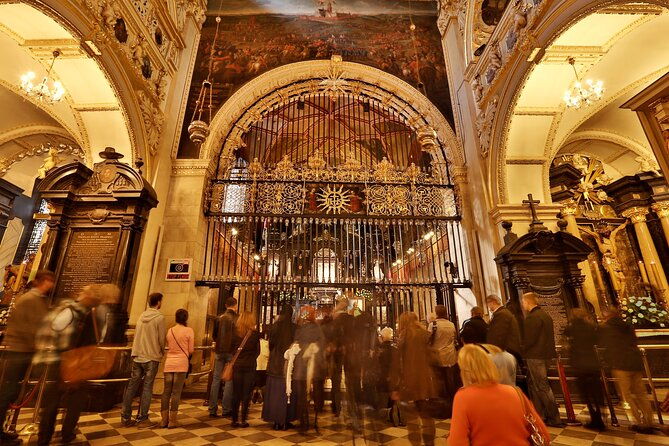
- The Jasna Góra monastery in Czestochowa, Poland houses the revered Black Madonna painting, believed to be painted by Saint Luke.
- The Black Madonna is renowned for its miraculous powers and has attracted pilgrims seeking intercession and blessings for centuries.
- The Jasna Góra monastery was founded by Pauline monks in the 14th century and has been recognized as a sacred site by three separate popes.
- The monastery features impressive defensive walls, a Renaissance-style cathedral, and a chapel housing the Black Madonna painting with stunning Baroque architecture.
- Visitors to the Jasna Góra monastery are expected to follow a modest dress code and maintain silence and reverence, especially in the chapel.
Tour Highlights
The highlight of the private tour is the visit to the Jasna Góra monastery, home to the revered Black Madonna painting.
This 14th-century Pauline monastery has been recognized by three different popes and is famous for the icon associated with numerous miracles.
Visitors will explore the monastery complex, including the museum, and learn about its rich history.
The journey takes around 8 hours roundtrip from Kraków, covering 68 miles.
The private vehicle transport and knowledgeable local guide ensure a personalized experience.
Dress code and moderate fitness level are required, but the tour is highly recommended by 94% of travelers.
Looking for more options in Krakow? We've reviewed plenty of other experiences.
Historical Significance
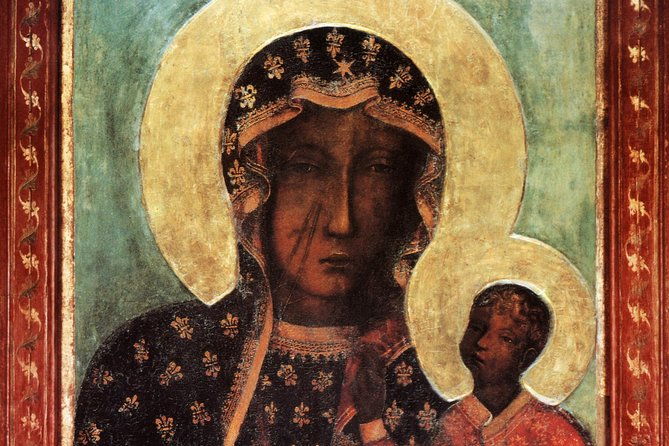
Jasna Góra monastery was founded by Pauline monks in the 14th century and has since been recognized by three different popes.
The monastery is famous for the Black Madonna painting, which has been associated with numerous miracles. Its defensive walls have also withstood a 17th-century Swedish siege.
The historical significance of Jasna Góra includes:
- Recognized as a sacred site by three separate popes over the centuries.
- Renowned for the Black Madonna painting, which has drawn pilgrims and worshippers for centuries.
- The monastery’s fortified walls successfully defended against a major 17th-century Swedish invasion.
The Black Madonna Painting
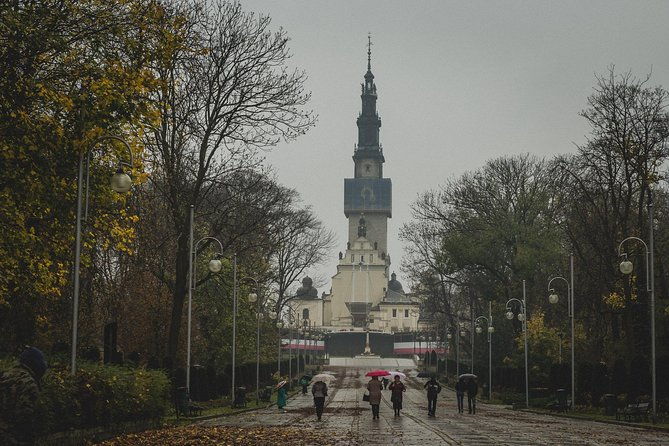
Though housed within the Jasna Góra monastery, the Black Madonna painting commands a unique status among Catholic faithful. Believed to have been painted by Saint Luke on a cedar tabletop, the painting depicts the Virgin Mary cradling the infant Jesus. The painting is renowned for its darker skin hue, attributed to soot and varnish buildup over centuries.
| Attributed to | Saint Luke |
|---|---|
| Style | Byzantine |
| Date | 14th century |
The Black Madonna is considered a miraculous image, credited with numerous healings and other divine interventions. Pilgrims travel from around the world to pray before the revered painting, seeking the Virgin’s intercession and blessings.
Architectural Wonders
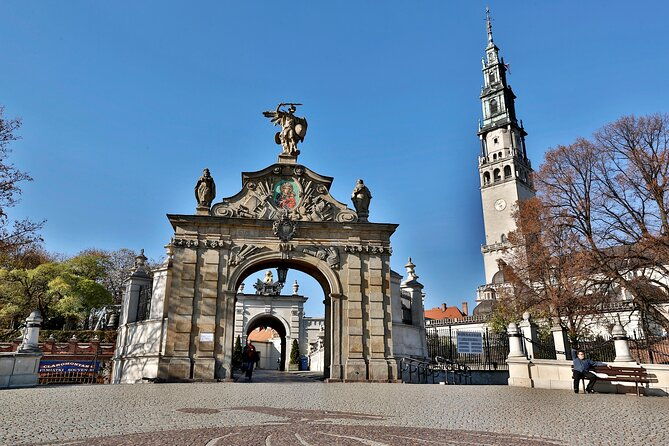
Beyond the famed Black Madonna painting, the Jasna Góra monastery complex boasts a remarkable architectural heritage.
The sprawling complex features:
-
Impressive defensive walls, built in the 17th century to withstand a Swedish siege, which still stand today.
-
The Basilica of the Holy Cross and St. Barbra, a grand Renaissance-style cathedral with a striking façade and ornate interior.
-
The Chapel of the Miraculous Image, a smaller chapel housing the revered Black Madonna painting, with its stunning Baroque architecture and intricate décor.
Visitors can explore these architectural wonders, each infused with centuries of history and spiritual significance.
Spiritual Significance
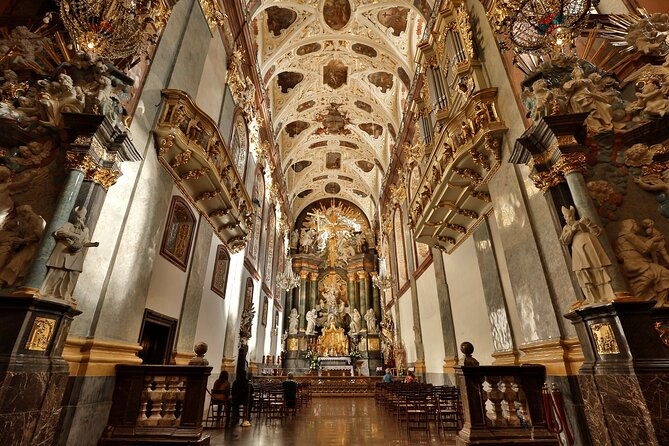
The profound spiritual significance of the Jasna Góra monastery is deeply rooted in the revered Black Madonna painting, which has attracted pilgrims from around the world for centuries.
This icon is believed to possess miraculous powers, with many reported healings and interventions attributed to its divine image. Recognized by three popes, the Black Madonna has become a symbol of Polish national identity and Catholic faith.
The monastery’s defensive walls, which withstood a 17th-century Swedish siege, further cement its status as a sacred place of refuge and devotion for the faithful.
Pilgrimages to Jasna Góra continue to be a profound spiritual experience for visitors.
- Guided Tour From Krakow to Auschwitz Birkenau – Transfer & Ticket
- Old Town Krakow & Wawel Castle Walking Tour
- Auschwitz-Birkenau Museum Guided Tour With Ticket & Hotel Pickup
- Wieliczka Salt Mine: Guided Tour From Krakow (With Hotel Pickup)
- Pub Crawl + Unlimited Drinks + VIP Entry + Drinking Games & Photographer
- Schindlers Factory Museum Guided Tour in English
Visitor Etiquette
Visitors to the Jasna Góra monastery are expected to observe certain etiquette guidelines to maintain the sacred atmosphere. A modest dress code is required, with knees and shoulders covered. Photography is generally permitted, but flash photography is prohibited inside the chapel housing the Black Madonna.
Additionally:
- Silence and reverence are expected, especially within the chapel.
- Visitors should avoid disrupting ongoing religious services or private devotions.
- Touching or kissing the icon of the Black Madonna is only allowed during designated times.
Adhering to these guidelines ensures a respectful and meaningful experience at this renowned spiritual site.
Accessibility and Mobility
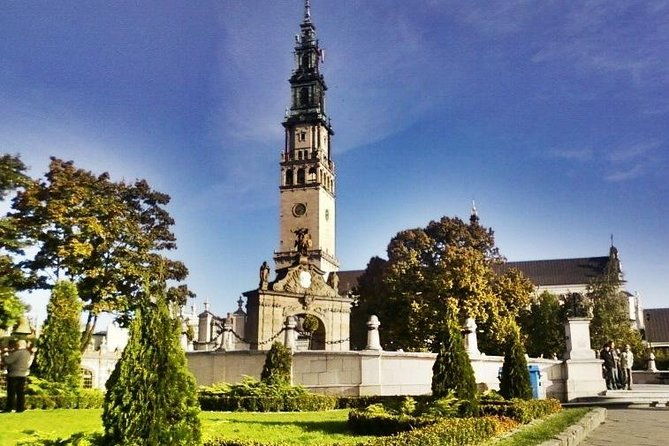
The Jasna Góra monastery complex isn’t fully wheelchair accessible. The tour involves moderate walking and climbing stairs, which may be challenging for visitors with mobility issues.
While the grounds and some buildings are accessible, certain areas, including the iconic chapel housing the Black Madonna painting, have limited access for those using wheelchairs or mobility aids.
Visitors should consult with the tour operator in advance to discuss any special accommodations or alternative arrangements. The tour may not be suitable for individuals with severe physical limitations, but the operator give you the best possible experience for all guests within the monastery’s constraints.
Common Questions
How Much Time Is Needed to Fully Explore the Monastery Complex?
The tour provides approximately 3 hours to explore the Jasna Góra monastery complex, allowing visitors to see the key highlights and learn about its historical significance from the knowledgeable local guide.
Are There Any Special Events or Celebrations Held at Jasna Góra?
Jasna Góra monastery regularly hosts religious festivals and pilgrimages, including the annual Feast of the Blessed Virgin Mary on August 15th, which draws millions of visitors from around the world to celebrate this significant Catholic event.
Can Visitors Make Donations or Offerings at the Monastery?
Yes, visitors can make donations or offerings at the Jasna Góra Monastery. There are designated areas within the complex where people can leave monetary contributions or personal items as acts of devotion or for special intentions.
Are There Any Restrictions on Photography Inside the Holy Site?
Visitors are generally not allowed to take photographs inside the Jasna Góra monastery’s holy sites, including the Chapel of the Black Madonna. Photography is restricted to protect the sacred atmosphere and preserve the reverence of the holy space.
What Is the Best Time of Year to Visit Jasna Góra Monastery?
The best time to visit Jasna Góra Monastery is during the summer months when the weather is mild. Crowds are smaller compared to the peak pilgrimage seasons of Easter and August 15th, the Feast of the Assumption.
The Sum Up
The Czestochowa Black Madonna remains a cherished symbol of Polish national identity and Catholic devotion. Enshrined in the Jasna Góra monastery, this revered icon continues to attract pilgrims seeking spiritual solace and divine intervention. Its miraculous powers, historical significance, and artistic beauty have cemented its place as one of the most iconic religious artworks, drawing visitors from around the world to this remarkable site.
More Tour Reviews in Krakow
Still browsing? Here are more Krakow experiences we've covered recently
- Discover 4 Great Spa & Hot Springs Experiences In Krakow
- 8 Best Wine Tours In Krakow (With Prices)
- 13 Of The Best Walking Tours In Krakow
- Which Krakow Workshops & Classes To Choose? Our Best 3 Picks
- 12 Top-Rated Krakow Tours
- 4 Of The Best Historical Tours In Krakow
- The 9 Best Concert Experiences In Krakow
- Krakow’s 12 Best Tours & Experiences: Which To Choose?
- 14 Most Highly Rated Private Driver Services In Krakow
- Which Krakow Lunch Experiences To Choose? We Rank The 4 Best
- 9 Fantastic Full-Day Tours In Krakow
- 3 Best Dinner Experiences In Krakow