
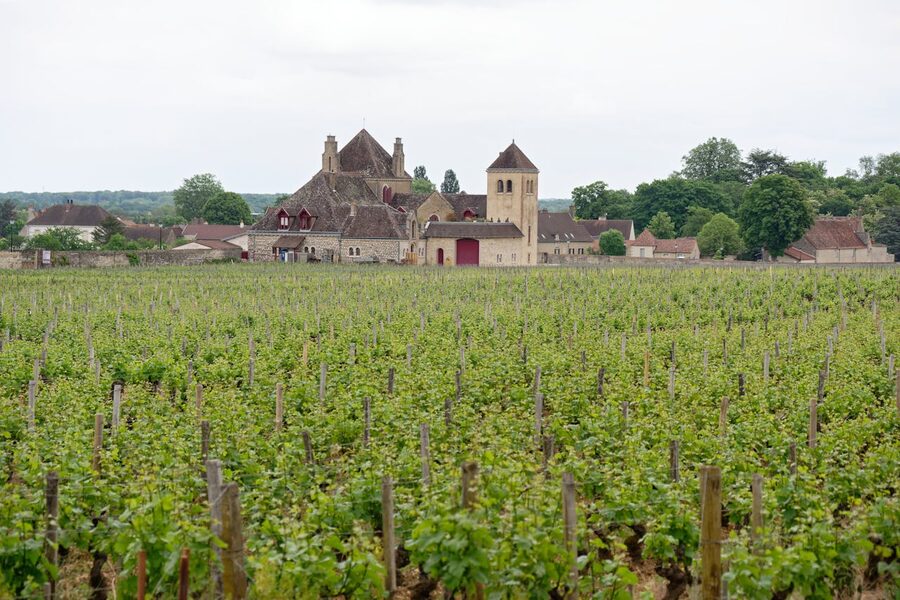
The stone wall next to the road said “Romanée-Conti” and my guide casually mentioned that the wine from this tiny plot sells for $20,000 a bottle. The vineyard is about the size of a football pitch. There are no gates, no fences, no security guards. Just a low stone wall, some vines, and a small wooden sign. That’s Burgundy in a nutshell — the most valuable agricultural land on Earth, and it looks like someone’s back garden.
Burgundy wine country stretches from Dijon south to Lyon, but the heart of it — the part that makes wine collectors lose sleep — is a narrow strip called the Côte d’Or (Golden Slope) that runs about 60 kilometres between Dijon and Santenay. Every village along this slope produces wine under its own name, and the differences between parcels separated by a single path can be worth thousands of euros per bottle. Understanding why is what a Burgundy wine tour teaches you.
Best full-day: Côte de Nuits and Côte de Beaune Tour — $161, 7.5 hours from Dijon, covers the entire Golden Slope. Also 5.0.
Best single tasting: Château de Pommard Tasting — $35, 1 hour, wine tasting in a historic Beaune château.
- Why Burgundy Is Different
- The Bike Tour: The Best Way to See Burgundy
- The Full-Day Guided Tour: Côte de Nuits and Côte de Beaune
- Château de Pommard: The Quick Tasting
- Beaujolais from Lyon: The Southern Option
- Best Tours to Book
- 1. Burgundy Bike Tour with Wine Tasting — 4
- 2. Côte de Nuits and Côte de Beaune Full-Day Tour — 1
- 3. Château de Pommard Wine Tasting —
- A History Written in Stone Walls
- Beaune: The Wine Capital
- Practical Tips
- Burgundy and Beyond
Why Burgundy Is Different
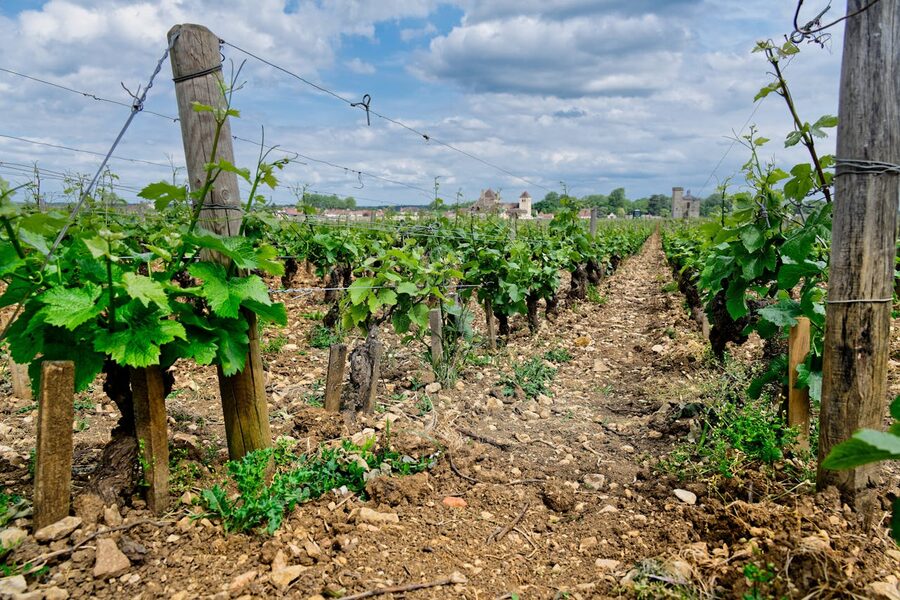
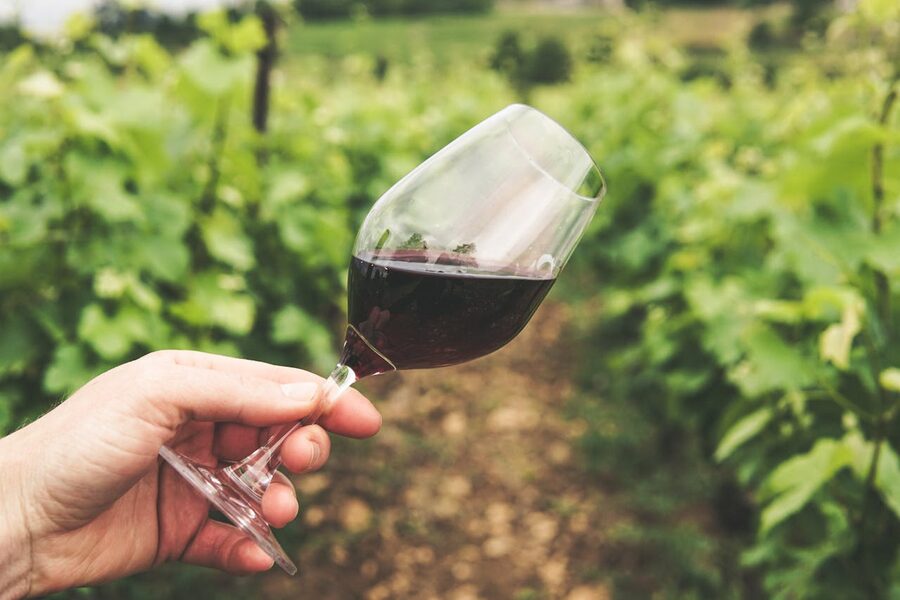
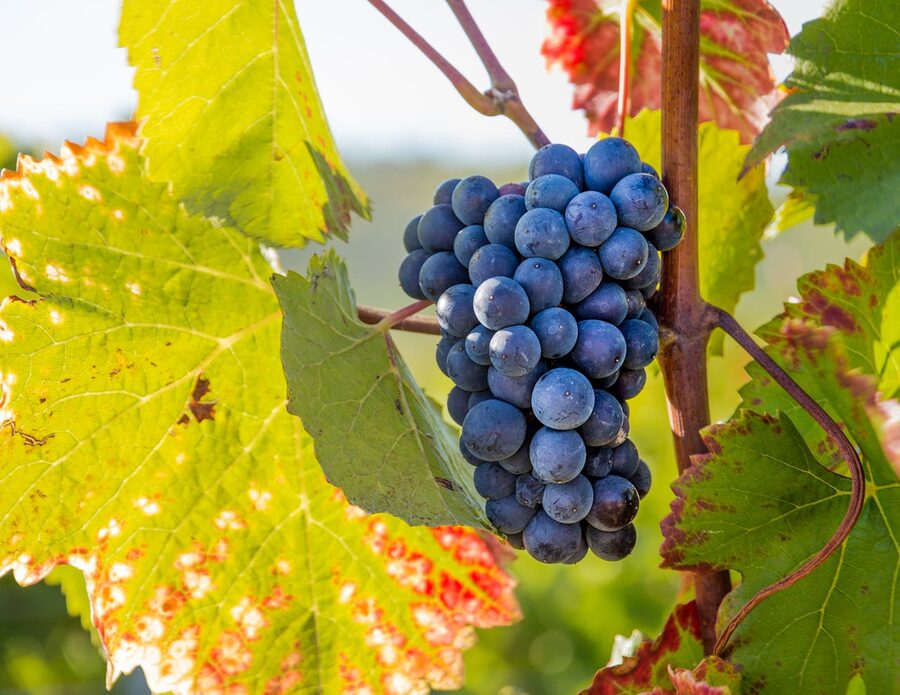
Burgundy wine is built on two grapes: Pinot Noir for reds and Chardonnay for whites. That’s it. No blending. No variety-mixing. Every red Burgundy is 100% Pinot Noir. Every white is 100% Chardonnay. The magic — and the price difference between a €10 village wine and a €10,000 Grand Cru — comes entirely from where the grapes grow.
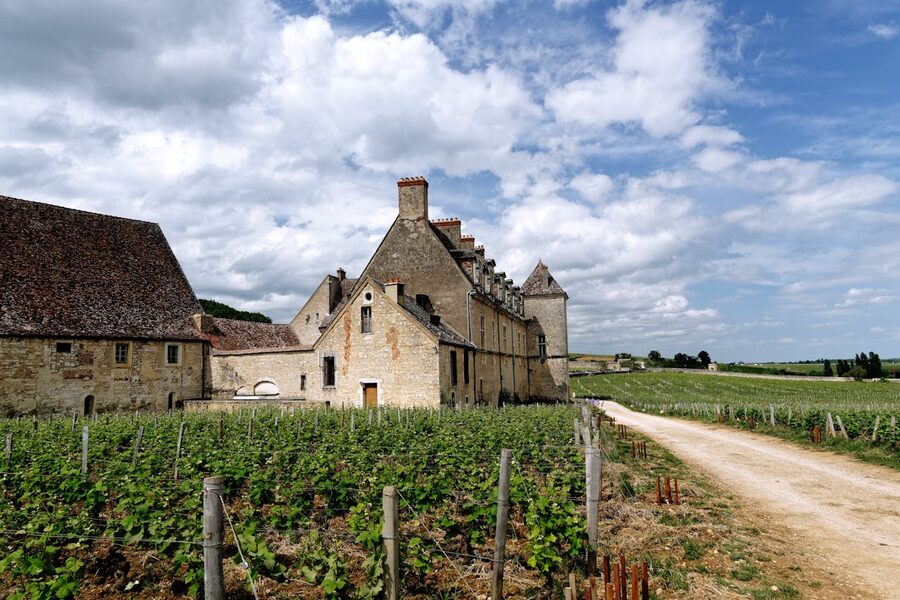
This is the concept of terroir taken to its logical extreme. Two plots of Pinot Noir separated by a dirt path can produce wines that taste completely different — one silky and floral, the other structured and earthy — because the soil composition, drainage, and sun exposure vary across literally a few metres. Burgundy’s classification system, which maps these micro-differences onto a four-level hierarchy, has been in place since the monks started documenting it in the Middle Ages.
The Bike Tour: The Best Way to See Burgundy
Cycling through Burgundy’s vineyards is the experience that gets the most consistent praise, and the numbers back it up — a perfect 5.0 rating across 674 reviews is exceptional for a 7-hour tour. The route follows the Côte de Beaune, passing through famous villages like Pommard, Volnay, and Meursault, with stops at domaines for tastings along the way.
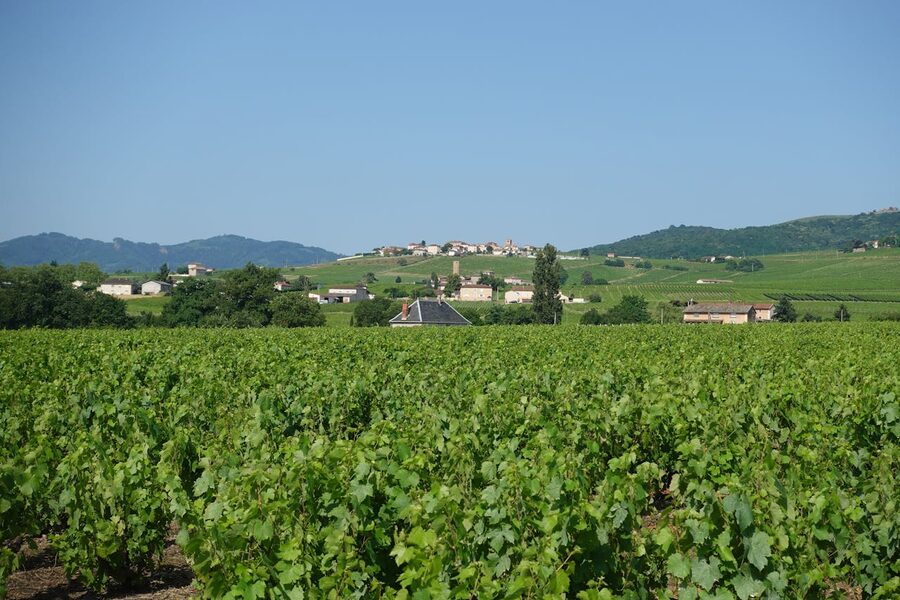
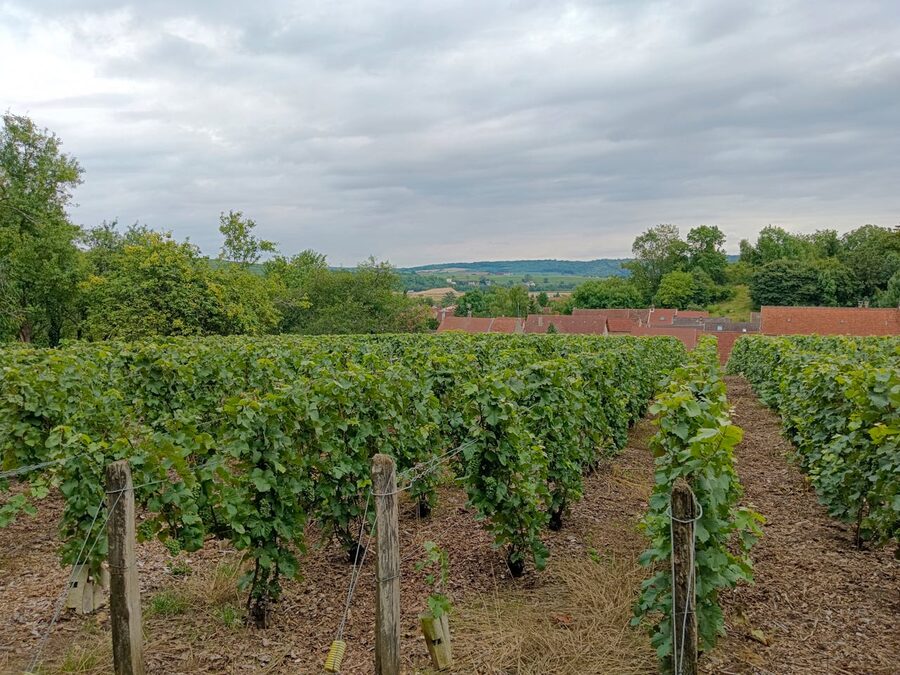
The tour includes about 15-20 wines across 3-4 domaines, a picnic lunch in the vineyards, and a guide who adjusts the tasting notes based on the group’s experience level. Beginners get the basics. Experienced drinkers get the deep cuts. At $254, it’s the most expensive option on this list — but it covers wine, food, bike, and a full day of guided experience. No other region in France offers this level of wine-and-cycling integration.
The Full-Day Guided Tour: Côte de Nuits and Côte de Beaune
If you’d rather not cycle, the guided minivan tour from Dijon covers the same territory by road. It starts with the Côte de Nuits — the northern half of the Côte d’Or, home to the great red Burgundy villages: Gevrey-Chambertin, Vosne-Romanée, Nuits-Saint-Georges. Then it moves south to the Côte de Beaune — more mixed, with great whites (Meursault, Puligny-Montrachet) alongside reds (Pommard, Volnay). The day finishes in Beaune’s old town.
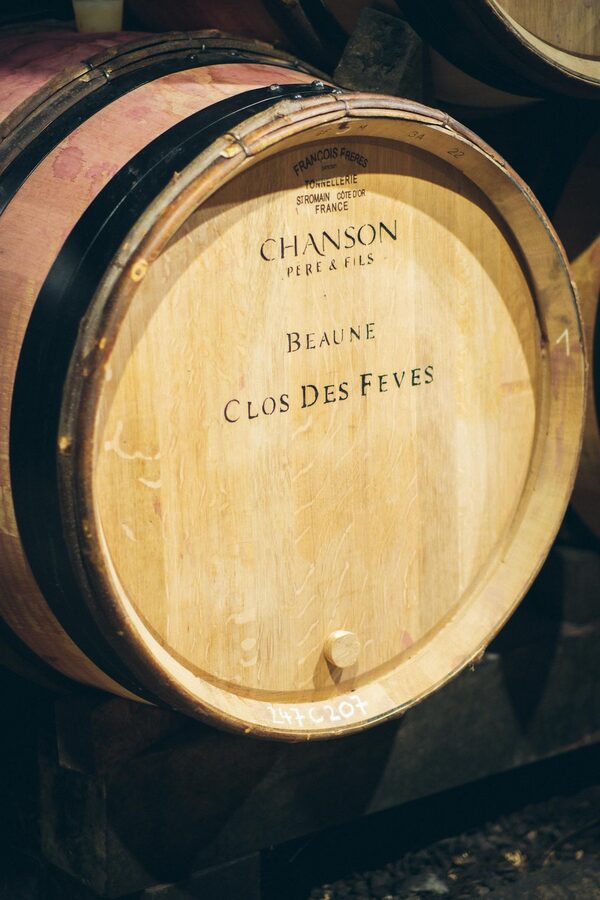
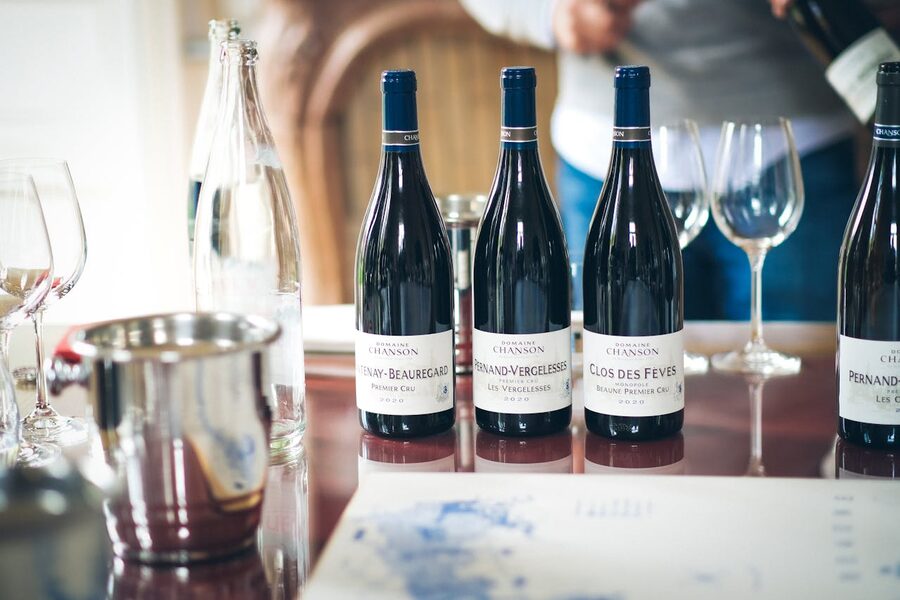
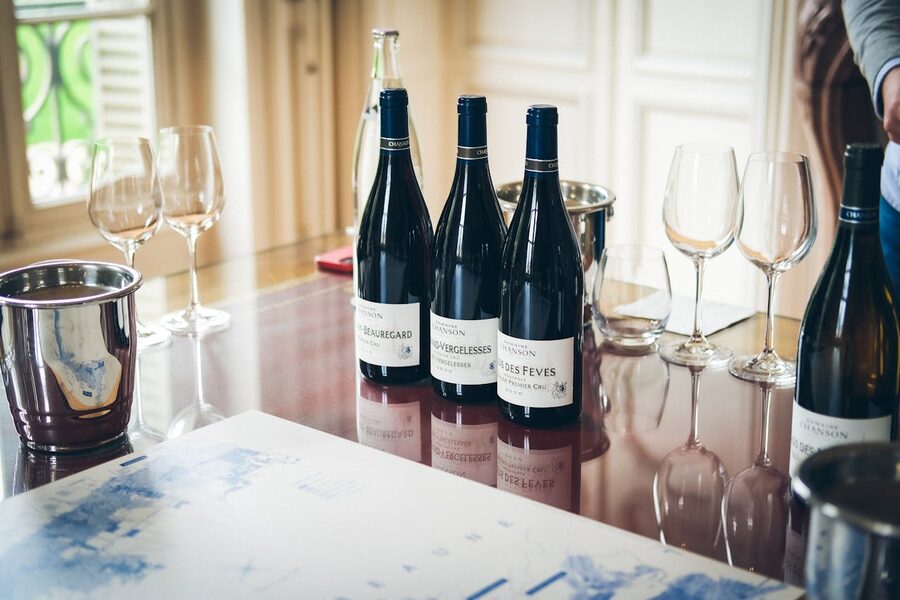
At $161 from Dijon, it’s better value than the bike tour and covers more ground. The guide drives the Route des Grands Crus — a winding road through the most expensive vineyards on Earth — and stops at viewpoints, village squares, and 2-3 domaines for tastings. The 5.0 rating across 364 reviews reflects guides who are genuinely knowledgeable about Burgundy wine rather than reading from a script.
Château de Pommard: The Quick Tasting
If you’re in Beaune and just want a single tasting without committing to a full day, the Château de Pommard offers a structured 1-hour experience in a beautiful 18th-century estate. You taste their range of Pommard wines — from the village-level up to the Premier Cru Clos de la Commaraine — with guidance from their cellar staff. At $35, it’s the most affordable entry point into Burgundy wine tasting.
Beaujolais from Lyon: The Southern Option
Technically Beaujolais isn’t Burgundy — it’s a separate wine region just south of the Côte d’Or. But it uses similar techniques, the landscape is equally beautiful, and the tours from Lyon are excellent. The Beaujolais golden stone villages — Oingt, Bagnols, Ternand — are some of the prettiest in France, built from the same honey-coloured limestone that makes the Luberon glow.
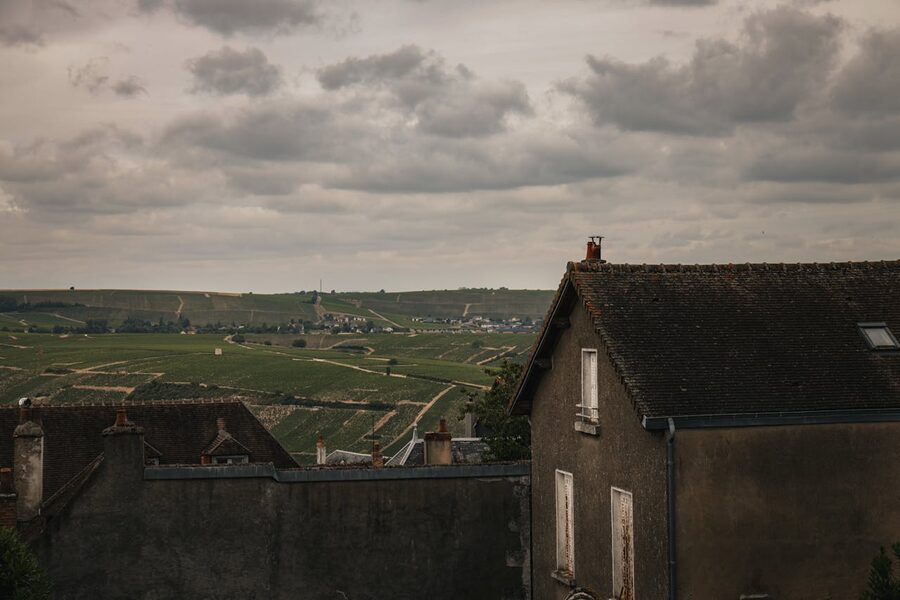
At $116 from Lyon for a 4.5-hour tour, it’s significantly cheaper and shorter than the Burgundy options. The 4.7 rating across 503 reviews suggests the experience competes well. If you’re based in Lyon and want a half-day wine excursion without the commitment of a full Côte d’Or tour, this is the one.
Best Tours to Book
1. Burgundy Bike Tour with Wine Tasting — $254

Seven hours of cycling through the Côte de Beaune, stopping at domaines for tastings and vineyards for picnic lunches. The pace is relaxed, the bikes are good, and the guide’s wine knowledge is deep enough to satisfy enthusiasts without alienating beginners. Our review covers the route, the tasting lineup, and whether the e-bike upgrade is worth the extra cost.
2. Côte de Nuits and Côte de Beaune Full-Day Tour — $161
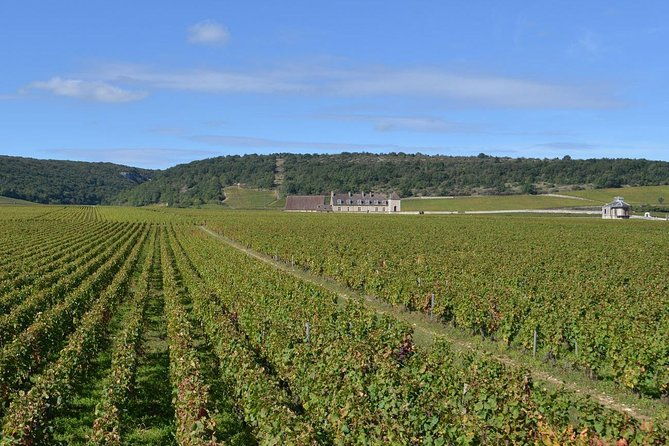
The comprehensive option. 7.5 hours from Dijon covering the entire Côte d’Or, with tastings at multiple domaines and a guided walk through Beaune’s medieval old town. The route follows the Route des Grands Crus and the guide explains the classification system using the actual vineyards as a teaching tool. Our review covers the domaines visited and how the day is structured.
3. Château de Pommard Wine Tasting — $35
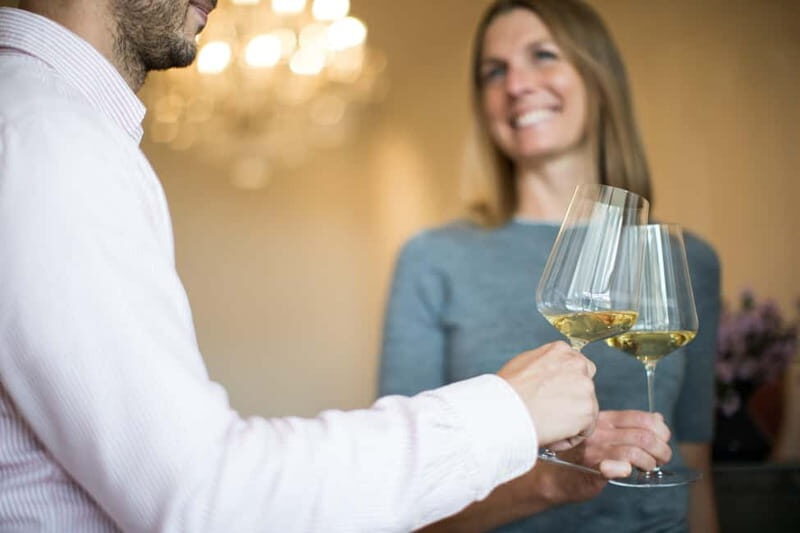
The best single-venue tasting in the region. One hour at the 18th-century Château de Pommard, tasting their estate wines with guidance from the cellar team. The setting — vineyard views, historic cellars, and a guided explanation of what makes Pommard distinctive — elevates it beyond a simple tasting. Our review covers the wine range, the atmosphere, and whether to book the standard or premium tasting option.
A History Written in Stone Walls
Burgundy’s wine history begins with the Cistercian monks who settled here in the 12th century. They were the first to systematically study the relationship between soil, climate, and wine quality — creating what we now call the terroir concept. The monks mapped every plot, noted which vines produced the best wine in which years, and built the stone walls that still define the vineyard boundaries today. When you see a low stone wall between two parcels on the Côte d’Or, you’re looking at a classification system that monks began documenting 800 years ago.
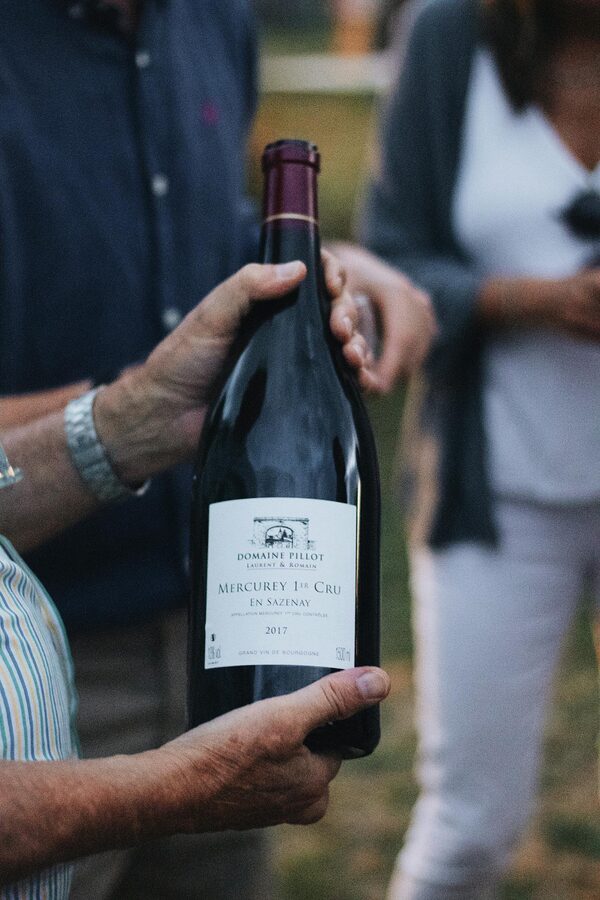
The Revolution dismantled the monastic estates and distributed the vineyards to local families, which is why Burgundy has such fragmented ownership today. A single vineyard like Clos de Vougeot has over 80 different owners, each producing their own version from their small plot. This makes Burgundy both fascinating and maddening — the same wine name can be excellent from one producer and disappointing from another.
Beaune: The Wine Capital
Most Burgundy wine tours start or end in Beaune, and the town itself deserves time. The Hospices de Beaune — a 15th-century hospital with a spectacular tiled roof — is the most visited monument in Burgundy. The annual wine auction held here every November sets the price benchmarks for the entire region. The courtyard, with its geometric roof tiles in Burgundy’s trademark diamond pattern, is one of the most recognisable buildings in France.
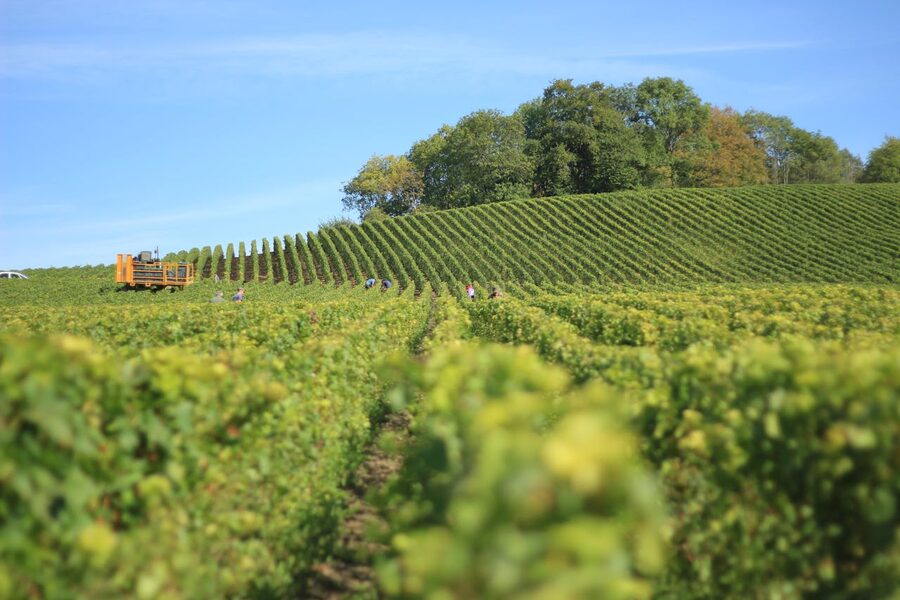
Beaune’s medieval ramparts are still largely intact, and a walk around the outside takes about 30 minutes. Inside the walls, the streets are pedestrian-friendly and lined with wine shops, restaurants, and the kind of independent boutiques that survive because the locals actually use them. The Saturday market on the Place de la Halle is one of the best in Burgundy — cheese, bread, charcuterie, and, of course, wine.
Practical Tips
Getting there: Beaune is 2.5 hours from Paris by TGV (via Dijon or direct to Beaune), or about 2 hours from Lyon. Dijon is the main TGV hub — from there, Beaune is 20 minutes by regional train. If you’re driving, the A6 motorway from Paris to Lyon passes through Burgundy, and the Beaune exit is well-signposted.
When to visit: September (harvest) is magical but busy. June and October are ideal — the vines are green and full, the weather is warm, and the tourist crowds are thin. November brings the Hospices de Beaune wine auction, which makes the town festive but expensive. Winter is quiet — many domaines close or reduce their tasting hours.
Budget: The bike tour ($254) is the splurge. The guided tour ($161) is the sweet spot. The Château de Pommard tasting ($35) is the budget entry. Individual cellar tastings in Beaune’s town centre run €10-25. Lunch at a Beaune bistro is €18-25. A bottle of good village Burgundy from a producer costs €15-30 — less than you’d pay in a wine shop back home.
Drinking and driving: Don’t. The wine tours include 15-20 tastings across the day. Use the bike tour, the guided tour, or a taxi service if you want to visit domaines independently. Beaune has several taxi companies that specialise in vineyard runs and charge about €100-150 for a half-day circuit.
Burgundy and Beyond
If Burgundy sparks a wine obsession, France has more regions to explore. The Champagne day trips from Paris cover a different kind of wine tourism — underground cellars, major houses, and the science of bubbles. The Provence wine tours from Avignon focus on the Rhône Valley’s powerful reds and rosés. The Alsace wine route is France’s most scenic wine region, with Riesling and Gewürztraminer in half-timbered villages. And for a primer before any of these trips, the Paris wine tasting classes teach you the vocabulary and palate skills to get more out of every glass.