
The Dirty War was a dark chapter in Argentina’s history, one that left an indelible mark on its capital, Buenos Aires. From 1976 to 1983, the military junta ruthlessly targeted dissidents, leading to thousands of enforced disappearances, torture, and killings. This tumultuous period transformed the city into a haunting backdrop for the struggle against oppression, with significant sites like Plaza de Mayo witnessing relentless protests by the Mothers of the Disappeared. Unraveling this complex and emotionally charged history reveals the ongoing fight for justice and remembrance that continues to shape Argentine society.
- About Your Stay
- Argentina’s Dirty War History
- Significant Sites in Buenos Aires
- The Impact of Evita and Juan Perón
- The Emotional Weight of the ESMA Museum
- Ongoing Efforts for Accountability
- Tour Logistics and Details
- Traveler Feedback and Guide Expertise
- Questions About Your Stay
- What Is the Dress Code for the Tour?
- Are There Any Age Restrictions for the Tour?
- How Long Does the Tour Typically Last?
- Can the Tour Be Customized to Individual Interests?
- Is There an Option to Book the Tour in Other Languages?
- Final Verdict On This Stay
- More Tour Reviews in Buenos Aires
- Still browsing? Here are more Buenos Aires experiences we've covered recently
About Your Stay
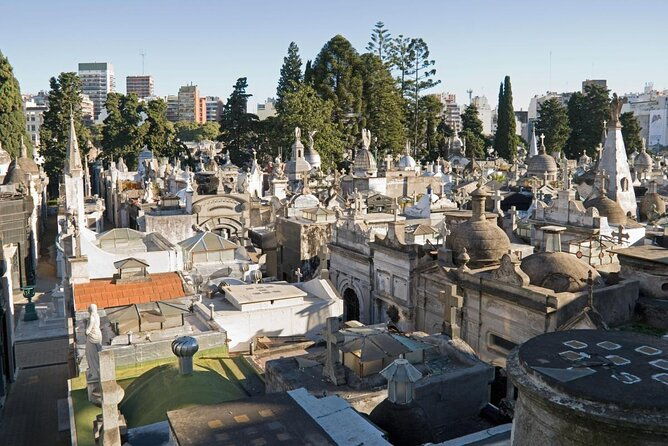
- The Dirty War, lasting from 1976 to 1983, was a period of military dictatorship and crackdown on leftist and liberal opposition in Argentina.
- Significant sites in Buenos Aires, such as the Rose Garden, Remembrance Park, and ESMA museum, serve as memorials and educational spaces for the Dirty War.
- Evita and Juan Perón, influential Peronist figures, had a lasting impact on Argentine politics, with their legacy reflecting the turbulent history of the Dirty War era.
- The ESMA museum, located in a former torture site, offers an immersive and visceral experience, underscoring the need for justice and remembrance.
- Ongoing accountability efforts, including legal actions, grassroots initiatives, and the ESMA museum, aim to uncover truths, commemorate lives lost, and drive societal change and reconciliation.
Argentina’s Dirty War History
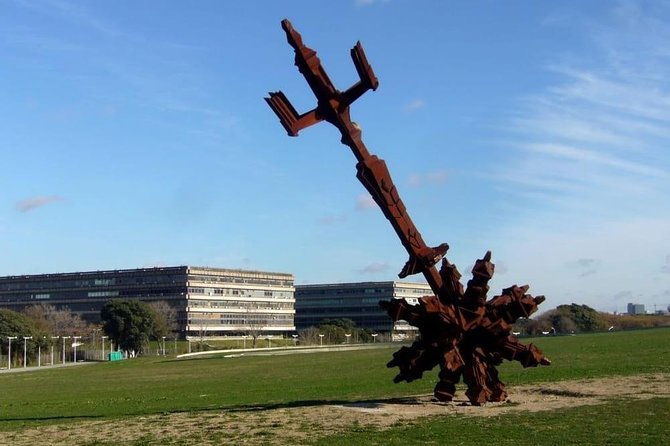
Although the Dirty War in Argentina lasted from 1976 to 1983, its roots can be traced back to the country’s tumultuous political history in the preceding decades.
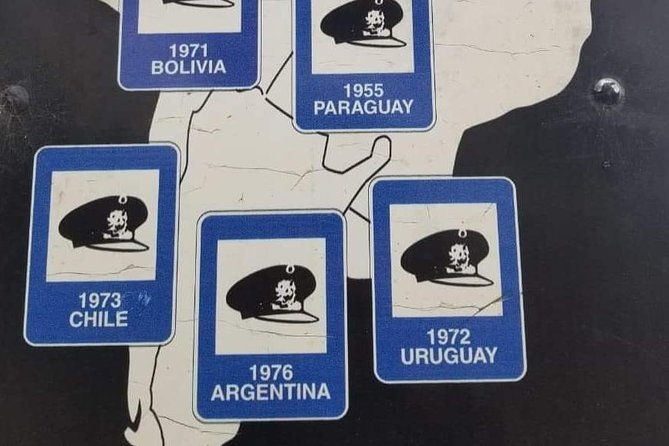
Tensions escalated between leftist Peronist groups and the military, leading to a cycle of coups and counter-coups. In 1976, the military seized power, launching a brutal crackdown on perceived dissidents.
Thousands of people were "disappeared", tortured, and killed in a calculated effort to eliminate leftist and liberal opposition.
The military junta orchestrated a systematic campaign of disappearances, torture, and murder to eliminate leftist and liberal dissidents.
The junta’s repressive policies devastated Argentina, leaving a legacy of trauma and a demand for accountability that continues to this day.
Looking for more options in Buenos Aires? We've reviewed plenty of other experiences.
Significant Sites in Buenos Aires
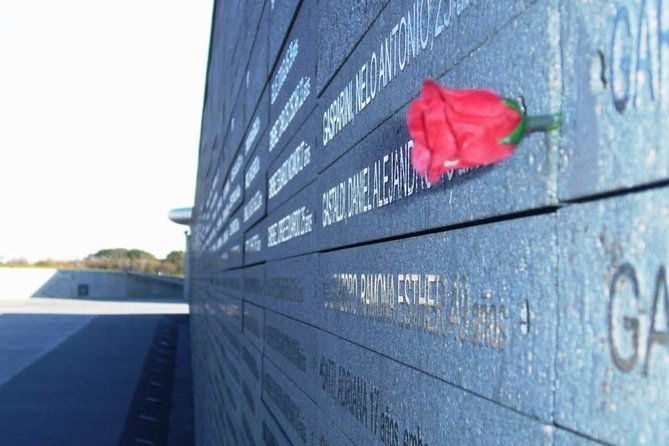
The Buenos Aires tour explores several significant sites that provide insights into Argentina’s Dirty War history.
Visitors will visit the Rose Garden, a memorial to the victims. Next, they’ll tour Remembrance Park, where the disappeared are commemorated.
The tour culminates at the Plaza de Mayo, where the Mothers of the Disappeared have marched since 1977, demanding justice.
Finally, the ESMA museum, a former detention center, offers a powerful, emotional experience, educating on the military dictatorship’s atrocities and ongoing efforts to hold them accountable.
Through these sites, the tour immerses participants in this dark chapter of Argentine history.
The Impact of Evita and Juan Perón
Evita and Juan Perón’s lasting impact on Argentina’s political and social landscape can’t be overstated.
As leaders of the Peronist movement, they championed the rights of the working class and criticized the political elite.
Evita’s charisma and advocacy for the poor solidified her status as a revered figure, while Juan Perón’s populist policies and authoritarian tendencies divided the nation.
Their legacy continues to shape Argentine politics to this day, with Peronism remaining a dominant force.
The emotional weight of Evita and Perón’s influence is palpable, reflecting the turbulent history of Argentina’s Dirty War era.
The Emotional Weight of the ESMA Museum
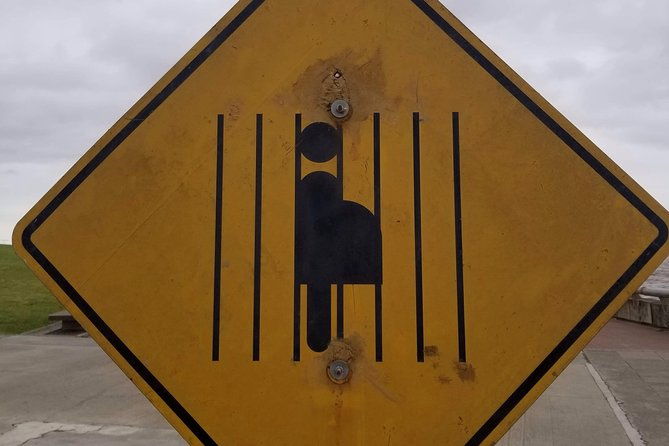
Stepping into the ESMA museum, visitors confront the emotional weight of Argentina’s Dirty War. This former navy school served as a clandestine detention center under the military junta, where thousands were tortured and disappeared. The museum’s exhibits bear witness to the regime’s horrors, evoking a visceral response. Visitors navigate interactive displays, videos, and artifacts that humanize the victims and implicate the perpetrators. The experience is profoundly moving, underscoring the urgency of ongoing efforts to seek justice and commemorate the disappeared.
| Feature | Description |
| — | — |
| Location | Former ESMA naval school |
| Focus | Documenting Argentina’s Dirty War |
| Exhibits | Interactive displays, videos, artifacts |
| Impact | Emotionally powerful, calls for accountability |
Ongoing Efforts for Accountability
Though the atrocities of Argentina’s Dirty War cast a long shadow, determined efforts continue to hold the military dictatorship accountable.
Survivors and human rights groups pursue legal cases, demanding justice for the thousands who disappeared. The ESMA museum, a former torture site, now stands as a powerful memorial, educating visitors about the regime’s horrors.
Survivors and human rights groups seek justice for the disappeared, while the ESMA museum memorializes the regime’s atrocities.
Grassroots organizations work to uncover buried truths, identify the disappeared, and commemorate their lives.
While the path to full accountability remains long, these unwavering efforts ensure the past isn’t forgotten, driving societal change and reconciliation in Argentina.
Tour Logistics and Details
The tour offers pickup from hotels, apartments, and ports in Buenos Aires, starting at 10:00 am.
It’s a private tour, ensuring only your group participates. A minimum of 2 people is required per booking, and the meeting point is flexible.
The dress code is smart casual, and the tour is accessible for strollers and infant seats.
Prices start at $206.16 per person, varying by group size, with a free cancellation option up to 24 hours before the tour.
A reserve now, pay later option is also available, making the tour logistics convenient for travelers.
Traveler Feedback and Guide Expertise
Travelers have commended the tour’s knowledgeable and engaging guides, particularly Howard and John, for their ability to provide a personalized experience. The guides’ depth of knowledge on Argentina’s political, social, and cultural landscape enhances the overall experience. They offer flexible itineraries tailored to group interests, ensuring visitors see relevant sights and receive thorough answers to their questions. Guides also accommodate special needs, further improving the experience for all participants.
| Positive Feedback | Engaging Guides | Personalized Experience |
| — | — | — |
| Knowledgeable | Depth of knowledge | Flexible itineraries |
| Informative | Tailored to interests | Accommodate needs |
| Emotional impact | Thorough answers | Enhanced experience |
Questions About Your Stay
What Is the Dress Code for the Tour?
The tour requires a smart casual dress code, and is stroller and infant seat accessible, allowing for a comfortable and inclusive experience.
Are There Any Age Restrictions for the Tour?
The tour is accessible for all ages. It doesn’t have any age restrictions, and strollers and infant seats are accommodated, allowing families to participate in the informative and emotional experience.
How Long Does the Tour Typically Last?
The tour typically lasts 3-4 hours, providing an in-depth exploration of Argentina’s Dirty War history through visits to significant sites and insights from the knowledgeable guides.
Can the Tour Be Customized to Individual Interests?
Yes, the tour can be customized to individual interests. The knowledgeable guides offer flexible itineraries, tailoring the experience to the group’s preferences and ensuring visitors see relevant sights and receive thorough answers to their questions.
Is There an Option to Book the Tour in Other Languages?
Yes, the tour can be booked in other languages besides English. Guides are multilingual and can provide the tour in Spanish, Portuguese, French, German, and Italian to accommodate the needs and preferences of international visitors.
Final Verdict On This Stay
Buenos Aires’ Dirty War history weighs heavily, but tours shed light on this dark chapter. The ESMA Museum powerfully conveys the emotional impact, while sites like Plaza de Mayo evoke the ongoing fight for justice and remembrance. Travelers can explore this complex past with knowledgeable guides, gaining deeper understanding of Argentina’s resilience in the face of state-sponsored terror.
More Tour Reviews in Buenos Aires
- Buenos Aires: Palermo Guided Craft Beer Tour With Snacks
- BA: Wine Tour With 5 Tasting Stops in the Heart of Palermo
- Maradona Tour: Murals, Chapel, Stadium, Museum, Casa D10S
- Buenos Aires: Boca Juniors and River Plate Football Tour
- Guided Tour Boca Juniors Museum & Stadium + Caminito
- Buenos Aires: Palermo Foodie Walking Tour
Still browsing? Here are more Buenos Aires experiences we've covered recently
- Buenos Aires: Palermo Guided Craft Beer Tour With Snacks
- BA: Wine Tour With 5 Tasting Stops in the Heart of Palermo
- Maradona Tour: Murals, Chapel, Stadium, Museum, Casa D10S
- Buenos Aires: Boca Juniors and River Plate Football Tour
- Guided Tour Boca Juniors Museum & Stadium + Caminito
- Buenos Aires: Palermo Foodie Walking Tour
- Buenos Aires: 9-Course Argentine Meat Tasting at Fogón Asado
- From Buenos Aires: Gaucho and Ranch Day Tour
- Buenos Aires: Argentine Barbecue With Live Music
- Buenos Aires: Classic History and Culture Motorcycle Tour
- Cultural Walking Tour of 3 Hours Through the History of Tango
- Buenos Aires: a Photo Session in Colors and Stories.