Lisbon’s wartime experience during World War II is a captivating tale of neutrality, intrigue, and resilience. On this walking tour, visitors uncover the city’s little-known history as a haven for refugees and a hub of espionage. From iconic cafes to historic pensions, the streets reveal stories of notable figures like Josephine Baker who found safe passage through the Portuguese capital. Prepare to explore Lisbon’s complex role in the global conflict and its lasting impact on the city’s character.
- Good To Know
- Portugal’s Neutrality and the Estado Novo Regime
- Lisbon as a Haven for Refugees
- Espionage and Intrigue in the City
- Notable Personalities Who Passed Through Lisbon
- Exploring Historic Cafes and Pensions
- Avenida Da Liberdade and the Threat of Axis Invasion
- Restauradores Square and the City’s Preparations
- Baixa De Lisboa and the Lasting Echoes of WWII
- Frequently Asked Questions
- Is the Tour Suitable for Children?
- Are Audio Devices Provided During the Tour?
- Can the Tour Be Customized for Private Groups?
- What Is the Cancellation Policy if the Weather Is Bad?
- Is There an Option to Extend the Tour Duration?
- The Sum Up
- The Best Of Lisbon!
- More Walking Tours in Lisbon
- More Tours in Lisbon
- More Tour Reviews in Lisbon
Good To Know
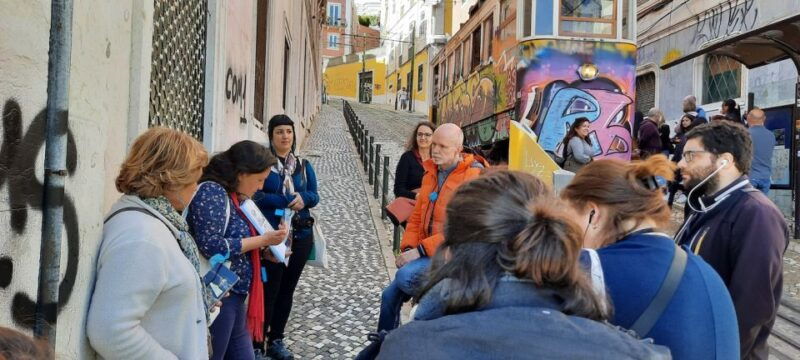
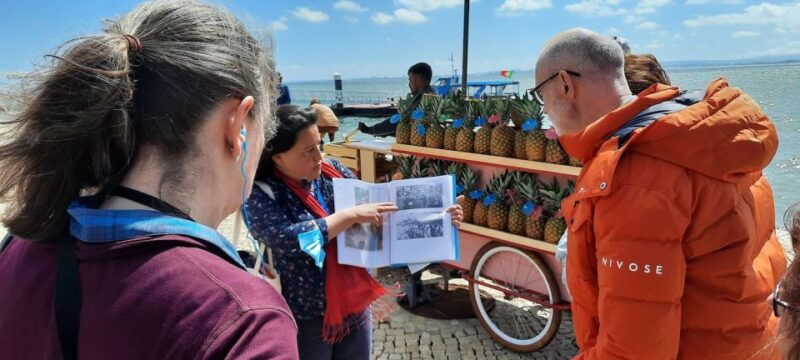
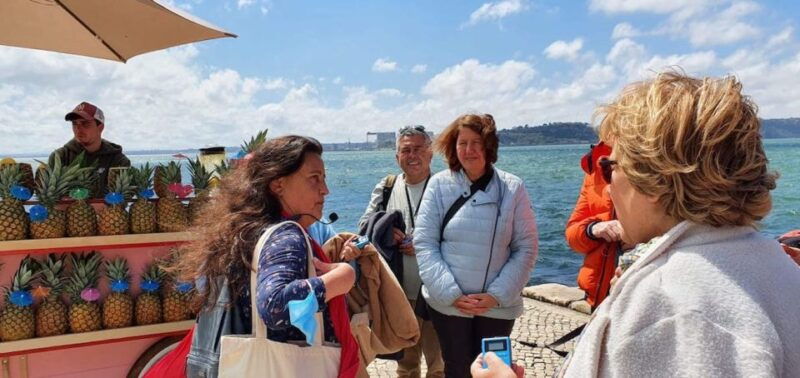
- Explore Lisbon’s role as a neutral hub for international espionage, with historic cafes serving as meeting points for spies and exiles during World War II.
- Discover how the Estado Novo regime’s policies towards refugees created a complex wartime experience, offering both safe passage and cooperation with Axis powers.
- Visit the Baixa district, a center for clandestine operations and black market activities, where the regime’s temporary shelter for refugees left a lasting imprint on the city’s architecture.
- Uncover the stories of notable personalities, such as Josephine Baker, Alfred Döblin, and Raoul Wallenberg, who used Lisbon as a haven to escape Nazi persecution.
- Gain insights into how Lisbon’s unique position as a neutral city made it a critical hub for both Allied and German intelligence operations during the war.

👉 See our pick of the The Top 13 Lisbon Historical Tours
Portugal’s Neutrality and the Estado Novo Regime
Although Portugal maintained its neutrality throughout World War II, the Estado Novo regime under António Oliveira Salazar closely monitored refugees and spies passing through Lisbon.
As a haven for those fleeing the war, the city became a backdrop for international espionage. Salazar’s policies towards refugees were complex, at times offering safe passage while also cooperating with the Axis powers.
This precarious balance allowed Lisbon to serve as a critical hub for both Allied and German intelligence operations.
The tour explores how this unique historical context shaped the city’s wartime experiences.
You can also read our reviews of more walking tours in Lisbon
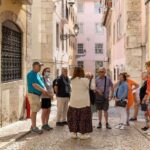

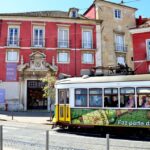
Lisbon as a Haven for Refugees
Lisbon became a haven for refugees fleeing the horrors of World War II. The city’s neutrality under the Estado Novo regime offered shelter to those escaping Nazi persecution and the ravages of war.
Refugees found refuge in humble pensions and aid organizations, as the city became a backdrop for international espionage involving spies from Britain, Germany, and the United States.
-
Josephine Baker and Alfred Döblin were among the notable figures who passed through Lisbon, seeking safety and a new future.
-
The city’s historic cafes, like Café Chave d’Ouro and Pastelaria Suiça, provided refuge and a sense of community for these displaced individuals.
-
Lisbon’s role as a haven was shaped by the policies of the authoritarian Estado Novo regime, which grappled with the influx of refugees.
-
The threat of an Axis invasion loomed, as the city made preparations to defend itself against potential attack.
Espionage and Intrigue in the City
What secrets did Lisbon harbor during the tumultuous years of World War II? The city became a hub for international espionage, with British, German, and American spies jockeying for information and influence.
Lisbon’s neutrality and lax immigration policies made it a safe haven for refugees and a meeting ground for spies. The historic cafes like Café Chave d’Ouro and Pastelaria Suiça were frequent haunts, where spies mingled with exiles and government agents.
Legendary figures like Josephine Baker and Alfred Döblin passed through, navigating the city’s web of intrigue. Lisbon’s wartime experience reveals its role as a backdrop for high-stakes espionage.
Notable Personalities Who Passed Through Lisbon
As Lisbon became a hub for international intrigue during World War II, the city played host to a remarkable cast of notable personalities.
Among them were:
Lisbon played host to a remarkable cast of notable personalities during World War II, including spies, writers, and diplomats.
-
Josephine Baker, the renowned French entertainer, who used her status as a spy for the French Resistance to gather intelligence while performing in Lisbon.
-
Alfred Döblin, the acclaimed German novelist, who fled Nazi Germany and found refuge in the Portuguese capital.
-
Werner Boldt, a German spy posing as a Swedish businessman, whose espionage activities were uncovered by British intelligence.
-
Raoul Wallenberg, the Swedish diplomat credited with saving tens of thousands of Hungarian Jews, who transited through Lisbon on his way to Sweden.
Exploring Historic Cafes and Pensions
Though the walking tour of Lisbon’s World War II sites explores the city’s role in international espionage and refugee crises, it also delves into the vibrant cultural scene that thrived during this tumultuous period.
Visitors discover historic cafes like Café Chave d’Ouro, where intellectuals gathered, and Pastelaria Suíça, a favorite among the city’s high society.
The tour also includes visits to humble pensions that provided shelter to those fleeing the war.
These stops offer insights into the resiliency and adaptability of Lisbon’s citizens, who navigated the complexities of the era through their social and cultural institutions.
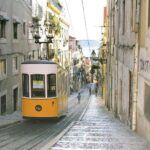
Avenida Da Liberdade and the Threat of Axis Invasion
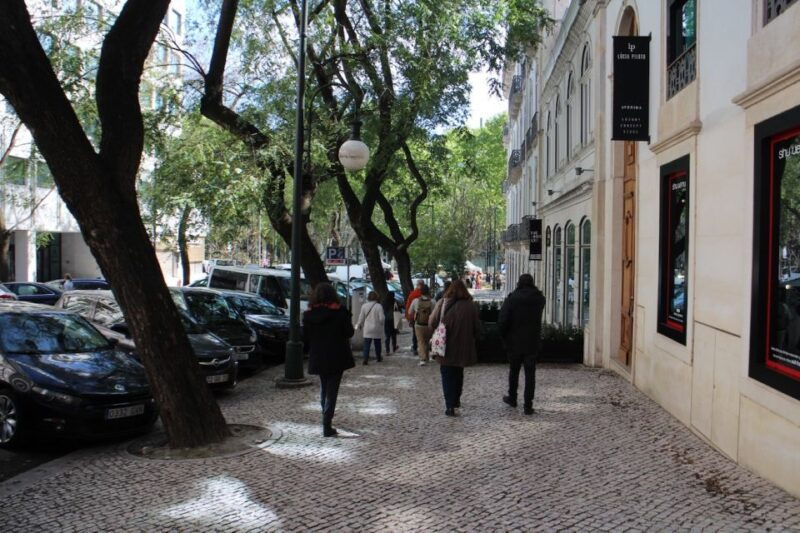
The walking tour then explores Avenida da Liberdade, the grand boulevard that served as a stark reminder of Lisbon’s strategic importance during World War II.
Along this iconic street, the guide shares insights into:
-
The regime’s preparations for a potential Axis invasion, including reinforcing defenses and organizing civilian evacuation plans.
-
The presence of Allied and Axis spies monitoring each other’s movements and activities.
-
The influx of refugees seeking safe passage from war-torn Europe, many passing through Lisbon’s hotels and pensions.
-
The tense atmosphere as the city balanced its neutrality while accommodating the competing interests of the warring factions.
Restauradores Square and the City’s Preparations
From Avenida da Liberdade, the tour then moves to Restauradores Square, where the guide delves into how the city prepared for the looming threat of an Axis invasion.
Here, travelers learn about the policies and precautions implemented by the Estado Novo regime under António Salazar. The guide highlights the fortification of strategic locations, including the reinforcement of bridges and the hotel of air raid shelters.
Participants also discover how Lisbon’s coastal defenses were bolstered to deter potential seaborne attacks. Through firsthand accounts, the tour paints a vivid picture of the palpable sense of unease that gripped the city during this uncertain period.
Baixa De Lisboa and the Lasting Echoes of WWII
As the tour continues, the group moves into the historic Baixa district of Lisbon, where the guide delves deeper into the lasting impacts of World War II on the city.
-
Baixa served as a hub for clandestine operations, with cafes and hotels catering to spies, refugees, and black market traders. The guide points out notable sites, like the Pastelaria Suiça, a meeting place for Allied and Axis operatives.
-
Discussions touch on the Estado Novo regime‘s policies towards refugees, with many finding temporary shelter in the district before seeking passage to the Americas.
-
The tour underscores how Baixa’s architecture and urban fabric retain the imprint of its wartime experiences, a poignant reminder of Lisbon’s complex role during the conflict.
Frequently Asked Questions
Is the Tour Suitable for Children?
The tour isn’t suitable for children. It focuses on Lisbon’s WWII history, including espionage and refugee stories, which may not be appropriate for young audiences. The content and pace are better suited for adult participants.
Are Audio Devices Provided During the Tour?
Audio devices aren’t provided on the tour, but the small group size allows for easy hearing of the knowledgeable guide’s commentary. Participants can engage directly with the guide throughout the 3-hour experience.
Can the Tour Be Customized for Private Groups?
Yes, the tour can be customized for private groups. The tour provider offers flexible options to accommodate group size and specific interests, ensuring a personalized experience for those seeking a more tailored World War II tour in Lisbon.
What Is the Cancellation Policy if the Weather Is Bad?
The tour offers free cancellation up to 24 hours in advance for a full refund in case of inclement weather. Customers can reschedule the tour for another day without penalty.
Is There an Option to Extend the Tour Duration?
The tour doesn’t offer an option to extend its duration, but guests can book additional tours or activities to extend their Lisbon experience. Requests for customized tour lengths may be considered, though they’re not standard.
The Sum Up
This captivating walking tour immerses visitors in Lisbon’s wartime intrigue. Exploring iconic cafes and squares, one uncovers the city’s complex role as a haven for refugees and a hub of espionage. From the specter of Axis invasion to the resilience of its people, Lisbon’s WWII legacy lives on in the shadows of its historic streets, offering a thought-provoking glimpse into a tumultuous era.