Exploring the vibrant Jewish heritage of Budapest is a captivating experience. Through a guided walking tour, visitors enjoy the rich history and culture of the city’s Jewish community. From the majestic Dohány Street Synagogue to the poignant Shoes on the Danube Bank memorial, the tour unveils the resilience and significance of this dynamic community. As participants uncover hidden gems like Hasidic shtibls and Sephardic prayer houses, they gain a deeper understanding of the multifaceted identity that has shaped Budapest’s past and present.
- Key Points
- Exploring the Pest Ghetto
- Visiting the Dohány Synagogue
- Discovering Hasidic Shtibls and Sephardic Prayer Houses
- Exploring the Buda Castle District
- Unveiling the History of the Óbuda Synagogue
- Understanding the Significance of the Rumbach Street Synagogue
- Honoring the Victims at the Shoes on the Danube Bank Memorial
- Frequently Asked Questions
- What Is the Policy Regarding Photography During the Tour?
- Are Children and Infants Welcome on This Tour?
- Can the Tour Be Customized or Personalized for Specific Interests?
- Is There Any Recommended Attire for Visiting the Synagogues?
- Is There an Option to Extend the Tour Duration or Add Additional Stops?
- The Sum Up
- The Best Of Budapest!
- More Walking Tours in Budapest
- More Tours in Budapest
- More Tour Reviews in Budapest
Key Points
 1 / 9
1 / 9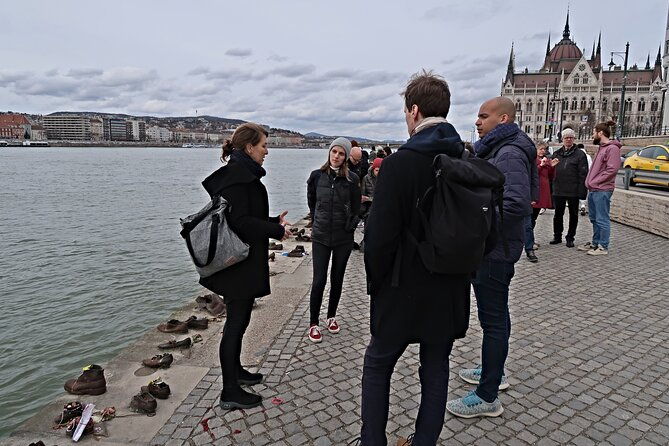 2 / 9
2 / 9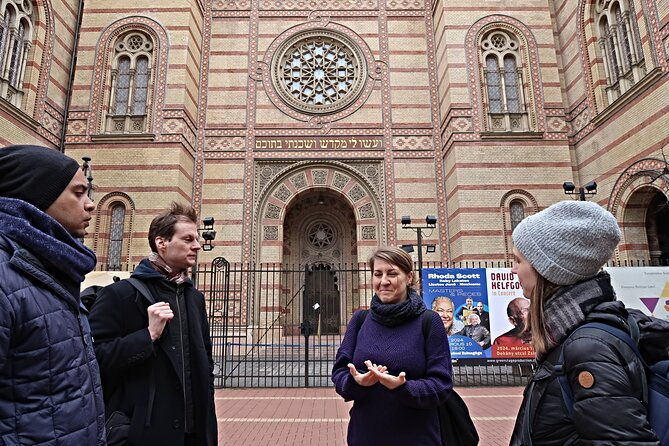 3 / 9
3 / 9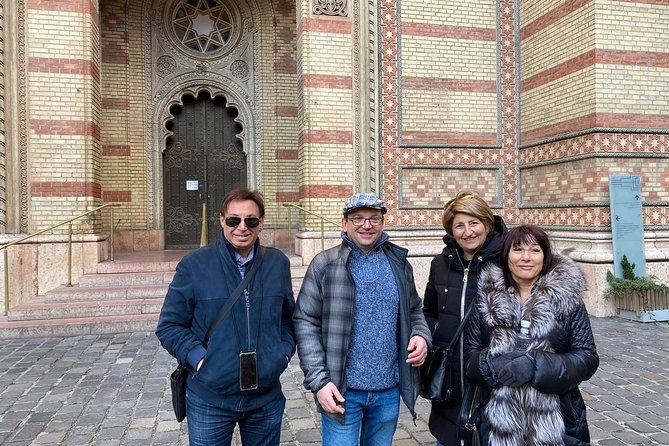 4 / 9
4 / 9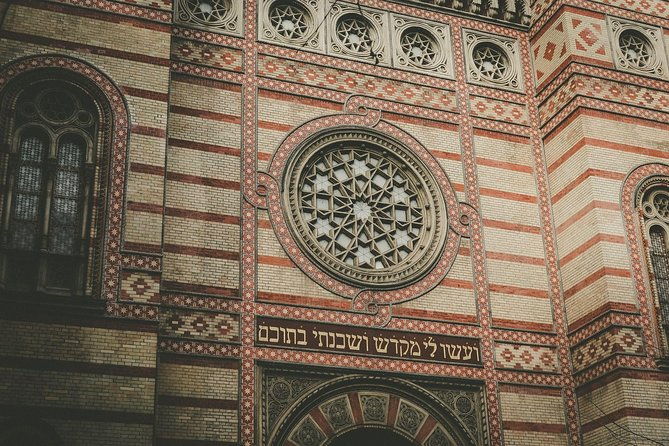 5 / 9
5 / 9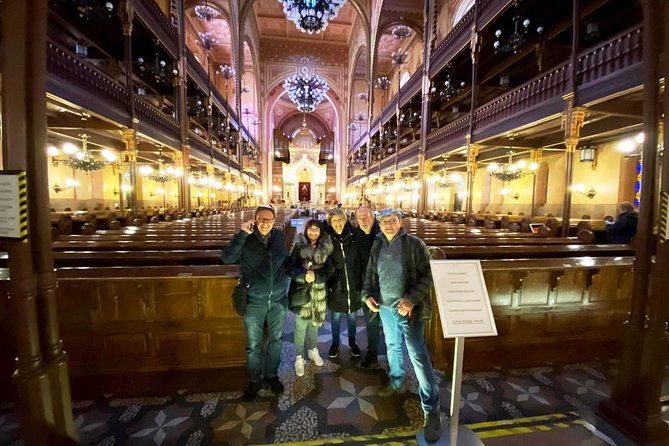 6 / 9
6 / 9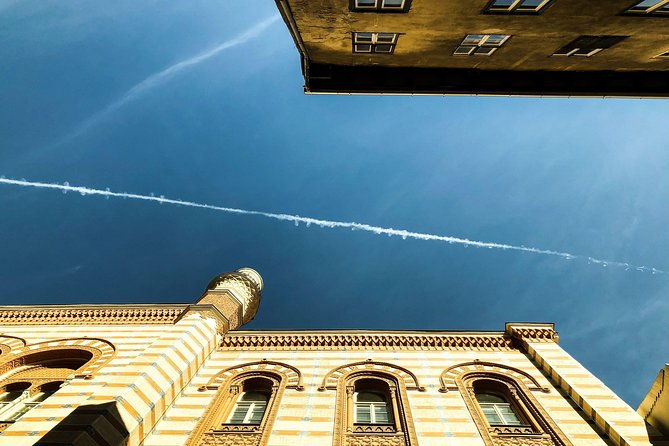 7 / 9
7 / 9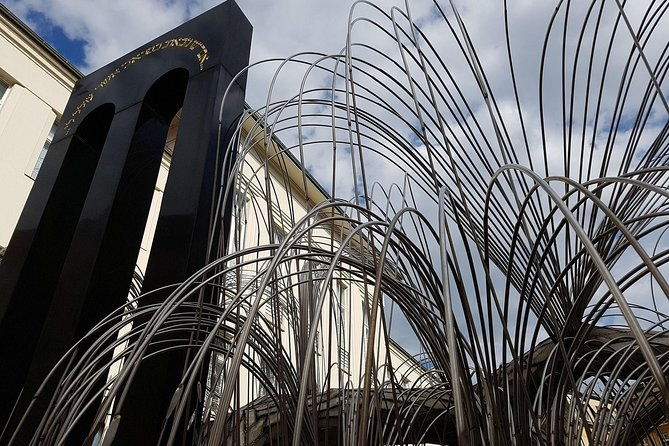 8 / 9
8 / 9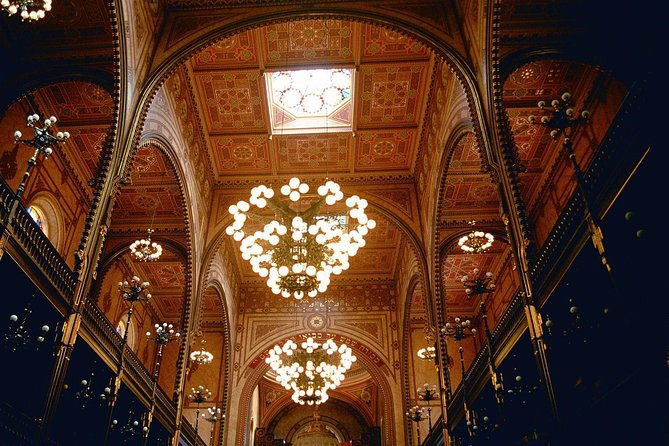 9 / 9
9 / 9-
Explore the historic Pest Ghetto, the former vibrant Jewish quarter, and visit the iconic Dohány Street Synagogue, one of the largest in the world.
-
Discover the unique architectural features and cultural significance of Hasidic shtibls and Sephardic prayer houses in the VII and VIII districts.
-
Visit the Buda Castle District, a UNESCO World Heritage site, and explore the Matthias Church and Fisherman’s Bastion with their remarkable architectural heritage.
-
Reflect on the resilience and adaptability of Budapest’s Jewish community by learning about their history and the losses suffered during the Holocaust.
-
Pay respects at the Shoes on the Danube Bank Memorial, a poignant tribute to the Jewish victims of World War II.

👉 See our pick of the 14 Most Highly Rated Wine Tours In Budapest
Exploring the Pest Ghetto
The tour begins by exploring the historic Pest Ghetto, where visitors discover the remnants of the once-thriving Jewish quarter.
They stroll through narrow streets, uncovering the complex history etched into the buildings and alleyways.
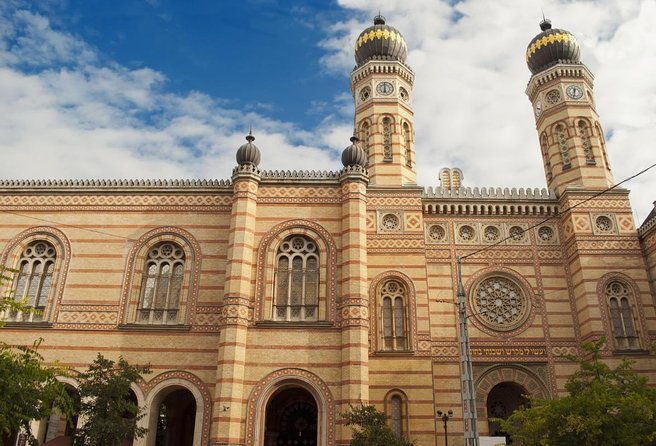
The group visits the Dohány Street Synagogue, one of the largest synagogues in the world, and the Kazinczy Street Synagogue, a stunning example of Moorish Revival architecture.
Along the way, the guide shares insights into the vibrant cultural and religious life that once flourished in this neighborhood, now a poignant reminder of the devastating losses during the Holocaust.
You can also read our reviews of more walking tours in Budapest


Visiting the Dohány Synagogue
Visitors arrive at the iconic Dohány Street Synagogue, the largest synagogue in Europe and a stunning example of Moorish Revival architecture.
This magnificent temple features:
- Ornate domes and elaborate carvings.
- Impressive bronze doors and columns.
- A museum showcasing Jewish history and culture.
- The Tree of Life memorial, honoring Hungarian Jews murdered during the Holocaust.
The interior dazzles with its vibrant colors, intricate details, and soaring spaces.
Guided tours provide insights into the synagogue’s symbolic elements and its pivotal role in Budapest’s Jewish community.
Departing, visitors reflect on the synagogue’s enduring significance as a symbol of resilience and faith.
Discovering Hasidic Shtibls and Sephardic Prayer Houses
As the walking tour progresses, participants venture into the vibrant VII and VIII districts, where they discover a rich tapestry of Hasidic shtibls and Sephardic prayer houses.
These intimate, community-oriented spaces reflect the diverse Jewish traditions that have flourished in Budapest. Visitors learn about the unique architectural features, rituals, and customs that define these sacred spaces.
They gain a deeper appreciation for the resilience and adaptability of Budapest’s Jewish community, which has maintained its traditions despite historical challenges.
The tour provides a glimpse into the dynamic and multifaceted nature of Jewish life in the city.
Exploring the Buda Castle District
From the vibrant Jewish neighborhoods, the tour now leads participants to the historic Buda Castle district.
This UNESCO World Heritage site offers a glimpse into Hungary’s regal past. The group will explore:
- The iconic Matthias Church, known for its colorful tiled roof
- Fisherman’s Bastion, a Neo-Romanesque terrace with sweeping views of the Danube
- The former Royal Palace, home to the Hungarian National Gallery
- Cobblestone streets and hidden courtyards that evoke medieval Budapest
This tranquil district provides a serene contrast to the bustling Pest side, allowing visitors to enjoy the city’s rich history and architectural splendor.
Unveiling the History of the Óbuda Synagogue
The tour now leads participants to the historic Óbuda Synagogue, one of the oldest synagogues in Budapest.
Constructed in the late 18th century, this synagogue exemplifies the Neoclassical architectural style prevalent in the era. Visitors marvel at the building’s imposing facade and elegant interior, featuring richly decorated arched windows and an intricate, gilded ark.
The guide shares the synagogue’s fascinating history, including its role as a center of religious and cultural life for the local Jewish community.
Participants gain a deeper understanding of the enduring significance of this landmark, which continues to serve as a testament to Budapest’s rich Jewish heritage.



Understanding the Significance of the Rumbach Street Synagogue
After exploring the Óbuda Synagogue, the tour now leads participants to the Rumbach Street Synagogue, another significant landmark in Budapest’s Jewish heritage.
Constructed in the late 19th century, this synagogue exemplifies Moorish Revival architecture, featuring intricate arches, domes, and detailed ornamentation.
Key elements include:
- Striking exterior with a prominent dome and minaret-inspired towers
- Ornate interior with magnificent stained-glass windows and celestial motifs
- Crucial role as a center of Neolog Judaism, a progressive stream within Hungarian Jewry
- Historical significance as a site of both religious and communal gatherings
The Rumbach Street Synagogue offers a window into Budapest’s diverse Jewish past.
Honoring the Victims at the Shoes on the Danube Bank Memorial
As the walking tour concludes, participants arrive at the Shoes on the Danube Bank, a somber memorial honoring the Jewish victims massacred during World War II.
The memorial consists of 60 pairs of iron shoes, representing the lives taken on the banks of the Danube River. This powerful tribute was erected in 2005 to commemorate the atrocities committed by the Arrow Cross militia, who forced Jews to remove their shoes before executing them.
The memorial serves as a poignant reminder of the horrors of the Holocaust and the need to remember and honor those who perished.
Frequently Asked Questions
What Is the Policy Regarding Photography During the Tour?
The tour does not explicitly mention photography policies. However, visitors should be respectful and follow any instructions provided by the guide, as photography may be restricted in certain religious sites during the tour.
Are Children and Infants Welcome on This Tour?
Children and infants are welcome on the tour, but the experience may not be suitable for very young travelers. The tour operator recommends checking with them in advance to ensure the tour meets the needs of any children participating.
Can the Tour Be Customized or Personalized for Specific Interests?
The tour can be customized or personalized for specific interests. Participants can work with the tour provider to tailor the itinerary to focus on areas of particular interest, such as architecture, history, or religious traditions.
Is There Any Recommended Attire for Visiting the Synagogues?
The tour requires visitors to dress modestly when visiting synagogues, with shoulders and knees covered. This is a common dress code for most religious sites in order to show respect for the sacred spaces.
Is There an Option to Extend the Tour Duration or Add Additional Stops?
While the standard tour duration is 3 hours, the operator may offer options to extend the tour or add additional stops upon request. Travelers should check with the operator for any customization possibilities to meet their specific interests.
The Sum Up
The walking tour of Jewish Budapest offers a profound and moving exploration of the city’s rich Jewish heritage. Visitors enjoy the vibrant culture, architecture, and history, from the majestic Dohány Synagogue to the poignant Shoes on the Danube Bank memorial. This journey through the resilient Jewish community provides a powerful and unforgettable experience, honoring the past and celebrating the enduring spirit of the Jewish people in Budapest.