
Saint-Tropez has no train station. That’s the first thing you learn when you try to get there, and it tells you everything about the place. A fishing village that became a playground for the rich didn’t need public transport because the people it was designed for arrived by yacht. For the rest of us, the best way in from Nice or Cannes is by boat — a 75-minute crossing that turns the commute into part of the experience.
Cannes and Saint-Tropez sit on the same stretch of French Riviera coast but feel like different planets. Cannes is a working city with a film festival, a conference centre, and people who commute. Saint-Tropez is a village that plays at being a city for three months a year, then goes back to being a village. Both are worth seeing. The question is how to fit them into a trip that’s probably based in Nice.
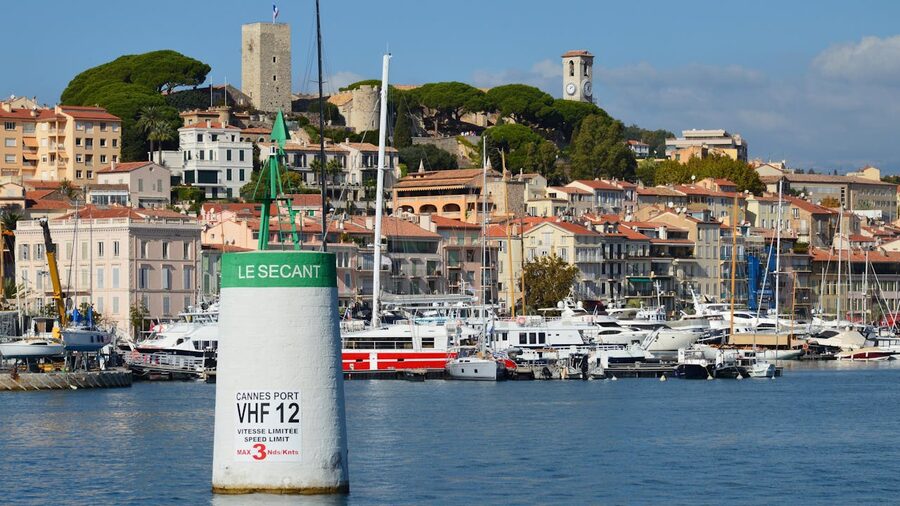
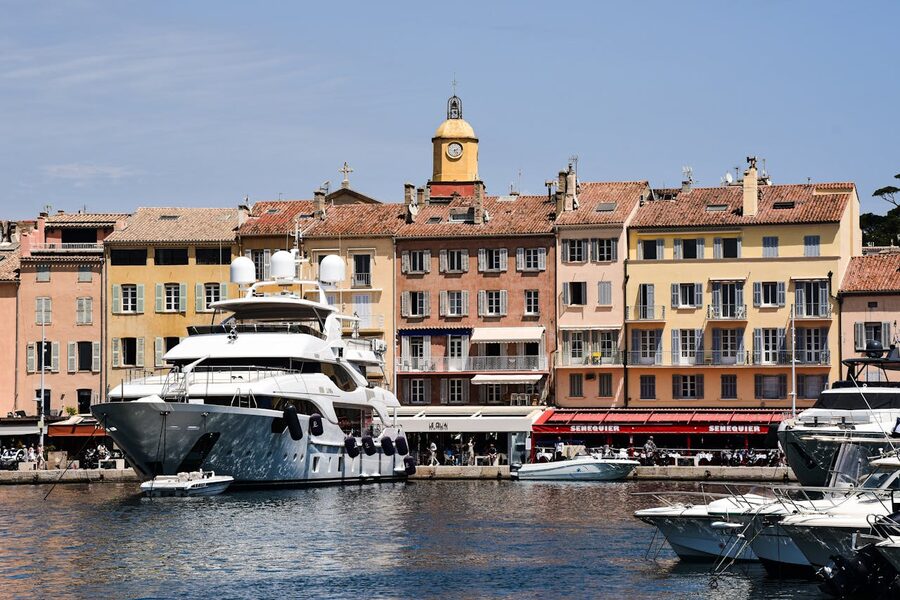
Best day trip from Nice: Riviera Day Trip: Cannes to Monte-Carlo — $151, 9 hours, covers Cannes, Antibes, and Monaco in one day.
Best ferry from Nice: Nice to Saint-Tropez Ferry — $125, full day, direct boat crossing with time to explore.
- Getting to Cannes from Nice
- What to Do in Cannes
- Getting to Saint-Tropez
- What to Do in Saint-Tropez
- The Beaches: Why People Actually Come
- Best Tours and Transfers to Book
- 1. Cannes to Saint-Tropez Round-Trip Boat —
- 2. French Riviera Day Trip: Cannes to Monte-Carlo — 1
- 3. Nice to Saint-Tropez Ferry — 5
- When to Visit
- Practical Tips
- The Food Scene
- More Riviera Experiences
Getting to Cannes from Nice
Cannes is the easy one. The train from Nice takes 30-40 minutes, runs every 15-20 minutes, and costs about €8. The station is a 10-minute walk from the harbour and the Croisette. You can comfortably do Cannes as a half-day trip from Nice and be back for dinner.
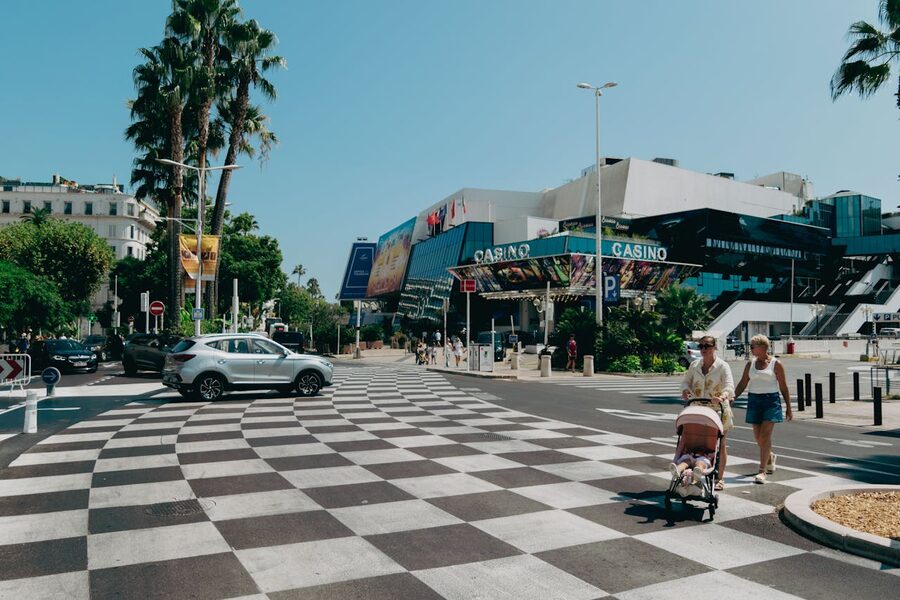
The guided day trip from Nice ($151) covers Cannes plus other Riviera stops — typically Antibes, Saint-Paul-de-Vence, and Monaco — in 9 hours. It’s the better option if you want to see the whole coast in one shot and don’t want to navigate train schedules. But if Cannes specifically is your destination, the train is cheaper and gives you more control over your time.
What to Do in Cannes
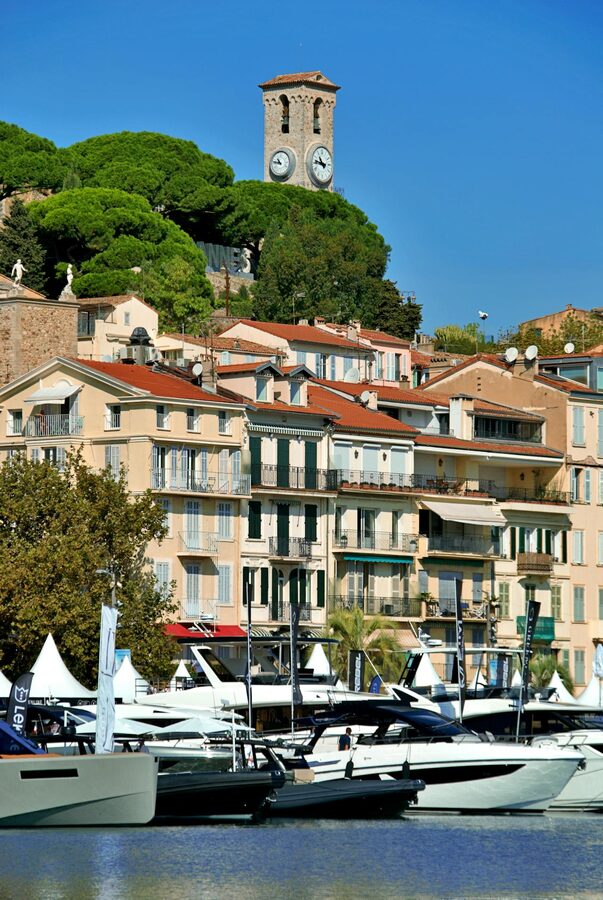
Walk the Croisette, obviously. But then get off it. Le Suquet — the old town on the hill above the harbour — is where Cannes existed before the film festival turned it into a brand. Narrow streets, a 12th-century church, a small castle with a museum, and views over the bay that make you understand why Lord Brougham decided to build a holiday home here in 1834 and accidentally started the entire Riviera tourism industry.
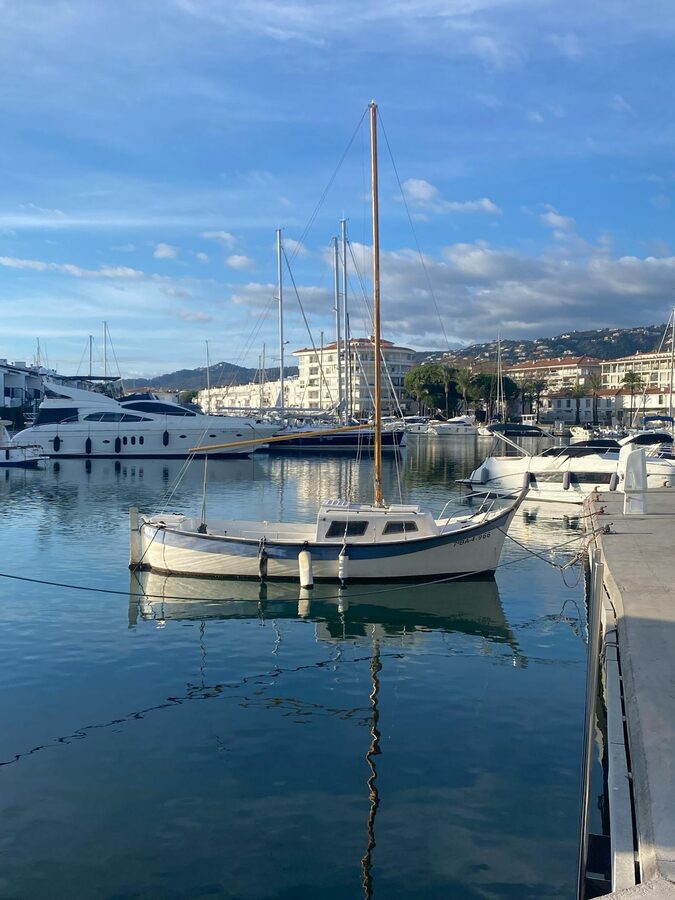
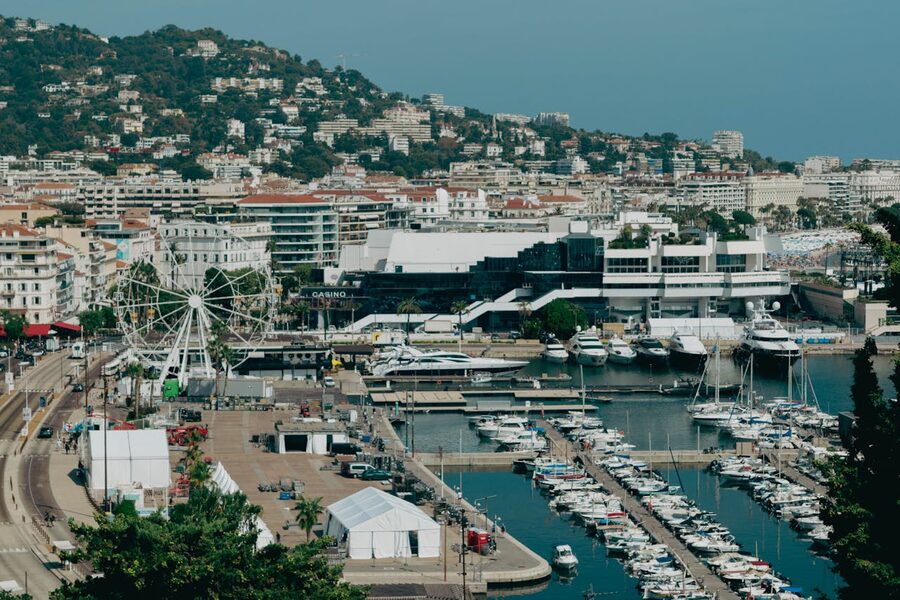
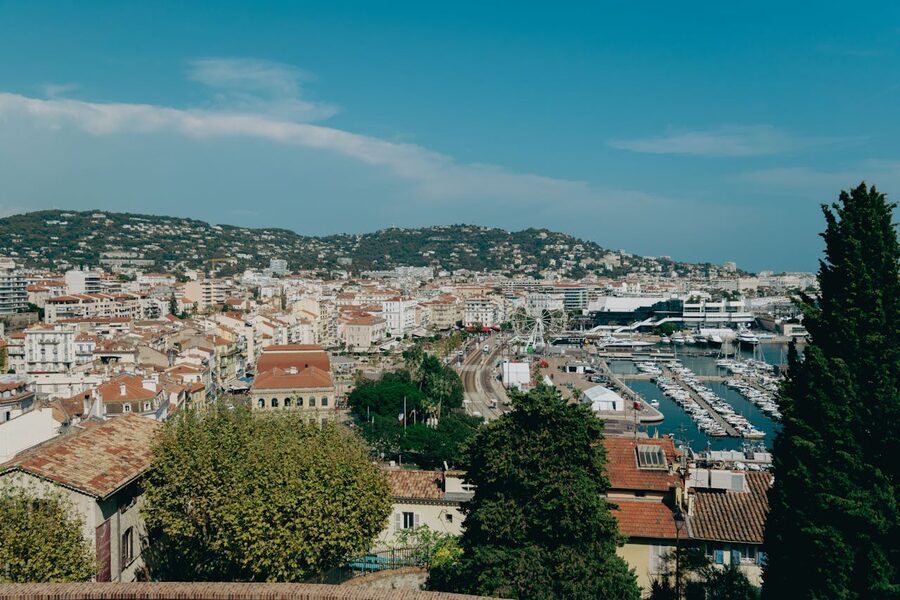
The Îles de Lérins deserve special mention. Two islands 15 minutes offshore by ferry — Île Sainte-Marguerite (where the Man in the Iron Mask was imprisoned) and Île Saint-Honorat (where Cistercian monks still make wine and lavender honey). The ferry runs regularly from the harbour and costs about €15 return. Sainte-Marguerite has hiking trails through pine forests and the fort is genuinely interesting. Saint-Honorat is quieter — vineyards, a medieval monastery, and maybe 20 travelers on a busy day.
Getting to Saint-Tropez
Saint-Tropez is the logistics challenge. No train. The road from Nice takes 2-3 hours depending on traffic (and in summer, it’s always traffic). The smart options are by boat.
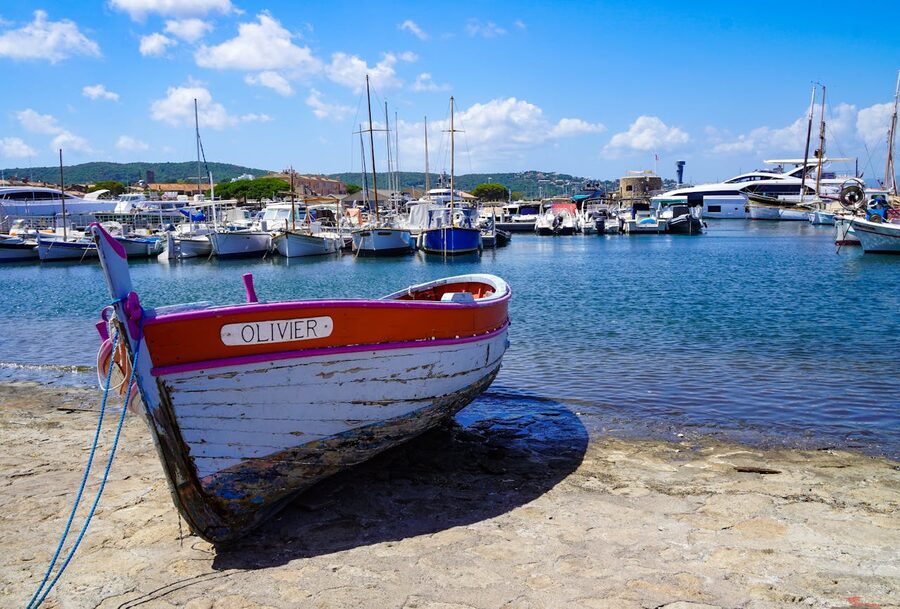
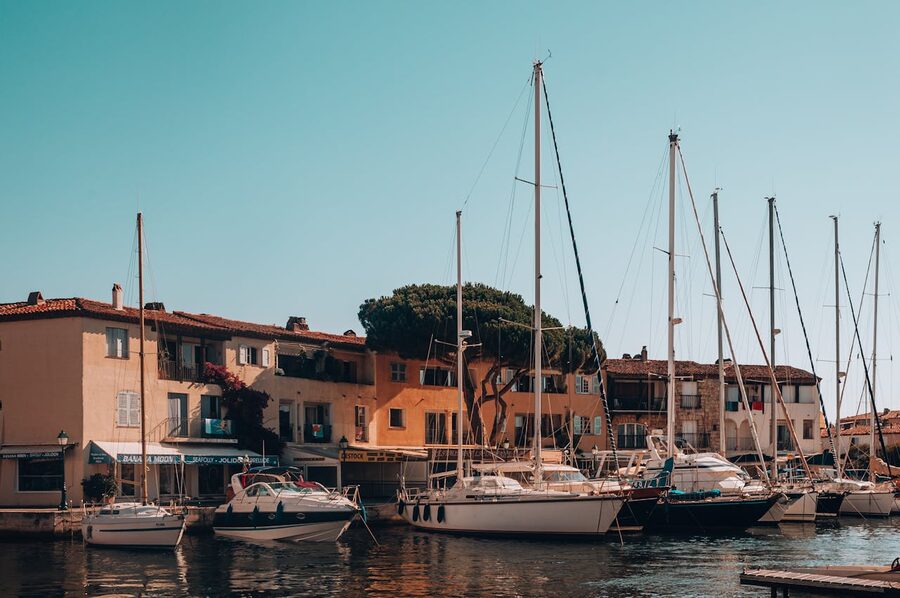
From Cannes by boat: The round-trip transfer ($95) takes 75 minutes each way and gives you about 4-5 hours in Saint-Tropez. Boats depart in the morning and return in the late afternoon. The crossing follows the coast, passing the Maures massif and the Îles d’Hyères. It’s the most scenic approach and avoids the traffic entirely.
From Nice by ferry: The Nice-Saint-Tropez ferry ($125) takes about 2.5 hours each way and gives you around 5 hours in the village. It’s a longer crossing — open sea rather than coastal — and can be rough if the mistral is blowing. Check the weather forecast before booking, and take seasickness medication if you’re prone.
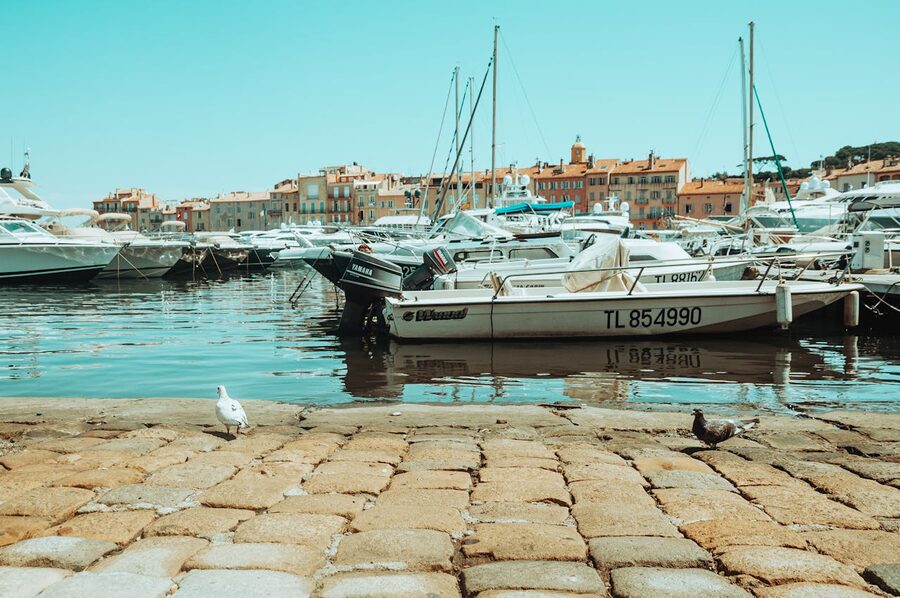
What to Do in Saint-Tropez
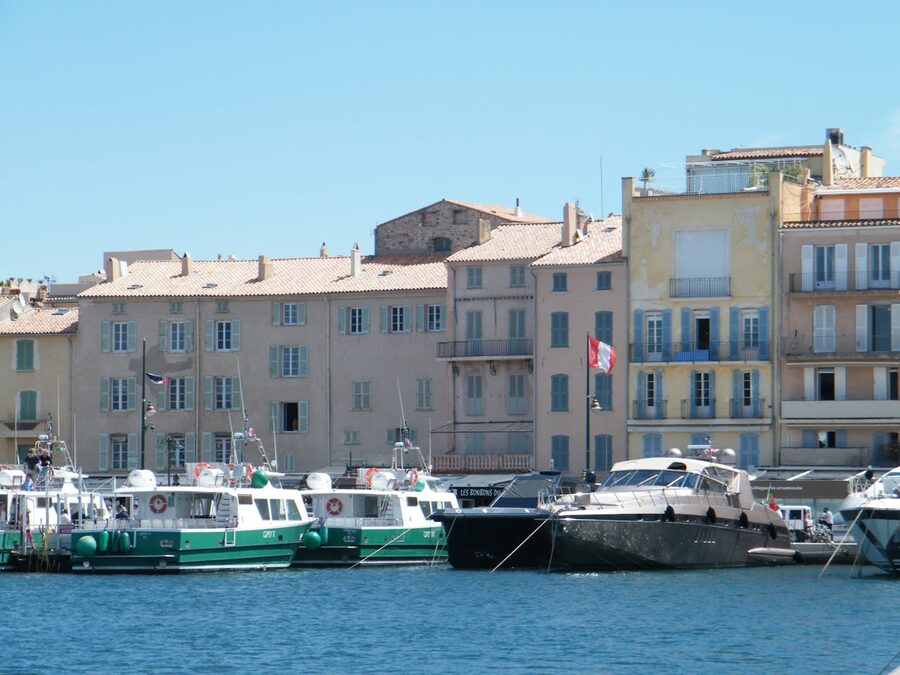
Saint-Tropez is a village. It takes about 45 minutes to walk from one end to the other. That’s its power and its limitation — everything is accessible on foot, but there isn’t a huge amount to “do” beyond walking, eating, drinking, and people-watching.
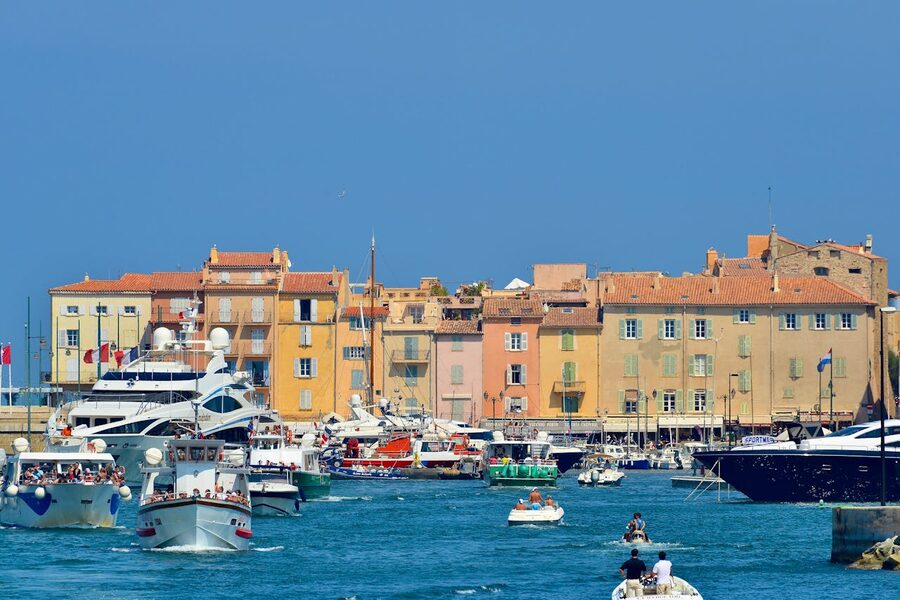
The Musée de l’Annonciade is the cultural highlight — a small art museum in a converted chapel with an excellent collection of post-Impressionist and Fauvist paintings, including works by Matisse and Signac who both worked in Saint-Tropez. The Citadelle on the hill above the village has panoramic views and a maritime museum. The Place des Lices is the local square where pétanque players still gather under plane trees — the most photographed pétanque court in France.
The Beaches: Why People Actually Come
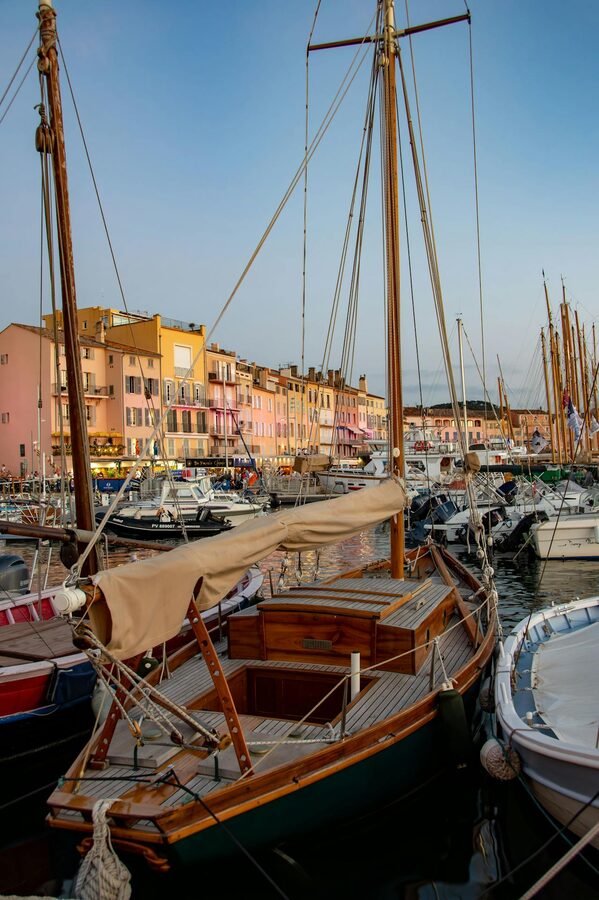
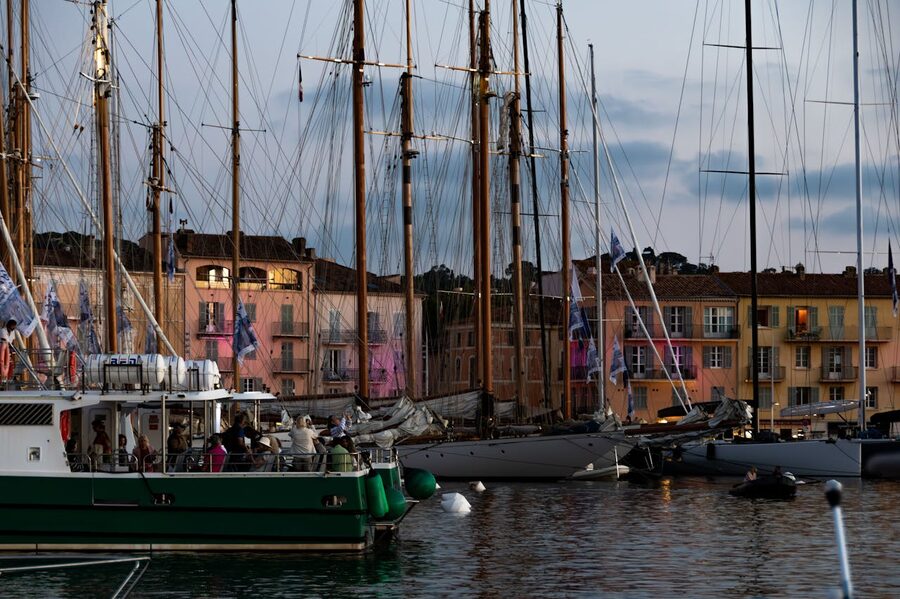
Let’s be honest — most visitors come to the Riviera for the water and the sun, not the culture. Both Cannes and Saint-Tropez deliver on this front, though the beach experiences are quite different.
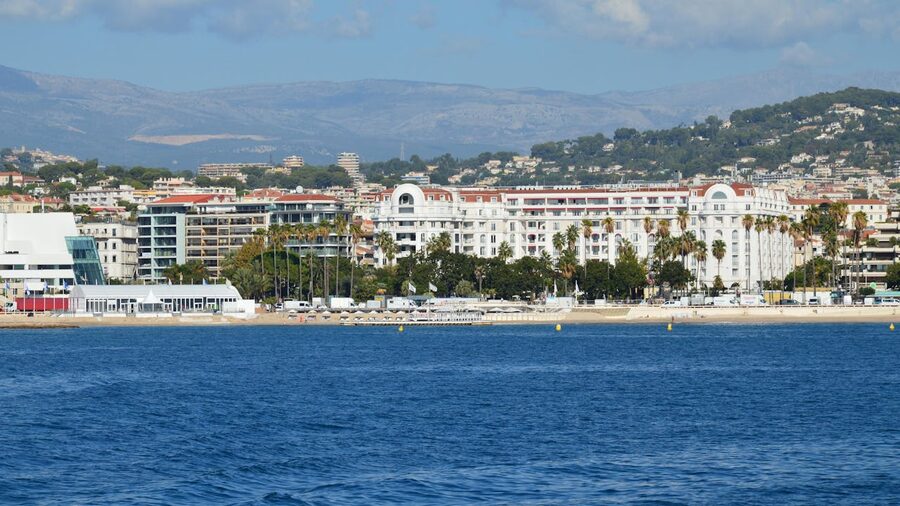
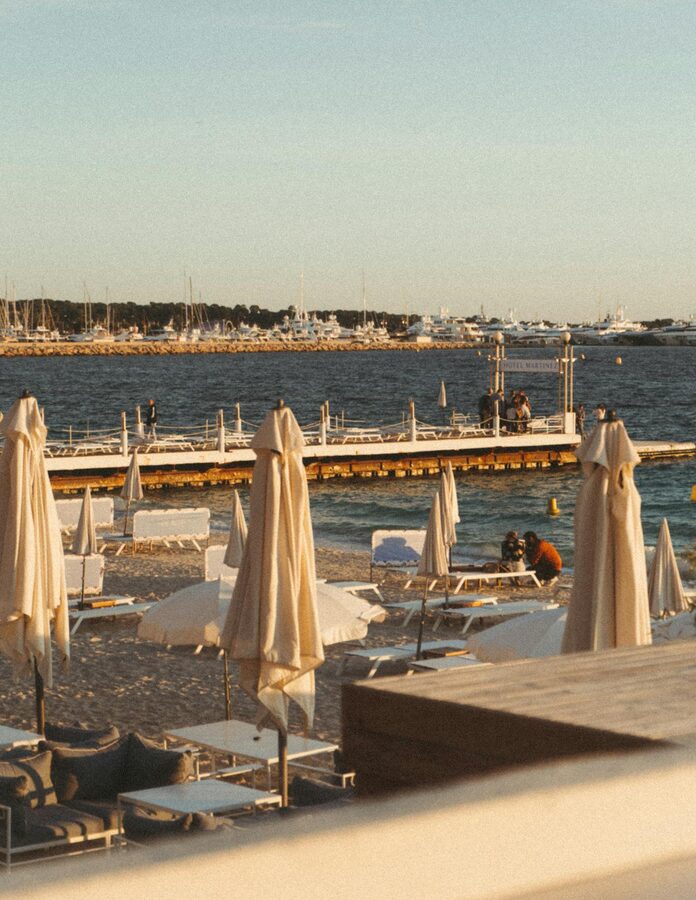
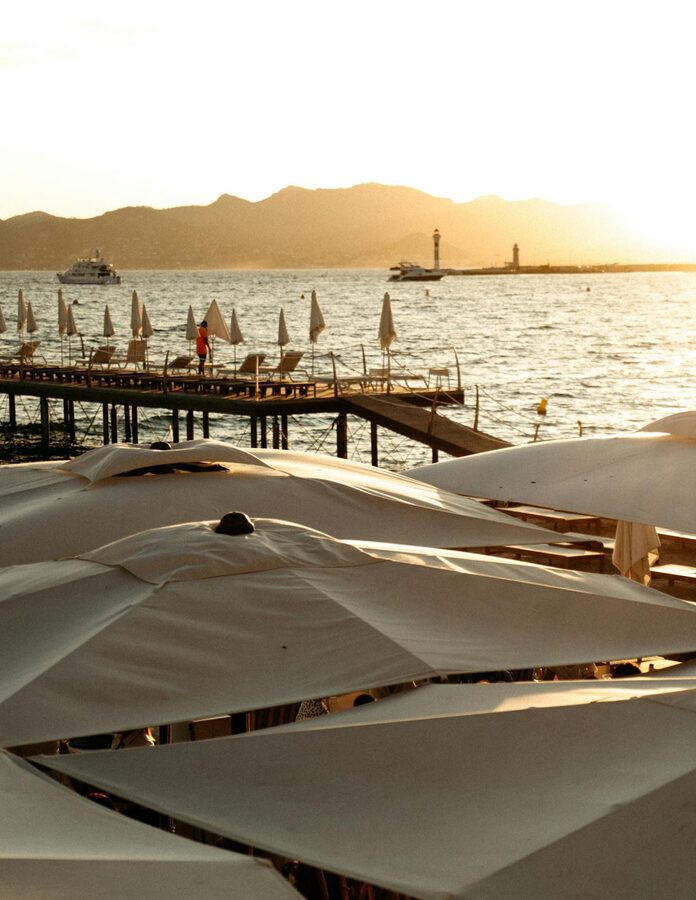
Cannes’s beaches line the Croisette and extend east toward the Pointe Croisette. They’re sandy (not pebble, unlike Nice), well-maintained, and divided between public sections and private beach clubs. The public beaches are free and perfectly fine. The private clubs (€20-40 per day for a sunbed) add table service, cleaner sand, and the ability to order cocktails without getting up.
The beaches are south of the village — Plage de Pampelonne is the famous one, about 5km from the centre. It’s where the beach clubs are (Nikki Beach, Club 55, Tahiti Plage), and a sunbed costs €30-60 per day. The public sections of the same beach are free and just as sandy. A local bus connects the village to the beaches in summer.
Best Tours and Transfers to Book
1. Cannes to Saint-Tropez Round-Trip Boat — $95
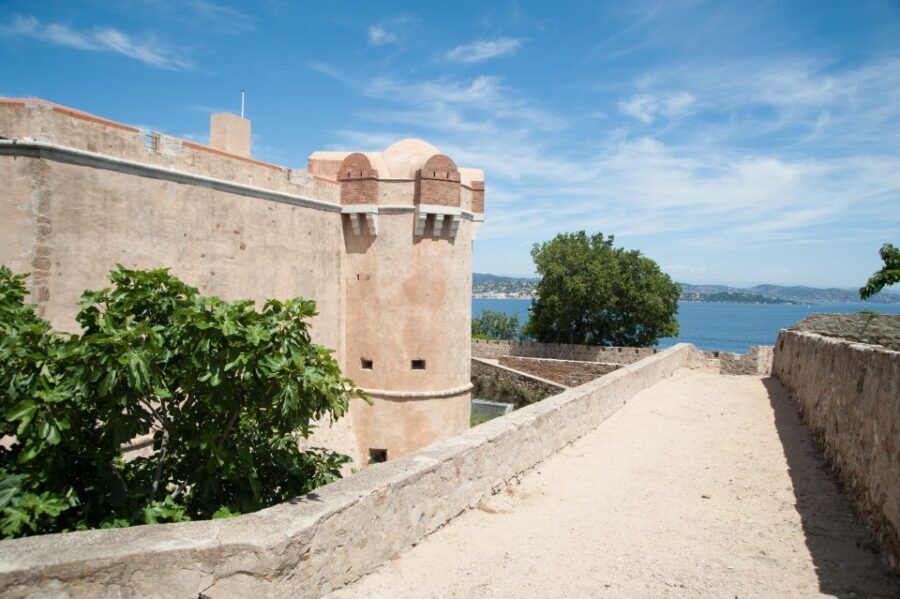
The most practical way to reach Saint-Tropez if you’re in Cannes. The 75-minute crossing is scenic, the schedule gives you 4-5 hours in the village, and you avoid the notorious D-road traffic that can add 2 hours to a car journey. Our review covers the boat type, the departure point, and what to do with your 4-5 hours once you’re there.
2. French Riviera Day Trip: Cannes to Monte-Carlo — $151
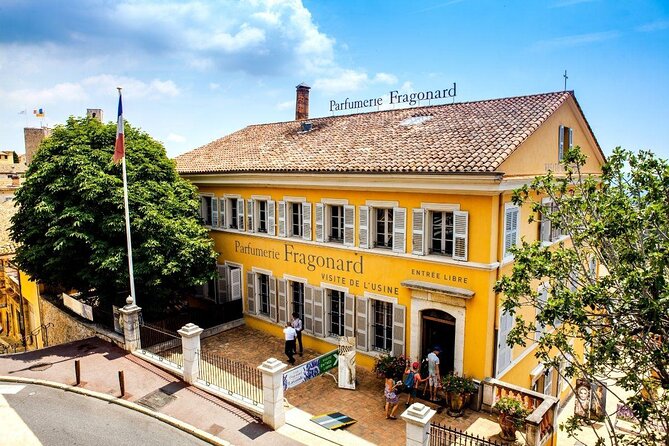
This doesn’t go to Saint-Tropez, but it covers the three other Riviera highlights in a single day from Nice. Cannes for the Croisette and harbour, Antibes for the old town and Picasso Museum, and Monte-Carlo for the casino and royal palace. Small group (max 8), which keeps the vehicle nimble on the corniche roads. Our review breaks down the time spent at each stop and whether the pace feels rushed or comfortable.
3. Nice to Saint-Tropez Ferry — $125
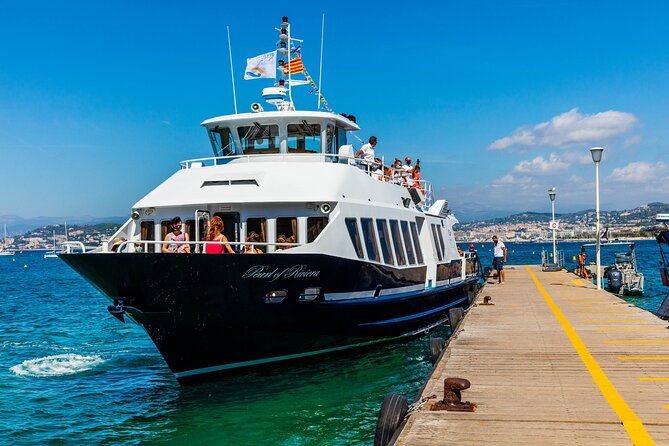
The most convenient option if you’re based in Nice and want to reach Saint-Tropez without involving cars or trains. The ferry departs from Nice port and arrives directly at Saint-Tropez harbour. The 4.0 rating across 320 reviews reflects the longer crossing time (2.5 hours each way), which some visitors find tiring. Our review covers sea conditions, the best seats on the boat, and whether the time-on-water is worth it vs. the Cannes route.
When to Visit
Cannes: Good year-round. The film festival (mid-May) makes the city electric but accommodation prices quadruple. September and early October are the sweet spot — warm water, fewer crowds, and the light is arguably better than in midsummer.
Saint-Tropez: Seasonal. The village comes alive from Easter through October. Peak season (July-August) is crowded, expensive, and gridlocked on the roads. June and September are perfect — warm enough for beach clubs, quiet enough to actually enjoy the village. In winter, most restaurants and shops close and the population drops from summer thousands to about 5,000 permanent residents.
Practical Tips
Budget: Cannes is expensive but manageable. A harbour-side lunch is €20-35. A beer is €6-8. Saint-Tropez is significantly pricier — harbour restaurants charge €30-50 for lunch, and a rosé at Sénéquier costs €12. Both destinations are cheaper if you eat one street back from the waterfront.
The Food Scene
Both towns eat well, but the style differs. Cannes has a broader restaurant scene — everything from Michelin-starred establishments to cheap Vietnamese noodle shops in the back streets. The Marché Forville is the food lover’s starting point: cheese, olives, fresh pasta, and Provençal produce at prices that remind you this is a working market, not a tourist attraction.
Saint-Tropez’s food scene is more concentrated and more expensive. The harbour restaurants are overpriced for what they serve (you’re paying for the view). But one street back, places like L’Aventure and La Tarte Tropézienne serve genuinely excellent food at reasonable prices. The tarte tropézienne — a cream-filled brioche cake invented here in the 1950s — is the one thing you must eat before leaving.
Getting around Cannes: Walk. The town is compact — Croisette to old town takes 15 minutes. The ferry to Île Sainte-Marguerite departs from the end of the harbour (Quai Laubeuf).
Getting around Saint-Tropez: Walk in the village. For the beaches (5km south), take the local navette bus (€3) or rent a scooter. Taxi from the harbour to Pampelonne beach costs about €20.
Combining Cannes and Saint-Tropez: Take the morning train from Nice to Cannes (40 min), explore Cannes for the morning, catch the afternoon boat to Saint-Tropez (75 min), spend the afternoon and early evening in Saint-Tropez, then take the return ferry to Cannes and the train back to Nice. It’s a long day but it’s doable and covers both towns.
More Riviera Experiences
The French Riviera from Nice offers enough day trips to fill a week. The Eze, Monaco, and Monte Carlo route covers the eastern Riviera in a day. The Gorges du Verdon day trip takes you inland to Europe’s deepest canyon. The Nice walking and food tours explore the city itself in depth. And the Provence day trips cover the lavender fields, Luberon villages, and Camargue that lie just west of the Riviera. Between the coast and the interior, southern France has enough variety to keep you busy for a month.