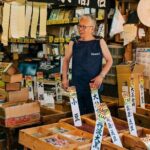
A charming hands-on experience in Tokyo you shouldn’t miss — creating a short apron from beautiful vintage kimono, yukata, and tenugui fabrics. This workshop offers a unique blend of cultural craft, sustainable upcycling, and relaxed atmosphere, perfect for those wanting a break from busy sightseeing or seeking an authentic souvenir.
What makes this experience stand out? First, the opportunity to work with over 100 different fabric patterns, all vintage pieces that carry their own stories. Second, the intimate, quiet setting in a small group—limiting to just three participants—ensures personalized attention. Third, the inclusion of traditional Japanese drinks like matcha latte or tea, along with light snacks, creates a cozy, welcoming vibe.
However, a potential consideration is the location—small stations and a residential neighborhood can make this a bit tricky to find, especially if you’re relying on express trains. It’s not wheelchair accessible or suitable for children under 12, so plan accordingly. Nonetheless, for those eager to craft, learn, and indulge in a bit of Japanese culture away from the crowds, this workshop offers remarkable value.
This experience is particularly well-suited for travelers interested in traditional crafts, eco-friendly souvenirs, or those looking for a peaceful, private activity during their Tokyo trip.
Key Points
 1 / 6
1 / 6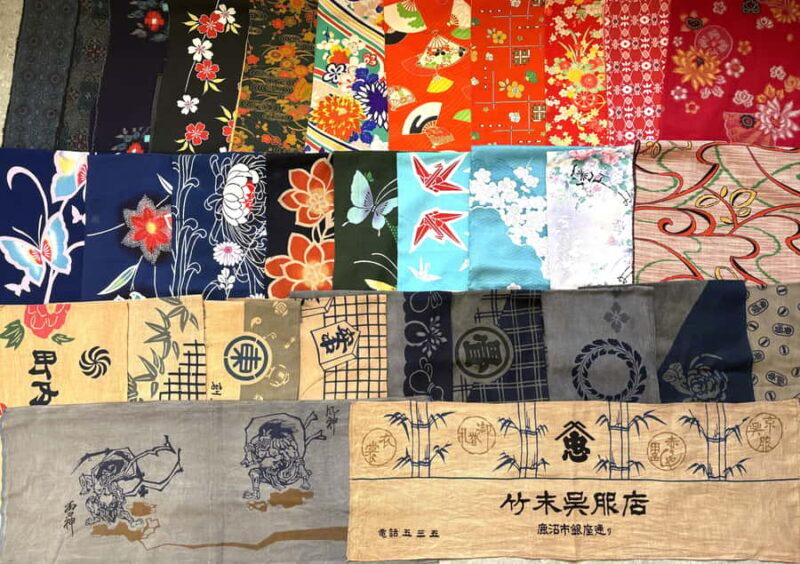 2 / 6
2 / 6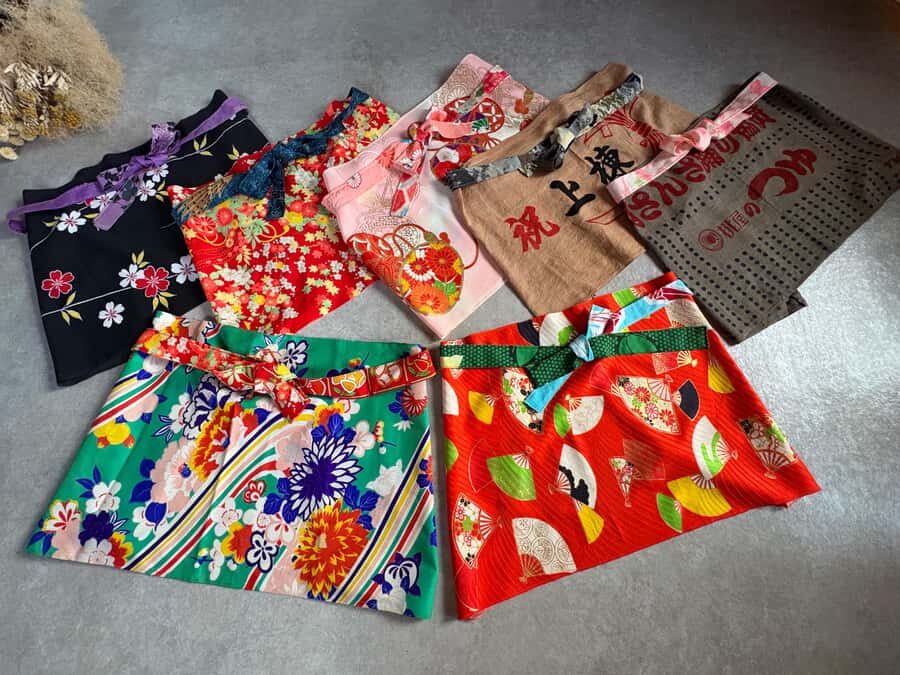 3 / 6
3 / 6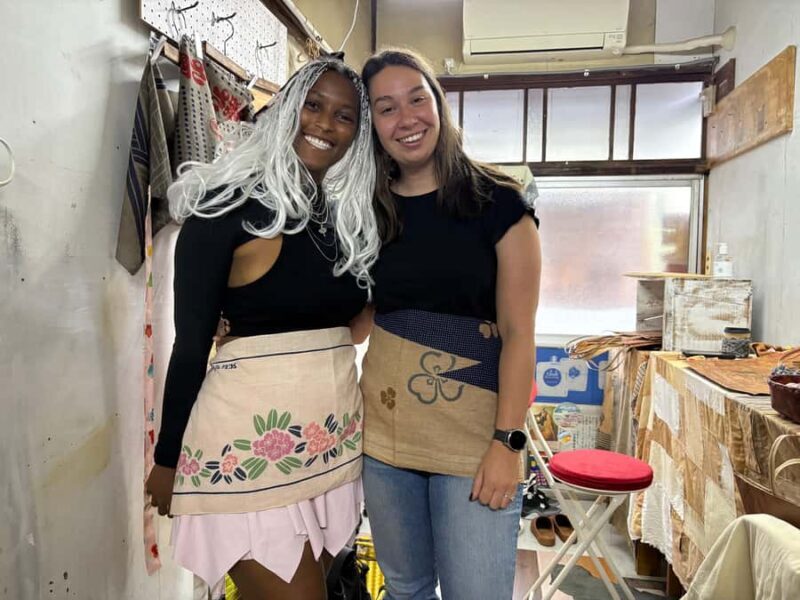 4 / 6
4 / 6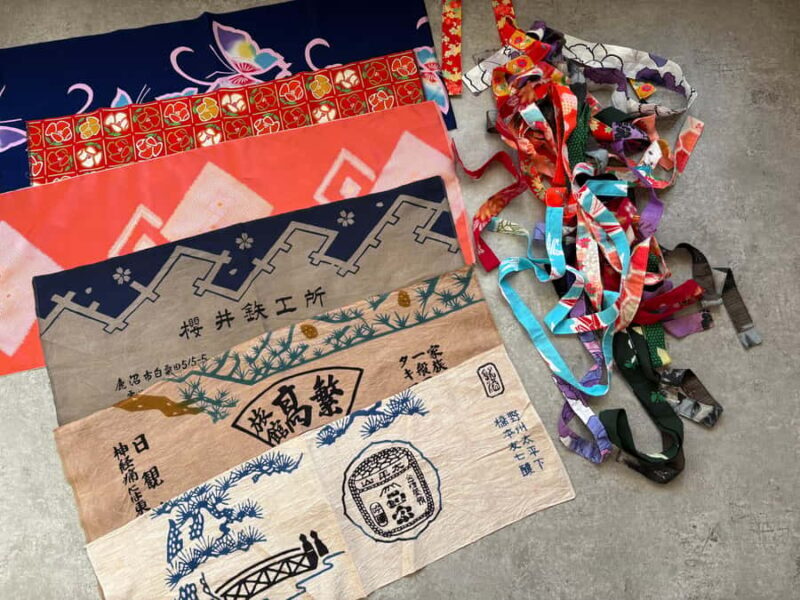 5 / 6
5 / 6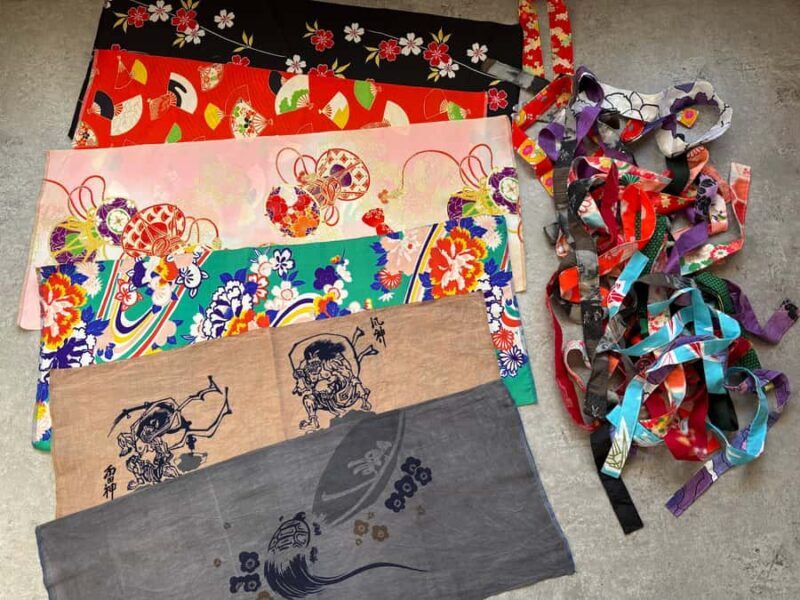 6 / 6
6 / 6- Authentic Cultural Craft: Make a one-of-a-kind apron from vintage kimono or yukata fabric, reusing materials with a sustainable focus.
- Intimate Setting: Small group sizes (max 3 people) guarantee personalized guidance and a relaxed atmosphere.
- Cultural Insights: Host Tomoe shares stories about her fabrics, offering deeper understanding of Japanese textiles and upcycling.
- Creative Freedom: Choose from over 100 patterns and colors, making your apron a true reflection of personal style.
- Convenient & Unique Location: While a bit off the beaten path, the studio offers a peaceful escape in a quiet residential neighborhood.
- Inclusion of Beverages: Sip on Japanese tea, matcha lattes, or coffee while crafting, enhancing the experience’s comfort and charm.

👉 See our pick of the Top 15 Tours & Experiences In Tokyo
What to Expect from the Workshop
Starting with a warm welcome from Tomoe, the shop owner and upcycling expert behind meihana, you’ll be introduced to her mission of giving old fabrics new life. Her passion for traditional Japanese textiles and sustainable fashion shines through, making this experience more meaningful than just sewing.
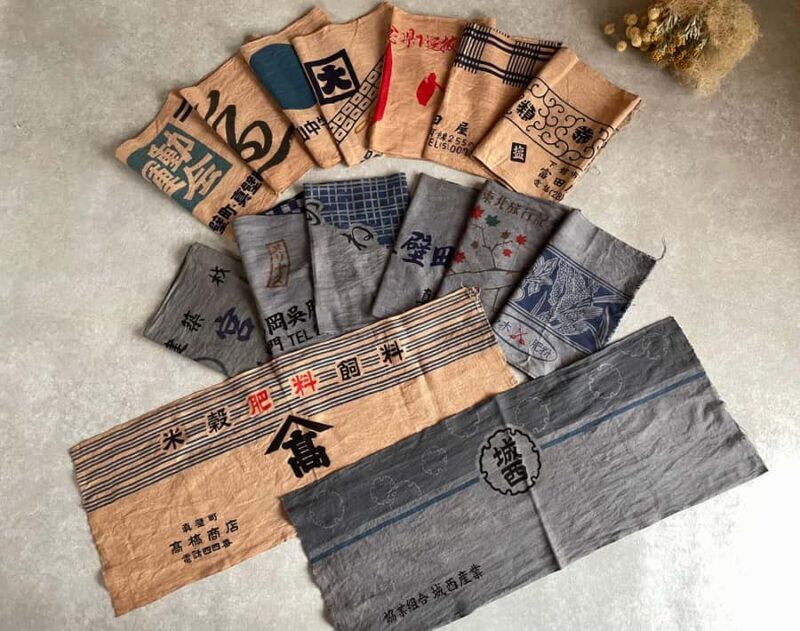
The process kicks off with selecting from over 100 fabric patterns—a treasure trove of vintage kimono, yukata, and tenugui pieces. Each fabric carries its own character, often featuring classic Japanese motifs or characters, something appreciated by reviewers who enjoyed learning about their origins. One guest from Canada even mentioned how Tomoe took the time to explain where each tenugui she selected came from, elevating the experience from craft to cultural storytelling.
Once fabrics are chosen, the real fun begins. You’ll pick a color thread, sew on a string, and then attach the fabric to form your apron. Tomoe provides assistance throughout, ensuring even sewing novices can complete their project confidently. The straightforward, step-by-step guidance makes it accessible for beginners, and many reviews praise her helpfulness and patience.
In just about an hour, you’ll have a charming apron—ready to wear immediately or take home as a heartfelt souvenir. Reviewers have noted that this makes a wonderful keepsake to remember Japan’s traditional fabrics and craftsmanship. Plus, wearing your handmade apron during sightseeing adds an extra layer of fun and authenticity to your trip.
Following the craft, you can relax in the cozy, old house studio while sipping on Japanese tea, matcha milk, or coffee. Some light snacks are also available, creating a perfect setting to unwind and chat. As Tomoe mentioned, she hopes visitors feel as comfortable as if they’re visiting a friend’s home in Japan.
An added touch appreciated by many—at the end of the workshop, you receive a small upcycled gift, showcasing Tomoe’s creative flair and commitment to sustainability. It’s these little extras that make the experience stand out, according to multiple reviewers.
You can also read our reviews of more tours and experiences in Tokyo.



Practical Details & Logistics
Getting to the studio requires a bit of planning—it’s located in a residential neighborhood, about a 10-minute walk from Kanegafuchi Station (Tobu Skytree Line) or Yahiro Station (Keisei Line). Both stations are small, with no express trains stopping, so be prepared to take local trains and walk. Several reviewers mention that the area around the house is quiet and charming, with traditional scenery that feels a world away from Tokyo’s busy streets.
The workshop duration is just 1 hour, making it a perfect quick activity between other sightseeing plans. The small group size, limited to three participants, ensures personal attention and a relaxed vibe. The experience is available for reserving now with flexible payment options, including free cancellation up to 24 hours beforehand. This makes it easy to fit into your travel schedule without stress.
Pricing offers good value, especially considering you get to keep a handcrafted apron made from vintage fabrics, plus enjoy drinks and a small upcycled gift. The focus on eco-friendly reuse adds a meaningful layer of value, aligned with modern sustainable travel trends.
Note that the workshop isn’t suitable for children under 12, wheelchair users, visually impaired individuals, or those over 80, due to the old house setting and physical activity involved.
Authentic Reviews from Participants
Many past visitors highlight how personal and enriching this experience truly is. One guest from Australia simply said, “Making the apron was an easy beginner sewing activity with a wonderful host,” summarizing the accessibility and warmth of the session.
Lindsay from Canada appreciated the storytelling aspect, noting how Tomoe shared details about her fabrics and her background in fashion in Canada, making the experience both educational and relaxing. She also enjoyed the gifts Tomoe gave at the end, which added a thoughtful touch.
Tiffany from the United States mentioned how helpful Tomoe was, emphasizing the quiet, character-filled space and how the activity fit perfectly into her trip. Several reviews also highlighted the opportunity to practice a little Japanese through small talk, which added a fun cultural dimension.
The most praised aspects were the knowledgeable guidance, the chance to craft with vintage fabrics, and the peaceful ambiance—elements that make this workshop more than just a sewing lesson but a genuine cultural experience.
The Sum Up
This traditional Japanese apron-making workshop offers a rare, intimate glimpse into Japan’s textile heritage with a modern, eco-minded twist. It’s a fantastic choice for travelers wanting a creative, low-stress activity that results in a cherished souvenir and new skills.
You’ll love the personalized guidance, the beautiful fabrics with stories of their own, and the relaxing setting—ideal for those craving a break from busy sightseeing. It’s especially suited for people interested in sustainability, traditional culture, or simply seeking a genuine, heartfelt experience in Tokyo.
While the location might require a bit of careful navigation, the peaceful environment and warm hospitality make it worthwhile. Whether you want a unique craft keepsake or an afternoon of cultural discovery, this workshop delivers authentic value wrapped in a cozy, welcoming atmosphere.
More Great Tours NearbyFrequently Asked Questions
How do I get to the workshop location?
It’s in a residential neighborhood near Kanegafuchi Station on the Tobu Skytree Line or Yahiro Station on the Keisei Line. Both stations are small and require taking local trains. It’s about a 10-minute walk from either station, with clear signs guiding you to the house.
Is the workshop suitable for beginners?
Absolutely. The host, Tomoe, designs the process to be straightforward. She provides step-by-step guidance, and many reviews mention how helpful she is, making it accessible even if you’ve never sewn before.
What fabrics are used?
All fabrics are vintage Japanese textiles, including kimono, yukata, and tenugui, with over 100 patterns available at any time. Each piece has its own unique design, often featuring traditional motifs.
Can I take my apron home?
Yes, you’ll finish your apron within the hour and can wear it immediately or take it home as a meaningful souvenir. It’s a perfect wearable reminder of your trip and a piece of Japanese craft.
What beverages are included?
You can enjoy Japanese tea, matcha lattes, coffee, and light snacks while working on your apron, making the experience more relaxing and enjoyable.
Is the location easy to find?
Since it’s in a quiet residential area, it can be a bit tricky, especially if you’re not familiar with the neighborhood. Look for the sign at the parking lot, and don’t hesitate to contact Tomoe if you get lost.
Are children allowed?
No, this experience isn’t suitable for children under 12, mainly because of the setting and the activity’s physical nature.
Can I cancel if my plans change?
Yes, you can cancel up to 24 hours in advance for a full refund. The booking process is flexible, allowing you to plan with confidence.
This workshop provides a thoughtful, hands-on peek into Japan’s textile traditions, combined with a peaceful setting and personalized guidance. It’s a perfect stop for those who want to create, learn, and take home a slice of Japan’s cultural craftsmanship.
You can check availability for your dates here: