
Exploring Japan in 8 Days: A Balanced Look at the Best of Tokyo, Kyoto, Nara, and Hiroshima
Traveling to Japan is often a whirlwind—full of vibrant cities, ancient temples, and breathtaking landscapes. This 8 Days Best of Japan Family Small Group tour offers a well-rounded glance at the country’s most compelling sights, all curated to suit families and curious travelers alike. With expert guides, comfortable transportation, and a mix of cultural and scenic experiences, it’s designed to make your trip both memorable and manageable.
What we love about this tour is its focus on authentic moments—like seeing Mount Fuji from Arakurayama Park, wandering through Kyoto’s historic streets, and catching a glimpse of traditional Geisha life in Gion. The inclusion of scenic views, such as the iconic Golden Pavilion and the floating torii of Itsukushima Shrine, makes for picture-perfect memories. Plus, the opportunity to travel via Japan’s famous Shinkansen adds a dash of modernity and excitement.
A possible consideration is that the pace might feel a bit tight for those who love to linger at each site. Also, meals are not included, so you’ll want to budget for lunch and dinner along the way. Still, the tour’s structure caters well to first-time visitors eager to see the highlights without feeling overwhelmed.
This tour is best suited for families, first-timers, or small groups who enjoy a mix of culture and scenic beauty. If you’re after a comprehensive Japan experience that balances guided sightseeing with free time, this trip hits the mark.
- Key Points
- An In-Depth Look at the 8 Days Best of Japan Tour
- The First Day: Arrival and Relaxation in Tokyo
- Day 2: Mount Fuji and Its Scenic Surroundings
- Day 3: The Heart of Tokyo’s Culture and Hustle
- Day 4: Transition to Kyoto and Its Historic Gems
- Day 5: Kyoto’s Spiritual and Cultural Heart
- Day 6: Nara and Vibrant Osaka
- Day 7: Hiroshima and Miyajima’s Floating Shrine
- Day 8: Departure
- How the Transportation Adds Value
- The Guides and Their Insights
- The Value for Money
- Final Thoughts: Who Is This Tour Perfect For?
- FAQs
- More 1-Day Tours in Tokyo
- More Guided Tours in Tokyo
- More Tour Reviews in Tokyo
- Still browsing? Here are more Tokyo experiences we've covered recently
Key Points
Comprehensive itinerary blending Tokyo, Kyoto, Nara, and Hiroshima.
Expert guides ensure you get in-depth insight and local tips.
Comfortable transport including bullet trains, local buses, and private minibus.
Iconic sights like Mount Fuji, Golden Pavilion, and Itsukushima Shrine featured prominently.
Authentic cultural experiences at shrines, temples, and historic districts.
Good value considering accommodations, entrance fees, and transport included.
An In-Depth Look at the 8 Days Best of Japan Tour
Looking for more options in Tokyo? We've reviewed plenty of other experiences.
The First Day: Arrival and Relaxation in Tokyo
Once you land in Tokyo, the tour begins smoothly with a straightforward hotel check-in. The emphasis here is on settling in and adjusting to Japan’s vibrant atmosphere. Since the first day offers free time and no formal activities, it’s the perfect chance to explore your neighborhood or simply rest, especially if your flight was long. The tour is designed for a maximum of 15 travelers, which strikes a nice balance between social interaction and personal space.
Day 2: Mount Fuji and Its Scenic Surroundings
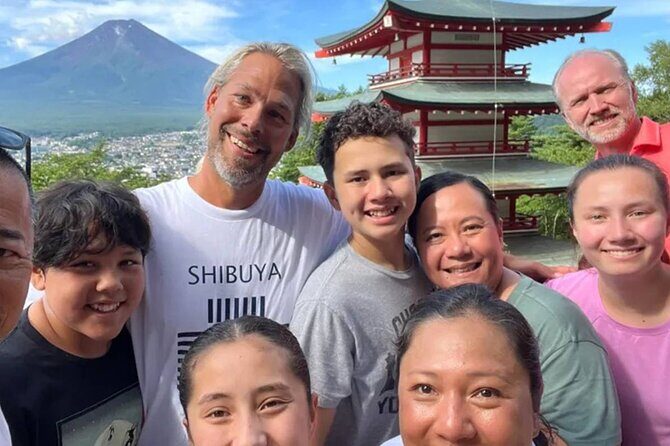
The highlight of this day is the chance to see Mount Fuji, Japan’s tallest and most revered volcano. Visiting Arakurayama Sengen Park gives you a classic shot of Mount Fuji framed by the iconic pagoda of Arakurayama Sengen Shrine—it’s a view that appears on countless postcards. The two-hour stop here includes a walk to the shrine for a closer view, which is manageable even for families with kids.
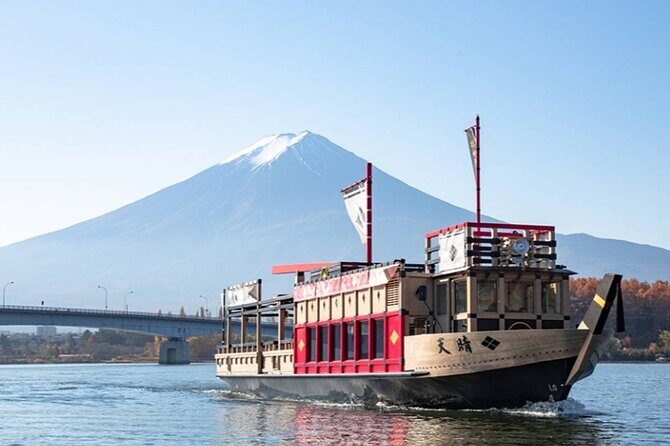
Next, a visit to Lake Kawaguchiko offers one of the best opportunities to view Fuji’s perfect cone reflected on tranquil waters. The boat cruise here is a relaxing way to enjoy the scenery, and the calmness of the lake provides fantastic photo ops. These spots are chosen for their clear views and accessibility, making this day a visual feast.
Day 3: The Heart of Tokyo’s Culture and Hustle
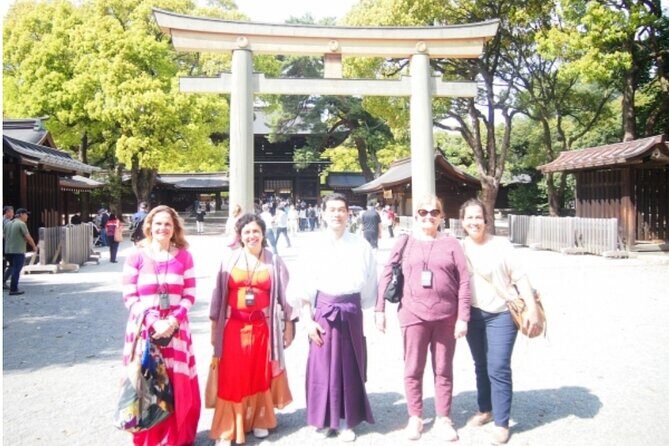
Today is packed with some of Tokyo’s most iconic landmarks. Visiting Meiji Shrine offers a peaceful respite in the city’s buzzing core. The guides often share interesting tidbits about the shrine’s dedication to Emperor Meiji, adding depth to this tranquil experience.
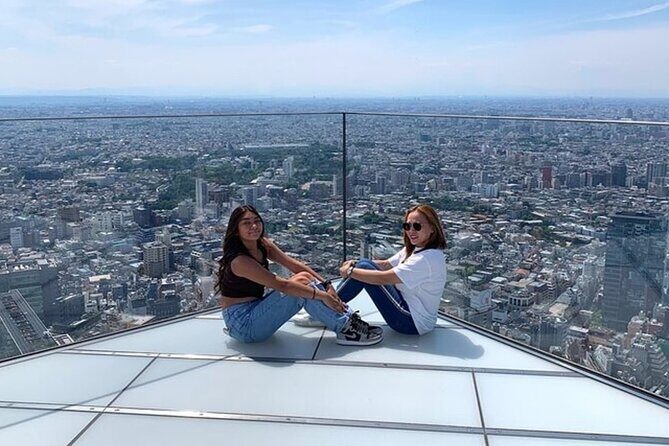
Shibuya Crossing is next—a whirlwind of human energy and one of Tokyo’s must-see sights. Standing amidst thousands of people crossing from all directions, it’s a surreal experience that encapsulates Tokyo’s busy, vibrant spirit. Nearby, Senso-ji Temple takes you back in time with its ancient architecture and bustling Nakamise Shopping Street. We loved the lively atmosphere here, with stalls selling traditional snacks and souvenirs.
Later, a visit to Tsukiji Fish Market introduces you to Japan’s culinary culture. While the original tuna auctions have moved, the outer market remains lively, offering fresh seafood, street food, and local specialties. It’s a sensory overload that’s both tasty and educational.
Day 4: Transition to Kyoto and Its Historic Gems
Traveling aboard the Shinkansen is a highlight for many, offering a smooth 2.5-hour ride that showcases Japan’s efficient transport. Arriving in Kyoto, the city’s timeless beauty begins to reveal itself.
Kinkaku-ji, the Golden Pavilion, is simply breathtaking—its shimmering reflection on the pond makes it one of Japan’s most photographed sites. The Nijo Castle, once home to shoguns, provides insights into feudal Japan’s architecture and history. Both sites are well-preserved and fascinating for history buffs or anyone interested in Japan’s samurai era.
- Tokyo:Karuizawa,Hoshino Resorts Area,Glacier Shrine Day Tour
- Tokyo: Meiji Jingu and Harajuku, Sacred and Profane
- AKEMIS Sushikitchen: a Fun Sushi Cooking Lesson in Tokyo
- Tokyo: Mt Fuji, Hakone, Cruise, Ropeway & Oshino Hakkai Tour
- Tokyo Private Tour : Eat & Shop in Tsukiji Fish Market
- Mt. Fuji Area, Hikawa Clock Shop, Dream Bridge 1-Day Tour
Day 5: Kyoto’s Spiritual and Cultural Heart
This day is a journey through Kyoto’s spiritual side. The Fushimi Inari Shrine with its thousands of orange torii gates is mesmerizing—walking through the seemingly endless path offers a sense of both awe and tranquility. The guides often share stories about Inari, the rice goddess, and the shrine’s significance.
Kiyomizu-dera’s wooden stage grants panoramic views of Kyoto and its traditional rooftops. The narrow streets of Sannenzaka and Ninenzaka are lined with shops selling everything from handcrafted fans to matcha sweets—perfect for leisurely exploring.
Yasaka Shrine provides a more local, lively atmosphere, and walking into Gion afterward, you might spot a Geisha or Maiko, especially in the evening. The blend of tradition and everyday life makes Gion a highlight for those curious about Japan’s cultural heritage.
Day 6: Nara and Vibrant Osaka
A scenic 1.5-hour drive takes you to Nara, where the famous deer of Nara Park roam freely. Feeding these gentle creatures is often described as a highlight, especially for families. The park’s expansive grounds also contain Todai-ji Temple, home to a giant Buddha statue.
Next, Kasuga Taisha Shrine offers a tranquil walk through stone lantern-lit paths. Recognized as a UNESCO World Heritage site, it’s a powerful reminder of Japan’s spiritual traditions.
In the afternoon, you move on to Osaka, Japan’s lively commerce hub. The iconic Osaka Castle with its impressive defenses and history makes for great photos, especially from the surrounding park. Shinsaibashi shopping street and Dotonbori’s neon-lit streets are excellent for shopping, street food, and people-watching. The tour’s optional side trip to Shinsekai could appeal to those seeking retro vibes and the Eiffel Tower-inspired Tsutenkaku.
Day 7: Hiroshima and Miyajima’s Floating Shrine
The day trip to Hiroshima involves a quick bullet train ride, making it feasible for a full-day excursion. Visiting the Hiroshima Peace Memorial Park provides a sobering reflection on history. The guided experience here emphasizes understanding the importance of peace and remembrance.
A ferry then whisks you to Miyajima Island, famous for its floating torii gate of Itsukushima Shrine. The scenery here is stunning; the gate appears to float during high tide, creating a postcard-worthy scene that visitors find truly magical. The short boat ride offers scenic views and a peaceful break from the urban bustle.
In the late afternoon, you return via Shinkansen to Osaka, closing out a day rich in history and natural beauty.
Day 8: Departure
The last day is straightforward—depart from Osaka, with options for private airport transfers if needed. Since this is a flexible part of the itinerary, you can plan your route to suit your flight schedule.
How the Transportation Adds Value
One of the standout features of this tour is the use of Japan’s bullet train system. The Shinkansen connects Tokyo, Kyoto, Hiroshima, and Osaka efficiently, reducing travel time and allowing more sightseeing. The included transport means you won’t need to worry about navigation or booking tickets, which is huge for first-time visitors.
The group size is capped at 15, ensuring a comfortable experience, personal attention from guides, and opportunities to chat with fellow travelers. The minibus with driver further simplifies getting to sites that aren’t accessible by train or bus.
The Guides and Their Insights
While specific guides aren’t named, the reviews highlight knowledgeable guides who share interesting stories and practical tips. Travelers appreciated how guides made the history come alive, whether explaining the significance of Fushimi Inari’s gates or pointing out hidden gems in Gion.
The Value for Money
At $3,185 per person, the tour feels well-valued when considering accommodations, entrance fees, and transportation. The inclusion of seven breakfasts and entry to key sights saves additional costs, and the convenience of guided travel limits the hassle of planning each day independently.
Final Thoughts: Who Is This Tour Perfect For?
This 8-day tour is ideal for families or small groups eager to see Japan’s highlights with some guidance, without the stress of independent planning. It suits travelers who value scenic views, like Mount Fuji and Miyajima’s floating shrine, alongside urban experiences in Tokyo, Kyoto, and Osaka.
Those who want a solid introduction to Japan’s cultural landmarks, historic sites, and modern attractions will find this itinerary comprehensive. It’s also a good fit for first-time visitors wanting a taste of both the traditional and contemporary sides of Japan.
However, if you prefer a slower pace or extensive free time at each site, you might find the schedule slightly rushed. Also, since meals aren’t included, budgeting extra for food is advisable, especially in busy districts like Dotonbori or Nishiki Market.
FAQs

Is this tour suitable for families? Yes, the tour’s family-friendly pace, manageable group size, and mix of sightseeing make it well-suited for families with children.
Are meals included? No, breakfast is included each day, but lunch and dinner are not. You should budget for meals during your trip.
What transportation will I use? The tour includes public transport such as trains, buses, and the Shinkansen bullet train, plus a minibus with a driver for local transfers.
Can I customize or extend the tour? The itinerary is fixed, but you can arrange private airport transfers or additional activities independently.
Is there free time built into the schedule? The first day is free for rest or local exploration, and some evenings in cities like Kyoto and Osaka provide opportunities for optional activities.
What kind of guides will I have? The tour features English-speaking guides who are knowledgeable and share insightful stories, enhancing your understanding of each site.
Does the tour accommodate different fitness levels? Most sites are accessible, but some involve walking, slopes, or stairs. If you have mobility concerns, check with the provider beforehand.
Overall, this 8-day Japan tour offers an excellent balance of scenic beauty, culture, and convenience. It’s perfect for those wanting an organized, enriching experience without sacrificing authentic encounters or stunning views. Whether you’re marveling at Mount Fuji, exploring Kyoto’s temples, or reflecting in Hiroshima, you’ll come away with stories that will last a lifetime.
More 1-Day Tours in Tokyo
- From Tokyo: Onsen, Temples and Nature Day Trip to Nikko
- Tokyo Cherry Blossom Mt Fuji and Shibazakura Festival Day Trip
- Tokyo: Nikko Private Day Trip with Guide and Transport
- Tokyo Disney Resort: 1-Day Park Hopper Passport
- Tokyo/Yokohama: Mt. Fuji and Hakone Private Day Trip
- Tokyo: Mount Fuji and Hakone Private Day Trip with driver
More Guided Tours in Tokyo
- Tokyo: Nikko Private Day Trip with Guide and Transport
- Tokyo Like a Local: Walk, Eat & Discover with a local guide
- Tokyo: Deep history Nihonbashi Walking Tour with Guide
- From Tokyo:Nikko World Heritage Customizable Tour with Guide
- From Tokyo: Nikko Customized Tour With English Driver/Guide
- Tokyo: Kyoto Day Trip by Bullet Train with Licensed Guide
More Tour Reviews in Tokyo
Still browsing? Here are more Tokyo experiences we've covered recently
- Top 15 Tours & Experiences In Tokyo
- Tokyo: Ninja Kabuki Performance
- Tokyo Vegan: Tofu – Making Class from a Historic Tofu Shop
- Tokyo Bay, Ginza & Shinbashi by Night 2.5 Hrs
- Tokyo: Kamikochi & Tateyama Kurobe Snow Wall 2-Day Tour
- Tokyo Taste of Tsukiji and Ginza Foodie Adventure
- From Tokyo: Nikko One-Day Private Tour
- Tokyo: Nikko Private Customized Tour With Hotel Pick-up
- SOLA SPA Shinjuku no Yu Entry Ticket
- Yokohama Cruise Port to Tokyo city hotels – Private Transfer
- Tokyo Your Way A Full Day Tour Experience for Wheelchair Users
- Tokyo: Wedding Photoshoot with Hair and Makeup