YokaBus Hikosan Jingu and Showa Era Market Tour Review
Planning a day out in Fukuoka that balances cultural insights, local flavors, and off-the-beaten-path sights? This tour promises just that. At around $106.70 per person for approximately 10 hours, it’s an engaging way to see lesser-known corners of this vibrant region. While the price might seem steep for some, the mix of hands-on experiences, authentic markets, and scenic landscapes offers compelling value — especially if you enjoy a well-rounded, culturally rich adventure.
What really makes this tour worth considering is the chance to learn traditional crafts, indulge in nostalgic Showa-era shopping, and participate in a genuine Shinto purification ritual. The tour’s small-group vibe (max 20 people) can make the experience feel intimate and personal, with knowledgeable guides leading the way. However, keep in mind that the schedule is subject to traffic and unforeseen delays, so flexibility is a good idea. Primarily, this offers a balanced day suited for curious travelers interested in local traditions, history, and authentic Japanese scenery.
- Key Points
- A Closer Look at the Itinerary
- Creating Your Own Oidashi-neko (1 hour)
- Visiting Nogata Ganda Bikkuri Market (1 hour)
- Michi-no-Eki Oto Sakurakaido (1 hour)
- Hikosan Slope Car & Mount Hiko (10 minutes) + Hikosan Shrine (1.5 hours)
- Final Reflections
- The Experience’s Real Value
- Who Should Consider This Tour?
- Frequently Asked Questions (FAQs)
- The Best Of Fukuoka!
- More Shopping Tours in Fukuoka
- More Tours in Fukuoka
- More Tour Reviews in Fukuoka
- Not for you? Here's more nearby things to do in Fukuoka we have reviewed
Key Points
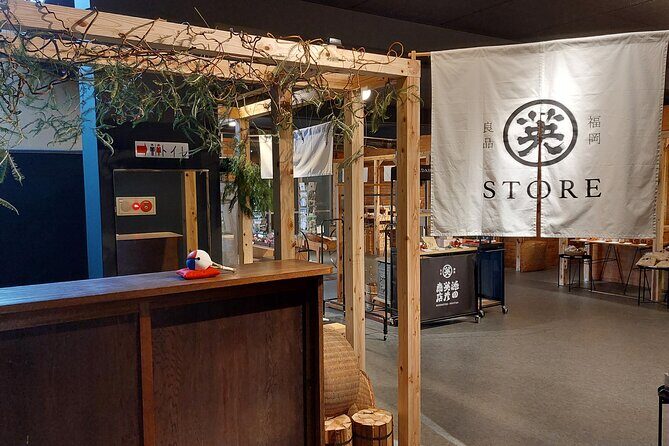
- Authentic Cultural Activities: Create your own Oidashi-neko, a traditional warding cat, with guidance from local artisans.
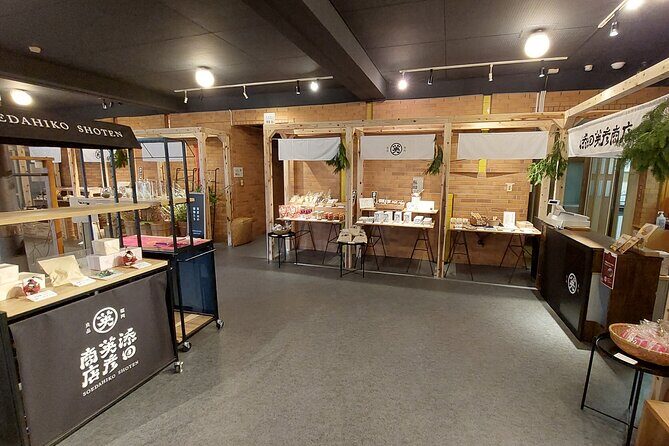
- Nostalgic Market Experience: Walk through a lively Showa-era shopping arcade, sampling regional cuisine like yakitori and sushi.
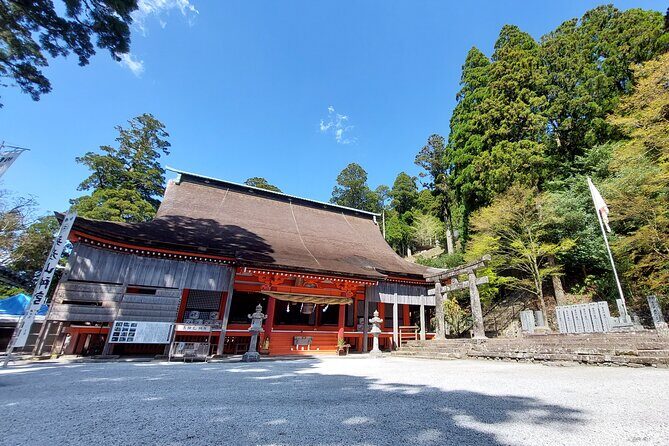
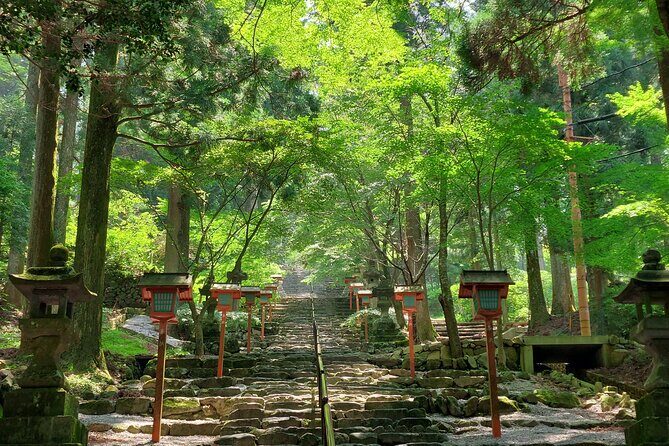
- Scenic Mountain Views: Ride the Hikosan Slope Car and visit Mount Hiko’s sacred sites for stunning vistas and spiritual insights.
- Traditional Rituals: Participate in a Shinto worship ceremony at Hikosan Shrine, gaining deeper understanding of Japan’s spiritual practices.
- Off-the-Beaten-Path: Explore lesser-known parts of Fukuoka, away from the typical tourist crowds.
- Comfort & Convenience: Travel comfortably in air-conditioned vehicles, with some surprise amenities like the “100 million yen toilet” at Michi-no-Eki.

👉 See our pick of the Fukuoka’s 3 Best Airport Transfers: Which To Choose?
A Closer Look at the Itinerary
You can also read our reviews of more shopping tours in Fukuoka



Creating Your Own Oidashi-neko (1 hour)
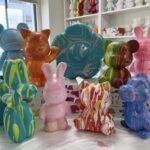
The day kicks off with a hands-on painting workshop, where you’ll learn to craft and paint a traditional Oidashi-neko — a cat figurine believed to ward off misfortune and attract luck. What sets this apart is the choice to design your own spirit or follow traditional motifs. Guests have shared that this was a “fun, artistic experience” and a “beautiful keepsake” to take home, especially for those who love mixing creativity with culture. The guided instruction is smooth, making it accessible even if you’re not an artist.
Visiting Nogata Ganda Bikkuri Market (1 hour)
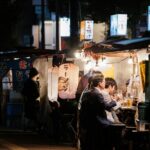
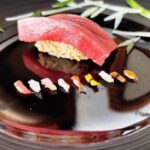
Next, you’ll step into a lively, Showa-era market that feels like a stroll through history. This place is praised for its bargains and nostalgic atmosphere, where locals shop for fresh produce, snacks, and household items. You can sample local specialties like yakitori, sushi, or kalbi bibimbap — perfect for a casual, flavorful lunch experience. One reviewer mentioned feeling like they’d stepped into a film set of post-war Japan, which makes it a fantastic spot for photos and authentic local interactions.
Michi-no-Eki Oto Sakurakaido (1 hour)
This massive roadside station is more than just a stop — it’s a mini adventure. Recognized as one of Japan’s largest Michi no Eki, it features a day spa (onsen) to relax sore feet after a morning of exploring and a famous “100 million yen toilet” that’s worth a quick look. Travelers often appreciate the space for a breather here, and some have noted that the spa facilities add real value, especially after a long morning.
Hikosan Slope Car & Mount Hiko (10 minutes) + Hikosan Shrine (1.5 hours)
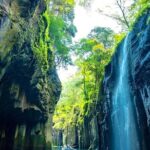
The scenic part of the day begins with a ride on the Hikosan Slope Car, offering sweeping views of the mountain and surrounding nature. The journey up Mount Hiko is often described as breathtaking, with many guests noting the impressive vistas and the “serene, spiritual atmosphere” of Hikosan Shrine.
At Hikosan Shrine, you’ll join a traditional Shinto worship led by guides who explain rituals and their significance. The shrine’s history is conveyed with clarity, and many appreciate the chance to observe or participate in offerings and prayers. This part of the tour is especially meaningful for those interested in Japanese spirituality, with some noting it’s a rare open door into authentic religious practice.
You can also read our reviews of more tours and experiences in Fukuoka
Final Reflections
The tour wraps up back at the meeting point, giving you ample time to reflect on a full day of varied experiences. The schedule allows for some flexibility, but be prepared for possible delays due to traffic or other factors, as noted in the tour details.
The Experience’s Real Value
While the price might seem high compared to DIY outings, the organized nature of the tour offers significant convenience. You won’t need to worry about navigating public transport or language barriers, and the inclusion of activities like the Okiashi-neko craft and the Shinto ritual adds immersive elements that typical sightseeing often lacks.
For those who love to connect with local traditions and sample regional delicacies without the hassle of planning every detail, this tour offers a balanced package. It’s especially suited for travelers who value small-group settings and meaningful cultural encounters over rushed sightseeing.
The guides, as described in reviews, are knowledgeable and helpful, enriching each stop with context. The scenic views, combined with the chance to interact with artisans and locals, make this more than just a day of sightseeing — it’s an opportunity to see Japan through the lens of its everyday life and spiritual roots.
Who Should Consider This Tour?
This experience is ideal for culturally curious travelers who want a comprehensive yet manageable taste of Fukuoka’s hidden gems. It’s perfect for those interested in craftsmanship, local markets, spiritual sites, and scenic mountain views. If you enjoy small group tours and meaningful interactions, you’ll find this a rewarding way to spend a day.
On the flip side, if you prefer more free time or are on a tight budget, this might feel a bit structured. Also, it’s best for those who don’t mind a full day on the move, with some walking and participation in activities.
Frequently Asked Questions (FAQs)
Is the tour suitable for children?
Most travelers, including families, can participate. The activities are generally engaging and age-appropriate, but it’s good to consider your child’s stamina for a 10-hour trip.
What should I bring?
Comfortable clothes, some cash for snacks or souvenirs, and perhaps a camera for the scenic views. The tour includes some physical activity, so sturdy shoes are recommended.
Will I have free time during the tour?
The itinerary is structured, but you’ll have some room for browsing, taking photos, or relaxing at each stop.
Are meals included?
No, lunch isn’t included, but you can enjoy local dishes at the Ganda Bikkuri Market and other stops.
What is the transportation like?
Travel is in an air-conditioned vehicle, either a small or large bus, depending on the group size. It’s comfortable for the duration of the day.
Can I join if I don’t speak Japanese?
Absolutely. The tour features an English-speaking guide, making it accessible for non-Japanese speakers.
What happens if the minimum number of travelers isn’t reached?
The tour may be canceled, but in that case, you’ll be offered a full refund or alternative arrangements.
Is this tour suitable for those with mobility issues?
Some stops involve walking or standing, such as the shrine. It’s best to review your own mobility needs before booking.
To sum it up, the YokaBus Hikosan Jingu and Showa Era Market Tour offers a well-balanced day filled with cultural, scenic, and spiritual highlights. It’s best suited for travelers eager to explore Japan beyond the typical tourist spots, looking for authentic, interactive experiences and local flavors. From crafting traditional figurines to participating in Shinto rituals, you’ll leave with a richer understanding of Fukuoka’s hidden side, making it a worthwhile addition to your itinerary.