
Introduction
Travelers seeking a genuine taste of rural Java often find themselves longing for more than just temples or tourist spots. This Yogyakarta-based tour offers a window into village life, combining hands-on farming, traditional crafts, and local cuisine—all in about three to three-and-a-half hours. It’s a chance to slow down, understand centuries-old practices, and connect directly with the community.
What truly makes this experience stand out are three aspects: the chance to plant rice by hand in lush paddies, the fascinating process of Napeni (traditional winnowing), and the opportunity to craft a Wayang Suket puppet with local artisans. One possible consideration is that the tour involves walking on uneven, muddy terrain, so it’s not ideal for those with mobility issues. This experience suits travelers who love culture, authentic rural activities, and meaningful community interactions—particularly those keen on learning about Javanese traditions beyond the usual tourist trail.
- Key Points
- An In-Depth Look at the Experience
- Starting the Journey: From City to Countryside
- Plowing Through the Rice Paddies
- The Art of Winnowing: Napeni
- Crafting a Wayang Suket Puppet
- Lunch and Cultural Context
- Practical Considerations and What to Bring
- Who Will Love This Tour?
- Pricing and Value
- Final Thoughts
- FAQ
- More Tours in Indonesia
- More Tour Reviews in Indonesia
- Still browsing? Here are more Indonesia experiences we've covered recently
Key Points
- Authentic Rural Experience: Engage directly with local farmers and artisans in a genuine village setting.
- Hands-On Activities: Plant rice, master winnowing, and craft a traditional puppet—activities that deepen cultural appreciation.
- Community-Focused: Revenue supports local farmers and artisans, helping sustain traditional practices.
- Balanced Duration: At 3 to 3.5 hours, it’s a manageable, enriching excursion without taking up a whole day.
- Local Cuisine: Enjoy a traditional lunch made from organic, locally-sourced ingredients.
- Physical Involvement: Expect some walking on uneven, muddy ground—be prepared with appropriate attire.
An In-Depth Look at the Experience
Here are more experiences we've reviewed in Indonesia
Starting the Journey: From City to Countryside
Most options include a pickup from your accommodation, making the start straightforward. The journey takes you from the buzz of Yogyakarta into the peaceful rice fields. As you arrive at the village, you’re greeted with an immediate sense of tranquility and authenticity that’s often missing in more touristy areas.
Plowing Through the Rice Paddies
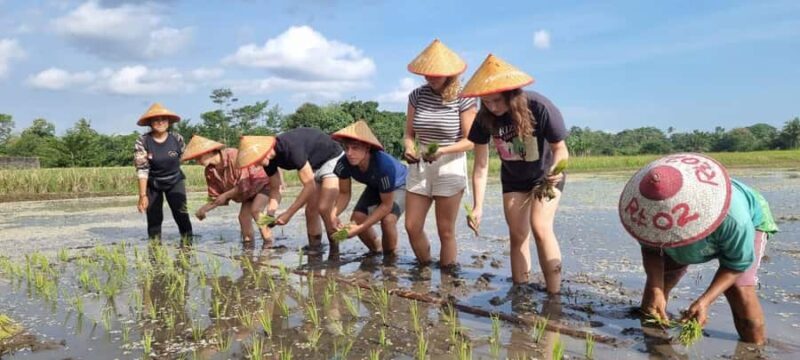
The highlight is clearly the rice planting activity. Guided by seasoned local farmers, you’ll plant rice seedlings in the cool, fertile mud. This isn’t just a photo opportunity—it’s a genuine, physically engaging process. The mud can be surprisingly soft and slippery, and the experience emphasizes the patience, teamwork, and manual effort that goes into rice cultivation.
Reviews mention that this part of the tour offers a fascinating contrast to modern agriculture: “We loved the way the farmers explained the traditional methods. Planting rice with your own hands makes you appreciate the food on your plate so much more.” Expect to be kneeling, bending, and getting a bit muddy—bring a change of clothes if possible, especially since the mud can be stubborn.
The Art of Winnowing: Napeni
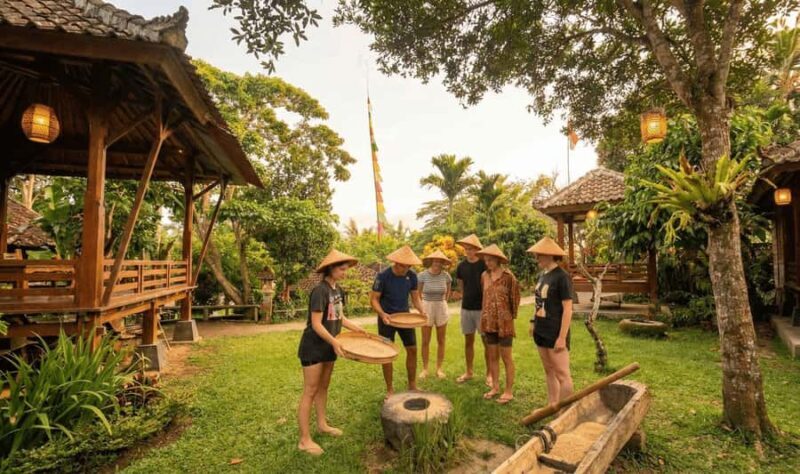
After the planting, you’ll wash up in spring water, then move to a village pavilion to learn Napeni, the age-old technique of separating rice grains from chaff. Using a tampah, a woven bamboo tray, you toss rice grains into the air, catching the heavy grains while letting the breeze blow away the husks.
This rhythmic tossing isn’t as easy as it sounds—reviewers have noted the surprising dexterity required. “It’s a dance of hand and wind,” one said, “but incredibly satisfying once you get the hang of it.” It’s a rare manual skill in the age of industrial machines, and participating in it offers a tangible connection to traditional post-harvest practices.
More Great Tours NearbyCrafting a Wayang Suket Puppet
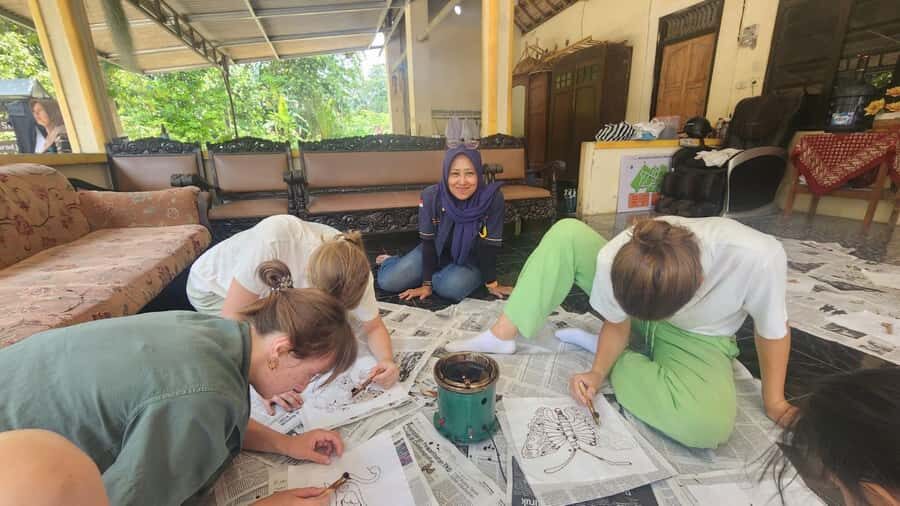
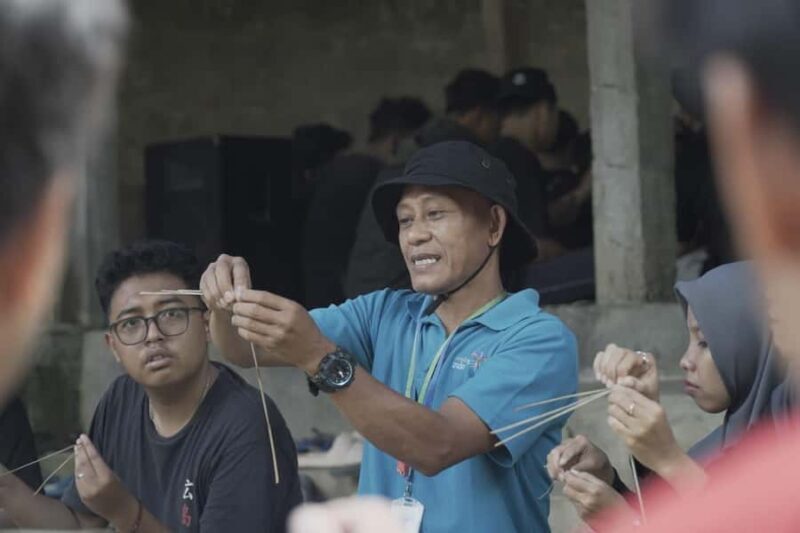
The final activity is crafting a Wayang Suket, a simple yet charming folk art form using dried grass or straw. Local artisans teach you how to weave, fold, and knot the grass into figures from stories or folklore. The process is relaxing, and the finished puppet makes a sustainable souvenir that embodies rural craftsmanship.
Participants often find this part unexpectedly therapeutic. “Creating my puppet was calming, and I loved that it’s a sustainable craft that I can take home,” shares a reviewer. Unlike leather shadow puppets, Wayang Suket features straightforward materials, emphasizing simplicity and resourcefulness.
- Mount Batur Sunrise Hike & Natural Hot Spring-All Inclusive
- Mount Batur Jeep Sunrise & Hot Spring_ All Inclusive Tour
- Bali:Mount Batur Jeep Sunrise With Breakfast & Hot Spring
- Bali: Upside Down World Admission Ticket
- Bali: Mount Batur Sunrise Hike With Breakfast & Hot Spring
- Bali:Mount Batur Sunrise Treking With Guide and Breakfest
Lunch and Cultural Context
A traditional lunch concludes the tour, featuring local organic produce. This meal is often prepared with ingredients from the surrounding farms, giving you a full sensory experience of Javanese rural cuisine.
Practical Considerations and What to Bring
Given the tour involves physical activity and walking on uneven terrain, packing a hat, sunscreen, insect repellent, and a reusable water bottle is recommended. Comfortable clothing and sandals are ideal, as closed shoes or high heels are discouraged. Travelers should be prepared for some getting muddy or wet, so an extra change of clothes is wise.
The tour supports community-based tourism, directly benefiting the local farmers and artisans. This means your participation helps sustain these traditional practices, making your experience both meaningful and impactful.
Who Will Love This Tour?
This experience is perfect for curious travelers eager to see rural life beyond the usual tourist stops. It suits those who enjoy hands-on activities, cultural exchanges, and stories behind traditional crafts. However, it’s less suitable for people with mobility issues or very young children due to uneven paths and physical exertion.
Pricing and Value
At around three hours, the price offers a comprehensive look at what rural Java has to offer—rice planting, traditional winnowing, and craft-making—plus a traditional meal. Considering the local expertise, authentic activities, and community support involved, it’s an excellent value for travelers wanting a genuine cultural connection without overextending their schedule.
Final Thoughts
This tour offers a rare window into rural Javanese life, blending farming, craftsmanship, and cuisine into a seamless experience. It’s not just about ticking off activities but about truly understanding the effort behind rice cultivation and the artistry of local crafts. The hands-on nature makes it especially memorable, and the community focus adds a layer of authenticity that many travelers cherish.
If you’re visiting Yogyakarta and want to see a different side of Indonesia—one rooted in tradition, sustainability, and community—this experience will leave you with stories to tell and a deeper appreciation for the people behind your food and culture.
FAQ
Is transportation included in this tour?
Yes, pickup options are available, and the guide will contact you to arrange pickup details. The transportation is typically organized from your accommodation in Yogyakarta.
How physically demanding is the rice planting activity?
It involves walking through muddy paddies, kneeling, and planting rice seedlings. Be prepared for some physical effort and bring suitable clothing and footwear.
What should I wear for this experience?
Comfortable, casual clothes that can get dirty—like shorts and a t-shirt—are best. Sandals or waterproof footwear are ideal, and don’t forget a hat and insect repellent.
How long does the tour last?
The experience lasts approximately 3 to 3.5 hours, making it a manageable half-day activity. It’s enough time to enjoy the activities without feeling rushed.
Is the tour suitable for children?
While it can be fun for older children, it’s not recommended for babies or very young kids due to walking on uneven terrain and physical activities involved.
What is included in the price?
The tour includes activities, a traditional lunch, and, in most cases, transportation and a guide. More details depend on the booking option selected.
Can I participate in the puppet-making if I have no craft experience?
Absolutely. The local artisan guides are patient and will walk you through the process step-by-step, making it accessible for all skill levels.
Is the experience eco-friendly?
Yes, the focus on traditional, manual techniques and crafting with natural materials supports sustainable practices and community-based tourism.
How does this tour support local communities?
All revenue directly benefits the farmers and artisans involved, helping preserve traditions and providing income to the local village.
This detailed, hands-on journey into Javanese village life offers more than just sightseeing—it’s a meaningful way to connect with Indonesia’s rural roots. Whether you’re a foodie, culture enthusiast, or adventure seeker, it’s a memorable experience packed with value, authenticity, and a genuine taste of local life.
You can check availability for your dates here:More Tours in Indonesia
- Ubud Highlights Tour: Akasa Café, Rice Terrace & Happy Swing
- From Surabaya : Tumpak Sewu Waterfall Full Day Trip Tour
- Nusa Penida: Snorkeling Tour with Manta Rays and Turtles
- Ubud Tour with Optional English, Spanish and Italian Guide
- Bali Ubud: Full-Day Custom Tour with Lunch & Dinner
- Malang: Mount Bromo Sunrise Trip, Guided Tour with Photos
More Tour Reviews in Indonesia
- Ubud Highlights Tour: Akasa Café, Rice Terrace & Happy Swing
- Ubud ATV Ride through Waterfall and Tunnels
- From Surabaya : Tumpak Sewu Waterfall Full Day Trip Tour
- Nusa Penida: Snorkeling Tour with Manta Rays and Turtles
- Labuan Bajo: Nuca Molas Day Trip with Lunch & Boat Ride
- Yogyakarta: Borobudur and Prambanan with a private car
Still browsing? Here are more Indonesia experiences we've covered recently
- 7 Fantastic Airport Transfers In Seminyak
- Kuta’s 10 Top Airport Transfers (With Prices)
- The 8 Most Popular Airport Transfers In Jakarta
- Which Kintamani Tours To Choose? Our Best 15 Picks
- The 10 Best Tours In Karangasem Regency
- Jimbaran’s 15 Best Tours: Which To Choose?
- Jatiluwih’s 9 Best Tours
- You’ll Love These 15 Tours In Jakarta
- The 15 Best Tours In Indonesia
- 13 Of The Best Tours In Gili Trawangan
- The 11 Best Tours In Gili Islands
- 3 Best Tours In Gili Gede (With Prices)