Traveling to Hiroshima is a journey into both tragedy and resilience. While many books and documentaries cover the atomic bombing, nothing quite compares to walking through the city’s memorial parks and hearing firsthand stories from those who experienced it. This walking tour led by Ghani, a knowledgeable guide and PhD scholar, offers a comprehensive look at Hiroshima’s history, peace efforts, and cultural revival—all in a manageable two-hour window.
What we love about this experience is its balance of depth and accessibility: It’s not just a sightseeing jaunt but a meaningful exploration of Hiroshima’s journey from devastation to hope. The tour’s highlights include visiting the UNESCO World Heritage Site, the Atomic Bomb Dome, paying respects at the Cenotaph, and hearing survivor testimonies. The tour’s cost—only $24 per person—is a steal considering the wealth of insight and emotional impact packed into this short time.
One potential consideration is that the tour is emotionally intense, so it might not suit everyone, especially those sensitive to graphic or poignant stories. It’s best suited for travelers who are interested in history, human stories, and peace activism, and who don’t mind a bit of walking and reflection. If you’re looking for a deeper understanding of Hiroshima beyond its tourist spots, this tour is a solid choice.
- Key Points
- A Closer Look at the Itinerary and Experience
- Meeting Point & Start
- Visiting the Hiroshima Peace Memorial Park
- The Atomic Bomb Dome & Cenotaph
- Survivor Testimonies & Exhibits
- Sadako Sasaki & the Thousand Paper Cranes
- Ringing the Peace Bell & Reflection
- Post-Tour & Cultural Exploration
- Value & Practical Considerations
- Price & Duration
- Group Size & Guides
- Accessibility & Comfort
- Emotional Intensity
- Who Would Love This Tour?
- Who Might Not Enjoy It?
- Final Thoughts: Is This Tour Worth It?
- Best For
- FAQs
- The Best Of Hiroshima!
- More Historical Tours in Hiroshima
- More Walking Tours in Hiroshima
- More Tour Reviews in Hiroshima
- Not for you? Here's more nearby things to do in Hiroshima we have reviewed
Key Points
- Expert-guided by a PhD scholar, which means top-notch historical insights and thoughtful storytelling.
- Affordable at just $24, offering impressive value for a meaningful, well-rounded experience.
- Emotionally impactful, offering survivor testimonies and stories behind the memorials.
- Well-organized with a clear itinerary covering major landmarks and sites.
- Flexible language options including English, Urdu, and Hindi.
- Ideal for those interested in history, culture, and peace; not suited for travelers with heart problems or those seeking a relaxed, superficial tour.
👉 See our pick of the Our Picks For The 15 Best Tours In Hiroshima
A Closer Look at the Itinerary and Experience
You can also read our reviews of more walking tours in Hiroshima

Meeting Point & Start
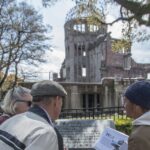
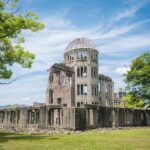
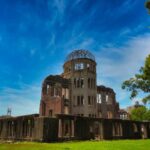
The tour kicks off right in front of the Atomic Bomb Dome, a haunting but iconic symbol of Hiroshima’s past. This meeting point is accessible and meaningful, as it’s the spot where the Hiroshima Peace Memorial stands as a testament to resilience. From here, the guide—Ghani—begins to weave a narrative that combines historical facts with personal stories, which makes the experience both educational and emotionally resonant.
Visiting the Hiroshima Peace Memorial Park
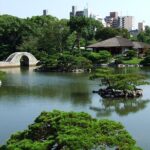
Expect a leisurely walk through the Peace Memorial Park, which spans a significant area filled with statues, memorials, and beautiful landscaping designed to honor victims and promote peace. Reviewers mention how Ghani’s knowledge brings each monument to life—stories behind the Children’s Peace Monument, the Gates of Peace, and the Prayer Fountain enrich the visit. One reviewer noted, “Ghani knows every detail and story behind the monuments and statues, offering an objective analysis of Japanese history,” which really elevates the experience.
The Atomic Bomb Dome & Cenotaph
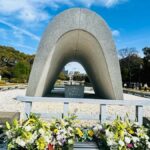
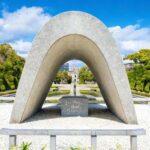
The Atomic Bomb Dome, also called the Genbaku Dome, is a UNESCO World Heritage site and the first thing you see. Its ruined structure is both shocking and poignant, and Ghani will explain how it survived the blast, serving as a stark reminder of destruction. The Hiroshima Victims Memorial Cenotaph nearby is where you can pay your respects—many choose to quietly reflect or leave a coin or flower.
Survivor Testimonies & Exhibits
The Peace Memorial Museum is included in the tour, and it’s here that you’ll find artifacts, photographs, and survivor testimonies. Reviewers highlight the value of hearing firsthand accounts, with one saying, “Our guide was so knowledgeable and showed genuine interest, helping us understand not just the facts but the human stories behind them.” It’s an emotional but necessary stop for truly grasping the impact of the atomic bomb.
You can also read our reviews of more historical tours in Hiroshima

Sadako Sasaki & the Thousand Paper Cranes
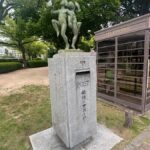
The story of Sadako Sasaki, the young girl who folded a thousand paper cranes in hopes of healing from her radiation sickness, is a touching part of the tour. The Children’s Peace Monument memorializes her story and symbolizes hope and reconciliation. Many visitors find this moment especially meaningful, as it connects history with a universal message of peace.
Ringing the Peace Bell & Reflection
The tour concludes at the Peace Bell, which visitors are encouraged to ring as a symbol of hope for a world without nuclear weapons. This act is a shared moment of solidarity among travelers, leaving a lasting impression.
Post-Tour & Cultural Exploration
While the tour ends back at the meeting point, many travelers choose to explore Hiroshima further—sampling local food, visiting other landmarks, or simply reflecting on their experience. Ghani’s tips for local eateries and attractions are highly praised, adding value beyond the memorial sites.
Value & Practical Considerations
Price & Duration
At $24 per person, this tour offers significant value considering the depth of information, emotional impact, and access to sites that might otherwise require multiple visits or tickets. The two-hour timeline makes it accessible for those with busy schedules or limited time in Hiroshima, yet it still covers the essentials thoroughly.
Group Size & Guides
Multiple reviews emphasize the small group setting, often just a handful of participants, which allows for questions and personalized attention. Ghani’s background as a PhD scholar and his fluent English allow for nuanced explanations and easy communication.
Accessibility & Comfort
The tour is designed for walking, so comfortable shoes are a must. The pace is relaxed, with time allocated for reflection and photos. Weather considerations include bringing sunscreen, water, and hats, especially in summer.
Emotional Intensity
The tour does not shy away from the somber realities of Hiroshima’s history. Reviewers mention feeling emotional at times, but also grateful for the opportunity to understand the human side of the tragedy. It’s not suitable for everyone—those with heart problems, or who prefer lighter sightseeing, might want to consider this before booking.
Who Would Love This Tour?
This experience is perfect for travelers who seek an authentic, respectful understanding of Hiroshima’s history. If you’re drawn to stories of resilience, peace activism, or want to see Hiroshima through the eyes of those who experienced it firsthand, you’ll find this tour deeply rewarding. It’s especially suited for history buffs, educators, or anyone wanting a meaningful moment of reflection in their trip.
Who Might Not Enjoy It?
People sensitive to emotionally intense stories or looking for a relaxed, purely sightseeing tour might find this overwhelming. Also, those unable to walk comfortably for two hours should consider other options.
Final Thoughts: Is This Tour Worth It?
For just $24, Ghani’s walking tour offers a highly informative, emotionally impactful journey through Hiroshima’s most significant memorial sites. The personal stories, expert explanations, and thoughtful pacing make it a standout experience—one that extends beyond typical sightseeing and touches on the core message of peace.
You’ll leave with a deeper understanding of Hiroshima’s tragedy and resilience, along with meaningful memories and new perspectives. Whether it’s your first visit or a meaningful addition to your trip, this tour provides a valuable window into the city’s past and its hopes for the future.
Best For
Travelers interested in history, survivor stories, and peace advocacy. It’s ideal for those who enjoy respectful, well-guided walks and are prepared for emotional moments. The tour is a fantastic way to connect with Hiroshima’s story on a personal level, making your visit truly memorable.
FAQs
Is transportation included in this tour?
No, the tour begins at the Atomic Bomb Dome and ends at the same spot. You are responsible for your own transportation to and from the meeting point.
How long does the tour last?
It lasts approximately two hours, covering key memorial sites and landmarks.
What languages are available for the tour?
The tour is conducted in English, Urdu, and Hindi, making it accessible for a diverse range of travelers.
Is this tour suitable for children?
While not explicitly restricted, the subject matter is somber and emotional. Parental discretion is advised for young children sensitive to such topics.
Are meals included?
No, meals and beverages are not included. However, Ghani might provide tips on local food spots.
Can I cancel or change my booking?
Yes, cancellations are accepted up to 24 hours in advance for a full refund.
Is the tour wheelchair accessible?
The provided data doesn’t specify accessibility details. Expect some walking on uneven surfaces, so plan accordingly.
What should I bring?
Comfortable shoes, a hat, camera, sunscreen, and water are recommended.
Is there a dress code?
No formal dress code, but respectful attire is encouraged at memorial sites.
Can I join the tour on the day of?
Availability depends on booking; it’s best to reserve in advance, especially during peak travel times.
To sum it up, if you’re seeking an honest, heartfelt journey into Hiroshima’s past—and a meaningful reflection on peace—this tour led by Ghani is a choice worth making. It balances expert knowledge with emotional depth, providing an experience that’s both educational and human. Perfect for those eager to understand Hiroshima’s story beyond the headlines.
You can check availability for your dates here: