
Exploring the Taiji Whale Museum offers a unique window into Japan’s complex relationship with whales—an experience that combines education, culture, and a touch of history. While it’s not an escape from controversy, it’s an eye-opening look at how coastal communities like Taiji have interacted with marine life for centuries.
What makes this tour stand out? First, the knowledgeable guides bring the history and science to life, making even complex topics accessible. Second, the balanced narrative presents both traditional practices and modern conservation efforts. Lastly, the authentic exhibits and the preserved whaling vessel give tangible insight into local life and industry.
That said, this experience isn’t designed for those expecting a purely touristy or entertainment-focused activity. It’s more suited for travelers who want a thoughtful, nuanced view of Japan’s maritime culture. If you’re curious about environmental issues, cultural traditions, or scientific research—this tour is a compelling choice.
- Key Points
- A Detailed Look at the Taiji Whale Museum Tour
- Starting Point and Logistics
- Exploring the Museum: A Journey Through Biology and Culture
- The Cultural and Historical Context
- Contemporary Perspectives and Research
- The Showcases: Whales, Dolphins, and a Historic Vessel
- What Makes This Tour Valuable?
- Price and Value
- Accessibility and Practicalities
- Who Should Consider This Tour?
- Final Thoughts: Is It Worth It?
- FAQ
- More Museum Experiences in Taiji
- More Historical Tours in Taiji
- More Tour Reviews in Taiji
Key Points
- Educational experience that emphasizes understanding rather than judgment
- Deep cultural insights into Taiji’s maritime history and practices
- Comprehensive exhibits bridging biology, history, and tradition
- Expert guides who explain complex topics clearly and engagingly
- Respectful presentation of Japan’s present-day research and conservation
- Interactive visuals including whale and dolphin shows and a preserved whaling vessel
A Detailed Look at the Taiji Whale Museum Tour
Starting Point and Logistics
The tour begins with a simple, straightforward meeting in front of the Taiji Whale Museum. The guide, easily recognizable with a yellow sign, is there to greet you at the specified coordinates (33.60187911987305, 135.94580078125). The entire experience lasts about one hour, making it perfect for travelers with limited time but a keen interest in the subject.
Exploring the Museum: A Journey Through Biology and Culture
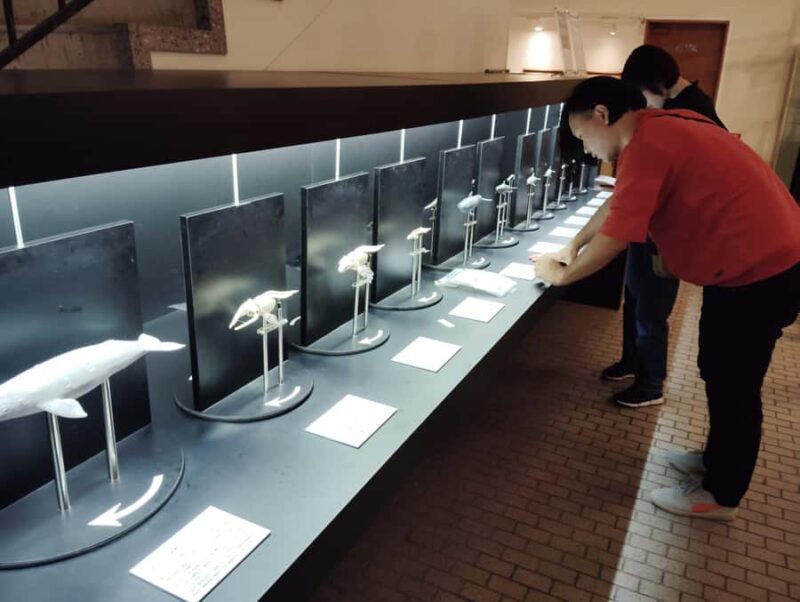
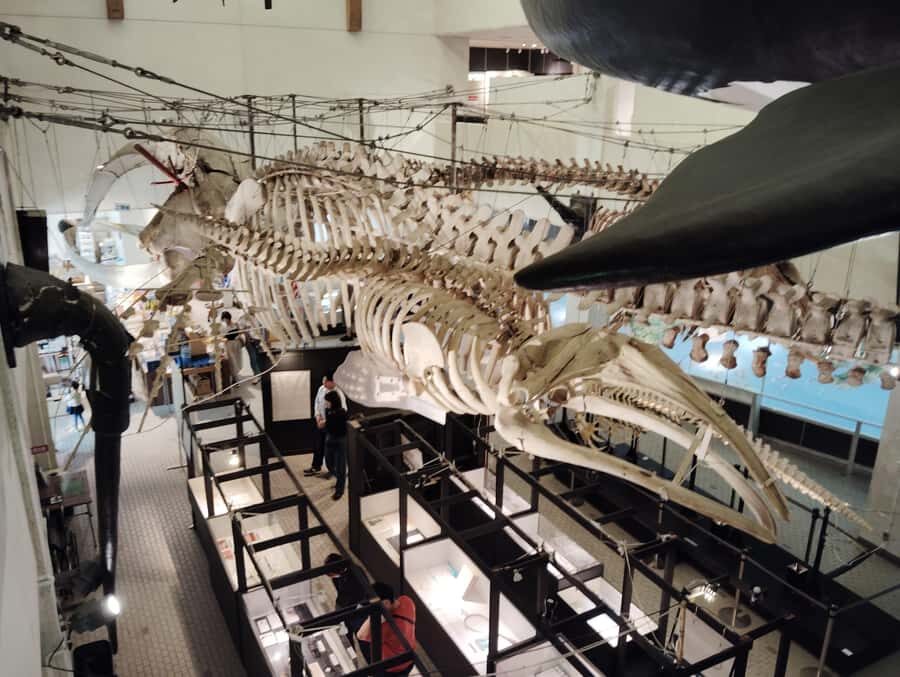
Your guide, a local with deep knowledge of Taiji’s history, takes you through the museum’s impressive collection. The first part introduces whales as remarkable mammals—descendants of land animals who adapted to aquatic life. Here, you’ll learn to distinguish toothed whales from baleen whales, understanding how each has carved out its niche in the ocean.
The exhibits on the second floor explore the biological marvels of whales, dolphins, and marine mammals. Expect detailed displays that explain their evolution, behaviors, and adaptations. It’s a fascinating science lesson, made engaging by informative placards and interactive visuals.
The Cultural and Historical Context
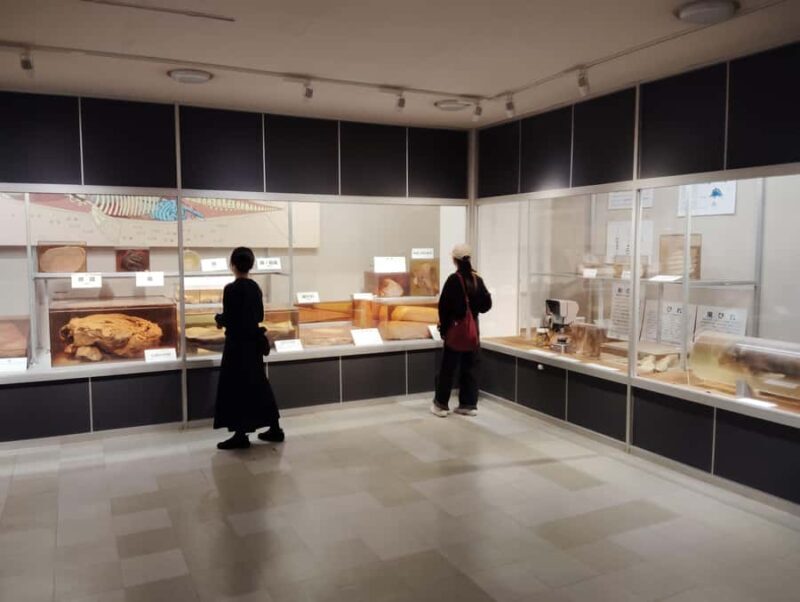
Moving upward, the focus shifts to humans’ long-standing relationship with whales. Here, the museum showcases artifacts, tools, and preserved materials that reveal how coastal communities, especially Taiji, have utilized whales with reverence and practicality.
Visitors can see how every part of the whale was once used: whale oil for lamps, meat for sustenance, bones and baleen for tools and art. This section doesn’t shy away from the complexities or controversies but instead presents a balanced narrative, emphasizing survival, tradition, and respect for nature’s cycles.
More Great Tours NearbyContemporary Perspectives and Research
An important aspect of the tour is understanding Japan’s current scientific whaling efforts. The museum presents this within the context of marine conservation and research, inviting visitors to consider the diverse perspectives surrounding whaling practices today. Guides are careful to explain the nuances, offering a perspective that moves beyond headlines.
The Showcases: Whales, Dolphins, and a Historic Vessel
The experience doesn’t stop at static exhibits. You’ll get to see a whale and dolphin show, highlighting their intelligence and agility. These performances emphasize the animals’ grace and the scientific understanding of their behaviors.
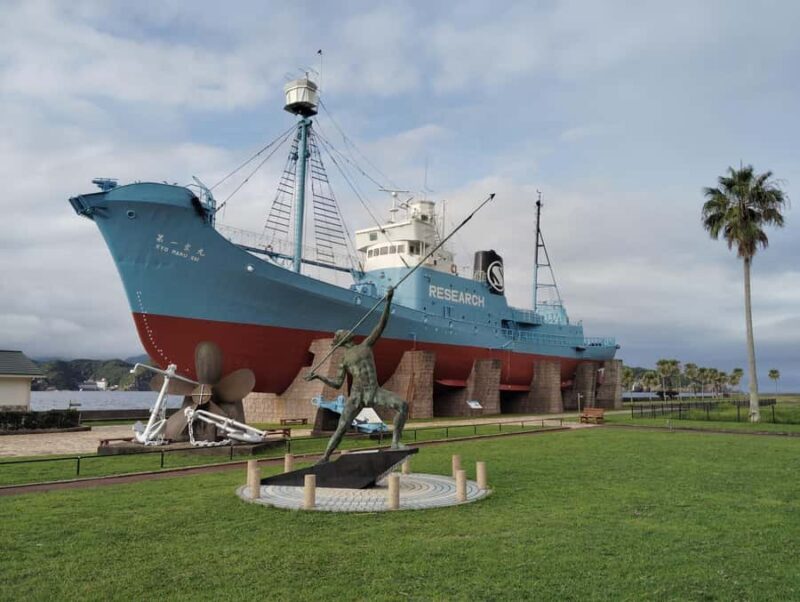
Finally, the tour culminates at the Daiichi Kymaru, a real whaling vessel preserved as an exhibit. Standing beside this ship, you’ll get a visceral sense of the hardships and courage of those who sailed into the Pacific, making it easier to appreciate the deep roots of the community’s maritime practices.
What Makes This Tour Valuable?
We loved the expert guidance that makes complex topics approachable. The guides seem genuinely committed to presenting facts that foster understanding, not judgment. Their storytelling brings life to the exhibits—transforming static displays into meaningful lessons.
The museum’s balanced approach is a breath of fresh air. It neither dramatizes nor glosses over the past, instead showing how traditional practices can coexist with contemporary conservation efforts. For travelers interested in cultural nuances and the scientific aspects of marine life, this tour offers an enriching experience.
Another highlight is the authenticity. Visiting a real whaling vessel and seeing historic tools make the experience tangible and memorable. It’s one thing to read about whaling; it’s another to stand beside a vessel that once sailed into the open sea.
Price and Value
At around 1 hour, the tour offers a well-rounded insight into Japan’s ocean heritage at a reasonable price. It’s especially valuable for those wanting a meaningful, educational experience that respects local traditions while acknowledging modern perspectives. The inclusion of shows and the vessel adds layers of engagement that help justify the cost.
Accessibility and Practicalities
The tour’s simple start point and private group setting make it easy to fit into most itineraries. The flexible booking options—including free cancellation up to 24 hours in advance—add to its appeal, especially if your plans are still flexible.
Who Should Consider This Tour?
This experience is best suited for curious travelers, history buffs, environmental advocates, or anyone eager to understand Japan’s complex relationship with whales. It’s not an entertainment show, but a respectful, educational exploration that invites reflection.
Final Thoughts: Is It Worth It?
In our view, the Taiji Whale Museum tour offers genuine value. It provides a nuanced, well-rounded look at an important part of Japan’s coastal identity. The knowledgeable guides and authentic exhibits make it a thoughtful addition to your trip, especially if you want to go beyond the usual tourist fare.
While it may not appeal to those seeking a light-hearted or purely recreational activity, it’s a must for travelers who value authenticity, cultural insight, and educational depth. The experience encourages a more informed perspective on marine life, conservation, and cultural history—all within a modest timeframe and at a fair price.
If you’re interested in understanding how communities like Taiji balance tradition and modern science, this tour is definitely worth considering. It’s a rare chance to see Japan’s ocean heritage through a balanced lens, guided by experts who truly know their stuff.
FAQ
Is the tour suitable for children?
Yes, it’s suitable for families, especially those interested in marine biology or cultural history. The exhibits and shows are generally engaging for a wide range of ages.
How long does the tour last?
The guided tour lasts about 1 hour, making it easy to fit into a day’s schedule.
Is this tour private or group?
It is offered as a private group, allowing for a more personalized experience and direct interaction with the guide.
What language is the guide speaking?
The tour is conducted in English, ensuring clarity and ease of understanding for most international travelers.
Are there any physical considerations?
The tour involves walking through the museum and standing during the whale and dolphin shows. It’s suitable for most visitors but may be challenging for those with mobility issues.
Can I cancel the tour?
Yes, you can cancel up to 24 hours in advance for a full refund, giving you flexibility in planning.
Does the tour include transportation?
No, the meeting point is directly in front of the museum. You’ll need to arrange your own transportation to the start location.
What should I bring?
Comfortable shoes, a camera, and an open mind. The exhibits are indoors, but if you wish to take photos outside of the museum, bring a camera or smartphone.
Is the tour controversial?
The tour aims to present a balanced view, acknowledging Japan’s whaling practices within a broader cultural and conservation context. It’s designed to foster understanding rather than promote or oppose whaling.
This tour offers a meaningful way to explore Japan’s ocean heritage with insight, respect, and expert guidance. It’s an enriching experience for curious travelers eager to understand the deeper stories behind the whales and communities of Taiji.
You can check availability for your dates here: