
Planning a trek that offers both stunning scenery and a real cultural encounter? The Upper Dolpa Cultural Trek promises an unforgettable journey through one of Nepal’s most isolated and mystical regions. As a seasoned travel writer, I’ve seen a few adventures that combine natural beauty with deep culture, and this one stands out for its authenticity and uniqueness.
What I love about this trek? First, the opportunity to cross three high mountain passes above 5000 meters—a true test for adventure lovers. Second, the chance to visit centuries-old monasteries like Shey Gumba and Yangjer Gumba, which are packed with spiritual and historical significance. Third, the full board camping setup means you’re truly off-grid, sleeping under the stars with minimal influence from modern life.
That said, it’s not a walk in the park. The trek’s intensity, high altitude, and remote location require good physical preparation and a sense of adventure. It’s best suited for experienced trekkers who want to go beyond the usual trails and seek authentic Tibetan-influenced culture in Nepal’s rain-shadowed Himalayas.
If you’re craving a journey that mixes rugged landscapes with profound cultural experiences, this trek could be your perfect match.
- Key Points
- A Detailed Look at the Upper Dolpa Cultural Trek
- The Starting Point and Itinerary Overview
- Crossing the High Mountain Passes
- Visiting Ancient Monasteries
- Cultural Encounters in Remote Villages
- The Final Destination: Phoksundo Lake
- What’s Included and What’s Not
- Practical Considerations
- Final Thoughts: Is This Trek for You?
- Frequently Asked Questions (FAQs)
- More Hiking & Trekking Tours in Dolpa
- More Tour Reviews in Dolpa
Key Points
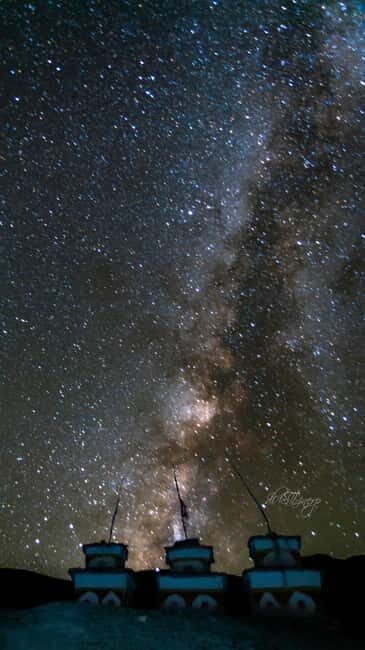
- Remote wilderness: Experience some of Nepal’s least traveled paths.
- High-altitude challenges: Passes above 5000 meters offer breathtaking views but demand good physical fitness.
- Cultural immersion: Visit ancient monasteries and meet local communities with centuries-old traditions.
- Full board camping: Enjoy a true wilderness experience with all meals and accommodations in tents.
- Wildlife spotting: Keep your eyes out for snow leopards, blue sheep, and Himalayan birds.
- Support local: Part of the cost supports children’s education in Dolpa.
A Detailed Look at the Upper Dolpa Cultural Trek
The Starting Point and Itinerary Overview
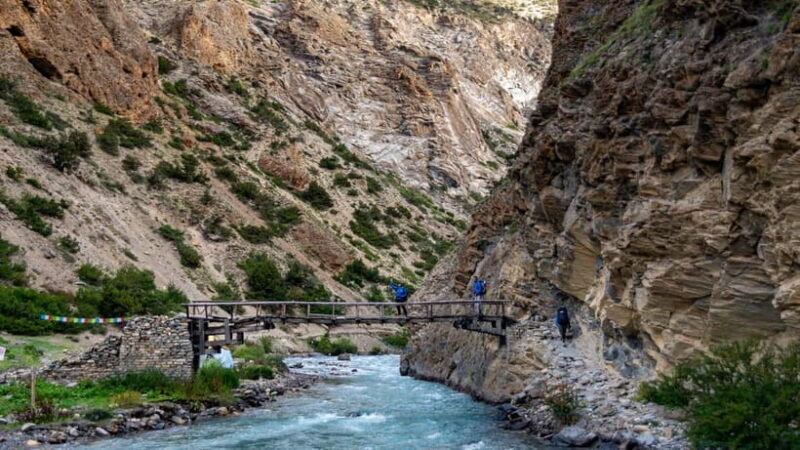
Your journey begins with a scenic flight to Nepalgunj, setting the tone for the adventure ahead. From there, you travel overland to Dunai, the gateway to Dolpa, where the adventure truly begins. This initial section is accessible but already begins to feel worlds away from city life, with rugged roads leading into the Himalayas.
Once in Dunai, the trek kicks off in earnest. Over the following days, expect to traverse lush forests, open pastures, and sparse villages—each step revealing a slice of traditional Tibetan-influenced living. Trekkers will pass through remote settlements like Saldang and Nyisal, both of which provide insights into how communities maintain their customs in isolation.
Crossing the High Mountain Passes
This trek’s hallmark is its three high passes above 5000 meters: Jyangla Pass (5,221m), Shey La (5,000m), and Kang La (5,350m). These are not for the faint-hearted, but they reward you with some of the most spectacular vistas in Nepal. The passes are often snow-covered and wind-chilled, but the panoramic views of peaks like Putha Hiunchuli, Churen Himal, and Gurja Himal make every step worthwhile.
One seasoned reviewer noted, “The passes were tough, but the views of the snow-capped peaks and the sense of achievement made it worth every grunt.” The altitude can be a challenge, so acclimatization days are built into the itinerary, helping reduce the risk of altitude sickness.
Visiting Ancient Monasteries
No trip to Dolpo is complete without exploring its sacred sites. Shey Gumba, a centuries-old Tibetan Buddhist monastery, stands out as a highlight. Its location near Crystal Mountain makes it a pilgrimage site for those interested in spiritual heritage. The guides shared that the monastery has stood for hundreds of years, housing ancient murals and relics, and offering a tranquil environment for reflection.
Another notable stop is Yangjer Gumba, which adds to the region’s spiritual tapestry. During the trek, you’ll have the opportunity to witness monks performing rituals and learn about Bon and Buddhist practices that have persisted for generations. Being in such remote monasteries feels like touching history rather than just visiting.
More Great Tours NearbyCultural Encounters in Remote Villages
The villages along the route, especially Nyisal and Saldang, are where you’ll really feel the Tibetan influence. These communities have preserved their customs, dress, and language, creating a living museum of Himalayan culture. The trek includes a cultural show in Nyisal, where local people perform traditional songs and dances, offering a glimpse into their daily life and spiritual beliefs.
Travelers have appreciated the chance to interact with locals and learn about their stories, which often contrast sharply with modern Nepali life elsewhere. The opportunity to see traditional crafts and experience community hospitality makes this trek more than just a walk through beautiful scenery.
The Final Destination: Phoksundo Lake
The trek culminates at Phoksundo Lake, one of Nepal’s most iconic sights. The lake’s striking turquoise waters are framed by snow-capped peaks and ancient Bon monasteries. It’s an ideal spot for reflection and relaxation after days of high-altitude trekking.
Visitors who have reached this point describe feeling a sense of accomplishment and tranquility. The lake’s remote location and pristine condition make it a perfect place to soak in the serenity of the mountains.
What’s Included and What’s Not
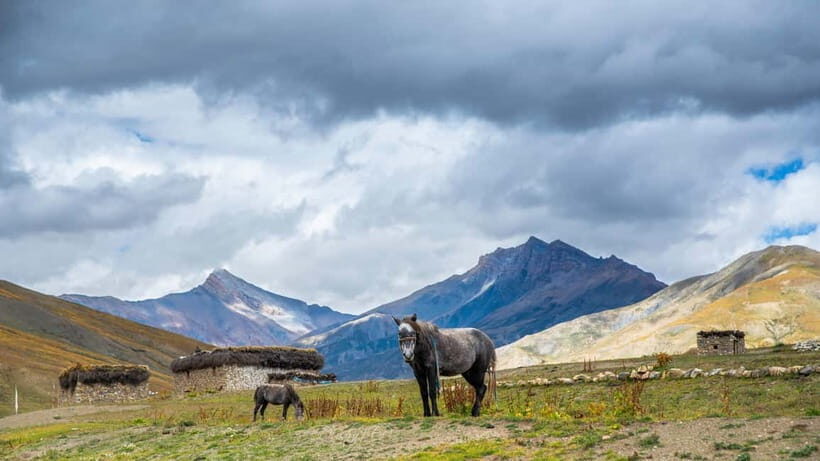
The $2,300 price covers the essentials: trekking permits, local tent accommodations, experienced guides, and contributions supporting children’s education in the region. This not only makes the trek accessible but also ensures your adventure leaves a positive impact on the local communities.
However, travelers should be prepared to cover costs for international flights, visas, personal gear, meals, and other expenses. The trek is full-board camping, meaning you won’t be eating in restaurants along the way, which keeps costs predictable but requires you to be comfortable with outdoor meals.
Practical Considerations
The trek’s remote nature means that rescue insurance, extra baggage charges, and unforeseen delays are not included. The rugged terrain, high altitude, and potential weather challenges require good physical fitness and flexible expectations. You will also need to bring your own trekking gear, including warm clothing, rain gear, and a sleeping bag.
The group size is likely small, given the remote nature and high altitude, which enhances the experience but also means you should be prepared for a physically demanding journey.
Final Thoughts: Is This Trek for You?
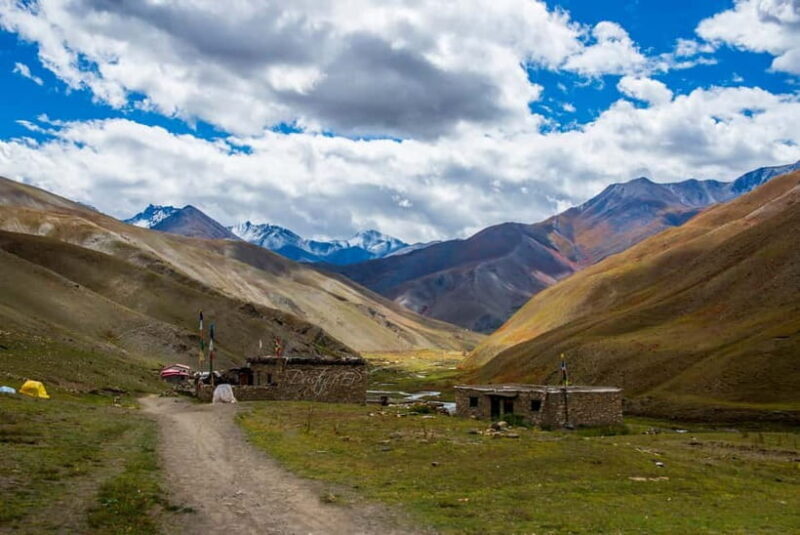
This adventure is ideal for experienced trekkers who crave something beyond the typical Annapurna or Everest routes. If you’re interested in culture, high-altitude challenges, and pristine landscapes, this trek checks all those boxes. The opportunity to witness ancient monasteries and meet indigenous communities offers a meaningful and authentic connection to Nepali Himalayan life.
It’s also perfect for travelers who appreciate a full camping experience and are comfortable with basic amenities in remote settings. The trek’s price reflects the logistical complexity and the effort to support local communities, making it a worthwhile investment for those seeking value in authentic adventure.
While physically demanding, the views, cultural insights, and sense of achievement make this a journey to remember. For those ready to step outside comfort zones and explore one of Nepal’s most untouched regions, the Upper Dolpa Cultural Trek offers a rare and rewarding experience.
Frequently Asked Questions (FAQs)
What is the starting point of the trek?
The trek begins with a scenic flight to Nepalgunj, followed by a land transfer to Dunai, which marks the official start of the adventure.
What is included in the price?
The $2,300 fee includes trekking permits, local camping accommodations, an experienced guide, and a contribution to local children’s education in Dolpa.
Are international flights included?
No, travelers need to arrange their own international flights to Nepal and visas. The tour only covers in-country logistics.
What kind of accommodation is provided?
Participants stay in full-board tents, which means camping in tents with meals provided. No hotel stays are included during the trek.
Is the trek suitable for beginners?
No, this trek is quite challenging due to high passes, altitude, and remote conditions. It’s best suited for experienced trekkers with high-altitude trekking experience.
How physically demanding is this trek?
Expect a physically demanding journey, especially crossing passes above 5000 meters. Good fitness and acclimatization are essential.
What should I bring?
You should bring warm clothing, a rain jacket, hiking shoes, goggles, thermal layers, a sleeping bag, and trekking gear suitable for cold mountain conditions.
Can I pay later or cancel easily?
Yes, you can reserve your spot with a pay-later option and cancel up to 24 hours in advance for a full refund.
The Upper Dolpa Cultural Trek offers a rare peek into a part of Nepal few have seen. It combines high-altitude adventure, spiritual discovery, and culture into one extraordinary package. It’s perfect for seasoned travelers eager to go beyond popular routes and experience true Himalayan authenticity.
If you’re craving a challenge wrapped in breathtaking scenery and meaningful cultural encounters, this trek might just be your next great adventure. Be prepared for tough days, awe-inspiring views, and an experience that will stay with you long after you’ve returned home.
You can check availability for your dates here: