
Tracing Rome in Pondicherry: A Walk Through Arikamedu
Location: India
Country: India
Price: $31 per person
Supplier Name: Outdoor Being
What we love about this experience:
- The chance to walk through actual ruins once central to international trade over 2,000 years ago.
- The insightful commentary from knowledgeable guides who bring the site’s history to life.
- The opportunity to see an impressive collection of artifacts—pottery, beads, amphorae—that tell stories of ancient cross-cultural exchanges.
- The peaceful river setting that enhances the feeling of stepping back in time.
Possible consideration:
- The site’s overgrown, moss-covered remains might feel more atmospheric than accessible, which could be a plus or minus depending on your preference for easy walking.
Who this experience suits best:
History buffs, archaeology enthusiasts, or travelers craving a meaningful, off-the-beaten-path adventure rooted in local and ancient stories.
- Discovering Arikamedu: A Walk Through Pondicherry’s Hidden Maritime Past
- Why Arikamedu Matters: A Brief Historical Context
- What to Expect on the Tour: Step-by-step Breakdown
- Meeting Point and Introduction
- Exploring the Ruins
- Learning About Trade and Craftsmanship
- Artifacts and Interpretations
- Natural Landscape and Folklore
- Concluding the Tour
- The Value of the Experience: What’s Included and What’s Not
- Authenticity and Practical Tips
- Final thoughts: Is it worth it?
- FAQ
- More Tour Reviews in Puducherry
- Still browsing? Here are more Puducherry experiences we've covered recently
Discovering Arikamedu: A Walk Through Pondicherry’s Hidden Maritime Past
If you’re exploring Pondicherry and want to go beyond the French colonial charm, a walk through Arikamedu offers a fascinating glimpse into a world where Tamil artisans and Roman traders once did business. This guided tour, costing just $31, is a practical and engaging way to connect with the region’s maritime history and ancient trade networks.
What sets this experience apart is its focus on authentic archaeology—walking among ruins that have been thoughtfully uncovered and interpreted by experts. And, perhaps most captivating, it’s a chance to see artifacts and ruins that speak to a time when India and the Roman Empire were exchanging goods and ideas across the sea.
You can check availability for your dates here:Why Arikamedu Matters: A Brief Historical Context
Arikamedu was once a thriving Indo-Roman port that operated from as early as the 3rd century BCE through to the 8th century CE, even during Tamil dynastic rule. Its strategic location on the Ariyankuppam River made it a hub of maritime activity, connecting India’s Tamil region with distant Roman markets.
Archaeological excavations reveal brick structures, warehouses, dyeing vats, and significant collections of Roman pottery, including stamped amphorae from Italy, confirming international links. The site was a melting pot of cultural exchange—Tamil artisans produced beads, textiles, and ceramics that traveled far beyond local markets, while Roman ships carried wine, olive oil, and fine ceramics back home.
This history resonates today because it illustrates how globalized the ancient world really was—long before the age of airplanes and internet. The preserved ruins and artifacts serve as tangible proof of this connectivity.
Into exploring Puducherry on foot? Check out these other walking experiences we've looked at
What to Expect on the Tour: Step-by-step Breakdown
Meeting Point and Introduction
You’ll meet at a church that serves as the starting point for this walk, where your expert guide from Outdoor Being greets you with enthusiasm. The guide, often well-versed in local history, will set the tone with intriguing stories and an overview of Arikamedu’s significance.
Exploring the Ruins
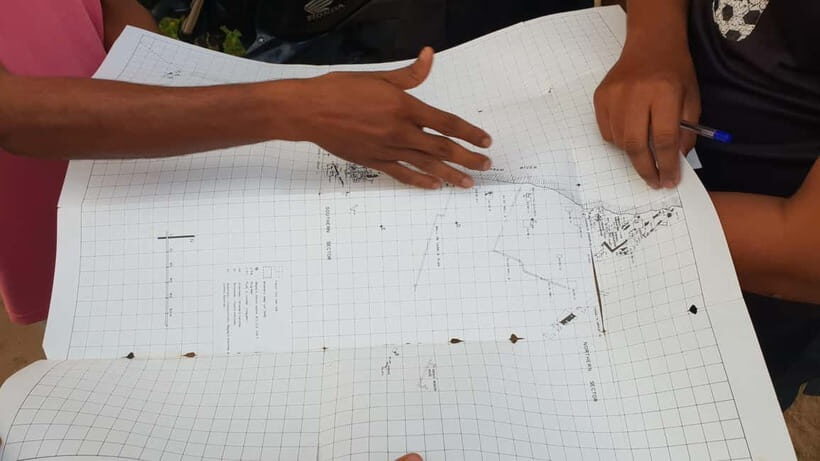
From there, you’ll stroll along the moss-covered remains and overgrown mounds that evoke a sense of mystery. The guided commentary helps you understand what you’re seeing—brick walls, ancient warehouses, and the remnants of dyeing vats that hint at the port’s economic activity.
One reviewer appreciated how the guide explained the layout of the site, pointing out where Roman ships might have docked and how the artifacts found here reflect a vibrant trading community. Expect to see shards of red-gloss Roman pottery, glassware, and beads, some of which have been stamped with Italian markings.
More Great Tours NearbyLearning About Trade and Craftsmanship
The guide’s insights into the art of bead-making, a key industry at Arikamedu, make this part of the tour especially engaging. Beads found at the site range from simple glass pieces to elaborately crafted items, illustrating the craftsmanship that traveled across the seas.
Artifacts and Interpretations
You’ll have the chance to examine pottery shards, amphorae, and other artifacts up close. The guide explains how each piece contributes to understanding the port’s trade, including the significance of Roman amphorae used for transporting wine and oil.
Natural Landscape and Folklore
The walk follows the Ariyankuppam River, which once served as a crucial waterway for ships. Along the way, the guide shares local folklore and how Arikamedu’s history inspired colonial interests, like the ruins of a Jesuit seminary still visible on the site.
Concluding the Tour
The walk ends back at the starting point, leaving you with a newfound appreciation for Pondicherry’s maritime legacy and the timeless story of cultural exchange.
The Value of the Experience: What’s Included and What’s Not
For $31, you get a guided exploration with an expert heritage guide, bottled water, all taxes, and a light local refreshment. It’s an accessible way to gain a nuanced understanding of the site without hidden costs.
What’s not included are transfers to the meeting point (which you’ll need to arrange yourself), meals outside the provided refreshment, and anything not explicitly listed. This makes the tour straightforward and transparent, ideal for travelers who prefer to focus on the experience itself.
Authenticity and Practical Tips
The tour is conducted in English and Tamil, which broadens accessibility. It lasts around a couple of hours, making it a manageable addition to your day. Wear comfortable shoes and clothes, and bring your camera, sunscreen, and water to stay comfortable as you walk through the ruins.
Some reviewers mention that the site’s mossy, overgrown condition adds to its charm but could be challenging for those with mobility concerns. It’s not suitable for travelers over 80 or over 95 years old, so plan accordingly.
Final thoughts: Is it worth it?
This tour offers significant value for history lovers eager for a tangible connection to ancient trade and cultural links. The price point is reasonable considering the depth of knowledge, the chance to see artifacts firsthand, and the peaceful riverside setting.
While the ruins might feel somewhat wild and unpolished, that only enhances their authentic, untouched atmosphere. The inclusion of interpretative commentary makes it educational without being overwhelming, perfect for curious travelers who enjoy storytelling as much as sightseeing.
If you’re interested in ancient maritime history, archaeology, or just want a meaningful experience away from tourist crowds, this walk through Arikamedu is well worth considering. It’s a rare window into a chapter of Pondicherry’s history that often remains hidden beneath more popular attractions.
FAQ
Is transportation to the meeting point included?
No, travelers need to arrange their own transportation to the church where the tour begins.
How long does the tour last?
It typically takes around two hours, providing a thorough yet manageable walk through the ruins.
Is the tour suitable for children?
This depends on the child’s mobility and interest in history, but generally, the site’s moss-covered ruins are best appreciated by older children and adults.
What should I bring?
Comfortable shoes, camera, sunscreen, water, and casual clothes are recommended for a comfortable experience.
Can I book the tour and pay later?
Yes, you can reserve your spot with flexible booking options and pay nothing upfront.
Are there any restrictions on age?
Yes, the tour isn’t suitable for those over 80 or 95 years old due to the walking terrain and site conditions.
What languages are available?
Guides speak both English and Tamil, catering to a diverse range of visitors.
Does the tour include a meal?
No, only a light local refreshment is provided as part of the tour.
What artifacts will I see?
Expect to see pottery shards, Roman amphorae, beads, glassware, and artifacts that reveal trade and craftsmanship.
Is the site accessible for people with mobility issues?
The moss-covered ruins may pose challenges for those with mobility concerns, so it’s best to inquire directly about specific needs.
To sum it up, the Tracing Rome in Pondicherry experience offers an engaging, educational journey into the region’s ancient maritime past. With a reasonable price, expert guides, and a scenic riverside setting, it’s ideal for history lovers, archaeology fans, and curious travelers seeking a genuine connection to Pondicherry’s layered heritage. It’s a chance to walk among the stones that once carried the goods and stories of a truly globalized ancient world. Whether you’re fascinated by trade routes, love uncovering hidden stories, or simply want to escape the crowds, this tour makes for a rewarding and insightful day out.
You can check availability for your dates here:More Tour Reviews in Puducherry
- 02-Days Lake City of Rajasthan, Udaipur Guided Tour
- From Pondicherry: Day Tour to Mahabalipuram and Kanchipuram
- Spiritual Walk Tour Pondicherry
- Pondicherry: Indian Cooking Class with Market Visit
- Private Day Tour: Pondicherry to Tanjore, Trichy & Madurai
- Pondicherry: Full day city tour with guide and lunch
Still browsing? Here are more Puducherry experiences we've covered recently
- 02-Days Lake City of Rajasthan, Udaipur Guided Tour
- From Pondicherry: Day Tour to Mahabalipuram and Kanchipuram
- Spiritual Walk Tour Pondicherry
- Pondicherry: Indian Cooking Class with Market Visit
- Private Day Tour: Pondicherry to Tanjore, Trichy & Madurai
- Pondicherry: Full day city tour with guide and lunch
- Indian Cooking & Market Tour in Pondicherry with Manisha Ray
- Pondicherry: Tropical Dry Evergreen Forest Guided Walk
- Pondicherry Beaches and History Guided Tour
- Highlights of the Pondicherry (Guided Half Day City Tour)
- Kayaking in Backwaters of Pondicherry
- From Chennai: Private Pondicherry & Auroville Day Tour