
This experience made our article of 4 Best Tours & Experiences In Takaoka (With Reviews & Prices).
- Introduction
- Key Points
- Exploring Zuiryu-ji Temple: An Authentic Zen Experience
- The Entrance: Sanmon Gate and Its Significance
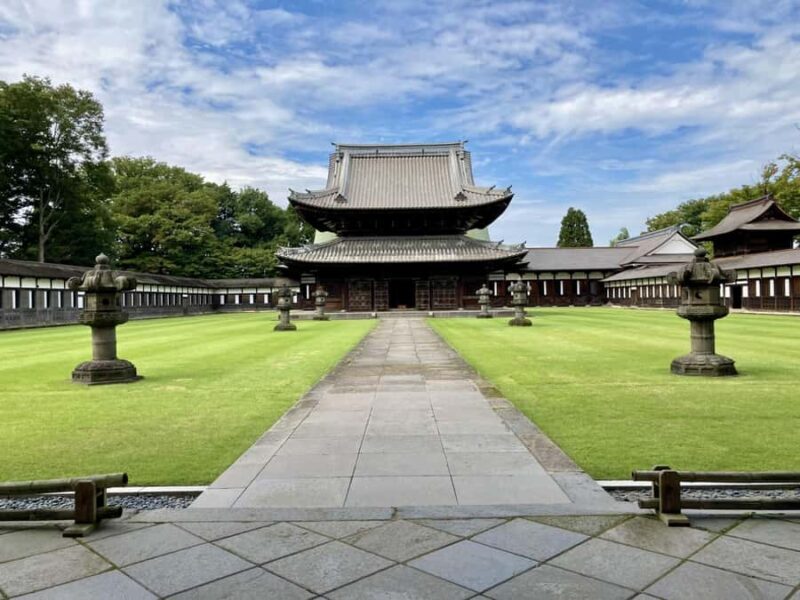
- Layout and Architectural Symmetry
- The Buddha Hall (Butsuden)
- The Dharma Hall (Hatto) and Guardians
- The Surrounding Cloisters and Corridors
- Connection to Social and Historical Context
- The Experience of the Tour
- Practical Details and Value
- Who Will Love This Tour?
- The Sum Up
- FAQ
- More Tours in Takaoka
- More Tour Reviews in Takaoka
Introduction
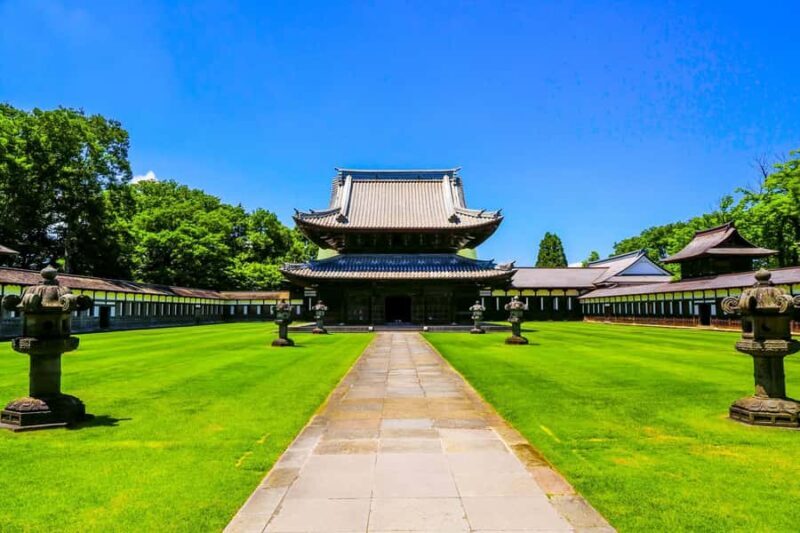
Our review of the Toyama: Zuiryu-ji Temple Zen Architecture & Philosophy Tour highlights a wonderfully authentic look at a prominent Zen Buddhist site in Japan. While we haven’t personally taken this exact tour, the detailed descriptions and reviews suggest it offers a balanced mix of spiritual insight and architectural appreciation.
What we love about this experience is its focus on Zen philosophy, especially how it’s expressed through the temple’s design and layout. The guidance, offered by an English-speaking expert, makes complex concepts accessible, and the stunning symmetry of Zuiryu-ji is truly a visual treat. Plus, the small, private group setting promises a more intimate experience, perfect for those wanting a deeper connection without the rush of large tours.
One potential consideration is the duration—just an hour—which might feel brief if you’re craving a more in-depth exploration. However, for many, this tight timeframe actually keeps the experience impactful and manageable within a busy itinerary.
This tour suits travelers interested in architecture, spirituality, or Japanese culture who want a respectful, insightful, and visually striking look at a historic Zen temple. It’s a wonderful option for those seeking a quiet, contemplative experience that adds value beyond typical sightseeing.
You can check availability for your dates here:Key Points
- Focus on Zen Philosophy: Learn how Zen ideas influence architectural and spiritual practices.
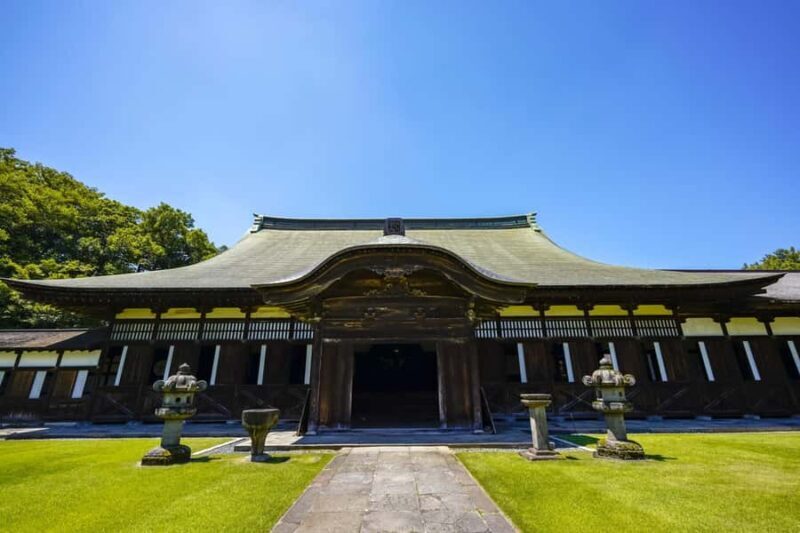
- Beautiful Symmetry: The temple’s layout reflects discipline, balance, and clarity.
- Symbolism of Gates: Discover how gates in Zen Buddhism mark mental boundaries and transitions.
- Insight into Social History: Understand how Zen temples intertwined with Japan’s warrior class and feudal society.
- Authentic Experience: Small private group offers personalized insights and a more relaxed atmosphere.
- Stunning Visuals: Expect well-preserved structures, serene courtyards, and meaningful architectural details.
Looking for more options in Takaoka? We've reviewed plenty of other experiences.
Exploring Zuiryu-ji Temple: An Authentic Zen Experience
The Entrance: Sanmon Gate and Its Significance
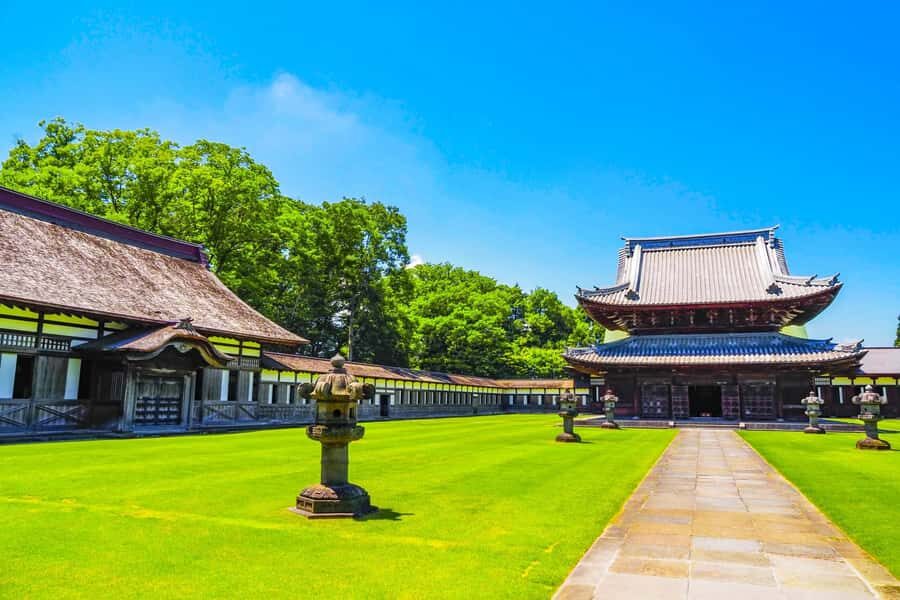
Starting at the outer gate, you’ll be greeted by the monumental Sanmon Gate, which is more than just a physical entry. In Zen tradition, gates symbolize transitions—both physical and mental—marking the move from everyday concerns into a space of calm and reflection. As you stand beneath the gate, imagine crossing a mental threshold, leaving behind worldly distractions.
Reviews from previous visitors note the “powerful presence” of this gate, which sets the tone for the entire visit. It’s a perfect spot for photos, but also a moment for quiet contemplation about the journey ahead.
Layout and Architectural Symmetry
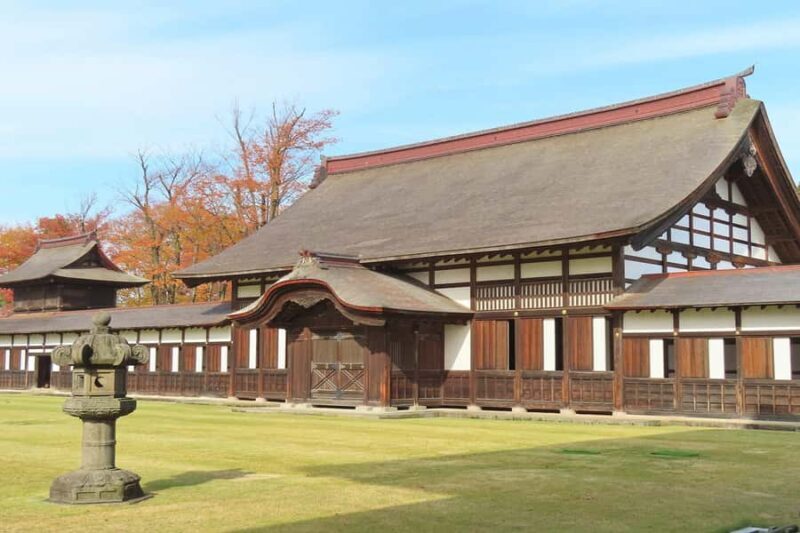
Once inside, the temple’s strict symmetry immediately catches the eye. This ordered arrangement isn’t just aesthetic but reflects core Zen principles: discipline, clarity, and balance. You’ll notice how the halls and courtyards are aligned with purpose, helping visitors feel a sense of harmony and focus.
The precise layout also hints at the role of architecture in Zen practice—designed to reduce distraction and promote meditation. The use of space, silence, and thoughtful design makes the entire environment a tool for spiritual discipline.
More Great Tours NearbyThe Buddha Hall (Butsuden)
Moving into the Butsuden, or Buddha Hall, the emphasis shifts from external grandeur to inward focus. The simplicity here is intentional—no ornate decorations distract from the core message. The space directs visitors’ attention inward, emphasizing meditation and mindfulness.
Visitors often comment on the “serene simplicity” of this hall, which embodies Zen ideals. One reviewer mentioned that the quiet, uncluttered environment helped deepen their understanding of how Zen seeks clarity through restraint.
The Dharma Hall (Hatto) and Guardians
Next, the Hatto or Dharma Hall, is where spoken teachings and rituals take place. Here, you’ll learn why spoken words and instructions are central to Zen practice. It’s also the space where Ucchusma My, a guardian deity linked to purification, plays a role in safeguarding the teachings.
The design of the hall, with its deliberate use of movement, sound, and light, reinforces the Zen focus on awareness in daily actions. Walking through the cloisters around these halls, you might notice how sound echoes softly, and light filters in gently—details that subtly influence your experience.
The Surrounding Cloisters and Corridors
Walking through the covered hallways, you’ll experience a rhythmic, almost meditative pace. The intentional design of these corridors encourages visitors to be aware of each step, fostering a Zen attitude of mindful movement. Several reviewers appreciate this aspect, noting that “the quiet rhythm of walking through the cloisters helps me stay present.”
Connection to Social and Historical Context
What makes Zuiryu-ji particularly fascinating is how its architecture and spiritual functions are intertwined with Japan’s feudal society. Historically, Zen temples like Zuiryu-ji served as both spiritual centers and social symbols, especially linked to the warrior class. The temple’s design and rituals reflect this historical relationship, making it a meaningful place to understand Japan’s past social orders.
The Experience of the Tour
The hour-long guided tour provides a focused, yet comprehensive, look at the temple’s numerous layers of meaning. The guide’s insights help connect the architectural features with broader themes, such as Zen ideals, societal roles, and cultural values.
Previous visitors mention the tour’s personalized touch—the guide was praised for their knowledge, making complex concepts accessible. They also appreciated the visual storytelling provided by the guide, who pointed out subtle architectural details that many might overlook.
Practical Details and Value
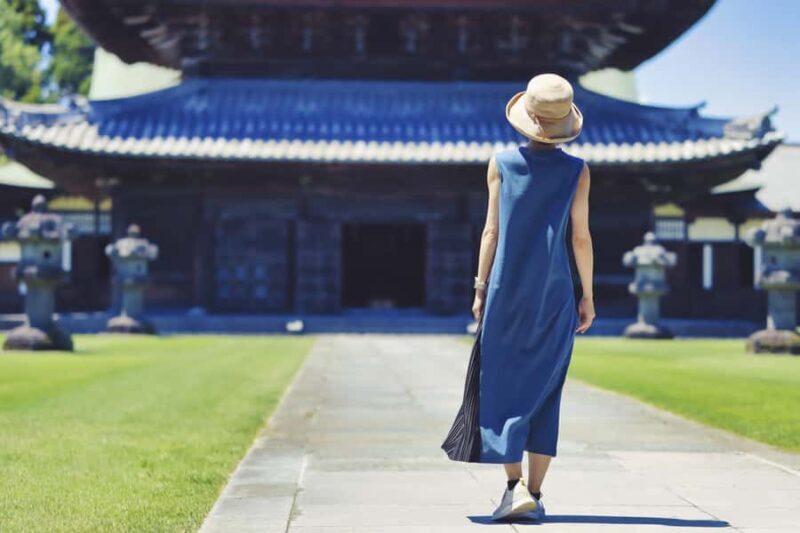
The tour’s pricing is quite reasonable for a private, expert-led experience, especially considering the quality of insights and intimate setting. The duration of just one hour makes it a perfect addition to a day of sightseeing in Toyama or Takaoka, without feeling overwhelming.
Participants should be prepared for walking through outdoor and indoor areas, so comfortable shoes are recommended. Since the tour is limited to private groups, the pace is flexible, and the guide can tailor explanations to your interests.
Booking is flexible—free cancellation up to 24 hours in advance—and the reservation process is straightforward. Payment is deferred until booking, making it easy to plan around other activities.
Who Will Love This Tour?
This experience suits culture lovers, architecture enthusiasts, and spiritual seekers alike. If you’re curious about how Zen ideals translate into physical space, or want an authentic glimpse of Japanese religious architecture, this tour offers both in spades. It’s especially ideal for those who prefer a quiet, contemplative atmosphere, and want more than superficial sightseeing.
It also works well for travelers who value small-group, personalized experiences that allow for deeper questions and insights. The focus on visual and symbolic elements makes it a meaningful stop for anyone interested in understanding Japan’s spiritual and social fabric.
The Sum Up
The Toyama: Zuiryu-ji Temple Zen Architecture & Philosophy Tour provides a well-rounded, insightful encounter with one of Japan’s key Zen sites. It’s a perfect blend of history, architecture, and spiritual principles, all presented in a thoughtful, accessible way.
For those seeking a peaceful, educational experience amid Japan’s stunning temples, this tour offers genuine value—insightful, visually captivating, and personally meaningful. It’s an excellent choice for travelers who want to deepen their appreciation for Zen Buddhism and traditional Japanese design without the fuss of large groups or overly lengthy excursions.
This tour is best suited for culturally curious visitors who enjoy reflective experiences and wish to see how spiritual ideals are embedded into physical space. Whether you’re a seasoned traveler or a first-time visitor, Zuiryu-ji’s quiet elegance will leave a lasting impression.
FAQ
Is this tour suitable for those with limited mobility?
Since the tour involves walking through the temple grounds and inside the halls, comfortable shoes and some mobility are recommended. It’s best suited for visitors able to handle walking moderate distances.
How long does the tour last?
The tour has a set duration of approximately 1 hour, making it easy to include in a day’s itinerary.
Is the tour private or group-based?
It’s a private tour for your group, ensuring personalized attention and a more relaxed experience.
What language is the tour conducted in?
The guide speaks English, making the insights accessible for international visitors.
Do I need to prepare anything in advance?
No special preparation is needed. Just arrive ready to walk and listen, and perhaps bring a notebook if you want to jot down insights.
Can I cancel if my plans change?
Yes, the booking is fully cancellable up to 24 hours in advance for a full refund.
Is there any age restriction?
The information doesn’t specify age restrictions, but since it involves walking and understanding concepts, small children might find it less engaging.
Are there restrooms on-site?
While not explicitly mentioned, most temples have basic facilities. It’s advisable to check with the tour provider if needed.
Will I be able to take photos?
The tour description mentions photo stops, so photography is likely permitted, especially in designated areas.
Is the experience accessible year-round?
Availability depends on the schedule, but generally, such cultural sites are open year-round—check with the provider for specific dates.
Overall, the Zuiryu-ji Temple Zen Architecture & Philosophy Tour offers a rare glimpse into Japan’s spiritual and architectural mastery. Whether you’re seeking serenity, cultural insights, or simply beautiful design, this experience delivers.
📍 This experience made our list of the 4 best Tours & Experiences in Takaoka