- Tokyo: Japanese Sweets Walking Tour with Nerikiri & Matcha
- Key Points
- An In-Depth Look at the Experience
- Tokyo Station: The Gateway to Wagashi
- Exploring Marunouchi: Trust through Simplicity
- Nihonbashi: Enduring Quality
- The Significance of Restraint & Trust in Japanese Food Culture
- Personalization & Seasonal Variations
- Authentic, Not Touristy
- Practical Details & Value
- Who Will Enjoy This Tour?
- The Sum Up
- FAQ
- The Best Of Tokyo!
- More Walking Tours in Tokyo
- More Tours in Tokyo
- More Tour Reviews in Tokyo
- Not for you? Here's more nearby things to do in Tokyo we have reviewed
Tokyo: Japanese Sweets Walking Tour with Nerikiri & Matcha
 1 / 6
1 / 6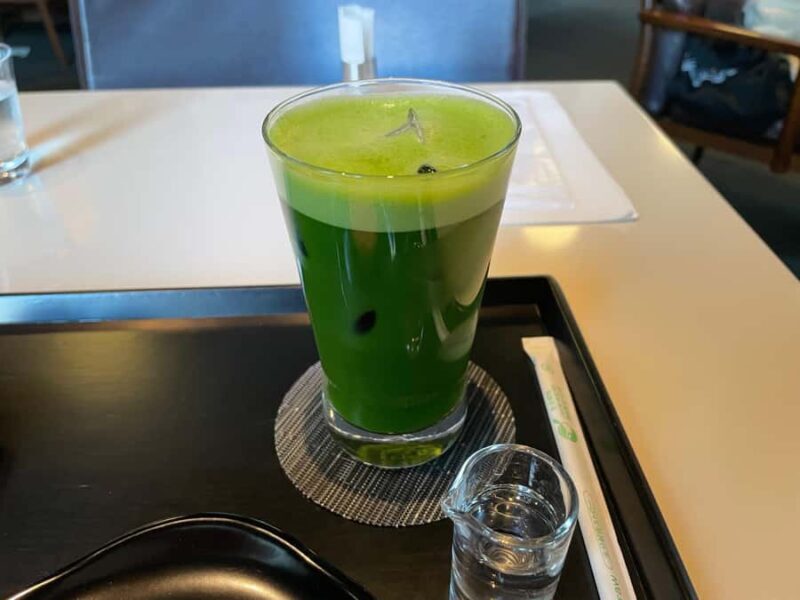 2 / 6
2 / 6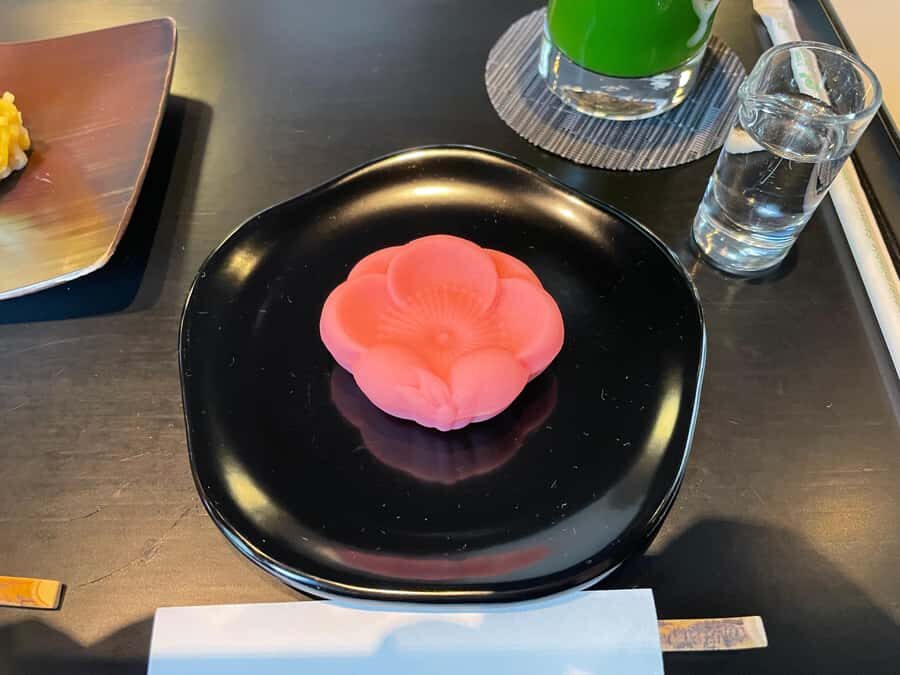 3 / 6
3 / 6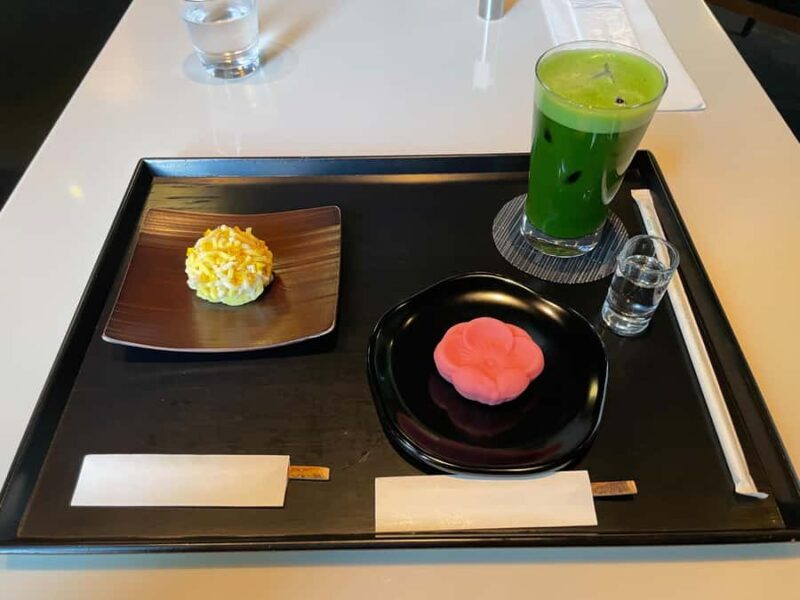 4 / 6
4 / 6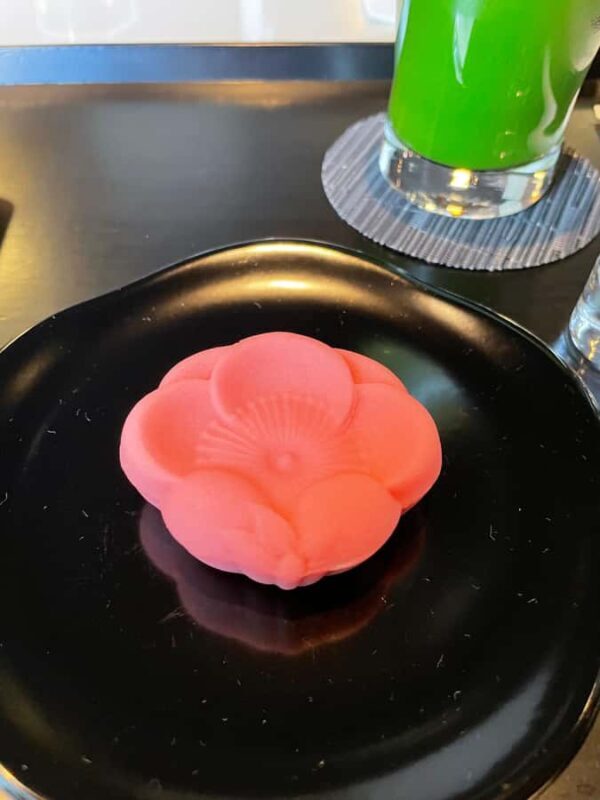 5 / 6
5 / 6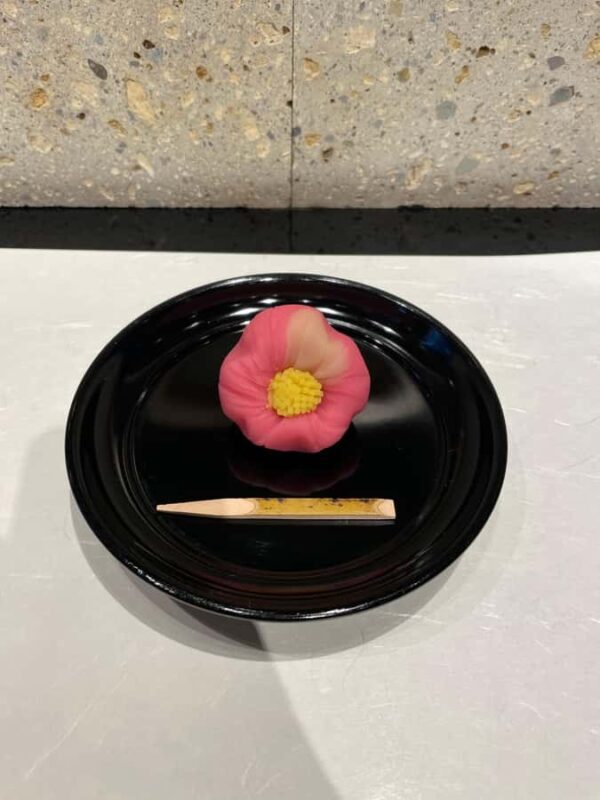 6 / 6
6 / 6Walking through Tokyo’s bustling streets, it’s easy to focus on the vibrant cityscape and ignore the quiet, centuries-old traditions hidden within. This Japanese Sweets Walking Tour with Nerikiri & Matcha offers a rare glimpse into Japan’s enduring wagashi culture, away from the tourist-heavy spots. Over three hours, you’ll explore neighborhoods like Marunouchi and Nihonbashi, visiting shops loved by locals for their unwavering commitment to tradition.
What we love about this experience is how it takes you off the beaten path into understated shops with modest facades, where trust and consistency are everything. We also appreciate the thoughtful pairing of elegant seasonal wagashi with matcha, adding a sophisticated layer to the tasting. Plus, the personalized approach, guided by an English-speaking expert, makes it feel like exploring with a knowledgeable friend. The only caveat? It’s designed for those genuinely interested in understanding Japan’s food culture, so it’s less about Instagram-worthy spots and more about authentic flavor. This tour is perfect for food lovers, history buffs, or anyone curious about Japan’s delicate sweets and what they reveal about Japanese values.
You can check availability for your dates here:
👉 See our pick of the Top 15 Tours & Experiences In Tokyo
Key Points
- Authentic Focus: The tour centers on traditional wagashi trusted by locals, not trendy or commercialized sweets.
- Cultural Depth: Learn why consistency and stability in sweets are more valued than novelty in Japan.
- Hidden Gems: Discover understated shops in quiet neighborhoods, often overlooked by travelers.
- Personalized Experience: Tailored to your interests, with a knowledgeable guide sharing insider insights.
- Seasonal Appreciation: Emphasis on seasonality and ingredient freshness in wagashi-making.
- Trust & Restraint: Understand how restraint in shop design and product offering builds long-term trust with customers.
You can also read our reviews of more walking tours in Tokyo



An In-Depth Look at the Experience
This walking tour starts conveniently at Tokyo Station, where your host—likely to be a passionate local—meets you for the first introduction to Japan’s sweets. Right away, the experience sets itself apart by emphasizing trust and tradition over flashiness. Your guide introduces the core idea that Japanese sweets are chosen for their quality and familiarity, rather than instant popularity. This perspective invites a deeper appreciation for what you’re about to taste.
Tokyo Station: The Gateway to Wagashi
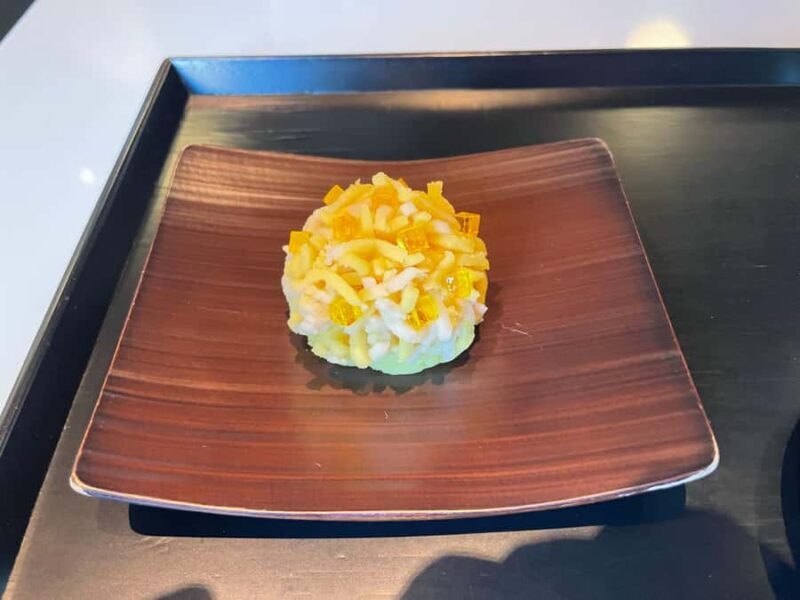
The tour kicks off with a classic wagashi experience at Tokyo Station, a hub that’s both modern and historic. Here, you’ll savor seasonal wagashi paired with matcha, a combination that highlights Japan’s careful balancing of sweetness and bitterness. Your guide will explain why these traditional sweets have endured through generations—focusing on their harmony, freshness, and seasonal relevance. One reviewer mentions that the elegant presentation of the wagashi “exuded craftsmanship,” and that the pairing with matcha made the experience feel genuinely refined without pretension.
Exploring Marunouchi: Trust through Simplicity
From the station, a brief 10-minute walk takes you into Marunouchi, an area famed more for business than food. Yet, it hosts small shops with long histories, often unassuming outside but rich with heritage inside. These are places that haven’t needed to modernize or advertise heavily—trust is built through consistency. The guide may point out signs that indicate customer loyalty, such as minimal exterior signage or handwritten notes inside.
While visiting, expect to taste sweets that showcase delicate sweetness and seasonality—a stark contrast to the heavily marketed, trend-driven confections. According to reviews, “shops with modest appearances and little explanation are often the most trustworthy,” which is why this part of the tour is so compelling. You get to see how these shops have remained unchanged, grounded in community trust rather than fleeting trends.
More Great Tours NearbyNihonbashi: Enduring Quality
Next, you’ll walk into Nihonbashi, another historic district where commerce and tradition blend seamlessly. Here, your host might introduce you to shops that have avoided expansion or modernization, emphasizing why these choices foster loyalty. You’ll enjoy more tastings—possibly different types of wagashi—and learn how each is crafted with seasonality and ingredient quality in mind.
During this segment, you’ll gain insights into why Japanese sweets prioritize balance over novelty. One review highlights that the experience “changed my perspective on what makes a good sweet—it’s not about flashy ingredients but about trust and restraint.”
You can also read our reviews of more tours and experiences in Tokyo



The Significance of Restraint & Trust in Japanese Food Culture
Throughout the tour, your guide elaborates on the cultural values that underpin wagashi-making—namely, how restraint, attention to detail, and consistency build a reputation that lasts decades. Shops often choose a modest exterior to let their quality speak for itself, a practice that fosters trust among locals. This approach might seem understated compared to Western marketing, but it’s deeply rooted in Japanese culture.
Personalization & Seasonal Variations
While the route is flexible depending on your interests, the core themes—trust, tradition, and seasonal ingredients—remain constant. If you visit during certain seasons, expect special treats aligned with seasonal festivals or nature’s cycles, like sakura (cherry blossom) wagashi in spring or chestnut sweets in autumn.
Authentic, Not Touristy
Unlike typical sightseeing tours, this experience deliberately avoids high-profile shops or heavily advertised spots. Instead, you’ll visit places that have remained small and understated, often without a website or social media presence. One reviewer appreciated that, “these aren’t tourist traps—they feel like real, everyday shops that Japanese people trust and visit regularly.” This makes the tour particularly meaningful for those seeking to understand Japan beyond the glossy surface.
Practical Details & Value
The 3-hour tour is designed to be leisurely, with plenty of opportunities for tasting and asking questions. The experience is private, making it ideal for personalized learning. The tour costs are reasonable considering the quality of experiences and tastings involved—it’s more than just a snack tour; it’s an educational journey into Japanese values.
Some shops may accept only cash, so packing a few yen is wise. Also, since popular items might sell out, arriving with flexible expectations will enhance your enjoyment. The tour guides are fluent in English, making communication smooth and informative.
Who Will Enjoy This Tour?
This experience suits travelers interested in cultural nuances and authentic food traditions. It’s ideal for those who want more than just sweet tasting; it’s about understanding why Japanese sweets are crafted with such care and enduring values. Perfect for foodies, history enthusiasts, or anyone curious about Japan’s deep-rooted culinary customs.
If you’re after trendy Instagram shots or high-energy food tours, this might not be your best fit. However, if you value trust, tradition, and subtlety in food, you’ll find this tour enlightening and deeply rewarding.
The Sum Up
This walking tour offers a window into Japan’s quiet, trusted world of wagashi, emphasizing the cultural importance of consistency and restraint. It’s a thoughtfully curated experience that combines delicious tastings with meaningful insights into Japanese values. You’ll leave with a new appreciation for how these sweets symbolize stability and trust, and a deeper understanding of the understated beauty of Japanese food culture.
For travelers who prize authenticity and are eager to explore beyond the guidebook favorites, this tour delivers a memorable journey into Japan’s culinary soul. It’s especially suited for those willing to slow down, savor, and truly understand the stories behind each bite.
FAQ
Is this tour suitable for all ages?
Yes, it’s suitable for most age groups, especially those interested in traditional sweets and cultural insights. The pace is relaxed, and tastings are gentle.
Do I need to bring cash?
Some shops may accept only cash, so bringing a small amount of yen is advised to purchase sweets or souvenirs.
Is the tour wheelchair accessible?
Yes, the experience provider states that it is wheelchair accessible, making it inclusive for travelers with mobility needs.
How flexible is the route?
The route can be slightly adjusted depending on participants’ interests, seasonal conditions, or time constraints, but the core themes remain consistent.
Are the shops tourist-focused?
No, the shops visited are not designed for travelers and often have modest appearances with little external signage, emphasizing authenticity.
What makes these wagashi special?
They are traditional, seasonal, and crafted with careful attention to balance, freshness, and ingredient quality—traits that have kept them beloved over generations.
Can I purchase the sweets I taste?
While some sweets may be available for purchase, popularity can lead to sell-outs. It’s best to buy early if you find something you love.
Embark on this journey, and you’ll come away with more than just a sweet tooth satisfied—you’ll gain a profound appreciation for Japan’s quiet dedication to tradition and trust in their culinary artistry.
You can check availability for your dates here: