
The Spanish Civil War and its profound impact on Barcelona come alive through the immersive walking tour. Participants explore the city’s turbulent past, uncovering the fierce clashes between anarchists and government forces that unfolded at key sites like Plaça de Catalunya. By engaging with historic artifacts and the revolutionary spirit of worker-controlled initiatives, visitors gain a deeper understanding of Barcelona’s radical political culture and the lasting influence of Franco’s dictatorship. With knowledgeable and passionate guides, the tour offers a compelling glimpse into this pivotal chapter of Spain’s history.
- Key Points
- Overview of the Spanish Civil War in Barcelona
- Exploring Significant Sites From the Conflict
- Understanding the Political Factions Involved
- The Anarcho-Syndicalist Movement in Barcelona
- Viewing Historic Images and Artifacts
- Engaging With Knowledgeable and Passionate Guides
- Tailoring the Tour Experience to Participant Interests
- Accessibility and Practical Information
- Frequently Asked Questions
- Can I Purchase Additional Souvenirs During the Tour?
- Is There an Option to Extend the Tour Duration?
- Do the Guides Provide Translations in Multiple Languages?
- Are There Any Discounts Available for Students or Seniors?
- Can I Request a Private Tour for My Group?
- The Sum Up
- More Cycling Tours in Barcelona
- More Tours in Barcelona
- More Tour Reviews in Barcelona
- Still browsing? Here are more Barcelona experiences we've covered recently
Key Points
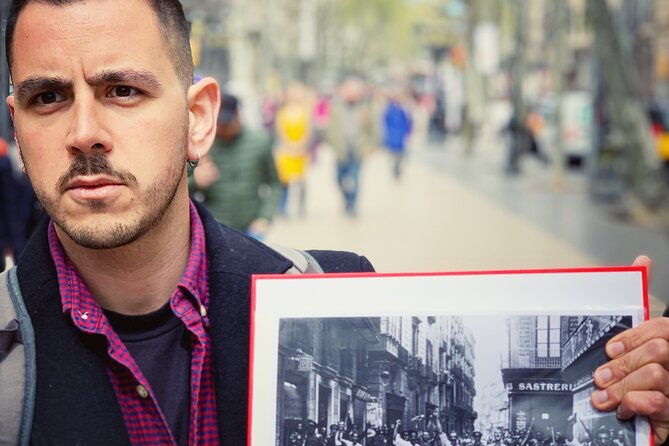
- Explore significant sites in Barcelona that were central to the Spanish Civil War, including Plaça de Catalunya, CNT headquarters, and Montjuïc Castle.
- Understand the political factions involved in the conflict, such as the Republicans, Nationalists, anarchists, and communists, and their competing ideologies.
- Discover the anarcho-syndicalist movement that flourished in Barcelona, with its emphasis on worker-controlled factories and radical political culture.
- Engage with historic images, artifacts, and primary sources to deepen the understanding of the Spanish Civil War and its impact on Barcelona.
- Examine how Franco’s dictatorship suppressed Barcelona’s anarchist and socialist history, and the lasting effects on the city’s political and cultural landscape.
Overview of the Spanish Civil War in Barcelona
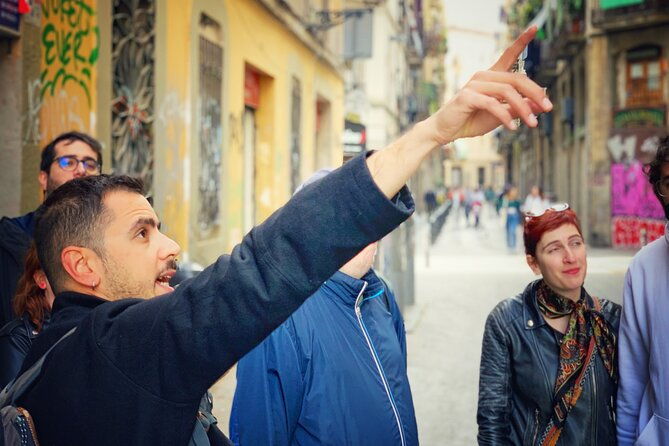
Though the Spanish Civil War raged across the country from 1936 to 1939, Barcelona was at the epicenter of the conflict, serving as a hub for leftist Republican forces opposing the Nationalist uprising led by General Francisco Franco.
The city witnessed fierce street battles, political clashes, and the implementation of revolutionary social reforms.
Under Franco’s dictatorship, Barcelona’s anarchist and socialist past was suppressed, with many historic sites and monuments destroyed or repurposed.
Today, the walking tour explores this tumultuous era, shedding light on the ideological divisions, struggles, and legacies that continue to shape Barcelona’s identity.
Into exploring Barcelona on foot? Check out these other walking experiences we've looked at
Exploring Significant Sites From the Conflict
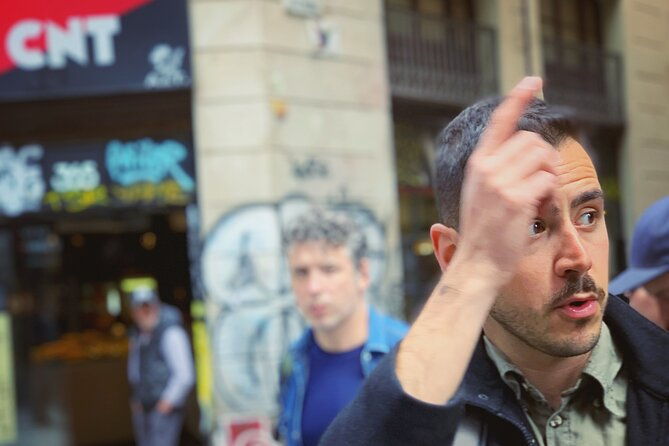
As the tour winds through the historic streets of Barcelona, the guide leads participants to significant sites that witnessed the tumultuous events of the Spanish Civil War. The tour explores the iconic Plaça de Catalunya, where anarchists clashed with government forces. Nearby, the group visits the former headquarters of the CNT labor union, a stronghold of the anarchist movement. Continuing on, the tour stops at the Montjuïc Castle, which played a strategic role in the conflict and was a site of executions under Franco’s regime. Throughout, the guide provides vivid historical context and encourages thoughtful discussion.
| Site | Significance |
|---|---|
| Plaça de Catalunya | Anarchist-government clashes |
| CNT headquarters | Anarchist labor union stronghold |
| Montjuïc Castle | Strategic location, site of executions |
| MACBA (Contemporary Art Museum) | Housed in former university building used during the war |
| Passeig de Gràcia | Backdrop for anti-fascist demonstrations |
Understanding the Political Factions Involved
The Spanish Civil War was a complex and multifaceted conflict that pitted various political factions against one another.
On the tour, guides explore the main players, including the Republicans, who supported democracy and reforms, and the Nationalists, led by General Franco, who sought to maintain the status quo.
Participants gain insight into the differing ideologies, goals, and alliances that fueled the war, from anarchist and communist groups to the Catholic Church and the military.
The Anarcho-Syndicalist Movement in Barcelona
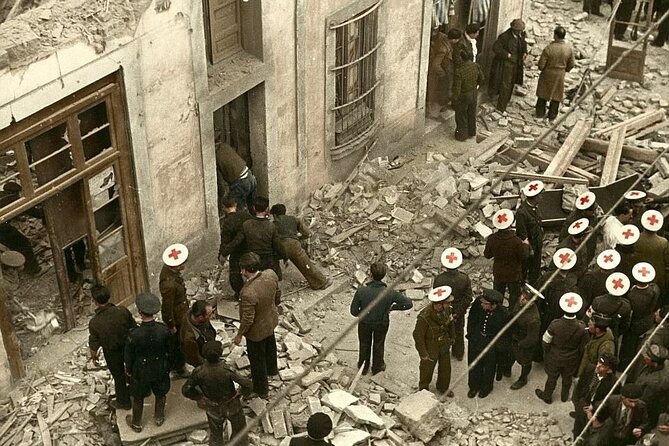
During the Spanish Civil War, Barcelona emerged as a stronghold of the anarcho-syndicalist movement, a revolutionary philosophy that advocated for worker-controlled factories and communities. Inspired by ideals of self-governance and economic justice, anarcho-syndicalists in Barcelona led a series of strikes and worker-led takeovers of businesses. This period was marked by a spirit of experimentation and autonomy, as workers sought to reorganize society along egalitarian lines. The anarcho-syndicalist influence in Barcelona was a defining feature of the Civil War, reflecting the city’s radical political culture and the broader struggle for the future of Spain.
| Anarcho-Syndicalist Principles | Key Figures | Tactics | Outcomes |
|---|---|---|---|
| Abolition of the wage system | Salvador Seguí | General strikes | Worker-controlled factories |
| Worker self-management | Buenaventura Durruti | Workplace occupations | Decentralized communities |
| Direct action | Joan Peiró | Expropriations | Clashes with state forces |
| Federalism | Ángel Pestaña | Collectivization | Suppression by Franco’s regime |
Viewing Historic Images and Artifacts
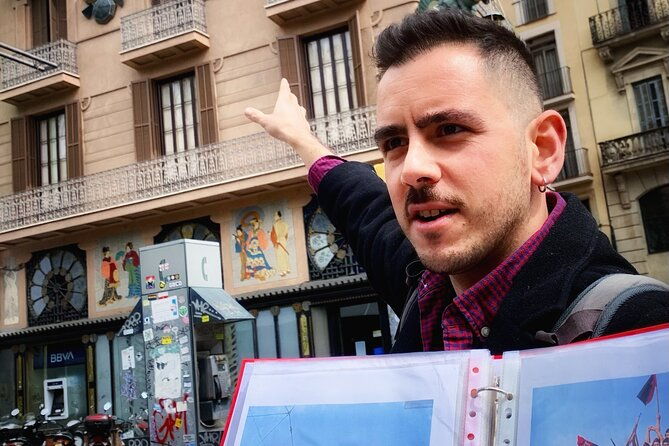
Participants on the Barcelona Walking Tour engage with a variety of historic images and artifacts to enhance their understanding of the Spanish Civil War and Franco’s dictatorship.
The guides use maps, photographs, and quotes from the era to illustrate key points and immerse the group in the emotional complexity of the conflict.
Artifacts like propaganda posters, political pamphlets, and historical documents provide tangible connections to the past.
This visual and tactile experience allows participants to better grasp the lived realities of the time, going beyond mere facts and figures.
The tour’s emphasis on primary sources enriches the overall learning experience.
- Barcelona in 1 Day: Sagrada Familia, Park Guell,Old Town & Pickup
- Barcelona Tipsy Tapas Guided Food Tour With Dinner
- Barcelona Small Group Sailing With Snacks and Cava
- Flamenco Night at Tablao De Carmen With Tasting Menu or Dinner
- Barcelona Segway Tour
- Gaudi’S Casa Vicens Skip the Line Ticket With Audioguide
Engaging With Knowledgeable and Passionate Guides
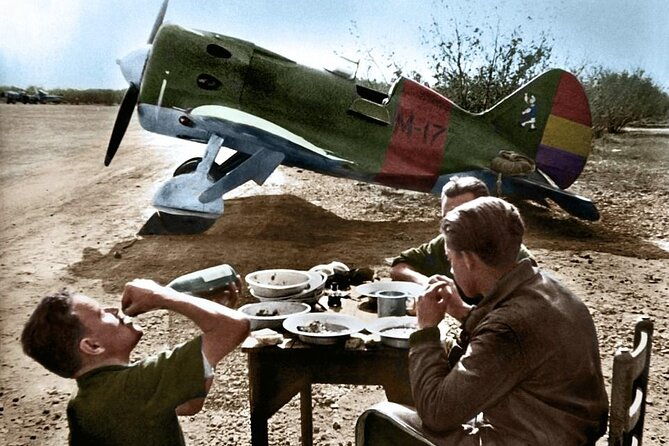
As participants embark on the Barcelona Walking Tour, they’re guided by knowledgeable experts who bring the history to life through their passion and expertise.
The guides’ interactive and engaging storytelling techniques encourage questions, fostering a deeper understanding of the Spanish Civil War and Franco’s dictatorship.
Utilizing maps, photographs, and quotes from the era, the guides skillfully illustrate the complex political factions and emotions surrounding this pivotal moment in Spanish history.
Participants praise the guides’ ability to tailor the experience based on their interests, providing a personalized and impactful learning experience.
Tailoring the Tour Experience to Participant Interests
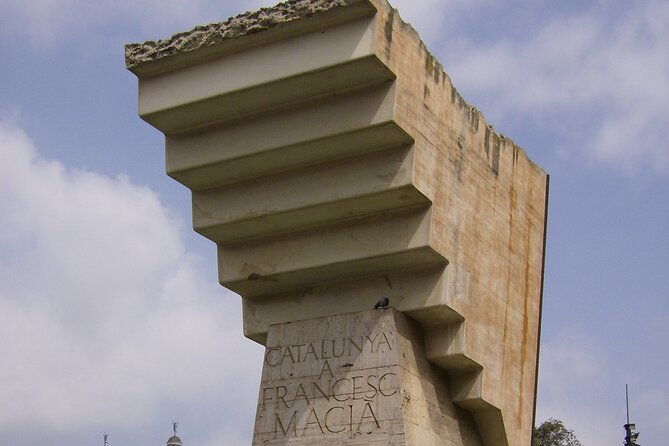
Beyond the knowledgeable guides, the Barcelona Walking Tour distinguishes itself by its ability to tailor the experience to the specific interests of participants.
Whether visitors are more passionate about the political factions, the working-class history, or the emotional complexities of the Civil War, the tour can adapt accordingly.
Guides utilize maps, photographs, and period quotes to bring the subject matter to life in a way that resonates with each group.
This personalized approach ensures participants leave with a deeper, more nuanced understanding of Barcelona’s turbulent past and its lasting impact on the city.
Accessibility and Practical Information
The Barcelona Walking Tour offers good accessibility, with the tour being wheelchair and stroller friendly and allowing service animals.
Public transportation is nearby, and the tour surfaces are accessible. Participants can rent a 1€ guide radio headset, payable at the meeting point, to enhance their experience.
The tour has a flexible cancellation policy, allowing free cancellation up to 24 hours before the scheduled start.
Whether exploring the city’s historical context or learning about the Spanish Civil War, this walking tour provides a comprehensive and accessible way for visitors to enjoy Barcelona’s rich past.
Frequently Asked Questions
Can I Purchase Additional Souvenirs During the Tour?
The tour does not mention the availability of purchasing souvenirs during the experience. Participants should expect the focus to be on the historical exploration and learning aspects of the walking tour.
Is There an Option to Extend the Tour Duration?
While the standard tour duration is approximately 3 hours, customers can inquire about extending the experience if they’d like to explore additional sites or dive deeper into the complex history. Extended tours may be available for an additional fee.
Do the Guides Provide Translations in Multiple Languages?
The guides provide tours in multiple languages, typically including English and Spanish. Participants can request translations in other languages during the booking process, though options may be limited based on availability.
Are There Any Discounts Available for Students or Seniors?
The tour doesn’t specify any discounts for students or seniors, but you can contact the tour provider to inquire about any available discounts. Promotional offers may be subject to change, so it’s best to check directly.
Can I Request a Private Tour for My Group?
Yes, private tours can be requested for this tour. The tour operator offers private group experiences, which allow for customized experiences and more personalized attention. Group size and pricing may vary based on the specific request.
The Sum Up
The Spanish Civil War & Franco Barcelona Walking Tour offers a profound exploration of the city’s tumultuous past. Participants explore the conflict’s significant sites, uncover the political factions involved, and gain insights into the anarcho-syndicalist movement‘s revolutionary spirit. Through engaging with historic images and artifacts, visitors emerge with a deeper understanding of Barcelona’s radical political culture and the long-lasting impact of Franco’s dictatorship.
More Cycling Tours in Barcelona
- Barcelona: Off-the-Beaten-Path Private Bike Tour
- Barcelona: Sagrada Familia or City Tour by Bike or eBike
- Barcelona: Guided Highlights Bike or eBike Tour (3.5 Hours)
- Barcelona Before the Crowds: Sunrise Bike Tour
- Barcelona: Montjuïc e-bike Adventure with Views and Castle
- Barcelona: Relaxing and fun bike tour – English spoken
More Tours in Barcelona
- Christmas Magic in Barcelonas Gothic Quarter – Private Tour
- Barcelona: Guided Tour of Sagrada Familia
- Barcelona: Food Walking Tour with Tapas and Wine
- Barcelona: Park Güell Guided Tour with Skip-The-Line Entry
- Barcelona Tapas Tastings Food Crawl Walking Tour & VIP Entry
- Barcelona: Hidden Corners and Instagram Walking Tour
More Tour Reviews in Barcelona
- Christmas Magic in Barcelonas Gothic Quarter – Private Tour
- Barcelona: Guided Tour of Sagrada Familia
- Barcelona: Food Walking Tour with Tapas and Wine
- Barcelona Pass: White Rabbit & House of Candy Combo Ticket
- Barcelona: Park Güell Guided Tour with Skip-The-Line Entry
- Votre voilier avec capitaine pour naviguer et vous baigner
Still browsing? Here are more Barcelona experiences we've covered recently
- 13 Best City Tours In Barcelona
- 12 Of The Best Walking Tours In Barcelona
- You’ll Love These 13 Workshops & Classes In Barcelona
- What Are The Best Helicopter Flights & Tours In Barcelona? Our Top 4 Picks
- Barcelona’s 14 Best Sailing Experiences
- 3 Best Spa & Hot Springs Experiences In Barcelona
- The 13 Top Wine Tours In Barcelona: Which Is Best?
- Which Barcelona Historical Tours To Choose? We Rank The 14 Best
- The Top 6 Shopping & Market Tours In Barcelona
- 11 Best Tours In Barcelona (With Reviews & Prices)
- Barcelona’s 5 Top Dining Experiences (With Prices)
- Barcelona’s 13 Best Photography Experiences (With Prices & Reviews)