
Unraveling the captivating history of Prague’s Jewish community, the "Stories of Jewish Prague Walking Tour" invites travelers on an enriching exploration. Led by local historians, this intimate 3-hour journey delves into the city’s past, from the grandeur of five synagogues to the poignant legacy of the Old Jewish Cemetery. As participants stroll through these significant sites, they’ll gain a deeper understanding of the triumphs and challenges faced by the Jewish people in this historic metropolis.
- Key Points
- Tour Overview
- Historical Highlights
- The Old-New Synagogue
- The Renaissance Town Hall
- Significant Figures
- Expulsion and Edict of Toleration
- Impact of Nazi Germany
- Jewish Life in Communist and Modern Prague
- Frequently Asked Questions
- What Is the Dress Code for the Tour?
- Can I Bring My Own Food and Drinks on the Tour?
- How Much Walking Is Involved During the Tour?
- Are Restrooms Available During the Tour?
- Can I Take Pictures Inside the Synagogues?
- The Sum Up
- More Tour Reviews in Prague
- Still browsing? Here are more Prague experiences we've covered recently
Key Points
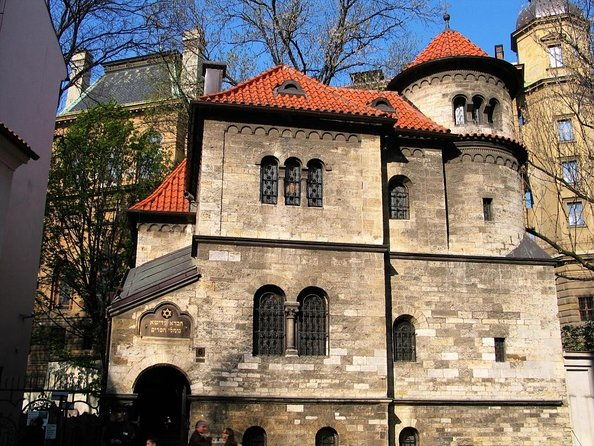
- Explore the historical and architectural significance of five synagogues, including the oldest functioning synagogue in Europe, the Old-New Synagogue.
- Discover the Jewish community’s ‘golden age’ and the legacy of the Renaissance Town Hall, a symbol of their autonomy and prosperity.
- Explore the legendary tale of the Golem, created by Rabbi Judah Loew ben Bezalel, and its enduring impact on Jewish Prague.
- Understand the devastating impact of the Nazi invasion and the Holocaust on the Jewish population, leading to a drastic decline in the community.
- Gain insights into the resilience and trauma of the Jewish community as they navigated the historical triumphs and tragedies of Prague.
Tour Overview
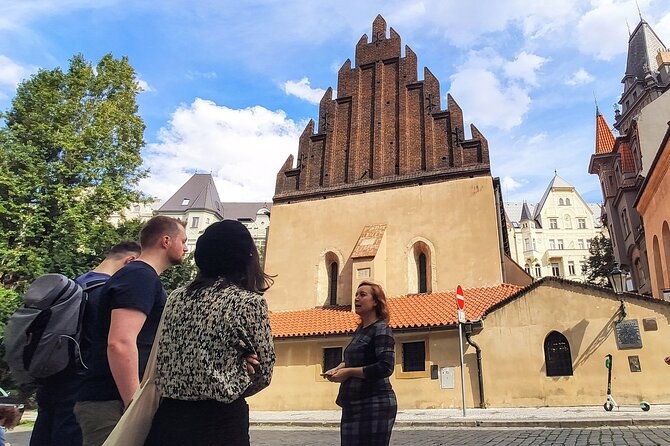
This 3-hour walking tour offers an in-depth exploration of Jewish Prague, delving into the medieval, wartime, and modern experiences of the city’s Jewish community.
Led by a local historian, the small-group tour (max 8 travelers) visits five remaining synagogues, the Old Jewish Cemetery, and the Jewish Town Hall.
Guests can choose from morning or afternoon departures, ensuring a personalized experience.
The tour provides valuable insights into the lives of significant figures like Rabbi Judah Loew ben Bezalel and discusses events such as the expulsion by Empress Maria Theresa and the impact of Nazi Germany and Communist rule on the Jewish population.
Into exploring Prague on foot? Check out these other walking experiences we've looked at
Historical Highlights
The walking tour explores the city’s rich Jewish heritage, starting with the Old-New Synagogue, the longest functioning synagogue in Europe built in the late 13th century.
Along the way, visitors learn about:
-
The Renaissance Town Hall, constructed by Mordechai Maisel during Prague’s ‘golden age’ for the Jewish community
-
Significant figures like Rabbi Judah Loew ben Bezalel, known for his legend of the Golem
-
The expulsion of Jews by Empress Maria Theresa and the impact of the ‘Edict of Toleration’
-
Stories that provide insight into the vibrant history and diverse experiences of Prague’s Jewish population.
The Old-New Synagogue
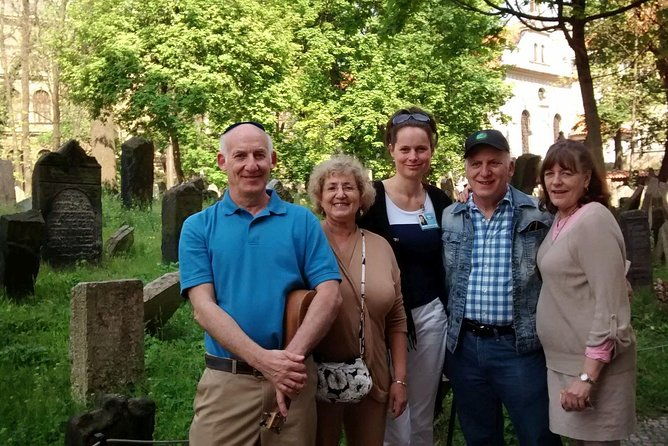
The Old-New Synagogue stands as the oldest functioning synagogue in Europe, dating back to the late 13th century. This architectural gem boasts stunning Gothic features, including ribbed vaulted ceilings and stained glass windows. Experts believe the structure was built atop the remains of an even older synagogue, reflecting the deep roots of Prague’s Jewish community. Over the centuries, the Old-New Synagogue has witnessed the triumphs and tragedies of its congregants, from the golden age of the Renaissance to the devastation of the Holocaust. Today, it remains a powerful symbol of resilience and a must-see for visitors exploring Jewish Prague.
| Architectural Feature | Description |
|---|---|
| Vaulted Ceilings | Ribbed, Gothic style |
| Stained Glass Windows | Colorful, historic |
| Foundation | Remnants of older synagogue |
| Historical Significance | Renaissance, Holocaust |
| Current Status | Oldest functioning synagogue in Europe |
The Renaissance Town Hall
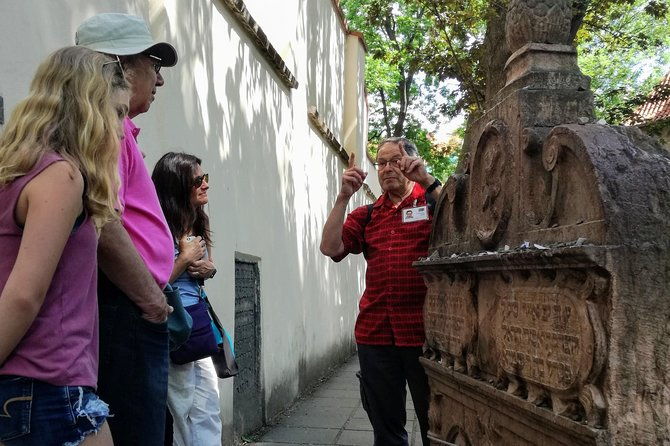
Why was the Renaissance Town Hall constructed by Mordechai Maisel during the ‘golden age’ of Prague’s Jewish community?
Maisel, a prominent banker and communal leader, recognized the need for a central hub to manage the growing affairs of Prague’s prosperous Jewish quarter.
The Renaissance Town Hall stood as a symbol of Jewish autonomy and prosperity, housing administrative offices, a synagogue, and a Jewish law court.
Its striking architectural features include:
- Ornate facade with Renaissance-style arched windows
- Iconic clock tower with two statues representing Moses and Aaron
- Bright yellow exterior contrasting the dark-toned buildings around it
- Grand ballroom and meeting halls for community events
- Extensive archives documenting the history of Prague’s Jewish community
Significant Figures
While numerous influential figures shaped Prague’s Jewish history, one stands out as particularly remarkable – Rabbi Judah Loew ben Bezalel.
Known as the Maharal, he was a renowned scholar, philosopher, and leader who lived in the 16th century. Loew’s prolific writings and teachings earned him great renown, and he’s credited with founding a famous Jewish academy in Prague.
On top of that, he’s said to have created the legendary Golem, a mythical creature made of clay, to protect the Jewish community during a time of persecution.
Loew’s legacy continues to captivate visitors to this day.
Expulsion and Edict of Toleration
Prague’s Jewish community faced a painful period of expulsion and persecution in the 18th century. Empress Maria Theresa expelled Jews from Prague in 1744, forcing them to live in the Jewish ghetto.
This edict led to:
- Thousands of Jews stripped of their property and homes
- Families torn apart and exiled from their beloved city
- Once-thriving synagogues and cultural centers shuttered
- Severe economic hardship as Jews lost their livelihoods
- Decades of uncertainty until the Edict of Toleration in 1781
The Edict of Toleration by Emperor Joseph II eventually allowed Jews to return to Prague, but the damage to the community was extensive.
This dark chapter left an indelible mark on Prague’s Jewish history.
Impact of Nazi Germany
The Nazi invasion of Czechoslovakia in 1939 had a devastating impact on Prague’s once-thriving Jewish community. Before the war, over 50,000 Jews lived in the city. By 1945, only a few thousand remained. The Nazis targeted and persecuted Prague’s Jews, sending tens of thousands to concentration camps like Terezín and Auschwitz. Many perished in the gas chambers or died of starvation and disease. The following table highlights the tragic fate of Prague’s Jewish population during the Nazi occupation:
| Metric | Before 1939 | After 1945 |
|---|---|---|
| Jewish Population | 50,000+ | 8,000 |
| Synagogues | 8 | 3 |
| Cemeteries | 3 | 1 |
| Survivors | N/A | Fewer than 2,000 |
The trauma of the Holocaust cast a long shadow over Prague’s Jewish community, which struggled to rebuild in the postwar years.
Jewish Life in Communist and Modern Prague
After the devastation of the Holocaust, Prague’s Jewish community faced an uphill battle to rebuild and revive their cultural and religious traditions under Communist rule.
Despite the challenges, Jewish life in Prague began to slowly reemerge:
-
The Jewish cemetery and synagogues were gradually restored and reopened for worship and tourism.
-
Jewish cultural festivals and community events were cautiously reintroduced, with the support of sympathetic government officials.
-
Younger generations learned about their heritage and worked to preserve their traditions for the future.
-
Today, Prague’s Jewish Quarter is a vibrant hub, attracting visitors from around the world to explore its rich history and resilient spirit.
Frequently Asked Questions
What Is the Dress Code for the Tour?
The tour does not have a strict dress code, but visitors are encouraged to dress comfortably and respectfully for the walking experience. Casual, weather-appropriate attire is recommended to ensure a pleasant and enjoyable tour.
Can I Bring My Own Food and Drinks on the Tour?
According to the tour details, there’s no mention of bringing your own food and drinks. However, it’s generally recommended to check with the tour provider beforehand to ensure you can bring your own refreshments on the walking tour.
How Much Walking Is Involved During the Tour?
The tour involves a considerable amount of walking, covering about 3 miles over the 3-hour duration. Participants should be prepared for an active walking experience through the historic Jewish Quarter of Prague.
Are Restrooms Available During the Tour?
There are no dedicated restrooms along the tour route. However, the guide will point out public restroom facilities that can be accessed during breaks in the walking tour. Travelers should plan accordingly based on their personal needs.
Can I Take Pictures Inside the Synagogues?
Photography is generally not allowed inside the synagogues visited on the tour. However, visitors can take pictures outside the synagogues and in other public areas as long as they are respectful of the sacred spaces and follow the guidance of the tour guide.
The Sum Up
The "Stories of Jewish Prague Walking Tour" offers an immersive exploration of the city’s rich Jewish heritage. Travelers uncover pivotal events, from the impact of the Holocaust to the legacy of Rabbi Judah Loew ben Bezalel. Through visits to historic sites, they gain deep insights into the Jewish community’s enduring presence and resilience in Prague, even in the face of persecution and adversity.
More Tour Reviews in Prague
Still browsing? Here are more Prague experiences we've covered recently
- 6 Top-Rated Prague 2-Hour Tours
- Discover 9 Great Christmas Experiences & Tours In Prague
- The Top 14 Tours In Prague
- The Top 7 Wine Tours In Prague
- Our Picks For The 14 Best Walking Tours In Prague
- We Rank Prague’s 11 Top Food Tours
- 4 Of The Best Workshops & Classes In Prague
- 9 Top Dinner Experiences In Prague (With Reviews & Prices)
- What Are The Best Historical Tours In Prague? Our Top 14 Picks
- Prague’s 9 Top Photography Experiences (With Prices)
- 3 Best Shopping & Market Tours In Prague (With Prices)
- The 14 Top Drinking Tours In Prague: Which Is Best?