
If you’re planning a trip to Siem Reap and want a well-rounded view of Cambodia’s past, culture, and daily life, this tour is a solid pick. It packs a lot into one day—visiting the poignant Killing Fields, exploring the vibrant floating village, and ending with a traditional dance performance and dinner. What we love about this experience is how it offers a genuine glimpse into the country’s complex history, local livelihoods, and artistic traditions. Plus, the variety keeps the day interesting.
A few things to keep in mind: the tour involves a fair amount of walking and some emotionally heavy sites, so it’s not ideal if you have mobility issues or prefer lighter, more superficial sightseeing. Overall, it’s perfect for curious travelers eager to understand Cambodia beyond just Angkor Wat, especially those who value authentic, meaningful experiences.
Key Points:
- Balanced itinerary combining history, culture, and local life
- Includes a visit to the Killing Fields—a must for understanding Cambodia’s recent history
- Floating village visit offers a unique perspective on water-based communities
- Traditional Apsara dance and buffet dinner showcase Cambodia’s artistic heritage
- Affordable price point offers good value for the full-day experience
- Not suitable for those with mobility issues due to walking and site conditions
- A Well-Rounded Look at Cambodia’s Past and Present
- What to Expect and Practical Tips
- The Value of the Experience
- Who Should Consider This Tour?
- The Sum Up
- FAQ
- More Private Tours in Siem Reap
- More Tours in Siem Reap
- More Tour Reviews in Siem Reap
- Still browsing? Here are more Siem Reap experiences we've covered recently
A Well-Rounded Look at Cambodia’s Past and Present
This tour from Siem Reap offers a thorough introduction to the country’s layered story. Starting with Wat Thmey Killing Fields, you’ll learn about the atrocities committed during the Khmer Rouge regime. The site is a haunting reminder of Cambodia’s recent history, and the guide typically shares respectful, insightful commentary about the events that took place. Guests have noted that the experience is emotional but essential for understanding Cambodia’s resilience.
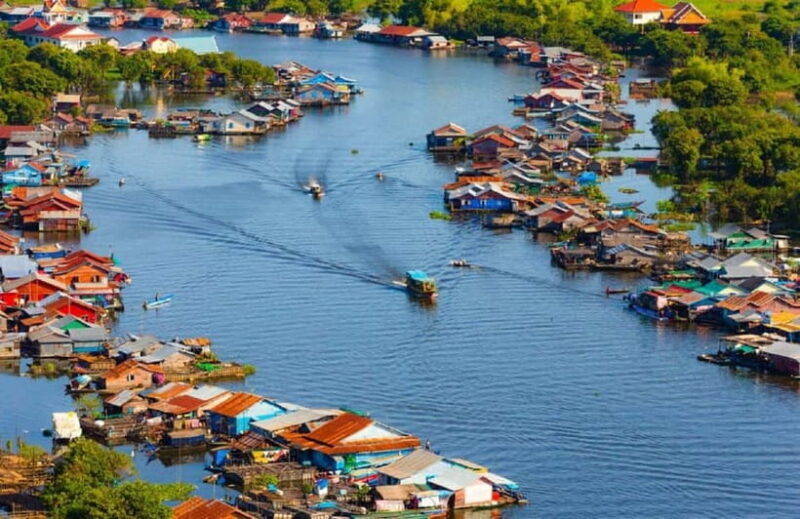
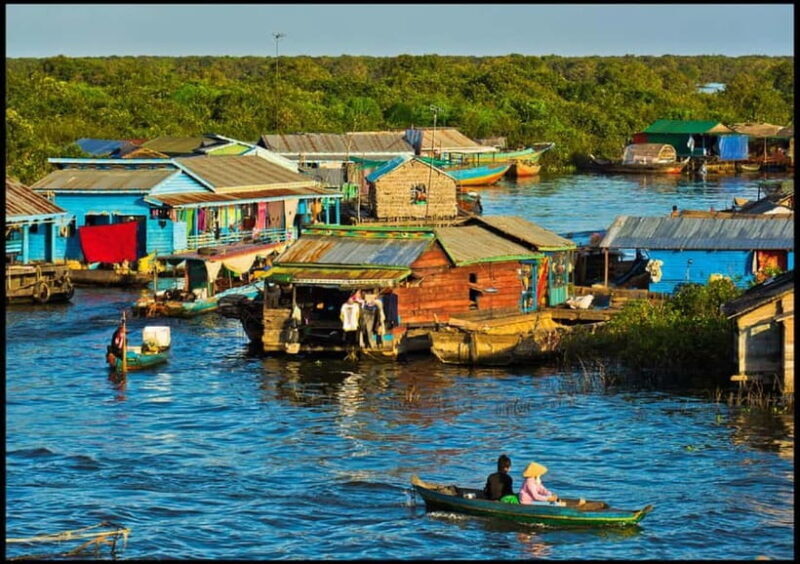
Next, the journey continues to Chong Kneas floating village, an eye-opening look at life on water. You’ll see stilted houses, floating markets, and hear about the daily challenges faced by residents living in such a unique environment. The tour provides an authentic snapshot of a community whose way of life is shaped by the water, which many travelers find fascinating. Reviewers have appreciated how local guides help explain the history and current struggles of the villagers, making it much more than just a sightseeing stop.
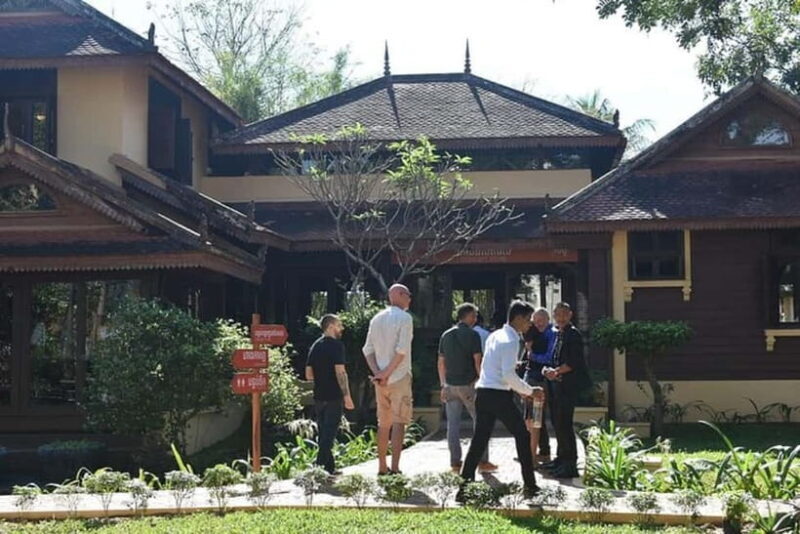
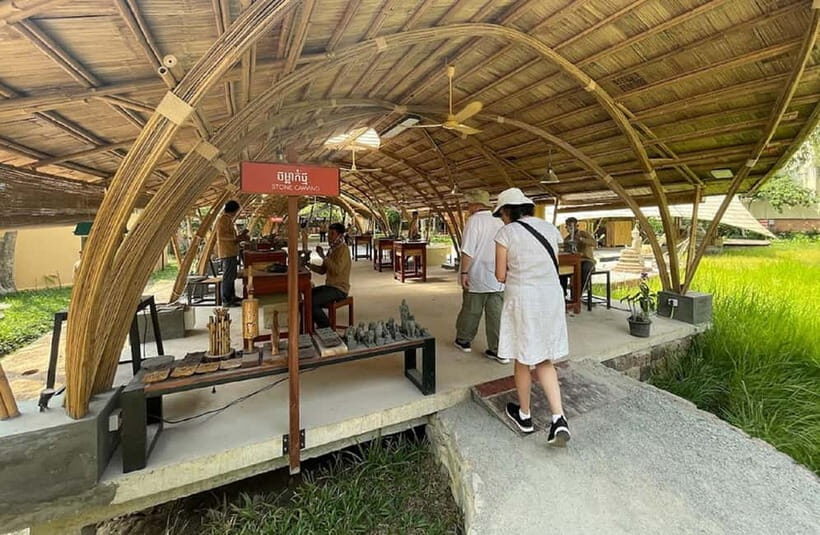
The Satcha Handicraft Incubation Center offers a glimpse into local craftsmanship and entrepreneurship. Visitors often find it inspiring to see artisans at work, creating traditional crafts and developing their skills. The center also sells handmade products, making it a good spot to pick up unique souvenirs while supporting local livelihoods.
The day wraps up with the Apsara Show, a performance that beautifully narrates Cambodian myths through dance. Dressed in ornate, traditional costumes, performers execute graceful, flowing movements that tell stories rooted in religious and cultural themes. Many guests enjoy the elegance and artistry of the dance, which provides a meaningful cultural ending to a full day of learning and exploration. The buffet dinner accompanying the show is seen as an added bonus, offering a chance to sample local flavors.
You can check availability for your dates here:What to Expect and Practical Tips
This tour is designed as a full-day experience, typically starting early and ending in the evening. The transportation, often air-conditioned, makes traveling between sites comfortable, especially in the tropical heat. The group size varies, but it tends to be manageable, allowing for interaction with guides and fellow travelers.
When visiting Wat Thmey, remember that it’s a site of historical importance and solemn reflection. Respectful attire is advised, and avoid flash photography to maintain decorum. At Chong Kneas, expect some boat riding and walking on uneven terrain—wear comfortable shoes and bring a hat or sunscreen for sun protection. The floating village is a fascinating but humid environment, so hydration is key.
The Satcha Handicraft Center is a relaxed stop to stroll and browse, but you might find the crafts are slightly pricier than elsewhere, reflecting their handmade quality. The Apsara Show is usually performed in the evening, and guests have noted the performance’s elegance, with some describing the dancers as “sewn into tight-fitting traditional dress” executing “sinuous gestures.”
The tour includes lunch and dinner, which are generally well-received, but be aware that you might want to carry extra cash for personal shopping or tips. Photography is allowed at most sites, but flash photography is discouraged during the dance performance.
Here are more experiences we've reviewed in Siem Reap
The Value of the Experience
At $88 per person, this tour offers a comprehensive way to understand Cambodia’s history, culture, and community life. It’s particularly good for travelers who want more than just temple visits; it’s a chance to connect with the country’s soul. The combination of emotionally charged history sites with lively cultural performances makes it a well-balanced day.
The inclusion of entrance fees, buffet dinners, and a visit to the handicraft center means you won’t have unexpected costs popping up. However, bringing cash for personal expenses or souvenirs is recommended, as not all places accept cards.
Who Should Consider This Tour?
This experience is ideal for history enthusiasts eager to learn about Cambodia’s recent past, as well as cultural travelers interested in traditional dance and local crafts. It suits those who enjoy meaningful, authentic encounters rather than superficial sightseeing. Be aware that the emotional weight of the Killing Fields might be intense for some, so approach with respect and readiness for reflection.
If you’re traveling with children or have mobility issues, consider the walking involved at each site. The tour isn’t suited for wheelchair users or those who find long periods of walking difficult. However, for most able-bodied travelers, it provides a balanced, enriching day that will deepen your understanding of Cambodia.
The Sum Up
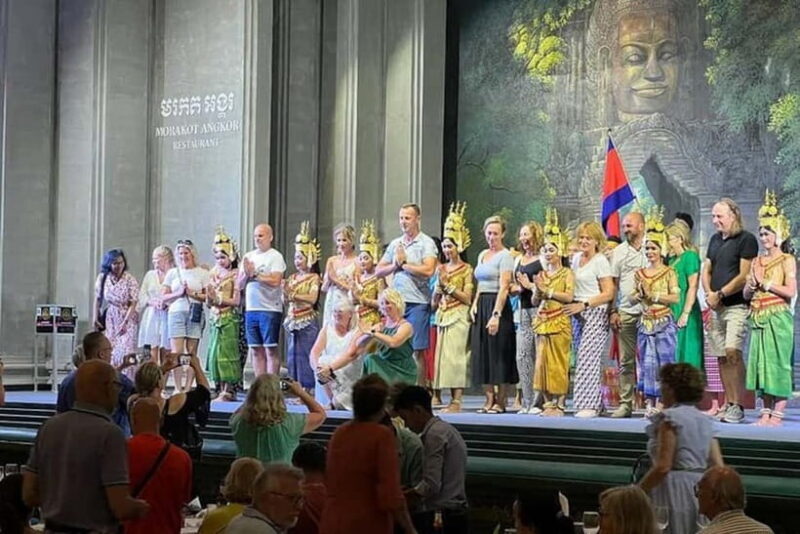
This tour from Siem Reap offers a powerful mix of history, culture, and local life, making it an excellent choice for those wanting a well-rounded, meaningful experience. The visit to the Killing Fields provides essential context for Cambodia’s recent history, while the floating village showcases the resilience of water-bound communities. The traditional Apsara dance caps off the day with beauty and artistry, leaving visitors with lasting impressions.
The price point makes it accessible, especially considering the full-day itinerary, entrance fees, and included dinners. It’s best suited for travelers who seek an authentic, educational experience that goes beyond temples. With careful planning—wearing comfortable shoes, bringing sun protection, and carrying extra cash—you’re set for a memorable day that balances somber reflection with cultural celebration.
For those interested in a deeper understanding of Cambodia’s past and present, this tour delivers a thoughtful and engaging snapshot that will resonate long after the day ends.
More Great Tours NearbyFAQ
Is transportation included in this tour?
Yes, the tour provides transportation, usually in an air-conditioned vehicle, making the journey between sites comfortable.
How long does the tour last?
It’s a full-day experience, starting early in the morning and ending in the evening, with time allocated for each stop.
Are meals included?
Yes, the tour includes lunch and dinner, both of which are generally well-reviewed and offer a taste of local cuisine.
Can I take photos during the sites?
Photography is permitted at most locations, but flash photography is discouraged, especially during the Apsara dance performance.
Is this suitable for children or those with mobility issues?
It’s best for able-bodied travelers comfortable with walking and standing. Those with mobility challenges may find it difficult, as some sites involve uneven terrain and walking.
What should I bring?
Comfortable shoes, a hat, sunscreen, camera, water, and some cash for personal expenses or souvenirs.
How do I reserve this tour?
You can book online with the provider, Bayontabi Tour, and enjoy the flexibility of paying later, with free cancellation up to 24 hours in advance.
More Private Tours in Siem Reap
- Banteay Srei Secrets Private Tour Include Kbas Spean
- Siem Reap: Angkor Wat Private Tour | French-Speaking Guide
- Siem Reap: Angkor Wat Sunrise & Grand Circuit Private Tour
- Siem Reap: Angkor Wat Private Photography Session
- Siem Reap: Angkor Wat Sunrise Private Tour & Photos
- Siem Reap Kampong Phluk Half Day Private Tour
More Tours in Siem Reap
- Full Day Explore Angkor Wat Joined Tour
- Siem Reap: Roluos Group, Banteay Samre & Pre Rup Tour
- Banteay Srei Backcountry Tour -Join-In-Tour
- Siem Reap: Phnom Kulen, War Museum, and Killing Field Tour
- Two-days tour discovering Angkor Wat,The carving of 1000 Lingas and Beng Mealea
- Banteay Srei Secrets Private Tour Include Kbas Spean
More Tour Reviews in Siem Reap
Still browsing? Here are more Siem Reap experiences we've covered recently
- Which Siem Reap Airport Transfers To Choose? We Rank The 15 Best
- The 15 Most Popular Tours & Experiences In Siem Reap
- Full Day Explore Angkor Wat Joined Tour
- Visit Angkor World Heritage Temples For Three Day
- Siem Reap: Roluos Group, Banteay Samre & Pre Rup Tour
- Angkor Temple Ticket
- Banteay Srei Backcountry Tour -Join-In-Tour
- Siem Reap: Monk Blessing Ceremony and Meditation Class
- Siem Reap: Phnom Kulen, War Museum, and Killing Field Tour
- Two-days tour discovering Angkor Wat,The carving of 1000 Lingas and Beng Mealea
- Golden Hour Jeep Adventure & Dragon Boat Sunset in Angkor
- Siem Reap: Angkor Wat Photoshoot