
If you’re looking to see beyond the usual glitz and skyscrapers of Shanghai, this Uncommon Historic Sites Tour offers a fascinating glimpse into the city’s layered past. While it’s a guided experience, it manages to combine a curated list of lesser-known sites with authentic storytelling, making it perfect for history buffs or travelers craving meaningful local insights.
What we love most about this tour is how it balances historic landmarks with cultural anecdotes, the well-organized itinerary that covers sights from different eras, and the inclusion of a delicious dumpling lunch that adds a taste of local flavor. The main drawback could be the duration, which is around 8 hours, so it’s a full day that requires comfortable shoes and a bit of stamina. Still, for the price of $175, the depth of experience and guided commentary make it an excellent value.
This tour is especially suited for travelers who want to understand Shanghai’s evolution, from ancient city defenses to revolutionary political hubs, without the crowds typical of more mainstream visits. If you’re a history enthusiast, a culture seeker, or someone who enjoys stories behind the sites, you’ll likely find this tour both engaging and rewarding.
- Key Points
- Exploring the Itinerary in Detail
- Moller Residence: A Colonial Gem
- 1933 Old Millfun: An Industrial Wonder
- Former Residence of Zhou Enlai: Political Heritage
- Shanghai Ancient City Wall: A Surviving Remnant
- Site of the Second CPC National Congress: Revolutionary Roots
- Waibaidu Bridge: A Shanghai Landmark
- Practical Aspects and Why They Matter
- Transportation and Timing
- Group Size and Guides
- Cost and Value
- Accessibility and Suitability
- Summary and Who It’s Best For
- FAQ
- More Private Tours in Shanghai
- More Tours in Shanghai
- More Tour Reviews in Shanghai
- Still browsing? Here are more Shanghai experiences we've covered recently
Key Points
- Authentic Experience: Focuses on lesser-known but historically significant sites.
- Knowledgeable Guides: Renowned for guides like Peggy, who are well-informed and personable.
- Comprehensive Itinerary: Covers a variety of eras and styles, from ancient walls to colonial mansions.
- Convenient Logistics: Pickup, air-conditioned transport, and all fees included simplify the day.
- Cultural Insights: Offers meaningful context about Shanghai’s past and revolutionary history.
- Value for Money: At $175, includes lunch, transportation, and entry to key sites, making it a good investment for history lovers.
Exploring the Itinerary in Detail
Fascinated by the past? Here are other historical experiences we've covered in Shanghai
Moller Residence: A Colonial Gem
The tour kicks off at the Moller Residence, a standout example of 1930s colonial architecture located in the French Concession district. Built in 1936 by Eric Moller—whose wealth came from British shipping—this mansion boasts a distinctive mix of Gothic and Tudor features, complete with spires and gables. It’s been lovingly preserved and now functions as a boutique hotel, but the real highlight is just strolling through the gardens and soaking in the architectural details.
According to a reviewer, “Peggy was well documented and shared interesting stories about the house’s history and architecture,” which makes the visit more than just a photo opportunity. It offers a taste of the foreign influence that shaped Shanghai’s cosmopolitan character.
1933 Old Millfun: An Industrial Wonder
Next, you’ll explore 1933 Old Millfun, a site that’s equal parts eerie and captivating. Once Shanghai’s largest slaughterhouse, this complex has been turned into a vibrant mix of restaurants, shops, and galleries, but retains its original Gotham-Deco style. Its concrete curves and steel structures create an atmosphere that many describe as bizarre yet fascinating, echoing an industrial era now long gone.
One reviewer described it as “an achievement in concrete, glass, and steel,” and noted its almost otherworldly ambiance. It’s a rare chance to see an industrial site transformed into a cultural space, offering both photo opportunities and a sense of Shanghai’s gritty past.
Former Residence of Zhou Enlai: Political Heritage
The third stop is the former residence of Zhou Enlai, a modest but historically significant house built in the 1920s. As China’s first Premier, Zhou played a pivotal role in shaping the nation, and this house reflects his early life and political journey. It served as the Shanghai Office of the Communist Party delegates, making it a key political site.
Visitors can expect to see original furnishings, photos, and documents that illuminate Zhou’s connection with Shanghai. A guide might highlight how this residence was a hub of revolutionary activity, especially during the 1940s. As one reviewer noted, “Peggy’s commentary made the house’s history come alive, making it more than just a building.”
Shanghai Ancient City Wall: A Surviving Remnant
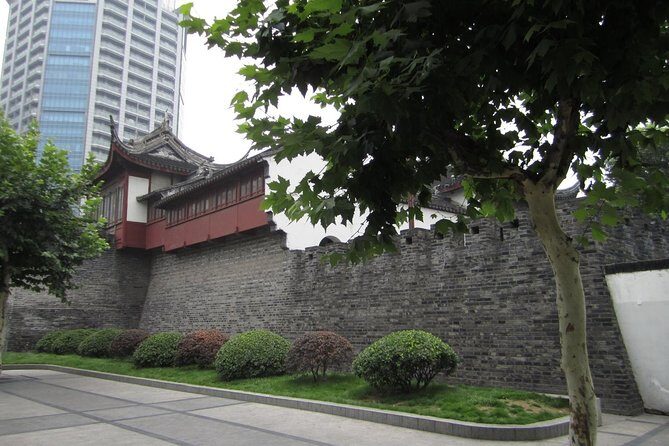
A quick stop at the ancient city wall, dating back to 1553 during the Ming Dynasty, offers a tangible link to Shanghai’s defensive past. Although most of the wall has been pulled down, a preserved 50-meter section still stands at the Dajing Lu intersection.
While small, this relic provides a visual anchor for understanding how Shanghai once defended itself against pirates and invaders. It’s a rare piece of history, and the fact that it’s included in a busy city makes it even more special. Expect some interesting stories from your guide about the wall’s role and its preservation.
- Shanghai Must-See and Foodie Test Bike Tour( Day & Night)
- Private Shanghai Shopping Tour With Local Shopping Guru
- Shanghai: 3-Hour Biking and Local Food Tour
- Shanghai: 3-Hour Old Shanghai City Tour
- A Delicious Food Tour Through the Heart of the City
- Half-Day Old Shanghai Small Group Bike Tour (Day & Night)
Site of the Second CPC National Congress: Revolutionary Roots
Another highlight is visiting the site of the 1922 Second National Congress of the Communist Party of China. This was a pivotal moment in Chinese history, as it solidified the party’s constitution and policies. The site offers a chance to reflect on Shanghai’s role as a birthplace for modern political movements.
The visit is fairly short but meaningful, especially if you’re interested in China’s revolutionary history. The inclusion of this site as part of the tour underscores its importance, and you’ll get a sense of the political fervor that once filled this city.
Waibaidu Bridge: A Shanghai Landmark
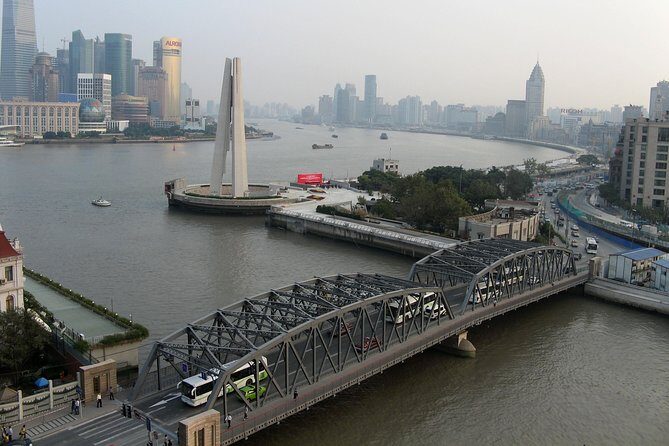
Finally, the tour concludes with a visit to the Waibaidu Bridge, the first all-steel bridge in China, opened in 1908. Its distinctive camelback truss design makes it a picture-perfect symbol of Shanghai’s engineering past. This bridge remains a favorite photo spot and a reminder of the city’s early modernization efforts.
From the bridge, you’ll enjoy views of the Huangpu River and the skyline, making it a fitting end to a day of exploring Shanghai’s historic layers.
Practical Aspects and Why They Matter
Transportation and Timing
The tour includes air-conditioned vehicle transport, which is a relief given Shanghai’s summer heat or winter chill. Pickup is offered from a predetermined meeting point at 9:00 am, ensuring your day starts smoothly. The overall duration is approximately 8 hours, which is a good length for a rundown without feeling rushed, though it does require comfortable shoes and patience.
Group Size and Guides
This is a private tour, so you won’t share the experience with strangers, allowing for personalized questions and flexible pacing. Guides like Peggy have been praised for their knowledgeable and personable approach, making the stories behind each site come alive. One reviewer mentioned, “Peggy was awesome, well documented, and brought the old longtangs to life,” highlighting the value of a passionate guide.
Cost and Value
At $175 per person, the tour covers lunch, transportation, and all admission fees (except tips). For this price, you gain access to several sites that are not typically tourist-heavy, along with meaningful context. The included dumpling lunch adds a tasty local touch, making the experience even more authentic.
Accessibility and Suitability
The tour is suitable for most travelers, including those with moderate mobility, as it’s mostly walking and sitting. Service animals are permitted, and the tour is near public transportation, easing access. It’s ideal for history enthusiasts, those wanting a deeper understanding of Shanghai’s past, or travelers looking for a more meaningful cultural experience.
Summary and Who It’s Best For
This Shanghai Uncommon Historic Sites Tour offers a thoughtful, well-organized way to explore the city’s hidden layers. You’ll enjoy a mix of colonial architecture, industrial relics, and revolutionary landmarks, all brought to life by guides like Peggy who clearly love sharing their knowledge. The inclusion of a traditional dumpling lunch and seamless logistics make it a smooth, satisfying day.
The tour’s focus on lesser-known sites means you’ll get a more intimate and authentic experience than typical sightseeing routes. It’s especially suited for travelers who prioritize historic context and cultural stories over just taking photos.
If you’re eager to understand how Shanghai became the dynamic city it is today—beyond the skyscrapers—this tour will serve you well. It’s a perfect choice for curious minds, history lovers, and anyone wanting to see the city through a more meaningful lens. Just remember, it’s a full-day commitment, so wear comfortable shoes and be ready for a deep dive into Shanghai’s past.
FAQ
Is this a private tour?
Yes, only your group will participate, offering personalized attention and flexibility.
What sites will I visit?
You’ll explore the Moller Residence, 1933 Old Millfun, Zhou Enlai’s former residence, the ancient city wall, the site of the 1922 CPC Congress, and Waibaidu Bridge.
Does the tour include transportation?
Yes, an air-conditioned vehicle is provided for the entire day.
How long is the tour?
It lasts approximately 8 hours, starting at 9:00 am.
Is lunch included?
Yes, a traditional dumpling lunch is part of the experience.
Are admission fees included?
All site fees are included, except tips.
Is this tour suitable for all ages?
Most travelers can participate, but consider mobility and stamina for a full day of walking.
Can I cancel the tour?
Yes, you can cancel free of charge up to 24 hours before the start.
What should I wear?
Comfortable shoes are recommended, as there’s walking involved.
Where do I meet the guide?
The meeting point is prearranged, and pickup is offered.
This tour offers a meaningful, well-rounded look at Shanghai’s hidden past, guided by passionate professionals who help bring history to life. It’s a smart choice for those who want a deeper understanding of this vibrant city’s roots.
More Private Tours in Shanghai
- Full-Day Shanghai Top Sights Private Guided Sightseeing Tour
- ERA Acrobatics Show Ticket with Private Transfer
- Shanghai: 2-Day Private Tour with 5-Star Hotel Stay
- Full-Day Old Shanghai City Lifestyle and Culture Private Tour with Lunch
- Nanjing Private History Day Tour from Shanghai
- Flexible Hours of Private Shanghai Layover or Transfer Tour
More Tours in Shanghai
- Full-Day Shanghai Top Sights Private Guided Sightseeing Tour
- Wuzhen: Xizha and Dongzha Water Towns Night Tour
- 6-Hour Shanghai Layover Tour from Pudong Airport
- Shanghai Guided Tour: Universities, KMT remnant, Tech Firms
- Shanghai: 2-Day Private Tour with 5-Star Hotel Stay
- Full-Day Old Shanghai City Lifestyle and Culture Private Tour with Lunch
More Tour Reviews in Shanghai
- Full-Day Shanghai Top Sights Private Guided Sightseeing Tour
- Shanghai: Shanghai Eternal Love Ticket
- Shanghai Hanzi Meditation Experience at Jade Buddha Temple
- Wuzhen: Xizha and Dongzha Water Towns Night Tour
- Ancient Water Town By Bus,Yu Garden,Bund By Bike or Escooter
- 6-Hour Shanghai Layover Tour from Pudong Airport
Still browsing? Here are more Shanghai experiences we've covered recently
- Shanghai’s 15 Top Airport Transfers
- 7 Top-Rated Shanghai Tours & Experiences
- Full-Day Shanghai Top Sights Private Guided Sightseeing Tour
- Shanghai: Shanghai Eternal Love Ticket
- Shanghai Hanzi Meditation Experience at Jade Buddha Temple
- Wuzhen: Xizha and Dongzha Water Towns Night Tour
- Ancient Water Town By Bus,Yu Garden,Bund By Bike or Escooter
- 6-Hour Shanghai Layover Tour from Pudong Airport
- Shanghai Guided Tour: Universities, KMT remnant, Tech Firms
- ERA Acrobatics Show Ticket with Private Transfer
- Shanghai: 2-Day Private Tour with 5-Star Hotel Stay
- Shanghai Disneyland with Transfers Plus 2-Night Accommodation in 4-Star Hotels