
Thinking about adding a unique cultural experience to your trip to Nagoya? This Royal Fishermen’s Restaurant and Cormorant Fishing Tour offers a rare glimpse into a centuries-old fishing tradition combined with a delicious meal at a historic restaurant. It’s a well-rounded excursion that balances visual spectacle, cultural storytelling, and local cuisine.
What we particularly like about this experience is the chance to observe cormorant fishing under the stars—an ancient practice that’s both fascinating and photogenic. The inclusion of a private interpreter guide ensures you understand every detail, making the experience accessible even if you’re new to Japan’s traditional customs. Plus, dining in a 300-year-old building adds a layer of historic charm. The only potential downside? The premium price tag might not suit every budget, but for those eager to explore authentic Japanese fishing rituals, it’s a worthwhile investment.
This experience is ideal for travelers who love culture, history, and unique outdoor spectacles. It’s particularly well-suited for those interested in Japanese traditions that are rarely seen by outsiders and who want a combination of visual, culinary, and educational experiences.
- Key Points
- Exploring the Itinerary in Detail
- Stop 1: Historic Fisherman’s House & Fine Dining
- Stop 2: Cormorant Fishing Viewing from the Boat
- What Makes This Tour Special?
- Additional Details & Practical Tips
- Why the Price Reflects the Experience
- Final Thoughts: Who’s This Tour For?
- FAQ
- More Tours in Nagoya
- More Tour Reviews in Nagoya
- Still browsing? Here are more Nagoya experiences we've covered recently
Key Points
- Authentic Cultural Experience: Witness a tradition practiced for over a thousand years, guided by knowledgeable interpreters.
- Historic Setting & Cuisine: Dine in a 300-year-old restaurant surrounded by traditional architecture.
- Spectacular Nighttime Activity: Observe cormorant fishing on a private boat against the backdrop of a star-lit sky.
- All-in-One Tour: Includes private transfers, a boat ride, and a meal, providing great value for a full cultural package.
- Limited Flexibility: The tour is non-refundable and requires advance booking, making planning essential.
- Ideal for Enthusiasts: Perfect for those who value authentic, behind-the-scenes cultural insights.
Exploring the Itinerary in Detail
Here are more experiences we've reviewed in Nagoya
Stop 1: Historic Fisherman’s House & Fine Dining
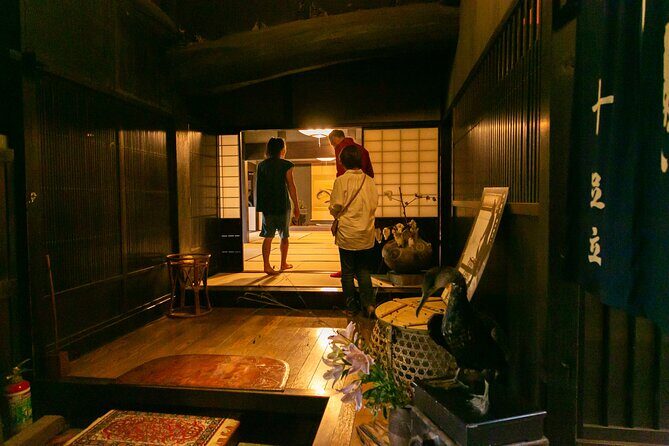
Your journey begins with a 1.5-hour ride from Nagoya Station to the cormorant fisherman’s house, which doubles as a restaurant and inn. This house, over 300 years old, offers an intimate glimpse into traditional Japanese architecture and fishing life. The hosts have dedicated themselves to preserving the ancient practice of cormorant fishing, and the building itself exudes history and charm.
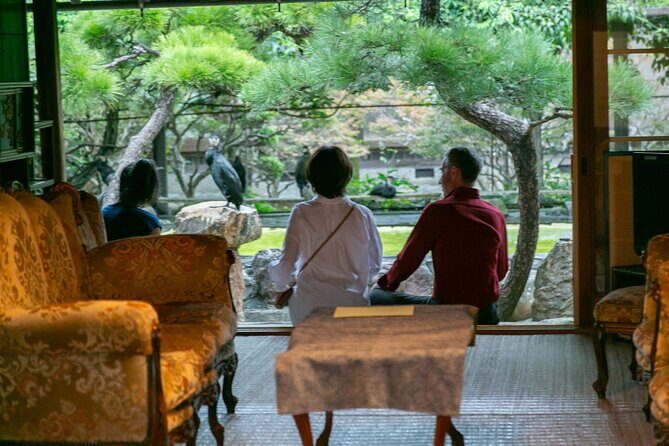
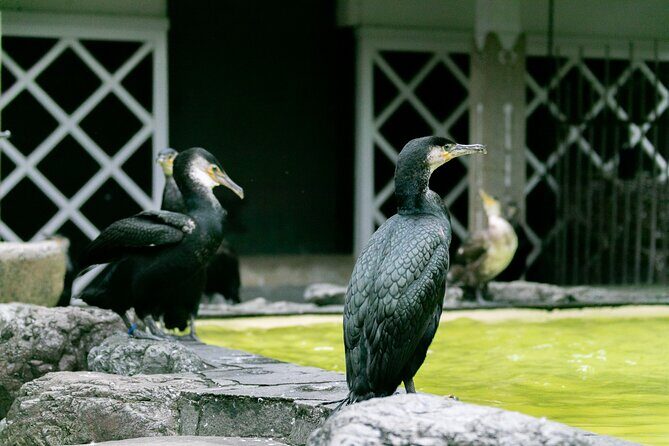
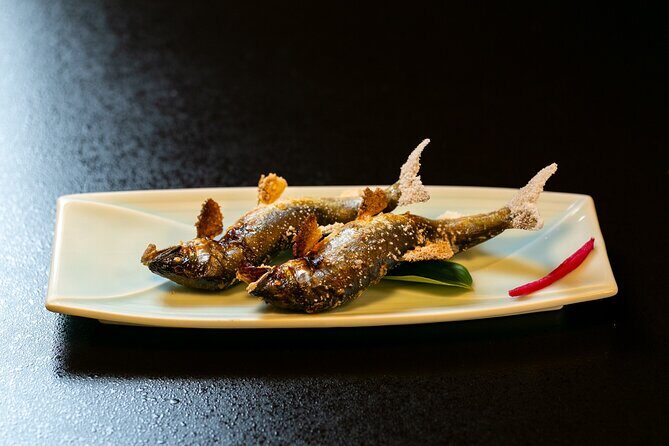
Guests are treated to a refined ayu (sweetfish) banquet, showcasing local delicacies that pair beautifully with the experience. Observing the garden where cormorants are kept adds a tangible connection to the activity you’ll later witness afloat. Reviewers have noted that the setting is especially picturesque at sunset, with the ancient building providing a perfect backdrop for photos. A tip from past participants is to arrive early to fully enjoy the garden and the ambiance.
Stop 2: Cormorant Fishing Viewing from the Boat
After a scenic drive, you’ll board a private boat for a 1-hour ride out onto the water. Here, the real magic happens—cormorants in action, guided by skilled fishermen. The guides, often bilingual, explain the history and techniques behind this centuries-old practice, making the experience both educational and mesmerizing.
Guests have described the viewing as enchanting, especially under a starry sky, with the cormorants diving into the water to catch fish. Light snacks and drinks are provided on board, adding to the relaxed atmosphere. Reviewers highlight that the boat ride offers an intimate perspective, allowing close-up observation of the artisans at work.
What Makes This Tour Special?
Beyond just watching fishing, you gain an understanding of how this tradition has persisted and adapted over time. The guides’ explanations help clarify the unique role of the cormorants, which are trained to catch fish, then returned to their handlers—a process that’s both sustainable and deeply rooted in local culture.
Additional Details & Practical Tips
The entire tour lasts about 6 hours, starting at 3:30 pm from Nagoya Station. The inclusion of private transfer means you can relax without worrying about logistics, and the all-inclusive nature of the tour (excluding extra food or drinks) makes planning straightforward.
Keep in mind, the non-refundable policy requires firm commitment; cancellations aren’t possible, so book only when you’re sure. The tour is designed to accommodate most travelers, with easy access near public transportation and a focus on providing an educational, authentic experience rather than strenuous activity.
- Nagoya: Hida Takayama and Gassho-zukuri Village Day Tour
- From Nagoya: Gujo, Hida Takayama, and Shirakawa-go Day Tour
- Shirakawago&Hidatakayama&Gujohachiman 1 Day Tour From Nagoya
- Nagoya: Shirakawa-go, Gujo, Hida Takayama Historic Day Tour
- From Nagoya: Shiragawago and Hida Takayama Day Tour
- Shirakawago and Takayama 1 Day Bus Tour From Nagoya
Why the Price Reflects the Experience
At $1,269.74 per person, this isn’t a cheap outing, but it offers a comprehensive package that combines cultural education, historic ambiance, and a rare chance to see a living tradition. The private guide enhances understanding, and the dining and boat ride are personalized experiences offering value beyond just a quick sightseeing stop.
While some might see the cost as high, the inclusion of a full meal, private transport, and exclusive access makes it a worthwhile choice for those genuinely interested in Japanese heritage. The small group size ensures a personalized touch, making it more intimate than larger tour options.
Final Thoughts: Who’s This Tour For?
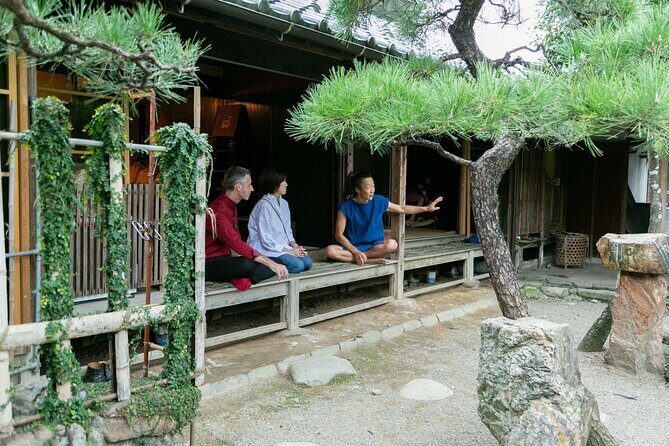
This tour is best suited for culture lovers, history buffs, and culinary enthusiasts who want more than just surface-level sightseeing. If you’re curious about traditional Japanese fishing methods and enjoy stories behind local customs, this experience will resonate deeply. It’s also a good fit for those who appreciate authentic settings and scenic views—the historic building and starry sky create a memorable backdrop.
Travelers seeking a relaxing, educational, and visually stunning activity will find this tour a highlight of their Nagoya visit. However, if budget is a concern or if you prefer flexible, refundable options, consider whether this premium experience aligns with your travel style.
FAQ
How long does the tour last?
The entire experience is approximately 6 hours, starting at 3:30 pm from Nagoya Station.
What’s included in the tour?
Your package includes private car transfer, a tour of the cormorant fisherman’s house, a traditional ayu fish banquet, private boat viewing, snacks, drinks, and an interpreter guide.
Is the tour suitable for all travelers?
Yes, most travelers can participate, and the experience is designed to be accessible and educational. It’s ideal for those interested in cultural traditions and scenic outdoor activities.
Can I cancel or reschedule?
No, this experience is non-refundable and cannot be changed once booked, so plan accordingly.
Where does the tour start and end?
It begins at Nagoya Station Tourist Information Center and finishes back there after the tour.
Are meals included?
Yes, a traditional ayu fish banquet is part of the experience, but additional food and drinks beyond this are at your own expense.
What should I wear?
Comfortable outdoor clothing suitable for boat rides and potentially cooler evening temperatures is recommended.
Is there a group discount?
The tour is private for your group, but group discounts are available if booking multiple spots.
In summary, the Royal Fishermen’s Restaurant and Cormorant Fishing Tour offers a rare, immersive peek into one of Japan’s oldest fishing traditions set against a beautiful historic backdrop, making it a memorable highlight for culturally curious travelers. It’s a thoughtfully curated experience that balances storytelling, scenic beauty, and local cuisine—perfect for those looking to deepen their understanding of Japan’s living heritage.
More Tours in Nagoya
- Shirakawago &Hida & Takayama SnowWall 2Days Tour from Nagoya
- Craft and Clay with Tokonames Pottery Heritage Tour
- White Road Shirakawago Observatory Tour Package
- Shirakawa-go, Hida Takayama Day and Old Town Tour from Nagoya
- Nagoya: Kamikochi Autumn Hiking & Photography Tour
- Ghibli Park and Nagoya City Guided Tour from Kyoto
More Tour Reviews in Nagoya
- Shirakawago &Hida & Takayama SnowWall 2Days Tour from Nagoya
- Craft and Clay with Tokonames Pottery Heritage Tour
- Nagoya: Washigatake Ski Resort Day Trip with Lift Ticket
- Nagoya: White Pia Takasu Ski Resort Day Trip with Lift Pass
- Nakasendo Magome Private Hiking TourGuide & Car from Nagoya
- Pound and Taste Japans Spirit with Rice Cake Making in Nagoya
Still browsing? Here are more Nagoya experiences we've covered recently
- 15 Top Tours & Experiences In Nagoya (With Reviews & Prices)
- Shirakawago &Hida & Takayama SnowWall 2Days Tour from Nagoya
- Craft and Clay with Tokonames Pottery Heritage Tour
- Nagoya: Washigatake Ski Resort Day Trip with Lift Ticket
- Nagoya: White Pia Takasu Ski Resort Day Trip with Lift Pass
- Nakasendo Magome Private Hiking TourGuide & Car from Nagoya
- Pound and Taste Japans Spirit with Rice Cake Making in Nagoya
- White Road Shirakawago Observatory Tour Package
- Shirakawa-go, Hida Takayama Day and Old Town Tour from Nagoya
- Nagoya: Nagano Private Day Trip with Custom Itinerary
- Nagoya Shirakawa go Private Transportation with English Driver
- Nagoya: Visit Sumo Morning Practice with English Guide