
Rome’s iconic sites of the Colosseum, Roman Forum, and Palatine Hill offer visitors an unparalleled glimpse into the grandeur and complexity of ancient Roman civilization. Explore the engineering marvel of the Colosseum, where thrilling gladiatorial battles once captivated crowds. Discover the vibrant hub of the Roman Forum, where political, social, and religious activities shaped the course of history. Ascend Palatine Hill, steeped in legend and offering breathtaking views of the city’s architectural prowess. Together, these legendary landmarks provide a profound insight into the everyday lives, power structures, and enduring legacy of the Roman Empire.
- Key Points
- Exploring the Colosseum
- Discovering the Roman Forum
- Ascending Palatine Hill
- Architectural Wonders of Ancient Rome
- Uncovering the History of Daily Life
- The Role of Politics in Ancient Rome
- Significant Ruins and Artifacts
- Guided by Knowledgeable Professionals
- Frequently Asked Questions
- Can I Bring Food and Drinks Inside the Colosseum?
- Are There Restrooms Available During the Tour?
- Can I Take Photos Inside the Colosseum?
- How Much Walking Is Involved in the Tour?
- Can I Leave the Tour Group to Explore on My Own?
- The Sum Up
- More Food & Drink Experiences in Rome
- More Tours in Rome
- More Tour Reviews in Rome
- Still browsing? Here are more Rome experiences we've covered recently
Key Points
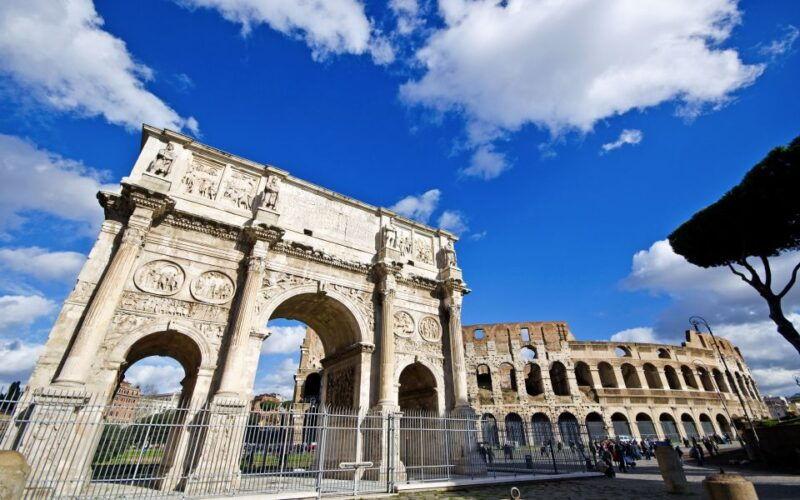
- The Colosseum, a magnificent 1st-century amphitheater, hosted iconic events like gladiatorial battles and public executions, showcasing Roman engineering prowess.
- The Roman Forum, the heart of ancient Rome, was a hub for political, social, and religious activities, with ruins like the Temple of Romulus.
- Palatine Hill, one of Rome’s seven hills, was the legendary birthplace of the city and featured imperial palaces and temples with panoramic views.
- Daily life in ancient Rome encompassed a diverse social hierarchy, occupations, and the role of women, centered around the Roman Forum.
- Roman politics was characterized by fierce rivalries and power struggles, from the Roman Republic to the imperial rule under Augustus.
Exploring the Colosseum
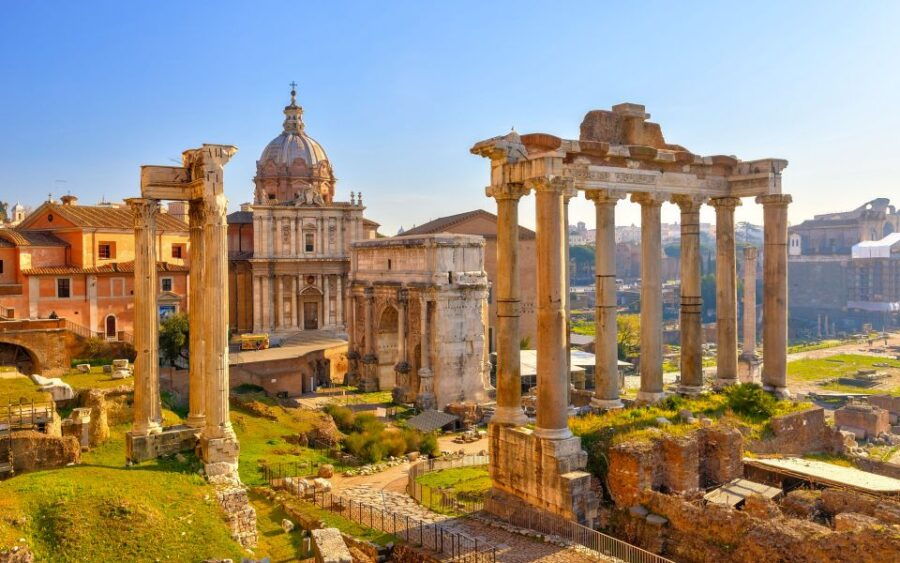
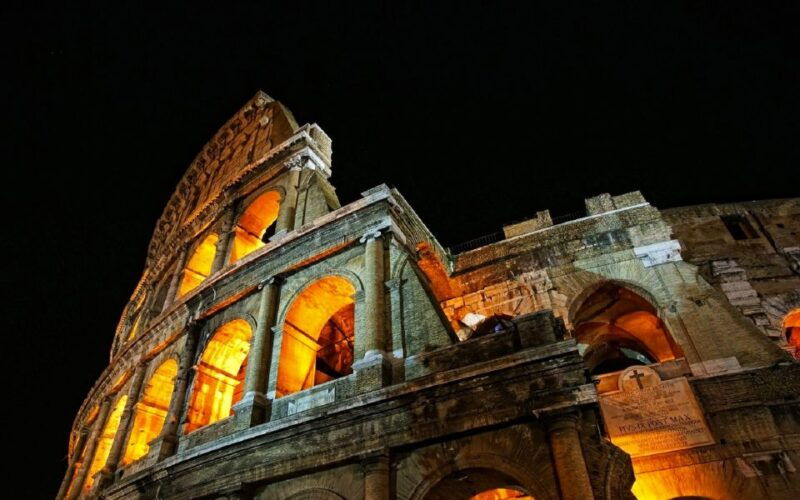
As visitors approach the iconic Colosseum, they’re immediately struck by its immense size and grandeur.
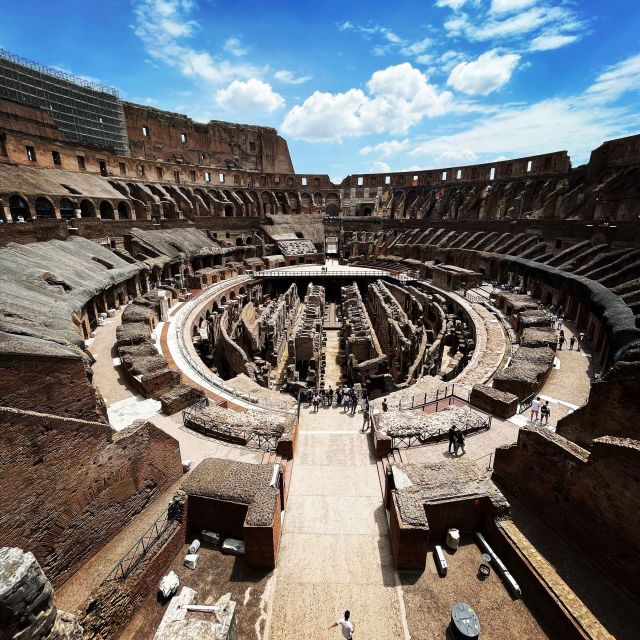
Constructed in the 1st century AD, this amphitheater could hold up to 50,000 spectators and hosted a variety of events, from gladiatorial battles to public executions.
Visitors can marvel at the Colosseum’s intricate architectural features, including the hypogeum, a complex system of underground tunnels and chambers.
Looking for more options in Rome? We've reviewed plenty of other experiences.
Discovering the Roman Forum
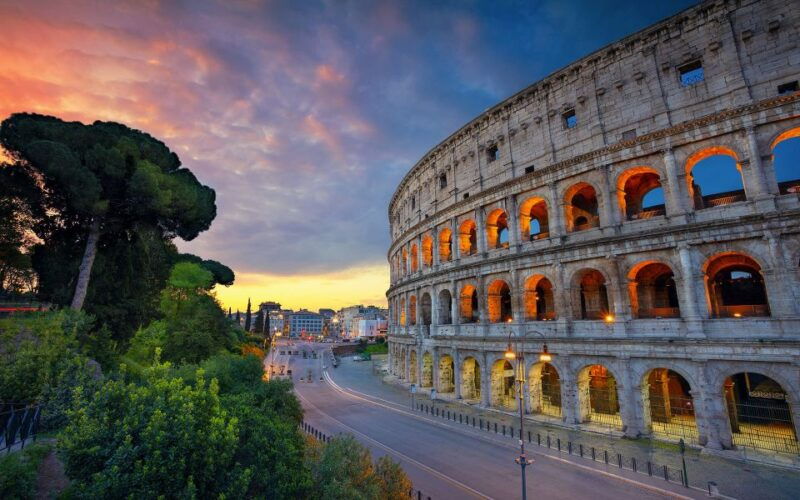
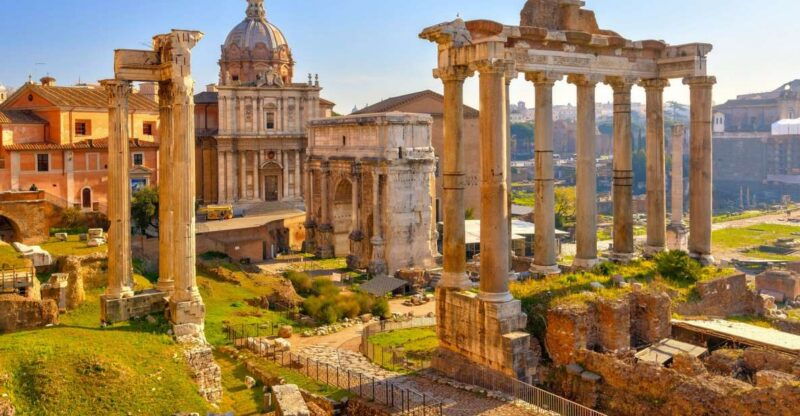
After exploring the grandeur of the Colosseum, the walking tour moves on to uncover the Roman Forum, the beating heart of ancient Rome.
Participants explore the site’s rich history, discovering the Temple of Romulus and other iconic ruins. The guide shares fascinating insights into the political, social, and religious significance of the Forum, painting a vivid picture of daily life in the ancient city.
Participants explore the site’s rich history, discovering iconic ruins as the guide paints a vivid picture of ancient Roman daily life.
Visitors marvel at the well-preserved structures, imagining the bustling marketplace, triumphal processions, and public debates that once filled this iconic space.
The tour provides an immersive experience, bringing the Roman Forum to life.
Ascending Palatine Hill
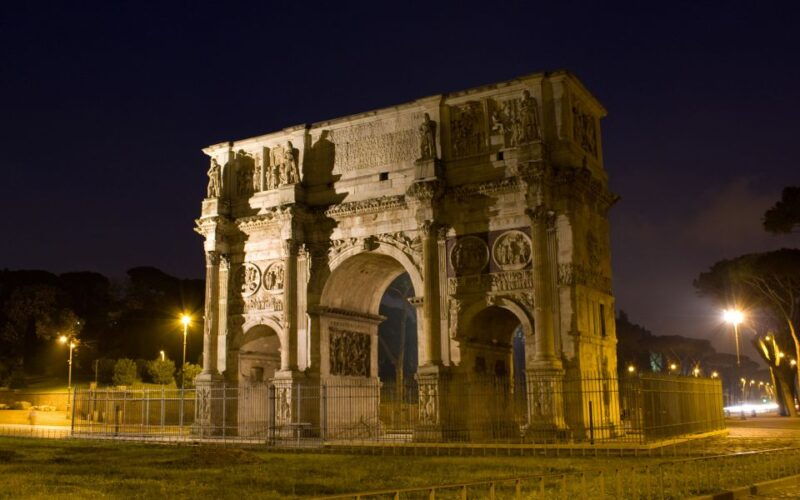
The walking tour now ascends Palatine Hill, one of the seven hills of Rome and the legendary birthplace of the city. As visitors climb the ancient steps, they are transported back in time, surrounded by the ruins of imperial palaces and temples. The stunning views from the hill offer a birds-eye perspective of the Roman Forum and Colosseum below. Highlights include the House of Augustus, the first Roman emperor, as well as the Temple of Romulus and Cybele. The tour guide shares captivating stories about the hill’s role in Roman history and its enduring significance.
| Palatine Hill Highlights | |
|————————–|———————|
| House of Augustus | Imperial palace |
| Temple of Romulus | Birthplace of Rome |
| Temple of Cybele | Panoramic views |
| Legendary ruins | Historical stories |
| Ancient steps | Transported in time |
Architectural Wonders of Ancient Rome
The Colosseum, the iconic symbol of Rome’s architectural prowess, stands tall as a testament to the ingenuity and engineering prowess of the ancient Romans. Boasting a capacity of 50,000 spectators, the Colosseum’s complex system of underground tunnels, elevators, and pulleys enabled the seamless transition between gladiatorial battles and mythological re-enactments.
Nearby, the Roman Forum, a bustling commercial and civic center, showcases the remarkable feats of engineering and construction that defined ancient Rome’s urban landscape. From the towering arches of the Arch of Titus to the imposing grandeur of the Temple of Saturn, these architectural marvels continue to captivate and inspire visitors today.
More Great Tours NearbyUncovering the History of Daily Life
Although the architectural wonders of ancient Rome continue to captivate visitors, the tour also delves into the fascinating history of daily life in the Roman Empire.
Participants learn about the social hierarchy, the role of women, and the diverse occupations that sustained the empire.
The tour highlights the Roman Forum, where commerce, politics, and religion intersected. Visitors can imagine the bustling marketplace, the Senate in session, and the vibrant social life of ancient Romans.
The tour provides a well-rounded understanding of Rome’s past, beyond the iconic monuments.
-
Social Hierarchy
-
Occupations and Commerce
-
Role of Women
-
Roman Forum as a Hub of Activity
- Pompeii Day Trip From Rome With Mount Vesuvius or Positano Option
- Skip-the-Line Group Tour of the Vatican, Sistine Chapel & St. Peters Basilica
- Pizza Cooking Class in Rome – Near Piazza Navona
- Cooking Class in the Heart of Rome: Pizza and Tiramisu Making
- Pasta Cooking Class in Rome – Fettuccine Class in Piazza Navona
- Entry Ticket to IKONO Roma: Immersive Experience
The Role of Politics in Ancient Rome
Politics played a central role in shaping the trajectory of ancient Rome. The Roman Republic was characterized by fierce political rivalries, with powerful families vying for control of the state.
Figures like Julius Caesar and Cicero wielded immense influence, manipulating the political system to their advantage. The transition to imperial rule under Augustus further solidified the power of the elite, as the emperor consolidated absolute authority.
However, the politics of ancient Rome weren’t confined to the upper echelons; the common people also participated through voting, assemblies, and social unrest. This dynamic interplay of power shaped the development of Rome’s enduring legacy.
Significant Ruins and Artifacts
One of the most significant ruins in the ancient Roman complex is the Colosseum, an iconic amphitheater that once hosted immense spectator events.
The Colosseum, an iconic Roman amphitheater, once hosted grand spectator events on a monumental scale.
Other notable artifacts and ruins include:
-
The Roman Forum, a central public space where important government buildings, temples, and marketplaces were located.
-
The Palatine Hill, a hill overlooking the Forum that was home to the residences of wealthy Romans and the imperial palace.
-
The House of Augustus, the well-preserved remains of the first Roman emperor’s private residence.
-
The Temple of Romulus, a distinctive circular structure that honors the legendary founder of Rome.
Guided by Knowledgeable Professionals
The tour is guided by professional historians who provide participants with fascinating insights into the daily life, politics, and architecture of ancient Rome.
Travelers praise the knowledge and engagement of guides like Sara and Tanya, who bring the ruins and artifacts to life through captivating storytelling.
Whether discussing the remarkable engineering of the Colosseum or the historical significance of the Roman Forum, the guides offer an enriching learning experience.
Participants gain a deeper understanding of the ancient Roman world, from its impressive achievements to the intriguing details of everyday life in the imperial city.
Frequently Asked Questions
Can I Bring Food and Drinks Inside the Colosseum?
According to the tour information, food and drinks are not included in the tour. The tour does not mention whether participants can bring their own food and drinks into the Colosseum or not.
Are There Restrooms Available During the Tour?
Yes, there are restrooms available during the tour. Participants can use the facilities at strategic points throughout the itinerary, providing convenience and comfort during the 2.5-hour walking experience.
Can I Take Photos Inside the Colosseum?
Yes, visitors are generally allowed to take photos inside the Colosseum, though tripods and selfie sticks may be prohibited. However, flash photography and recording videos are typically not permitted to preserve the ancient site’s integrity.
How Much Walking Is Involved in the Tour?
The tour involves a significant amount of walking, covering the Colosseum, Roman Forum, and Palatine Hill over 2.5 hours. Participants should expect to be on their feet for the duration of the tour and be prepared for an active sightseeing experience.
Can I Leave the Tour Group to Explore on My Own?
While the tour provides guided exploration, participants are generally allowed to explore the sites on their own after the guided portion. However, it’s important to stay within the designated tour group areas and times.
The Sum Up
Exploring the Colosseum, Roman Forum, and Palatine Hill provides a captivating glimpse into ancient Rome’s splendor. These iconic sites showcase the city’s architectural marvels, political significance, and daily life. Guided tours allow visitors to uncover the fascinating history and artifacts, leaving them with a profound appreciation for the ingenuity and influence of this remarkable civilization.
You can check availability for your dates here:More Food & Drink Experiences in Rome
More Tours in Rome
- Rome: Private Walking Tour with a Local
- Rome: Exclusive Private Tour of St. Peters Basilica
- Rome: Vespa tour When in Rome with Dessert and Photography
- Rome: Small Group Walking Tour in English or Spanish
- Rome: Capuchin Crypts & Ghostly Legends Small Group Tour
- St.Peter’s Basilica & Vatican Grottoes: Guided Tour in Rome
More Tour Reviews in Rome
Still browsing? Here are more Rome experiences we've covered recently
- What Are The Best Tours & Experiences In Rome? Our Top 3 Picks
- 13 Fantastic Wine Tours In Rome
- 14 Top Private Driver Services In Rome (With Reviews & Prices)
- Which Rome Shore Excursions To Choose? Our Best 6 Picks
- The 14 Most Popular City Tours In Rome
- Which Rome Tours & Experiences To Choose? We Rank The 14 Best
- 14 Must-Try Cruises And Boat Tours In Rome
- Discover 14 Great Tours In Rome
- 12 Best Walking Tours In Rome (With Reviews & Prices)
- 14 Of The Best Shopping & Market Tours In Rome
- The Top 13 Rome Workshops & Classes
- 14 Must-Try Lunch Experiences In Rome