
Traveling through Japan often means experiencing temples, shrines, and the bustling city streets. But this tour from Iwate Prefecture offers something a bit more unique: a chance to connect with Japan’s gold history while enjoying authentic regional flavors and hands-on activities. While it’s a relatively short 2-day trip, it packs in enough cultural, historical, and culinary highlights to make it a worthwhile experience for curious travelers eager to explore beyond the usual sights.
What we really like about this experience is its combination of learning, exploration, and tasting—all set against the backdrop of Japan’s lesser-known gold rush history. The visits to historic mines, traditional residences, and a fishing port provide both context and a taste of local craftsmanship. Plus, activities like gold panning and crystal hunting bring a playful, tactile element to understanding Japan’s natural resources. The inclusion of regional food—from oysters to sake—also enhances the journey, showing how gold and local ingredients have shaped regional identity.
However, one consideration is the overall cost, which at $663 per person is not exactly cheap. While the experience offers many interactive and educational moments, travelers should consider whether the value aligns with their budget and what kind of balance they seek between guided tours and free time. Also, the tour’s group size is capped at five, making it more intimate but possibly less flexible than larger group excursions.
This tour seems best suited for history buffs, food lovers, and those interested in Japan’s regional stories. If you enjoy hands-on activities and immersive cultural experiences, you’ll find plenty to love here. For travelers seeking a deep dive into Japan’s gold legacy with some enjoyable local flavors, this is a solid pick.
This experience made our article of We Rank The 15 Best Tours & Experiences In Iwate Prefecture.
- Key Points
- Exploring the Itinerary in Detail
- Day 1: Discovering Gold and Heritage in Kesennuma
- Day 2: Mining History, Nature, and Reflection
- Why This Tour Is Worth It
- Practical Tips for Travelers
- The Sum Up
- FAQ
- More Tours in Iwate Prefecture
- More Tour Reviews in Iwate Prefecture
- Still browsing? Here are more Iwate Prefecture experiences we've covered recently
Key Points
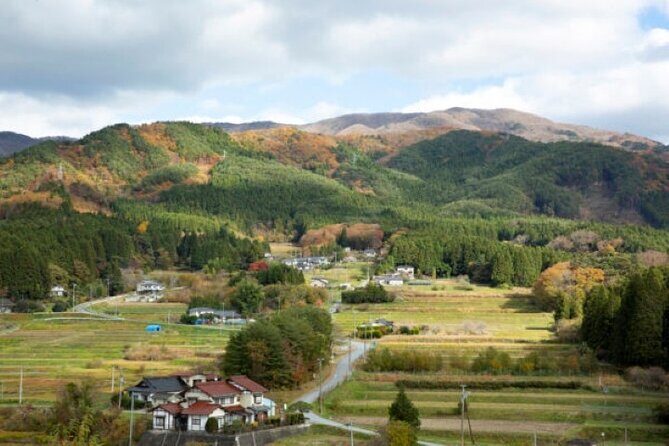
- Authentic experiences like gold panning and crystal hunting bring history to life.
- Deep cultural insights at historic mines, museums, and traditional residences.
- Tasting local delicacies such as oysters and sake enhances the regional connection.
- Small group size (max 5 travelers) offers a more personalized experience.
- Cost reflects the included activities and access, emphasizing hands-on learning.
- Timing and logistics are well-organized, with a focus on meaningful, not rushed, stops.
Exploring the Itinerary in Detail
Looking for more options in Iwate Prefecture? We've reviewed plenty of other experiences.
Day 1: Discovering Gold and Heritage in Kesennuma
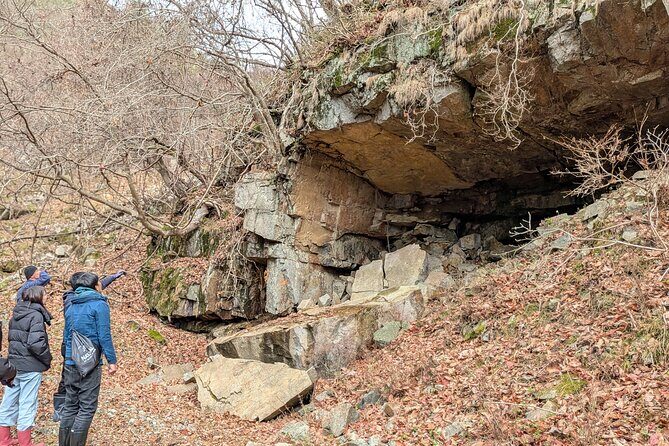
The journey begins at the Kesennuma City Shishiori Gold Mine Museum, where you can learn about the extraordinary Monster Gold nugget, weighing approximately 2.25 kg with about 83% gold content. This highlight not only sparks curiosity but also provides a tangible connection to Japan’s natural wealth. Visitors have noted that the museum is free, making it a great starting point without any added expense. It sets the tone for the day by emphasizing the monumental scale of Japan’s gold finds.
Next, the tour moves to the Former Yoshida Family Residence, an elegant example of traditional architecture and craftsmanship. Guided by a professional, you’ll appreciate the meticulous work of Kesenn carpenters and plasterers, whose techniques have been preserved over generations. This stop offers a window into the lifestyle of historic landowners and the regional craftsmanship that still influences Japanese architecture today. Travelers often comment on the detailed guidance, which helps bring the residence’s history to life.
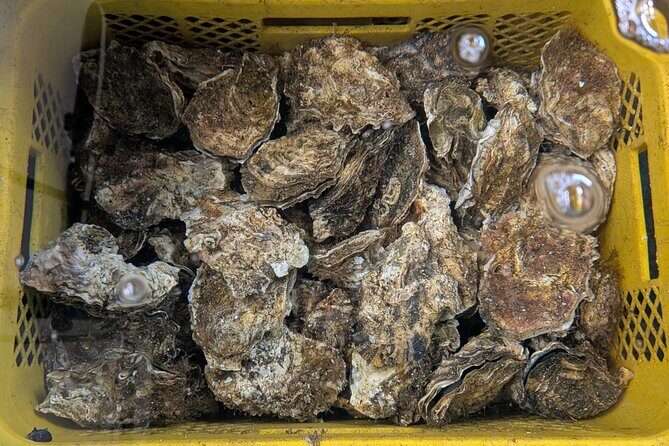
The afternoon features a visit to Ryogae Fishing Port, renowned for producing some of Japan’s highest-quality oysters. Here, with the help of local fishermen, you get to try oyster shucking yourself—a real highlight for food lovers. One reviewer mentioned that this hands-on activity was “both fun and educational,” plus it gives you a taste of the local seafood scene. The port is also a chance to observe Japan’s fishing industry in action, adding an authentic touch to the experience.
Day 2: Mining History, Nature, and Reflection
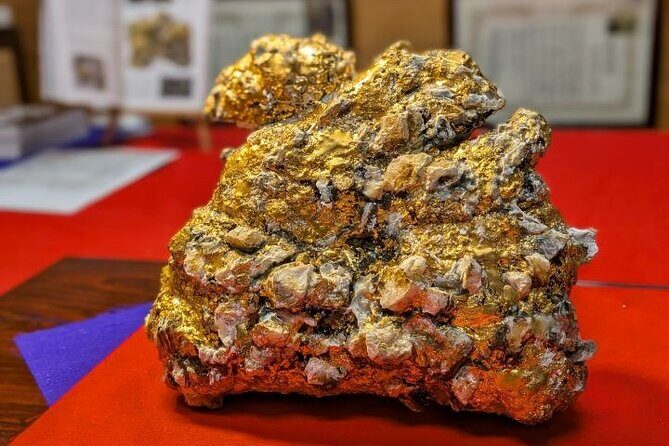
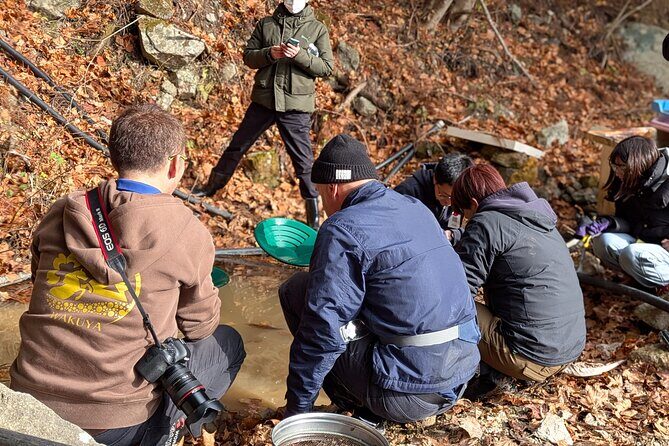
The second day focuses on Tamayama’s gold mines and crystal formations. You’ll learn not just about the history of gold extraction but also about the natural processes that create gold and crystals. The highlight is the gold panning and crystal hunting activities, which give you a sense of the land’s natural gifts. Expect to spend around three hours here, with all equipment provided, making it accessible even for beginners. Past participants have appreciated the chance to try their hand at panning, describing it as “satisfying” and “a true hands-on experience.”
Next, the tour pauses at the Takatamatsubara Memorial Park, commemorating the devastating 2011 tsunami. This stop offers a moment of reflection and a chance to explore local shops offering seafood souvenirs. The park’s proximity to local eateries means you can enjoy regional ingredients in a relaxed setting. Reviewers have noted that the free time here is a nice break, though meals on your own are at your discretion, with no included lunch on Day 2.
Why This Tour Is Worth It
At roughly $663, this experience delivers a well-rounded package of cultural, historical, and culinary highlights. The inclusion of all necessary equipment for gold panning and guided insights makes it a hands-on, educational adventure. The small-group setting enhances interaction, making it easier to ask questions and get personalized attention from guides like Yuki, who has been praised for her engaging storytelling and local knowledge.
The stops are thoughtfully chosen to balance history, nature, and food. Visiting the mines and traditional residences deepens understanding of regional craftsmanship and the significance of gold in Japan’s past. Meanwhile, the oyster shucking and local food tastings connect you with the land’s bounty, emphasizing regional pride and culinary craftsmanship.
However, the tour’s cost could be a limiting factor for some. It’s valuable if you’re truly interested in hands-on experiences and learning about Japan’s gold as well as its regional foods. It’s not a whirlwind sightseeing tour but a more intimate, educational experience that prioritizes quality over quantity.
Practical Tips for Travelers
- Meet at Ichinoseki Station at 9:00 am — make sure to arrive a little early to avoid missing the start.
- Bring comfortable shoes and weather-appropriate clothing, especially since activities like gold panning and oyster shucking involve getting a bit muddy or wet.
- The tour includes breakfast, lunch, and dinner, but Day 2 lunch is not included—plan for this during free time at Fermentation Park CAMOCY.
- Small group size means more personal attention but also limited availability—book early if you’re interested.
- Be prepared for a mix of indoor and outdoor activities, with plenty of opportunities for photos and hands-on fun.
- Rikuzentakata, Ofunato, Miyako in Michinoku Coastal 3 Days Tour
- Nature Tour Around Waterfalls That Exudes From the Beech Forest Nishiwaga Town, Iwate Prefecture
- Morioka Town Half Day Walking Shared Tour With Wanko -Soba
- Matt Canyon River Trekking Nishiwaga Town, Iwate Prefecture
- Hiraizumi Half-Day Private Trip With Government-Licensed Guide
- Hiraizumi Full-Day Private Trip With Government-Licensed Guide
The Sum Up
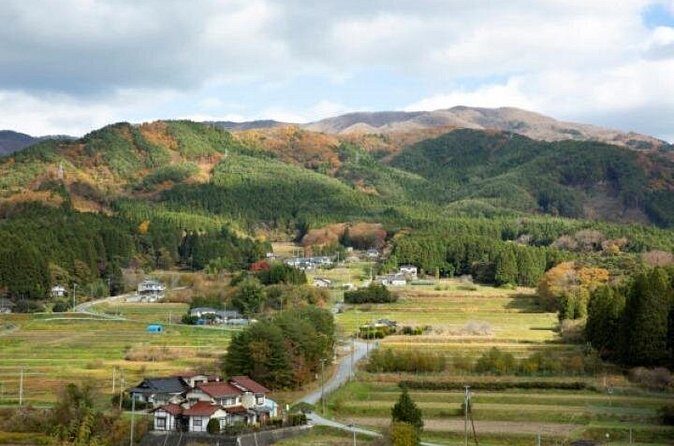
This topically rich experience offers a unique blend of history, craftsmanship, and regional cuisine, making it ideal for travelers who want more than just sightseeing. The hands-on activities, like gold panning and oyster shucking, make the journey memorable and engaging, especially for those interested in Japan’s natural resources and traditional industries. While the price may be high for some, the inclusion of expert-guided experiences and authentic regional tastings adds tangible value.
If you’re someone who enjoys discovering local stories, appreciates cultural authenticity, and doesn’t mind a small group setting, this tour will likely satisfy your curiosity and palate. It’s particularly suited for those who want a deeper understanding of Japan’s regional wealth—both literal and cultural—without the crowds of larger tours.
FAQ
Is this tour suitable for children?
The tour is designed for most travelers, but activities like gold panning and oyster shucking may require a certain level of physical ability and patience. Check with the provider for specific age restrictions.
Are meals included?
Yes, the tour provides breakfast, lunch, and dinner on Day 1. Lunch on Day 2 is not included, giving you free time to explore local options.
What should I bring?
Comfortable walking shoes, weather-appropriate clothing, and possibly a hat or sunscreen for outdoor activities. Equipment like helmets and rubber boots are provided for gold panning.
Can I cancel if my plans change?
Yes, cancellations are accepted up to 6 days in advance for a full refund. Less than that, and the refund policy varies.
How many people are on the tour?
The tour is limited to a maximum of 5 travelers, making for a more intimate experience.
Is transportation included?
Transportation costs to Ichinoseki Station are not included; you’ll need to make your way there separately.
What is the main highlight of this tour?
Most travelers find the hands-on gold panning and the visit to the historic mines and residence especially memorable.
Is the tour suitable for non-Japanese speakers?
Guides are generally knowledgeable, but check with the provider about language support. Having some basic understanding of Japanese or a translation app may enhance the experience.
In the end, this tour offers an unusual peek into Japan’s regional gold history, paired with local food experiences and cultural insights. It’s a rewarding choice for those who like to combine learning with hands-on fun and relish authentic regional flavors.
📍 This experience made our list of the 15 best Tours & Experiences in Iwate Prefecture
More Tours in Iwate Prefecture
- Kakunodate Samurai District and Fireworks Factory Tour Morioka
- Morioka: Private Guided Tour with Government-Licensed Guide
- Oshu: Iwate Meijo Sake Brewery Tour with Tasting
- Iwate: Morioka Local Food Bar Hopping Tour
- Rikuzen Takata Gold Bus Tour Public
- Ryusendo Cave and Kitayamazaki Cliffs Day Tour from Miyako Port
More Tour Reviews in Iwate Prefecture
- Kakunodate Samurai District and Fireworks Factory Tour Morioka
- Morioka: Private Guided Tour with Government-Licensed Guide
- Oshu: Iwate Meijo Sake Brewery Tour with Tasting
- Hiraizumi: A World Heritage Journey Through the Pure Land
- Iwate: Morioka Local Food Bar Hopping Tour
- Rikuzen Takata Gold Bus Tour Public
Still browsing? Here are more Iwate Prefecture experiences we've covered recently
- The Top 15 Tours In Iwate Prefecture
- We Rank The 15 Best Tours & Experiences In Iwate Prefecture
- Kakunodate Samurai District and Fireworks Factory Tour Morioka
- Morioka: Private Guided Tour with Government-Licensed Guide
- Oshu: Iwate Meijo Sake Brewery Tour with Tasting
- Hiraizumi: A World Heritage Journey Through the Pure Land
- Iwate: Morioka Local Food Bar Hopping Tour
- Ryusendo Cave and Kitayamazaki Cliffs Day Tour from Miyako Port
- 1 Day Iwate Tour, Chusonji Temple, Nambu Ironware and Craft Beer
- Kinshu Lake Private Snow Trekking Activity
- Mt. Iwate Panorama Cycling Tour: Culture and Scenic Views
- Kamaishi Bay Fishing Boat Cruise with Guided Local Fisherman