
If you’re curious about the diverse world of Portuguese wine beyond the typical vineyards, the José de Sousa winery tour offers a fascinating peek into the ancient art of winemaking. Located in the picturesque town of Reguengos de Monsaraz, this experience takes you through traditional techniques, modern facilities, and a bit of archaeological treasure hunting—all wrapped into a 1.5-hour visit that’s both educational and flavorful.
What makes this tour stand out? First, the focus on Talha wines—a centuries-old method of vinification using clay amphorae—gives you a taste of history. Second, the opportunity to explore the archaeology room, where artifacts like a nearly 5-meter Menir (standing stone) await. Lastly, the chance to sample a variety of wines after the tour ensures you leave with more than just knowledge; there’s a convivial tasting to cap off the experience.
A possible consideration? The tour involves some walking and is only partially wheelchair accessible, so those with mobility challenges might want to check in advance. This experience suits wine lovers, history buffs, and curious travelers eager to discover authentic Portuguese winemaking traditions.
Key Points
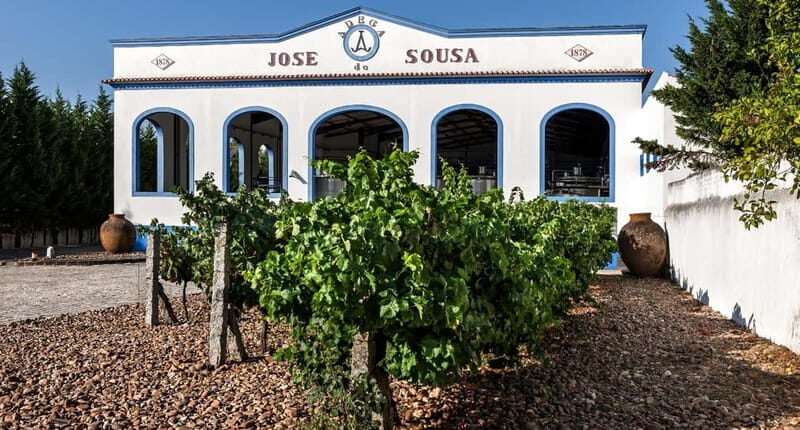
- Unique focus on Talha wines and ancient vinification methods.
- Insightful archaeological displays including artifacts and a Menir.
- Accessible modern facilities with 44 stainless steel tanks.
- Small group tours limited to 10 people for a more personalized experience.
- Tasting of multiple wines at the end, often including rare varieties.
- Educational vineyard visit to identify main grape varieties used.
Many wine tours tend to focus solely on tasting, but this one at José de Sousa does a great job combining history, craftsmanship, and tasting. We appreciated the balanced approach: the tour is both informative and engaging, with plenty of opportunities to ask questions and observe different aspects of the wine production process.
The tour begins at the educational vineyard, where you’ll meet the main grape varieties used in the wines. The guide explains how these grapes grow and what influences their flavors—helpful for anyone wanting to understand the wine’s character before tasting. The vineyard visit is also a chance to appreciate the scenic views of the Alentejo landscape, known for its rolling hills and sprawling estates.
From there, you’re invited to explore the modern winery, which houses 44 stainless steel tanks. It’s fascinating to see how contemporary technology coexists with ancient techniques. The guide describes how the winery maintains a balance between innovation and tradition, ensuring each batch reflects centuries-old practices.
One of the most distinctive parts of this tour is the archaeology room, where artifacts uncovered on the estate are displayed. Among the treasures is a Menir, a nearly 5-meter-high megalithic stone. Seeing these artifacts in the context of a working winery provides a tangible connection to the land’s long history of human activity, dating back thousands of years.
Guests have found the archaeology room to be surprisingly engaging. One reviewer noted that “seeing the ancient tools and the Menir made the history of the land come alive,” adding that it provided a meaningful contrast to the modern facilities.
The highlight for many is the Adega dos Potes, a dedicated space where 114 clay pots are preserved and still used to produce Talha wines. These traditional clay amphorae are part of Portugal’s unique winemaking heritage, and you get to see firsthand how these vessels influence the flavor profile of the wines.
The guide explains how fermentation in clay allows for a different expression of the grapes—more breathable, more textured. Several reviews mention that tasting wines produced in these amphorae was a real treat, offering a taste experience quite different from typical stainless-steel or oak-aged wines.
After the tour, you’ll have the opportunity to sample a selection of wines produced at the winery. The tasting options are designed to showcase both the Talha wines and the more modern varieties. Reviewers appreciated the chance to compare different styles and learn about the nuances that each fermentation method imparts.
The wines are described as having a distinctive character—some reviewers say the Talha wines are “more textured” with a “mineral note,” highlighting how the clay vessels influence the final product. The tasting is relaxed, and the small group format ensures everyone can ask questions and savor the flavors fully.
The tour lasts approximately 1.5 hours, which makes it a manageable addition to a day exploring the Alentejo region. The tour costs are reasonable, especially given the exclusive access to both traditional and modern production spaces, plus the archaeological artifacts and tastings.
Group size is limited to 10 participants, offering a more intimate experience and the chance for personalized interaction with the guide. The activity is conducted in English and Portuguese, ensuring clear communication for most visitors.
The only potential drawback? The tour involves some walking, so comfortable shoes are advised, and it’s only partially wheelchair accessible. The experience does not include transportation or meals, so plan accordingly if you’re combining it with other activities.
This experience is perfect for wine enthusiasts eager to learn about different fermentation techniques and traditional winemaking. It’s also ideal for history lovers, thanks to the archaeological component and the tangible stories behind the artifacts. If you’re looking for a small-group, authentic experience that combines education, culture, and tastings, this tour ticks all boxes.
On the other hand, if you’re after a more leisurely or private experience, this tour’s limited group size offers a cozy and focused environment. However, those with mobility issues should contact the provider beforehand to confirm accessibility options.
The José de Sousa winery tour offers a compelling mix of history, tradition, and modern winemaking. It allows you to step into a world where ancient techniques like fermentation in clay pots are still alive, providing a rare insight into Portugal’s rich winemaking cultural heritage. The archaeological element adds a layer of storytelling that elevates the experience beyond just tasting.
The small-group format and the opportunity to compare wines produced with different methods provide genuine value. Whether you’re a seasoned wine lover or simply curious about Portuguese traditions, this tour offers a meaningful, educational, and delicious glimpse into one of Portugal’s most intriguing wine regions.
How long is the José de Sousa winery tour?
The tour lasts approximately 1.5 hours, making it a relaxed yet informative experience that fits well into a day of exploring the region.
Is transportation included?
No, transportation is not included. Visitors are responsible for getting to the winery, but the location is easily accessible for those staying nearby.
Are there wine tasting options after the tour?
Yes, you can choose from several tasting options that showcase various wines produced at the winery, including Talha wines and more modern styles.
Is the tour suitable for wheelchair users?
The winery is partially wheelchair accessible, and the tour can be adapted on request. It’s best to contact the provider in advance if accessibility is a concern.
What should I wear?
Comfortable shoes are recommended as the tour involves some walking. Bringing a camera and water is also advised to enhance your experience.
Can I cancel if my plans change?
Yes, cancellations are free if made up to 24 hours in advance, providing flexibility for your travel plans.
Is this experience good for small groups?
Absolutely, the tour is limited to 10 participants, ensuring a more personal and engaging experience than larger group tours.
This guided visit at José de Sousa promises a memorable discovery of Portugal’s winemaking traditions—perfect for those who want to taste history, culture, and excellent wine all in one go.
You can check availability for your dates here: