Exploring Nagasaki’s history through this guided tour offers a deeply moving perspective on one of humanity’s darkest moments—and its hopeful aftermath. While the 3-hour experience is relatively brief, it’s packed with meaningful visits that resonate long after you leave.
We appreciate how the tour blends emotional reflection, educational storytelling, and beautiful memorials in a way that feels respectful and authentic. The highlights include powerful sites like the Peace Park and Atomic Bomb Museum, each offering insights that aren’t found in a typical sightseeing stroll.
A possible consideration? The emotional weight of this tour can be intense, especially in places like the Hypocenter and Memorial Hall. It’s best suited for travelers who are prepared for reflective, sometimes somber, moments. Overall, if you’re seeking a meaningful lesson in peace and resilience, this tour hits the mark.
This experience is especially suitable for history buffs, those interested in peace studies, or travelers wanting a deeper understanding of Nagasaki’s unique story. It’s a thoughtful way to connect with Japan’s past and its message of hope for the future.
- Key Points
- An In-Depth Look at the Tour
- Starting Point: Nagasaki Peace Park
- The Hypocenter: Standing at the Crisis Point
- The Atomic Bomb Museum: A Deeply Moving Space
- The Memorial Hall: A Place for Quiet Reflection
- What to Expect During the Tour
- Itinerary Breakdown and Insights
- Tour Details and Practicalities
- What To Bring
- Considerations and Recommendations
- Final Thoughts: Is This Tour Right for You?
- FAQ
- The Best Of Nagasaki!
- More Tours in Nagasaki
- More Tour Reviews in Nagasaki
- Not for you? Here's more nearby things to do in Nagasaki we have reviewed
Key Points
 1 / 5
1 / 5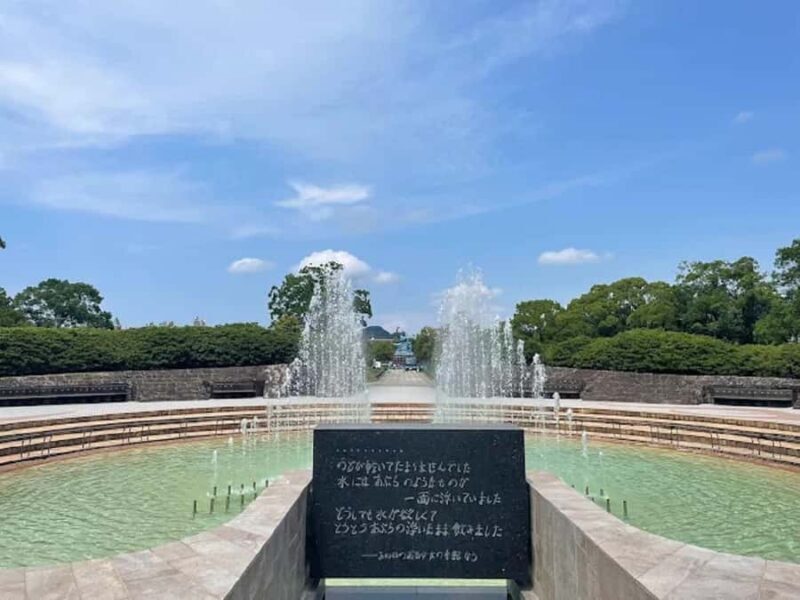 2 / 5
2 / 5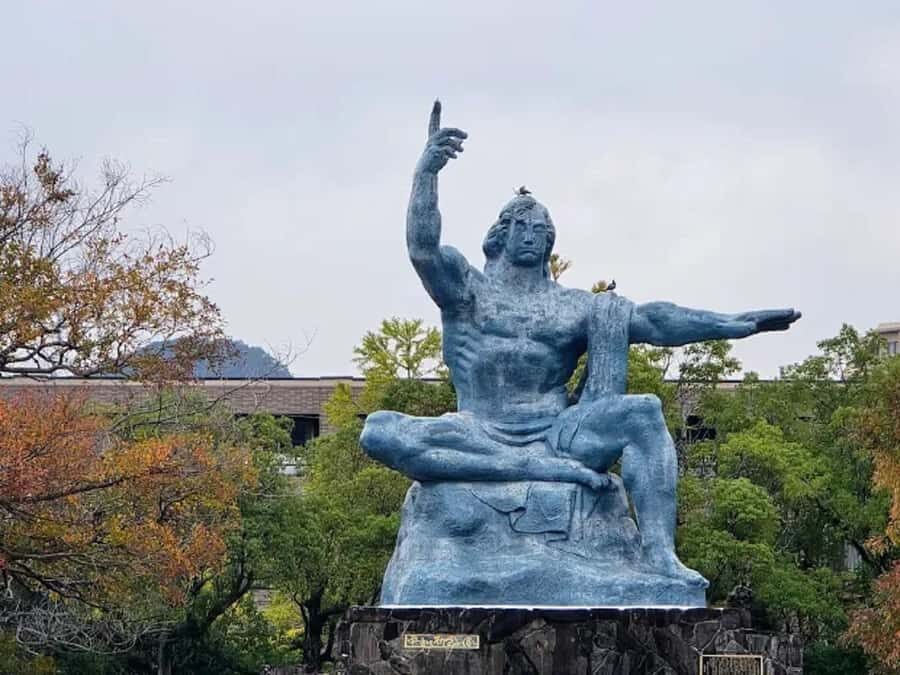 3 / 5
3 / 5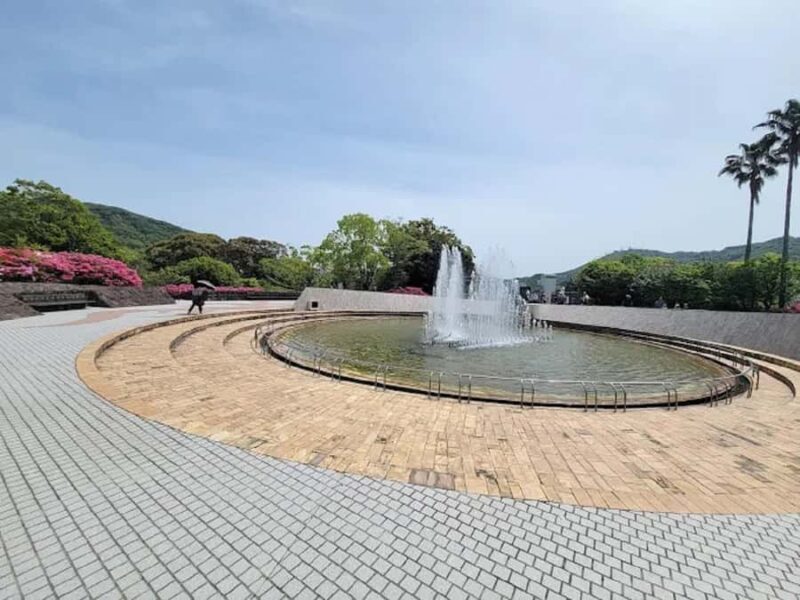 4 / 5
4 / 5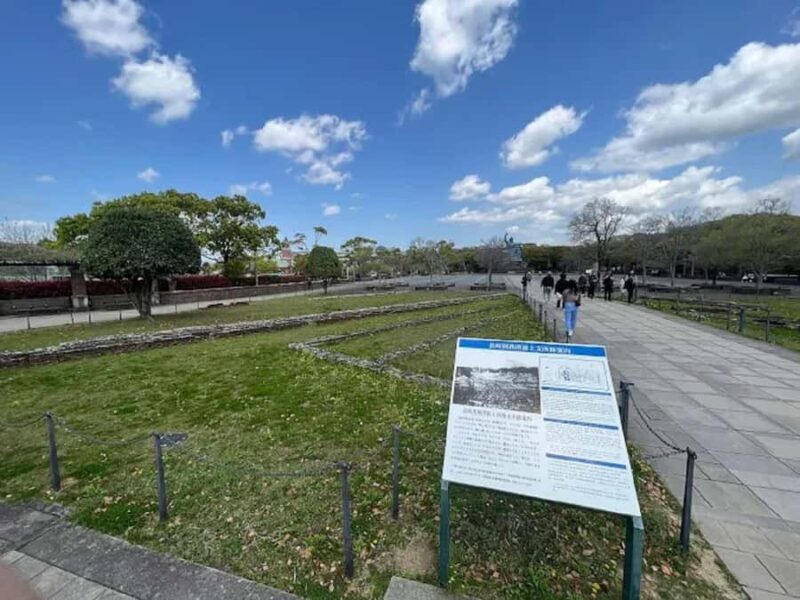 5 / 5
5 / 5- Emotional Impact: The tour takes you through sites that evoke genuine reflection on Hiroshima’s and Nagasaki’s tragedies.
- Educational Value: Learn about the events leading up to and following the atomic bomb, including personal stories and artifacts.
- Respectful Design: The tour visits sites like the Memorial Hall, which invite quiet contemplation.
- Accessible and Private: It’s a private group experience, wheelchair accessible, with flexible cancellation policies.
- Cultural Significance: Features monuments and sculptures from around the world emphasizing peace and forgiveness.
- Time-Efficient: A 3-hour experience ideal for travelers with tight schedules seeking depth over breadth.

👉 See our pick of the 15 Best Tours & Experiences In Nagasaki
An In-Depth Look at the Tour
You can also read our reviews of more tours and experiences in Nagasaki.


Starting Point: Nagasaki Peace Park
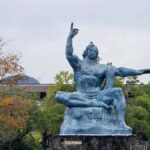
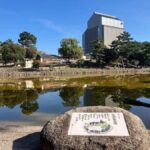
Your journey begins at the Main Gate of Nagasaki Peace Park, a serene, well-kept area that immediately sets a tone of reflection. The entrance itself is modern, with clean pathways and lush greenery, offering a peaceful backdrop to the emotional day ahead. The iconic Peace Statue in the distance acts as a visual anchor, symbolizing hope and resilience.
Visitors often remark on the tranquil atmosphere, which contrasts starkly with the site’s harrowing history. The park features monuments and sculptures from various nations, showcasing global support for peace. Many reviewers appreciate the way the park combines beauty with somber remembrance, noting that the peaceful setting invites visitors to pause and reflect.
The Hypocenter: Standing at the Crisis Point
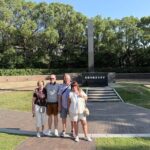
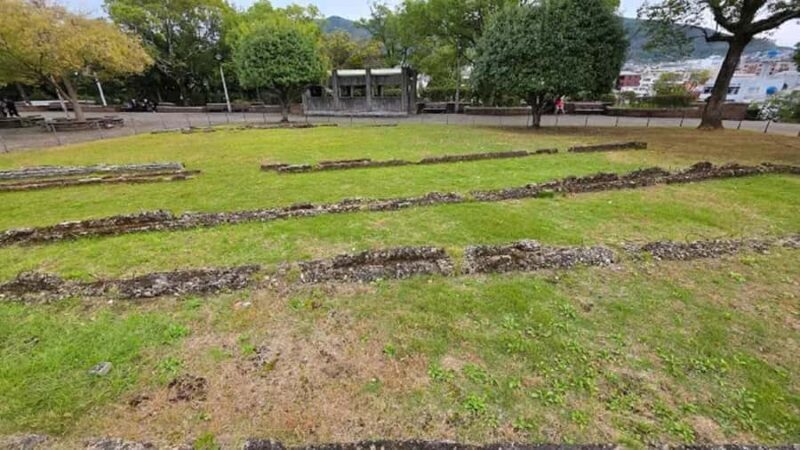
From the park, a short walk brings you to the Hypocenter, the exact spot where the atomic bomb detonated on August 9, 1945. The simplicity of the black monolith here is striking—its starkness underlines the gravity of this moment in history. Surrounded by preserved ruins and memorials, this site is often described as profoundly sobering.
Visitors report that this is a space where voices tend to lower, and a respectful silence settles naturally. Many mention feeling the weight of history pressing down, prompting personal reflection on the fragility of life and the resilience required to rebuild.
The Atomic Bomb Museum: A Deeply Moving Space
Next, the tour guides you into the Atomic Bomb Museum, which is packed with exhibits, personal testimonies, and artifacts. The museum’s layout is designed to tell a story—not just of destruction but of hope. Reviewing visitors’ impressions, the museum is described as “powerful” and “heart-wrenching,” with many feeling a mix of sorrow and admiration for the resilience of Nagasaki’s inhabitants.
One reviewer highlights the museum’s approach: “It’s not just a collection of pictures but a narrative that makes you think about the consequences of nuclear weapons.” Photography may be restricted in certain areas, but the personal stories and preserved objects leave lasting impressions.
More Great Tours NearbyThe Memorial Hall: A Place for Quiet Reflection
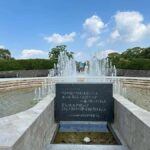
The tour culminates at the Memorial Hall of Nagasaki National Peace Memorial. This architectural masterpiece is designed to promote calm and contemplation, with soft lighting illuminating the victims’ names and tranquil water features adding to the peaceful atmosphere.
Visitors often mention how this space encourages a moment of quiet, respectful remembrance. The hall’s design fosters a sense of shared humanity, with many noting how the experience leaves them pondering the importance of peace and forgiveness.
What to Expect During the Tour
Itinerary Breakdown and Insights
Starting at Nagasaki Peace Park, you’ll first appreciate the beautifully maintained monuments and sculptures that symbolize hope from around the world. Expect a calm environment—many visitors comment on how the park’s tranquility helps set the tone for the heavier sites ahead.
The Hypocenter is the next stop, where the simplicity and starkness of the black monolith evoke a profound sense of history’s impact. Here, you’re encouraged to reflect silently on the destructive power of nuclear weapons and their lasting effects.
At the Atomic Bomb Museum, you’ll encounter exhibits that combine visual storytelling with personal stories. Many reviewers feel that the museum’s layout allows space for emotional processing—some even describe it as a “moving classroom.” It’s a space to understand the full scope of the tragedy, from the suffering to the recovery.
Finally, the Memorial Hall offers a peaceful space for prayer and remembrance. Designed for quiet contemplation, it’s a space where visitors can pause and internalize the tour’s messages of peace and forgiveness.
Tour Details and Practicalities
- Duration: 3 hours, perfect for a meaningful yet manageable visit.
- Start Point: Main Gate of Nagasaki Peace Park, an accessible and recognizable location.
- Group Size: Private group tours, offering personalized attention and flexibility.
- Language: Guides are available in Japanese and English, ensuring clarity and cultural sensitivity.
- Accessibility: The tour is wheelchair accessible, making it suitable for a broader range of visitors.
- Cancellation: Free cancellation up to 24 hours in advance offers peace of mind if plans change.
What To Bring
Comfortable shoes are a must since most of the tour involves walking through hilly or uneven historic sites. A camera is recommended to capture the monuments and the poignant moments. It’s smart to carry cash for small purchases or donations, and a charged smartphone can be useful for photos or quick access to additional information.
Considerations and Recommendations
This tour is emotionally intense—be prepared for moments of quiet reflection or even somber feelings. It might be less suitable for very young children or those with low energy levels, as it involves walking and standing. Visitors have noted that photography may be restricted inside certain museums, so check your camera and phone use accordingly.
Final Thoughts: Is This Tour Right for You?
If you’re interested in understanding Nagasaki’s history beyond surface-level facts, this tour offers a respectful, impactful experience. It’s well-suited for travelers who want to see iconic memorials while engaging in meaningful reflection. The private group format ensures a personalized, comfortable experience, and the inclusion of various sites provides a comprehensive look at Nagasaki’s enduring message of peace.
While the emotional weight shouldn’t be underestimated, many visitors find that the tour’s honest approach fosters a deeper appreciation for resilience and forgiveness. It’s a chance to connect with history on a human level, making it a memorable addition to your Nagasaki journey.
This experience provides genuine value through its thoughtful design, educational content, and respectful atmosphere. If you’re ready to confront difficult questions about war and peace in a setting that emphasizes hope, this tour will serve you well.
FAQ
Is this tour suitable for children?
It’s generally better for older children and teenagers who can handle emotional reflection. Very young children or babies under 1 year are not suitable.
How long does the tour last?
The tour lasts approximately 3 hours, making it manageable even on a tight schedule.
Is the tour accessible for wheelchair users?
Yes, the tour is wheelchair accessible, allowing broader participation.
Can I cancel the tour if my plans change?
Yes, free cancellation is available up to 24 hours before the scheduled time.
What should I bring on the tour?
Comfortable shoes, a camera, food and drinks, snacks, cash, and a charged smartphone are recommended.
Are guides available in languages other than English?
Guides are available in Japanese and English.
Is photography allowed during the tour?
Photography may be restricted in certain areas, especially inside museums—check with your guide for specifics.
What is the meeting point?
The tour begins at the Main Gate of Nagasaki Peace Park, a peaceful, easy-to-find location.
How large are the groups?
This is a private group tour, offering a personalized experience without large crowds.
What is the main focus of the tour?
The tour emphasizes remembrance, education, and promoting a message of peace and forgiveness through visits to key memorial sites.
In sum, the Peace & Reflection: Nagasaki Atomic Bomb Legacy Tour offers a thoughtful, respectful journey through some of the city’s most powerful sites. It’s perfect for travelers seeking a meaningful encounter with history, and who are open to quiet reflection on one of humanity’s most sobering lessons.
You can check availability for your dates here: