
I was standing in a medieval alley off the Rue de Rivoli at 10pm when the guide stopped walking and asked if we could hear the bell. We couldn’t. She explained that in 1345, a plague victim was supposedly sealed inside this wall while still alive, and locals have claimed to hear faint ringing ever since — possibly from a bell the victim wore around their neck. Nobody in the group said a word for about thirty seconds. Then someone’s phone buzzed and the spell broke. That’s Paris ghost tours in a nutshell: genuinely atmospheric storytelling that’s always one notification away from reality.
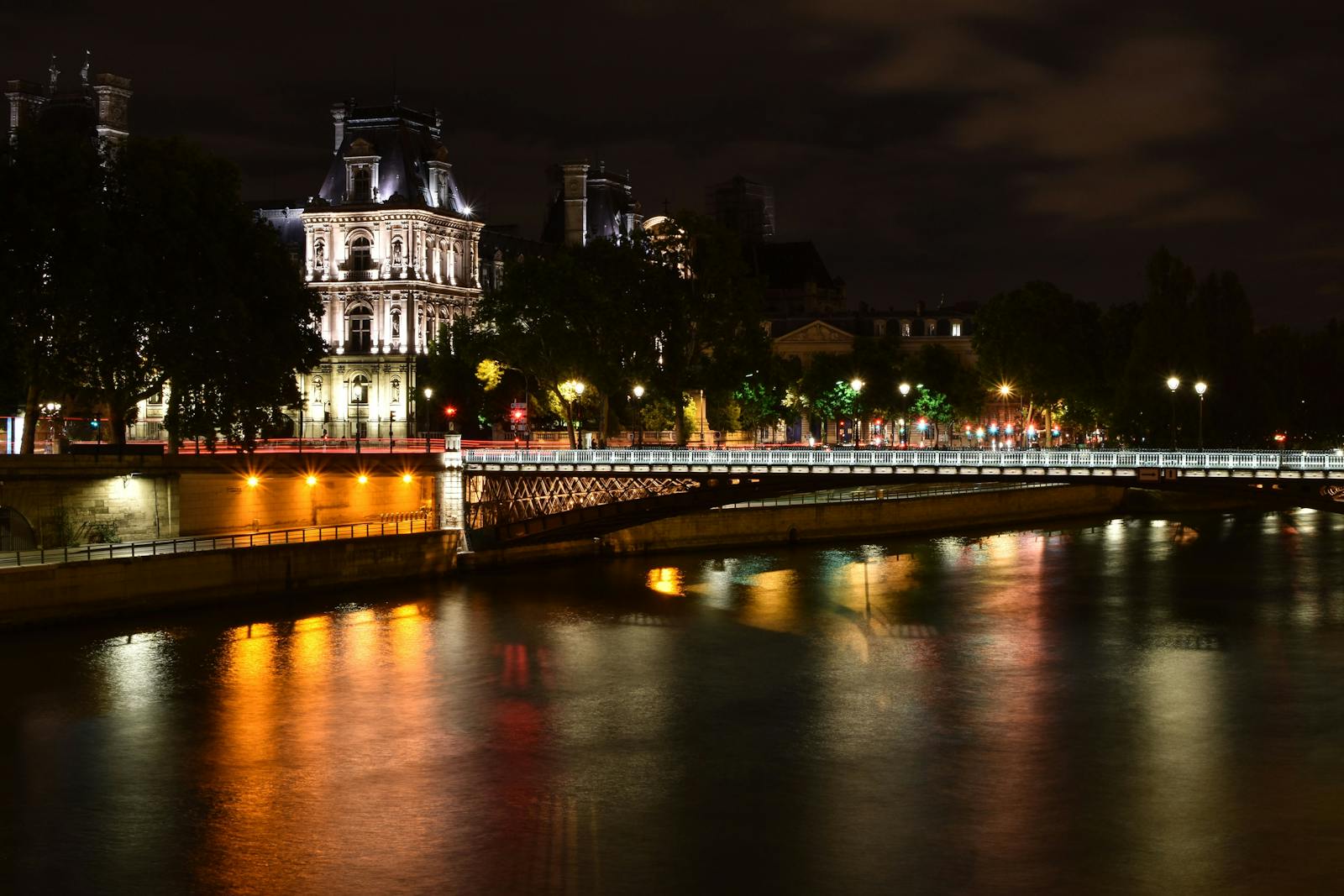
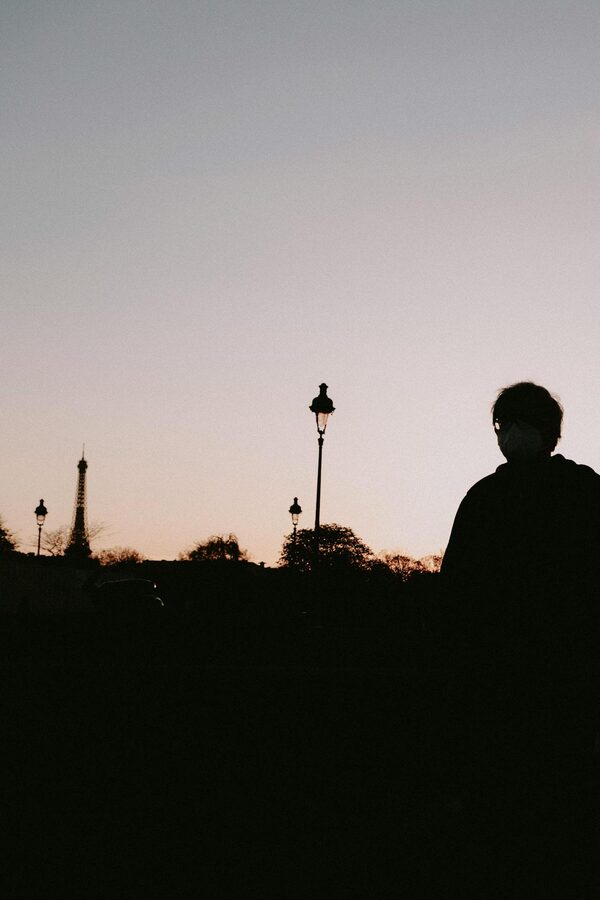
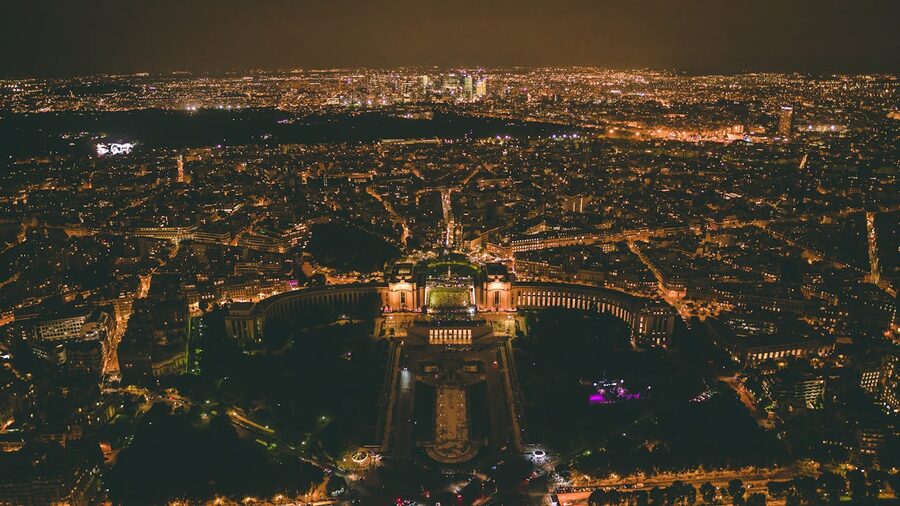
Paris after dark is a different city. The Haussmann facades go from grey to gold under the street lamps. The Seine turns into a moving mirror. The narrow lanes of the Marais and Latin Quarter empty out and the cobblestones echo. It’s the best time to walk the city, and there are several ways to do it — on foot following ghost stories, from the top of an open bus, on a bike chasing the light, or in the back of a private car with a guide who knows every angle.
Best for relaxing: Big Bus Open Top Night Tour — $36, 2 hours, sit back and watch the landmarks glow past.
Best active option: Paris Night Bike Tour — $47, 2.5 hours, ride through illuminated streets with stops for wine and treats.
- Ghost Tours: Paris After Dark Has Teeth
- The Dark History Behind the Stories
- Open Top Bus: The Lazy (Brilliant) Option
- Night Bike Tour: The Best Way to See the City
- Private Night Tour: The Splurge
- Best Tours to Book
- 1. Paris by Night Ghost Walking Tour —
- 2. Big Bus Open Top Night Tour —
- 3. Paris Night Bike Tour —
- When to Book a Night Tour
- Safety at Night
- Getting Back to Your Hotel
- What to See on Your Own at Night
- Pairing Night Tours With Other Paris Experiences
Ghost Tours: Paris After Dark Has Teeth
Paris has been a city for over 2,000 years. That’s a lot of death. Plague, revolution, massacre, execution, war — the ground you walk on has stories that would keep you up at night if you knew them. The ghost tours mine this history for entertainment, and the best guides deliver it with a mix of theatrical timing and genuine historical knowledge that turns a walk through old streets into something closer to a live podcast.
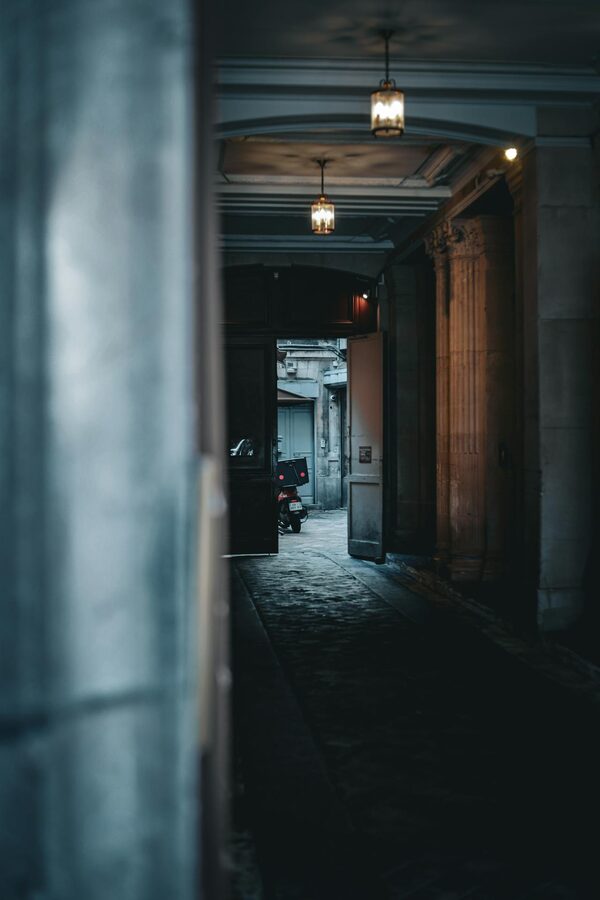
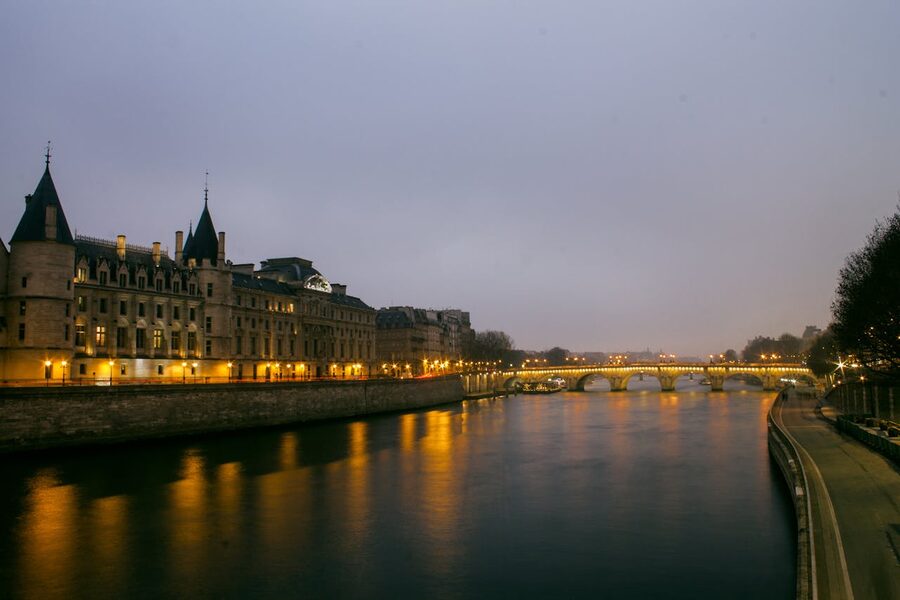
The standard ghost walking tour covers about 2 kilometres through the Latin Quarter and Île de la Cité. You’ll hear about the mass graves under the Cimetière des Innocents (the bones eventually became the Catacombs), the execution site at Place de Grève where prisoners were publicly tortured, the ghost of Marie Antoinette reportedly seen at the Conciergerie, and several buildings with dark histories that you’d walk right past in daylight.
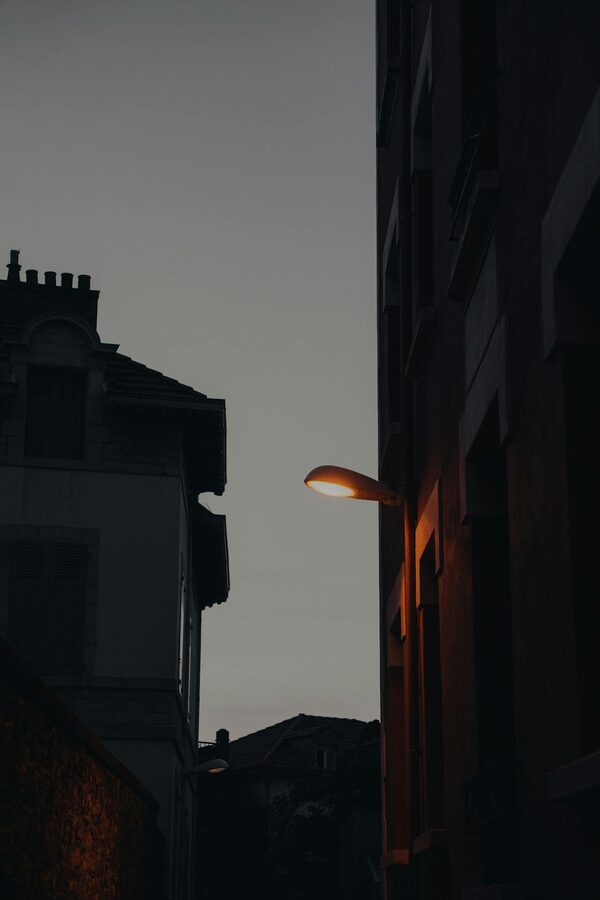
One note: the 4.5-star rating masks a split audience. People who came for theatrical ghost stories rate it highly. People who expected historically rigorous walking tours feel the ghost angle is thin. Read the reviews carefully — if you want dark history with atmosphere, book this. If you want a straight Paris history walk that happens to be at night, that’s a different product.
The Dark History Behind the Stories
Paris’s ghost stories aren’t made up for travelers. The city genuinely has one of the most violent histories of any European capital. The Revolution alone produced about 17,000 executions in Paris — the guillotine in Place de la Concorde ran so frequently that the blood pooled and locals complained about the smell. Before that, the Île de la Cité’s narrow medieval streets were the site of regular massacres, plague burials, and public torture sessions that drew crowds like sporting events.
The Catacombs hold the remains of about 6 million Parisians, moved from overflowing cemeteries in the late 18th century. The ghost tour won’t take you underground (that’s a separate ticket and a separate queue), but guides usually stop above the entrance on Avenue du Colonel Henri Rol-Tanguy and explain what’s beneath your feet. It’s more unsettling knowing the bones are there without seeing them.
The most macabre location on most routes is the site of the Grand Châtelet — Paris’s main prison and execution ground for centuries. Nothing remains above ground, but the streets around Place du Châtelet are built directly over the old dungeons. The tour guides know which basement walls were part of the original prison — some restaurants and shops in the area have them in their cellars.
Open Top Bus: The Lazy (Brilliant) Option
Sometimes you don’t want to walk. You’ve been walking all day. Your feet hurt, your phone is dead, and you just want to sit down and watch Paris be beautiful. The Big Bus night tour exists for exactly this moment.
Two hours on the top deck of an open bus, with audio commentary in multiple languages, passing every major landmark: the Eiffel Tower, Champs-Élysées, Louvre, Notre Dame, Sacré-Coeur, Opéra Garnier. The bus doesn’t stop (it’s not hop-on-hop-off at night), so you just sit and absorb. It’s touristy in the best possible way — no pretence, no agenda, just Paris in lights.
At $36, it’s not the cheapest option, but the 4.0 rating across 874 reviews suggests it delivers what it promises. The main complaints are about weather (the top deck is open and it gets cold after dark — bring a jacket even in summer) and traffic (Paris traffic is Paris traffic, and sometimes the bus crawls). But the views are real and the comfort factor is unbeatable after a long day.
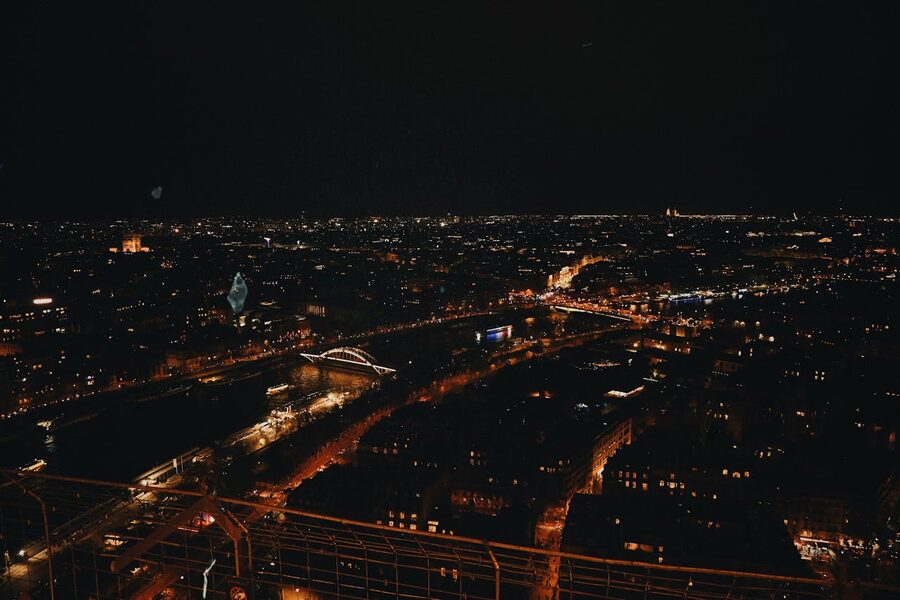
Night Bike Tour: The Best Way to See the City
This is my pick. A night bike tour through Paris combines the exercise you didn’t know you wanted with views you can’t get any other way. The bikes have lights, the group follows quiet streets, and the guide stops at key viewpoints for photos, snacks, and — on most tours — a glass of wine somewhere along the way.
The route typically covers about 10 kilometres — Eiffel Tower, Louvre pyramid, Notre Dame, Hôtel de Ville, and a loop along the Seine. The pace is gentle. You don’t need to be fit. The bikes are basic city bikes, not racing machines, and the guides wait at every stop. It takes about 2.5 hours including all the stops.
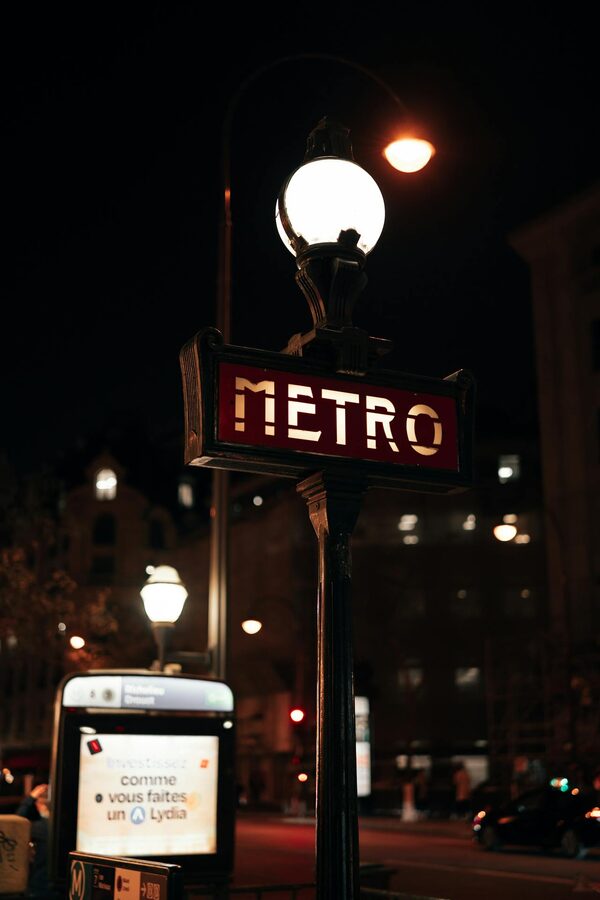
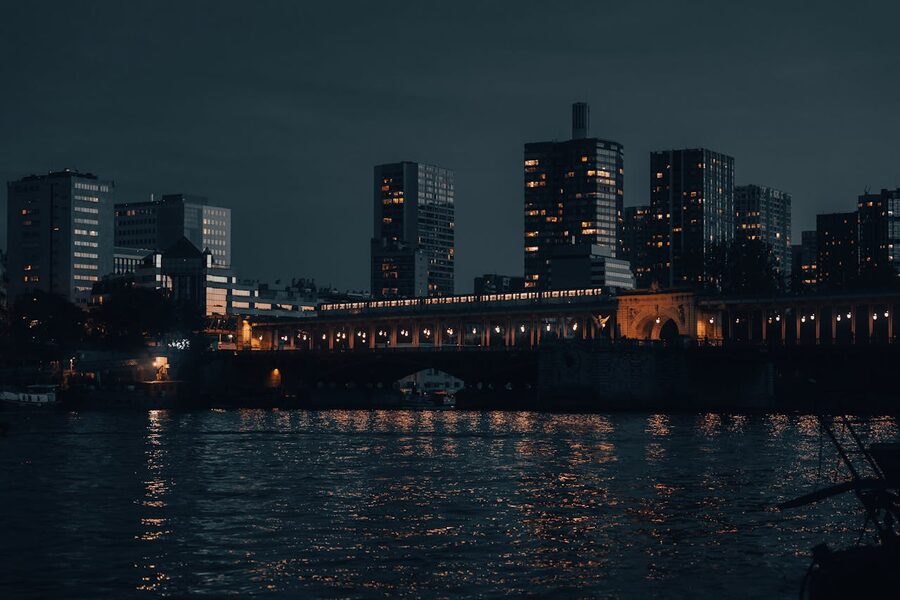
At $47, it’s the priciest walking-pace option, but it covers more ground and includes snacks and wine. The 4.5 rating across 819 reviews is strong, and the guides are consistently praised for being fun and knowledgeable. The main caveat: it doesn’t run in heavy rain, and winter departures can be cold. Dress in layers.
Private Night Tour: The Splurge
At $200 per person, the private “Paris by Night” tour is in a different league. A personal guide picks you up and drives you through the city in a private vehicle, stopping wherever you want for as long as you want. It’s 2.5–3 hours of Paris at night with someone who knows every angle, every viewpoint, and every shortcut.
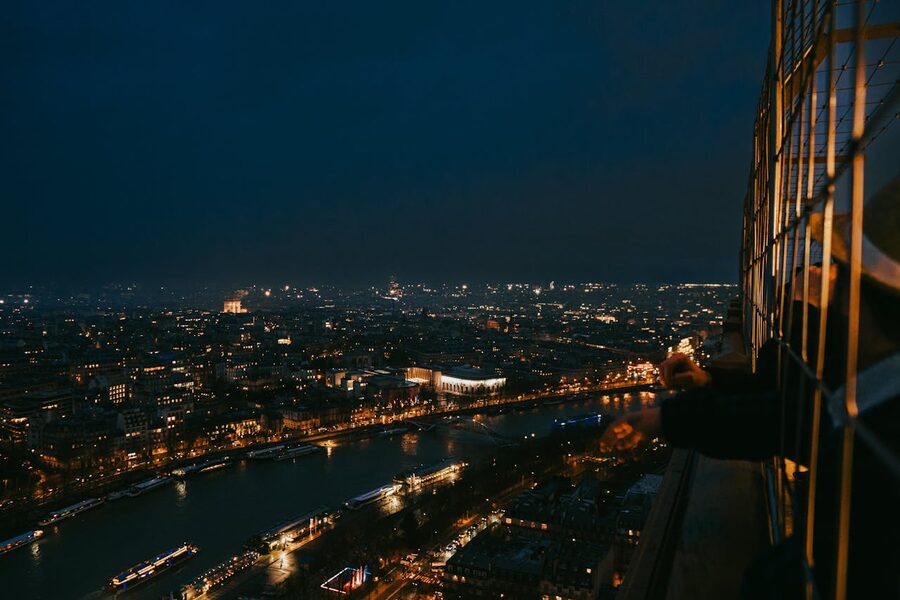
The perfect 5.0 rating across 405 reviews is earned. But this is for couples celebrating something, families who want comfort, or anyone who values personalisation over value-per-dollar. If you’re budget-conscious, the ghost walk or bike tour gives you 80% of the experience at a fraction of the price.
Best Tours to Book
1. Paris by Night Ghost Walking Tour — $18
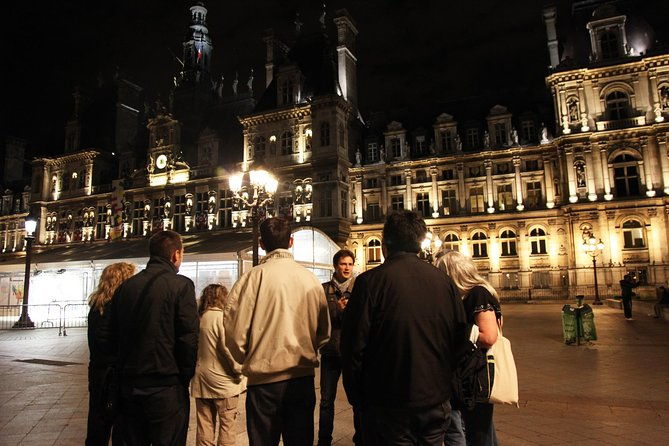
Two hours of dark Paris history for less than the price of a decent glass of wine. The ghost and legend angle gives the tour a narrative arc that straight history walks often lack — you’re following a story, not just a route. Our review covers the full route and rates the guide quality, which is the make-or-break factor for this kind of experience.
2. Big Bus Open Top Night Tour — $36
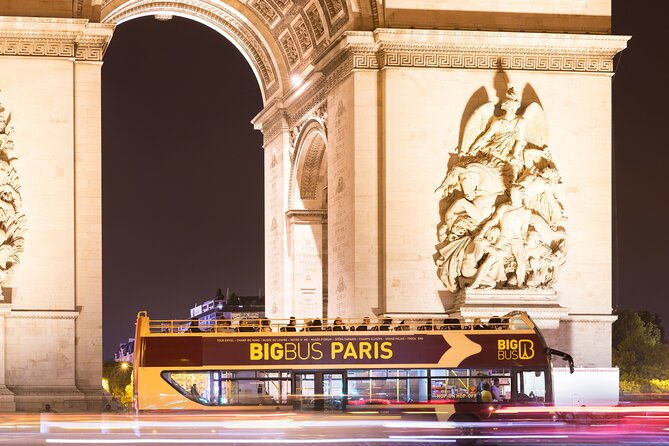
Perfect for the night when you’ve walked 20,000 steps and still want to see Paris lit up. The open top deck gives you an elevated perspective on landmarks you’ve been looking up at all day, and the audio commentary fills in history without requiring you to move your legs. Our review explains the route and which side to sit on for the best views — spoiler: it changes depending on the direction.
3. Paris Night Bike Tour — $47
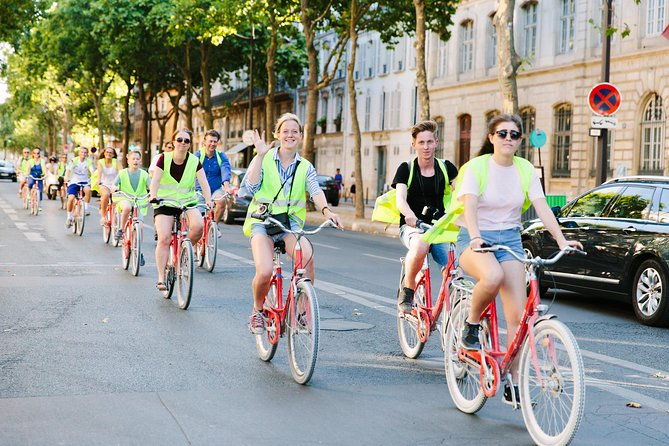
My top pick for anyone who can ride a bike. You cover more ground than walking, feel more connected to the city than a bus, and the stops for wine and snacks turn it into a social event. The group dynamic is usually great — people on night bike tours tend to be in good moods. Our full review covers the route, the bike quality, and what the snack stops actually involve.
When to Book a Night Tour
Best months: June through September, when sunset is late enough that you get the twilight transition during the tour. In midwinter, it’s dark by 5pm, which means the “night tour” starts in the late afternoon and the atmosphere is more cold than magical.
Best nights: Tuesday through Thursday are quieter. Friday and Saturday nights mean more street life but also more noise and crowds, especially in the Marais and along the Champs-Élysées. Sunday nights are dead quiet — sometimes too quiet for the ghost tours, which benefit from a bit of ambient energy.
Weather: Bring a jacket regardless of season. Paris drops 5-8 degrees after sunset, and if you’re on an open bus or a bike, the wind chill makes it feel colder. Rain doesn’t cancel most walking tours but it does cancel bike tours. Ghost tours in the rain are actually more atmospheric, if you don’t mind getting wet.
Safety at Night
Paris at night is generally safe, especially in the central arrondissements where the tours operate. The Île de la Cité, Latin Quarter, Marais, and areas around the Eiffel Tower are well-lit and well-policed. That said, common-sense rules apply: keep valuables in front pockets, stay aware in metro stations after 11pm, and avoid the northern fringes of the 18th arrondissement (Barbès, Porte de la Chapelle) late at night unless you know where you’re going.
On guided tours, you’re with a group and a local, which eliminates most concerns. The bike tours provide high-visibility vests and lights. The bus tour is, well, a bus. Solo wandering is perfectly fine in tourist areas but save the off-the-beaten-path exploration for daylight hours.
Getting Back to Your Hotel
Most night tours end between 10pm and midnight. The Paris Métro runs until about 1am on weeknights and 2am on Friday and Saturday nights. Night buses (Noctilien) take over after that and cover most major routes, though they’re slower and less frequent. Uber and Bolt work well in Paris and are usually cheaper than taxis after dark.
If you’re staying in central Paris (1st through 7th arrondissements), you can probably walk back from most tour endpoints. The ghost tour ends near Notre Dame, the bike tour near the Eiffel Tower, and the bus tour loops back to its starting point. The private tour drops you at your hotel.
What to See on Your Own at Night
If you’d rather not join a tour, Paris at night is still spectacular as a solo wander. Some highlights:
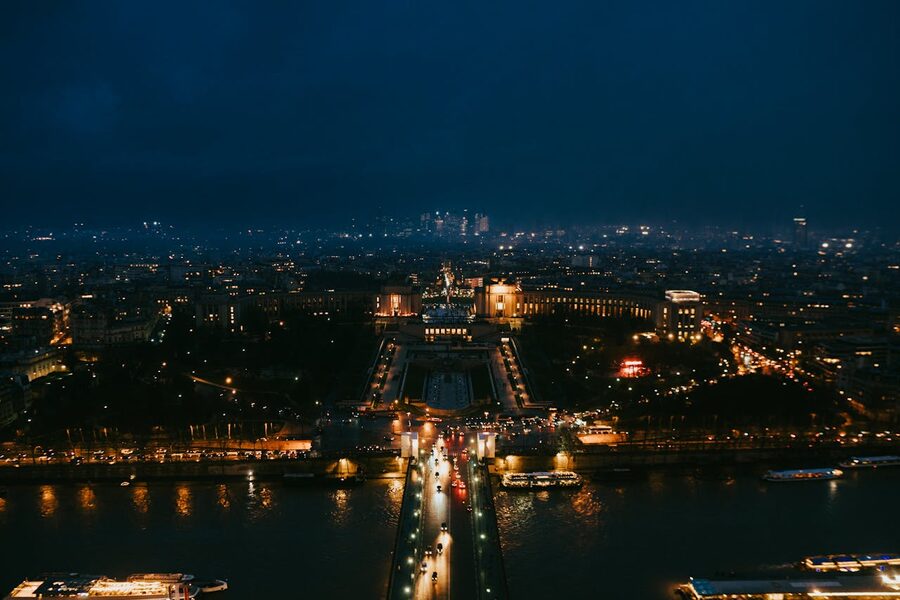
The Eiffel Tower sparkle: Every hour on the hour from dusk until 1am (11pm in winter). Stand on the Trocadéro esplanade or the Pont d’Iéna bridge. It lasts 5 minutes.
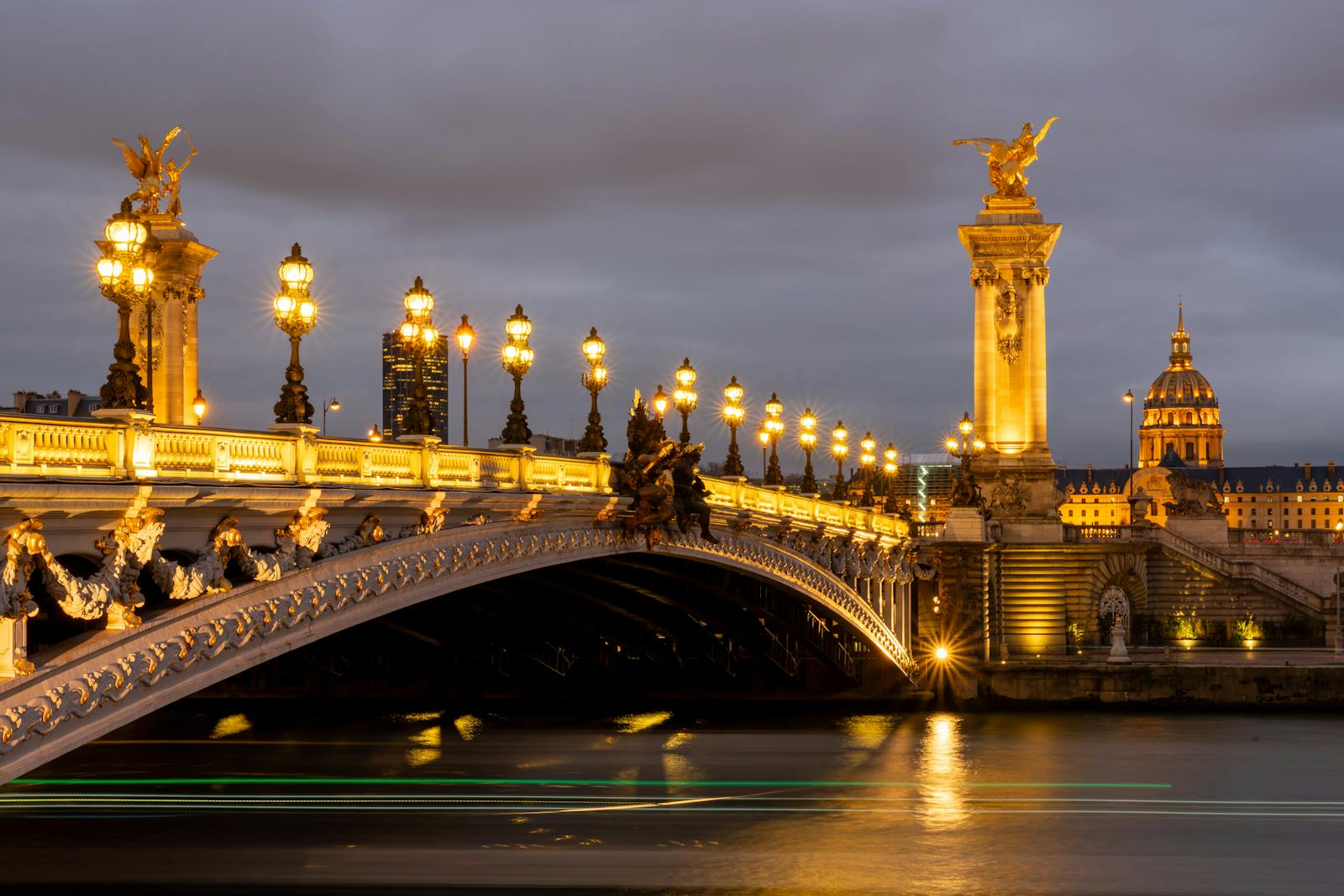
Pont Alexandre III: The most ornate bridge in Paris, and at night the golden statues and lamp posts look like they’re on fire. Walk across slowly.
The Louvre pyramid: The glass pyramid lit up against the dark palace walls is one of the most photographed scenes in Paris. The courtyard is open and free to walk through after the museum closes.
Sacré-Coeur steps: The view from the top of the Montmartre steps at night shows the entire city spread out below. Bring wine and join the locals — it’s an unofficial Paris tradition.
Pairing Night Tours With Other Paris Experiences
A night tour fits naturally into a full day of Paris sightseeing. Hit the Notre Dame Cathedral in the morning, grab lunch, then do one of the afternoon options like the quirky museums or the Orangerie, before finishing with a night tour after dark. The ghost walking tour pairs especially well with a morning at Père Lachaise Cemetery — dark Paris history bookending your day.
If you’ve already done one evening on foot, the bike tour makes a great second-night option — different route, different pace, different perspective. And if you want to add a Seine cruise to the mix, the daytime bike tour covers similar ground by day, which lets you appreciate how different the same landmarks look after sunset.