
The Moulin Rouge gets all the attention, but it’s not the only cabaret in Paris. And depending on what you’re looking for — artistic ambition, value for money, or sheer provocative strangeness — it might not even be the best. Paris has been doing cabaret since the 1880s, and the city still has venues producing shows that range from classic feather-and-sequin spectaculars to avant-garde performances that make the Moulin Rouge look tame.
The two venues worth your money right now are the Crazy Horse and the Paradis Latin. The Crazy Horse is the edgier, more modern option — a tightly choreographed show that’s closer to contemporary dance than traditional cancan. The Paradis Latin is the classic Parisian cabaret experience — dinner, champagne, feathers, and spectacle in a building designed by Gustave Eiffel. Between them, they cover everything the Paris cabaret tradition has to offer.
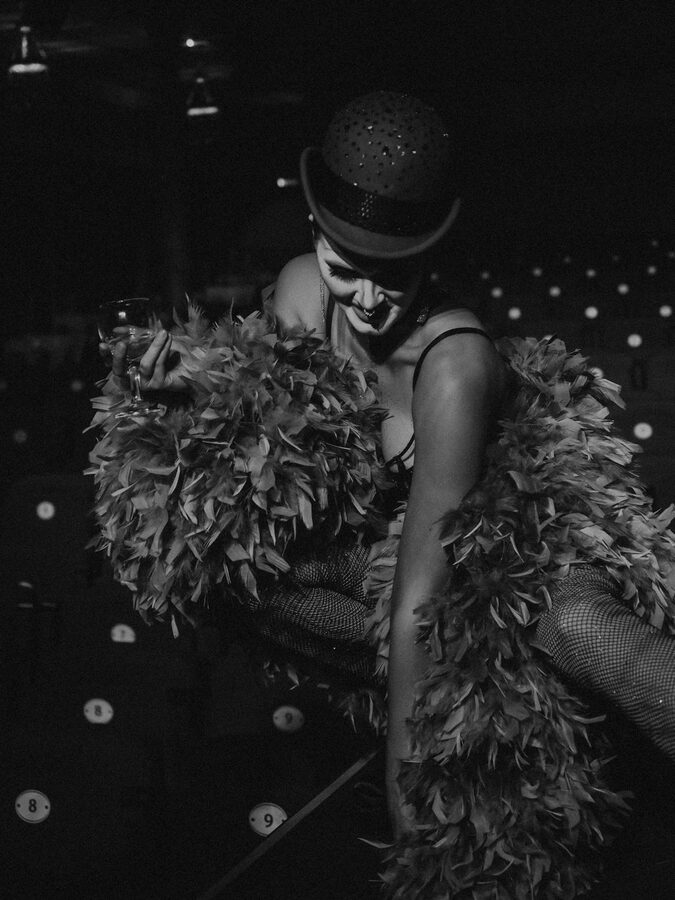
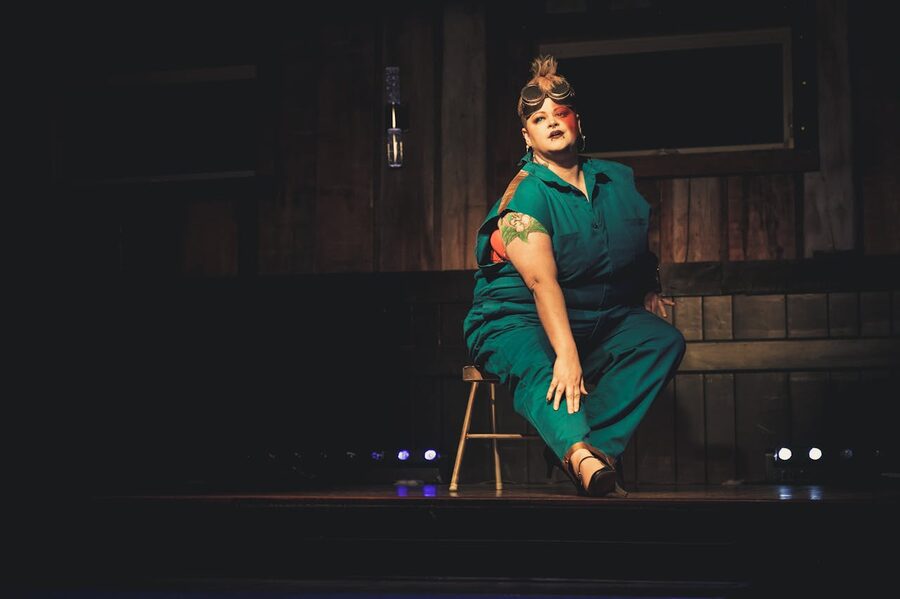
Best classic experience: Paradis Latin with Champagne — $121, 105 min, traditional cabaret in a Gustave Eiffel venue.
Best dinner + show: Paradis Latin Dinner Show — $217, 3 hours, full dinner service with the cabaret.
- Crazy Horse: The Modern Cabaret
- Paradis Latin: The Classic Experience
- Crazy Horse vs. Paradis Latin: How to Choose
- Best Shows to Book
- 1. Crazy Horse with Champagne — 8
- 2. Paradis Latin with Champagne — 1
- 3. Paradis Latin Dinner and Show — 7
- A Brief History of Paris Cabaret
- Practical Tips
- What to Expect as a First-Timer
- More Paris Evenings
Crazy Horse: The Modern Cabaret
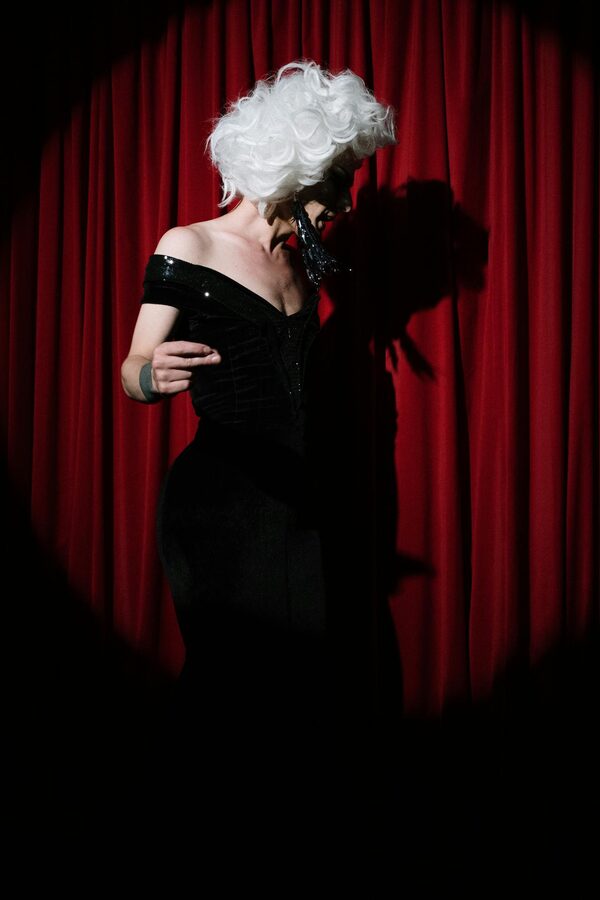
The Crazy Horse — Le Crazy Horse de Paris, officially — is the cabaret that people who think they don’t like cabaret end up loving. Founded in 1951 by Alain Bernardin, it was designed from the start to be different from the traditional Parisian cabaret. No feathered headdresses. No cancan. Instead: precisely choreographed routines that use lighting, projection, and shadow to create something that’s half dance show, half art installation.
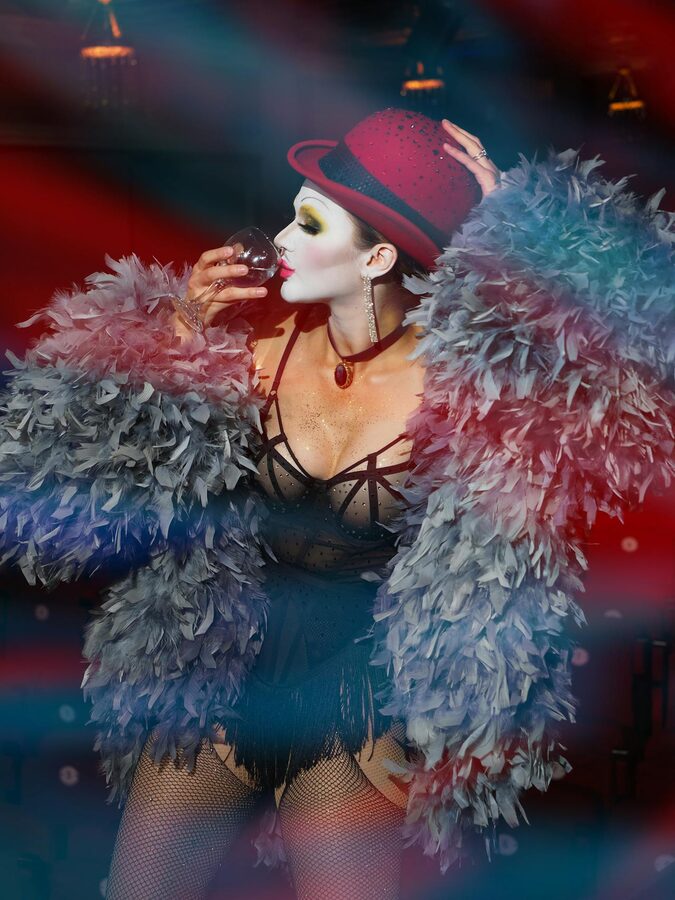
The show runs about 90 minutes and consists of short acts — typically 12-15 individual numbers — with a comedic compère linking them. Some acts are sexy in the traditional sense. Others are genuinely experimental, using projected light, mirrors, and optical tricks to create effects that wouldn’t be out of place at a contemporary art gallery. The venue itself is intimate — just 520 seats — which means even the back row feels close to the action.
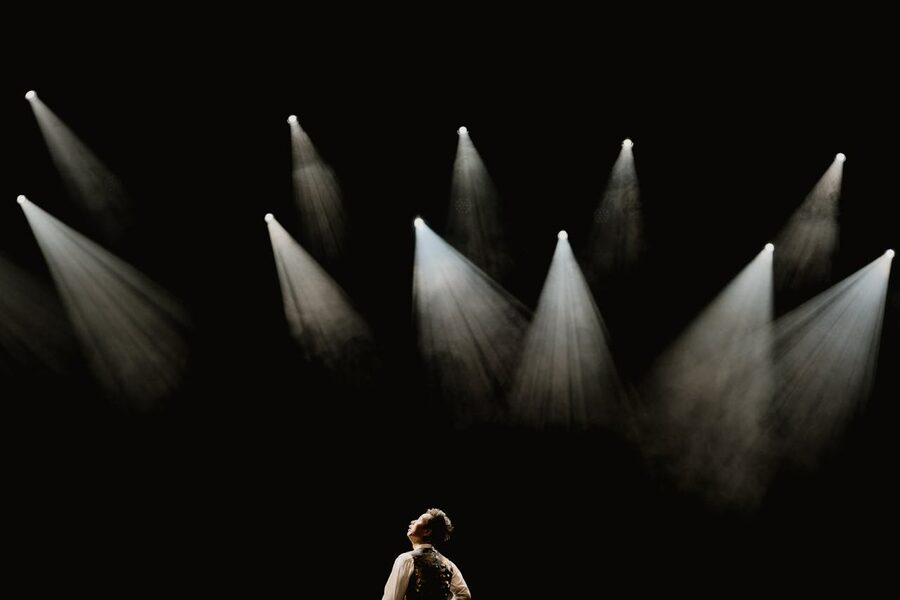
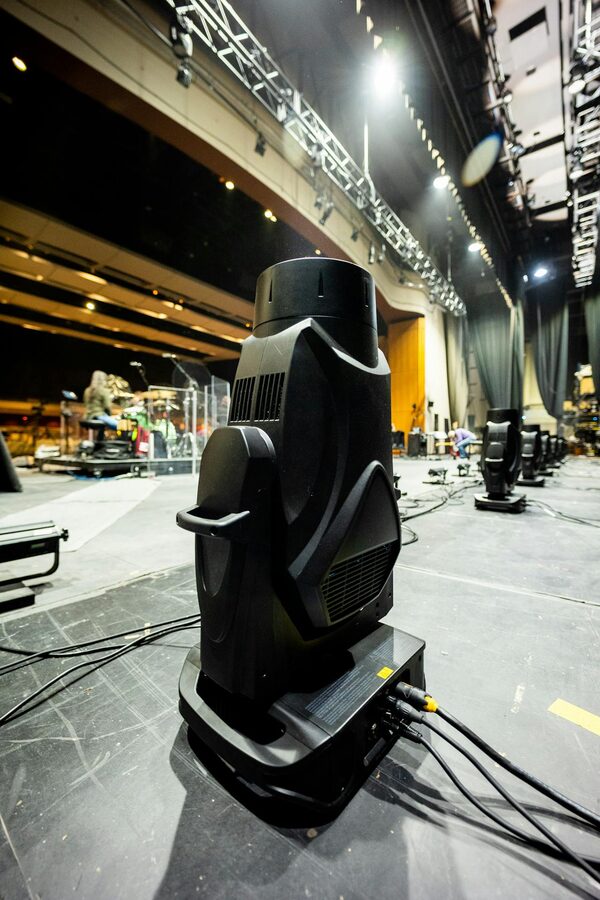
Two ticket options: the show with two drinks ($168) or the show only ($143). Both include the same 90-minute performance. The difference is whether you get champagne or cocktails before and during. The drink option is worth it — arriving early, having champagne at your table, and settling into the atmosphere is part of the experience. Rushing in at curtain-up misses half the point.

Paradis Latin: The Classic Experience
If the Crazy Horse is the modernist, the Paradis Latin is the traditionalist. This is the Parisian cabaret experience that most people picture when they think of Paris: feathers, sequins, acrobats, cancan dancers, a lavish stage set, and a building that was designed by Gustave Eiffel in 1889 (the same year he built that tower). The original venue burned down in the 1800s and Eiffel was commissioned to rebuild it — the iron framework of the theatre is his work.
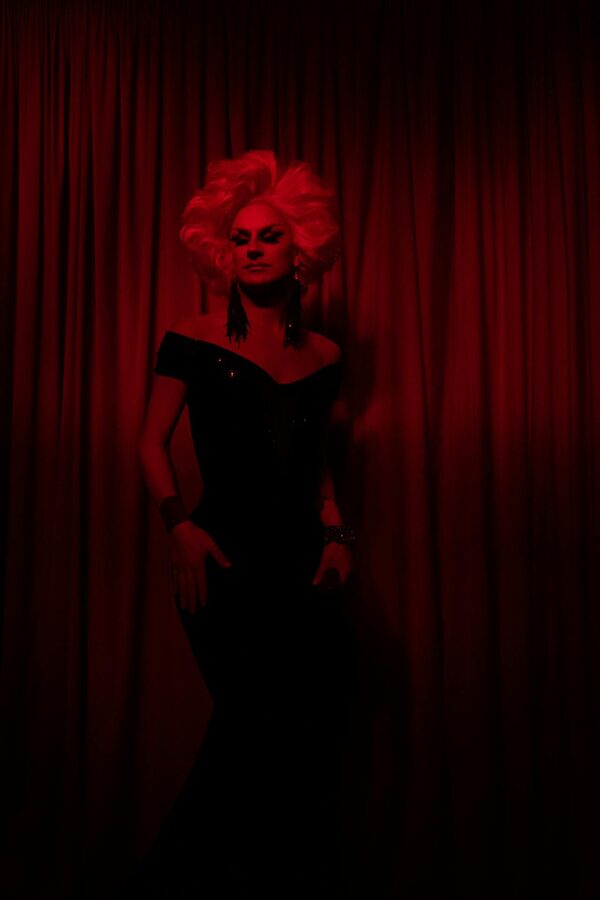
The current show — “L’Oiseau Paradis” — was created by director Kamel Ouali and combines traditional cabaret elements with contemporary dance, circus arts, and theatrical storytelling. It’s less provocative than the Crazy Horse and more family-friendly (by Paris cabaret standards — it’s still a cabaret), which makes it the better choice for mixed groups or visitors who want spectacle without edge.
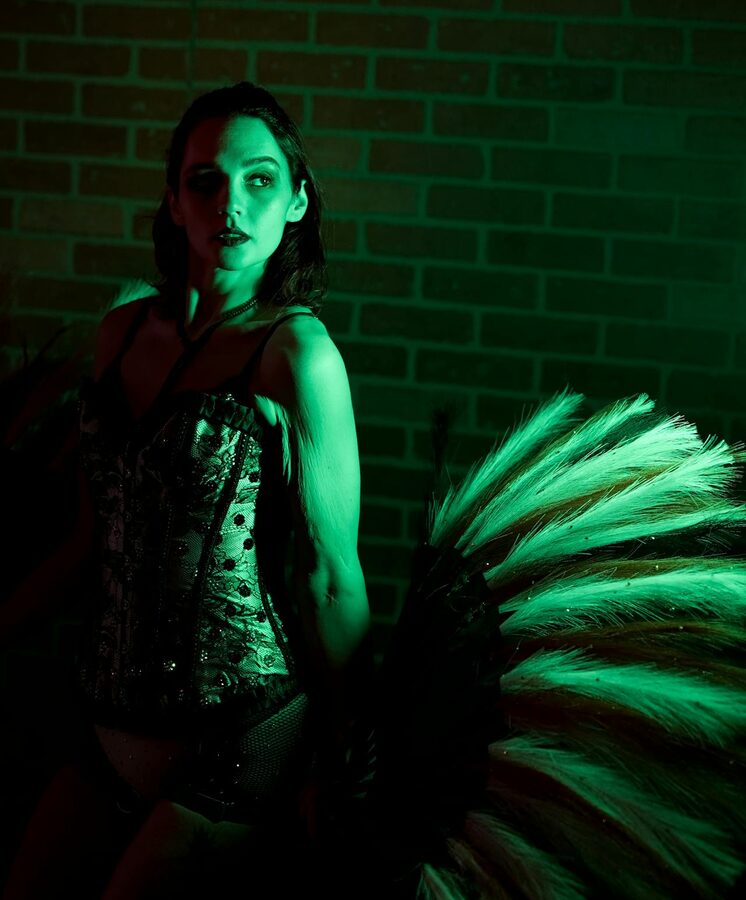
Two main packages: show with champagne ($121) and dinner with show ($217). The dinner option is a full three-course French meal served before and during the performance. It’s a long evening — about 3 hours total — but it’s the complete Parisian cabaret experience: aperitif, dinner, champagne, and a show in a building designed by the man who built the Eiffel Tower. Hard to argue with that.
Crazy Horse vs. Paradis Latin: How to Choose
Choose the Crazy Horse if: You want something artistically ambitious, you appreciate contemporary dance or visual art, you’re comfortable with nudity as art, and you don’t need dinner included. The show is shorter (90 min) and feels more like attending a performance than a “night out.”
Choose the Paradis Latin if: You want the classic Parisian cabaret experience — dinner, champagne, feathers, spectacle — in a historic venue. It’s longer, more traditional, more festive, and works better for groups celebrating something. The Eiffel-designed building adds a layer of architectural history that the Crazy Horse can’t match.
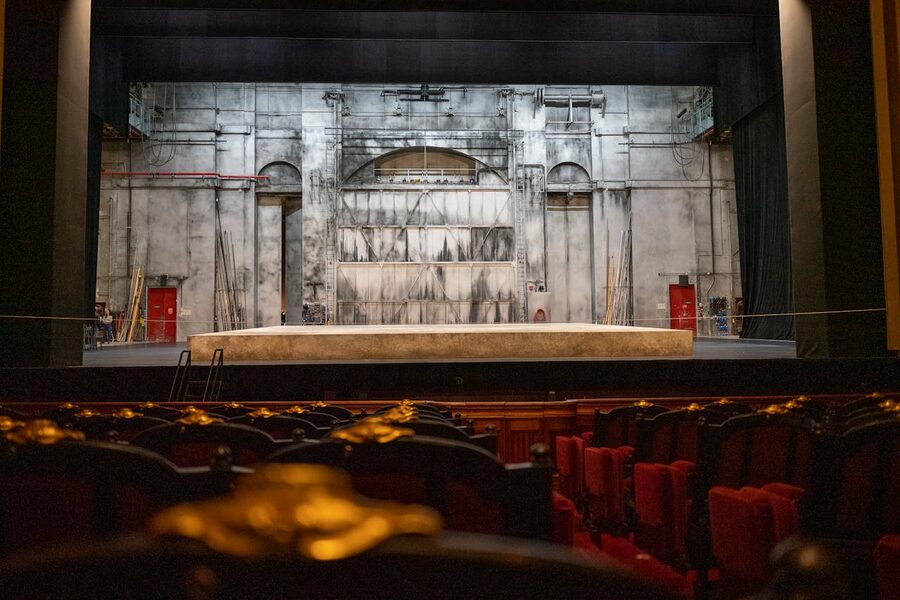
What about the Moulin Rouge? It’s the most famous cabaret in Paris, and the show is solid. But it’s also the most expensive (€100-200+ for show only), the most touristy, and the hardest to get into (book weeks ahead). The Crazy Horse and Paradis Latin offer comparable or better shows at lower prices with easier availability. If the Moulin Rouge is a bucket-list item, go for it. If you want the best cabaret experience-per-euro, look elsewhere.
Best Shows to Book
1. Crazy Horse with Champagne — $168
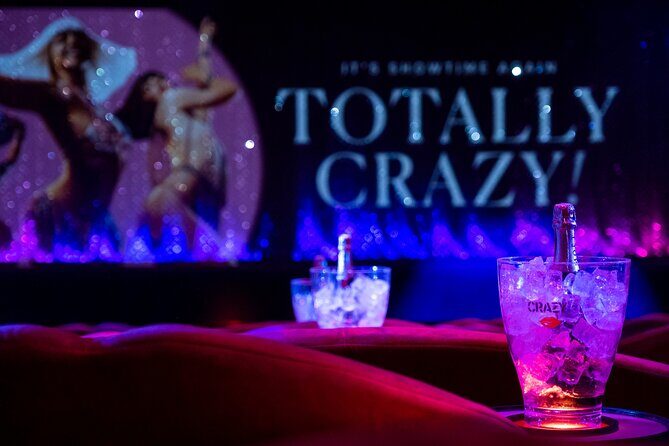
The 90-minute show with two drinks (champagne or cocktail) is the sweet spot. You get the full artistic experience without the three-hour dinner commitment. The Crazy Horse’s unique use of light and choreography makes it unlike any other show in Paris. Our review covers what to expect from each act and whether the show lives up to its reputation as Paris’s most artistically serious cabaret.
2. Paradis Latin with Champagne — $121
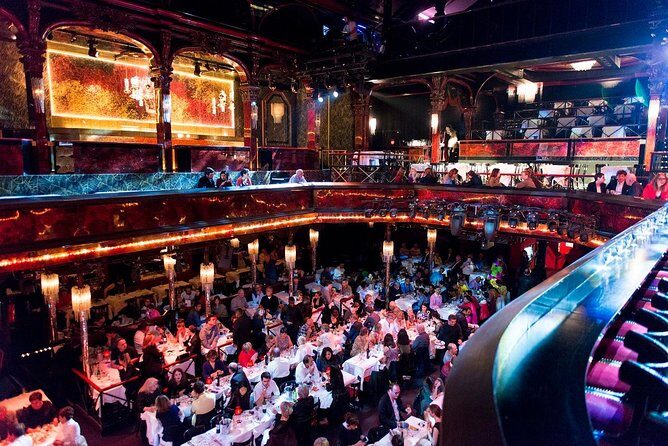
The champagne-only package is the smarter booking for most visitors — the show is 105 minutes and the champagne flows throughout. The traditional cabaret format with modern choreographic touches hits a sweet spot between classic and contemporary. Our review compares the champagne-only and dinner packages and explains which seats have the best sightlines.
3. Paradis Latin Dinner and Show — $217
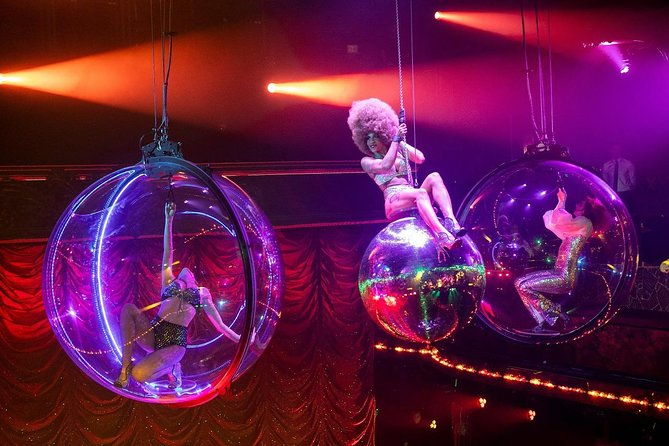
The dinner package turns the evening into an event. Three courses of French cuisine served at your table, with the show unfolding around you as you eat. It’s a longer commitment (3 hours) and a bigger investment ($217) but for a special occasion — anniversary, birthday, honeymoon — it’s the most complete Paris cabaret experience available. Our review covers the menu quality, the wine list, and whether the dinner adds genuine value or just length.
A Brief History of Paris Cabaret
Cabaret as a performance form started in Paris in the 1880s. The Chat Noir in Montmartre, opened in 1881, is generally credited as the first — a nightclub where poets, singers, and comedians performed for a bohemian audience. The Moulin Rouge followed in 1889 and turned cabaret into a mass-market spectacle. By the early 1900s, Paris had hundreds of cabarets, from tiny basement clubs to grand theatrical productions.
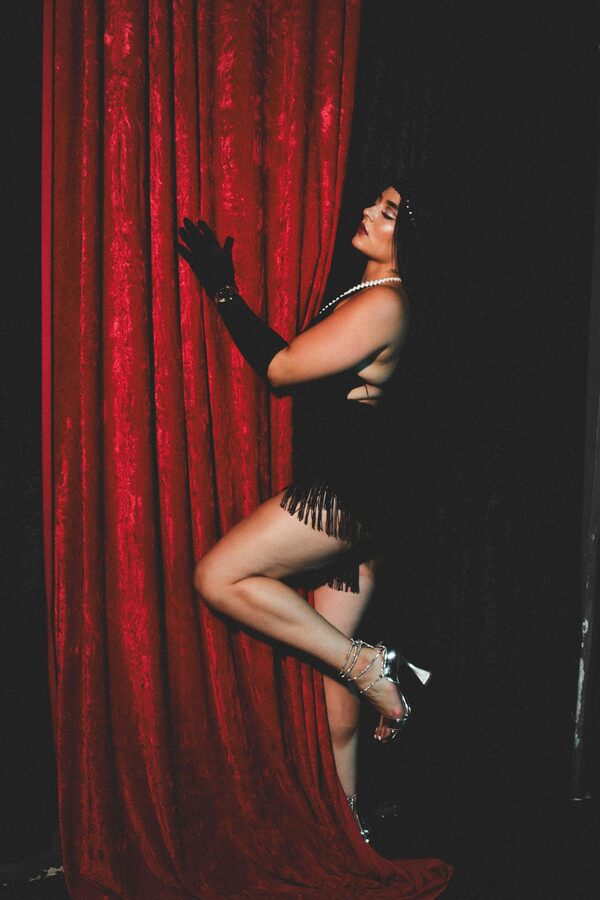
The genre nearly died in the 1970s when disco and nightclubs drew the young audience away. What saved it was reinvention. The Crazy Horse pivoted to artistic nudity as performance art. The Paradis Latin invested in theatrical production values. The Moulin Rouge leaned into tourism. Each found a different audience and a different reason to exist.
Practical Tips
Booking: Book at least a week ahead for weekend shows. Weeknight shows (Tuesday-Thursday) are easier to get and sometimes cheaper. Both venues run shows most evenings — early show around 8pm, late show around 10:30pm where available.

What to Expect as a First-Timer
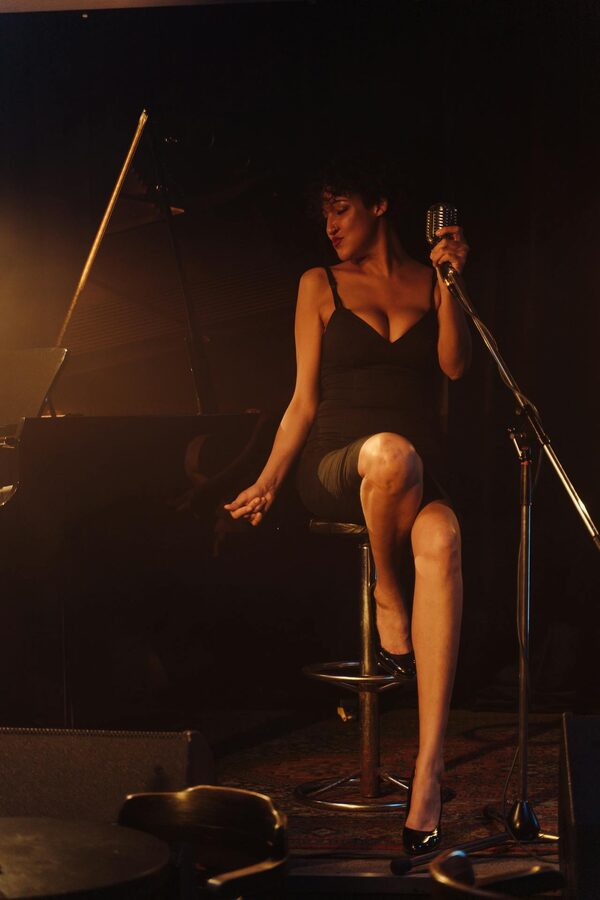
If you’ve never been to a cabaret, here’s what the experience actually involves. You arrive at the venue, check your coat, and are shown to a table (not theatre-style rows — cabaret is table seating with drinks service). You order your champagne or cocktails. The room fills with a mix of travelers, couples celebrating occasions, and the occasional Parisian who still considers cabaret a legitimate night out rather than a tourist attraction.
The lights go down. The compère (MC) welcomes the audience — usually in French and English. Then the acts begin. Each number runs 3-8 minutes with short blackouts between them. The shows at both venues mix dance, acrobatics, comedy, and music. There’s no single narrative — it’s a revue format, a series of standalone acts held together by production values and the compère’s personality.
Yes, there is nudity — this is Paris cabaret. At the Crazy Horse, it’s the central artistic concept. At the Paradis Latin, it’s more traditional topless showgirl style. Neither venue is sleazy. The context is performance, not provocation. If you’re uncomfortable with nudity in a theatre setting, this isn’t for you. If you can separate “nude” from “sexual” (as the French do), you’ll appreciate the artistry.
The show ends, the lights come up, and you spill out into illuminated Paris with champagne in your blood and sequins in your memory. It’s the kind of evening that makes you understand why people keep coming back to this city.
Seating: At the Paradis Latin, ask for a table with a direct stage view when booking — some tables have partially obstructed sightlines. At the Crazy Horse, the intimate venue means even back-row seats are close to the action.
Photography: Flash photography is prohibited during performances at both venues. Some acts allow discreet phone photography without flash. The lighting is designed for the human eye, not for cameras — accept that your photos won’t capture the experience and enjoy it live instead.
Locations: The Crazy Horse is at 12 Avenue George V, 8th arrondissement (Métro: Alma-Marceau or George V). The Paradis Latin is at 28 Rue du Cardinal Lemoine, 5th arrondissement (Métro: Cardinal Lemoine or Jussieu). Neither is in a dangerous area — both are in well-lit, tourist-friendly parts of the city.
Budget: Show + champagne runs $121-168. Dinner + show runs $217. Add taxis or Uber (about €10-15 each way from central Paris hotels). Total cost for a cabaret evening: roughly $150-250 per person. It’s not cheap, but it’s a once-in-a-trip experience, not a weekly outing.
More Paris Evenings
If cabaret whets your appetite for Paris nightlife, the night and ghost tours offer a completely different kind of evening — dark history instead of bright lights. The wine tasting classes make a great pre-show activity if you’re doing the late cabaret — taste wine at 6pm, dinner at 8pm, show at 10:30pm. And if the musical element of cabaret appeals, the Opera Garnier takes Paris performance tradition to its most ornate extreme — different genre, same city obsession with putting on a show.