
Exploring the shadows of Paris’s past, this captivating tour takes visitors on a poignant journey through the city’s tumultuous wartime experience. Walking in the footsteps of its citizens, participants uncover the harrowing realities faced by the Jewish community and the broader societal impact of the Vichy regime. From significant sites to personal stories, the tour offers a profound understanding of this pivotal period, shedding light on the resilience of the Parisian people in the face of oppression. With insights into the city’s liberation, this immersive experience promises to leave a lasting impression.
- Key Points
- Tour Overview and Details
- Itinerary and Meeting Point
- Historical Context
- The Jewish Experience
- Stories of Ordinary People
- Economic Collaboration
- Cultural Life
- The Liberation of Paris
- Frequently Asked Questions
- Can I Take Photographs During the Tour?
- Is the Tour Suitable for Children?
- What Is the Dress Code for the Tour?
- Can I Bring Food or Drinks on the Tour?
- Do the Tour Guides Accept Tips?
- The Sum Up
- More Hiking & Trekking Tours in Paris
- More Walking Tours in Paris
- More Tour Reviews in Paris
- Still browsing? Here are more Paris experiences we've covered recently
Key Points
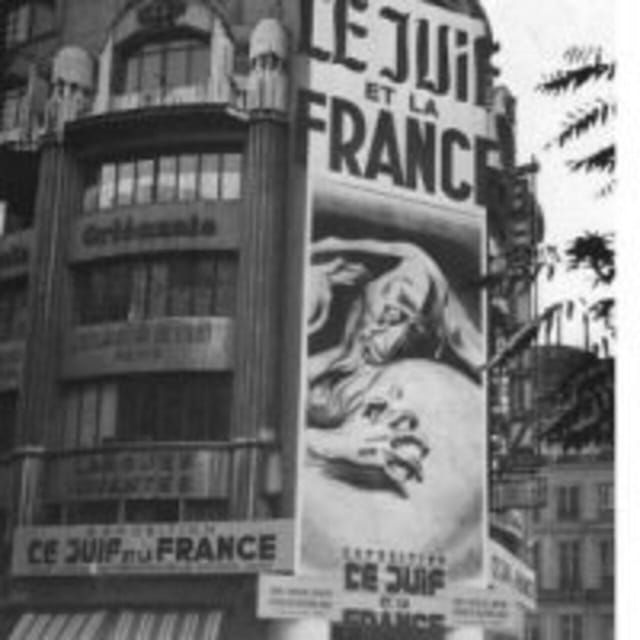
- The tour provides an in-depth exploration of Paris during the German occupation from 1940 to 1944, focusing on the Jewish experience and ordinary people’s stories.
- The 2.5-hour guided walking tour starts at the Grands Boulevards neighborhood and ends at the iconic Place de la Concorde, covering significant historical sites.
- Participants will gain insights into the French defeat, the collaborationist Vichy regime, and the economic and cultural dynamics of the occupation period.
- The tour highlights the harsh status laws and devastating deportations targeting the Jewish community, as well as their struggles and resilience under Nazi rule.
- The tour also examines the economic collaboration between French businesses and the German regime, as well as the cultural institutions that remained open during the occupation.
Tour Overview and Details
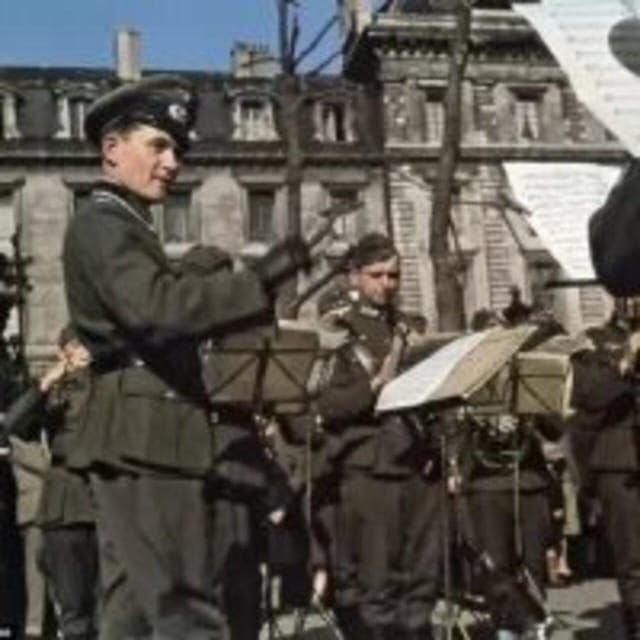
The Paris: A Walk Through History (1940-1944) tour is priced from Kč 2,249 per person and lasts approximately 2.5 hours.
Explore Paris during the German Occupation with this 2.5-hour walk through history, priced from Kč 2,249 per person.
The tour is led in English and is wheelchair accessible. Visitors can cancel up to 24 hours in advance for a full refund.
Booking is available with a "reserve now, pay later" option. The tour starts at the front of the Holiday Inn Hotel, near the Grands Boulevards metro station.
It concludes at the iconic Place de la Concorde. Itineraries may be subject to change, allowing for a dynamic and immersive exploration of Paris during the German Occupation.
Fascinated by the past? Here are other historical experiences we've covered in Paris
Itinerary and Meeting Point
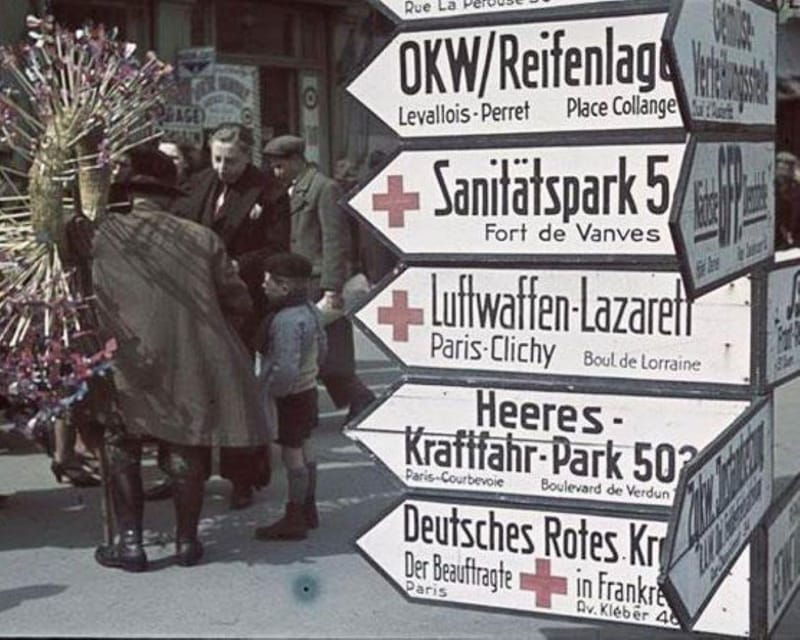
This tour begins at 32 Bd Poissonnière, in the Grands Boulevards neighborhood.
The meeting point is in front of the Holiday Inn Hotel, at the exit number 1 of the Grands Boulevards metro station (lines 8 & 9).
From there, you’ll explore Paris during the German Occupation, ending at the iconic Place de la Concorde.
The itinerary is subject to change, but you can expect to visit sites related to the Jewish experience, ordinary people’s stories, economic collaboration, and cultural life under Nazi rule.
The tour culminates with insights into the liberation of Paris in 1944.
Historical Context
Though the tour focuses on Paris during the German Occupation from 1940 to 1944, it also provides an overview of the historical and political circumstances leading up to World War II.
Guests will learn about the French defeat and the subsequent armistice conditions that divided the country.
They’ll explore how this led to the German Occupation and the creation of the collaborationist Vichy regime.
This historical context sets the stage for understanding the Jewish experience, the lives of ordinary Parisians, and the complex economic and cultural dynamics that unfolded during this tumultuous period in French history.
The Jewish Experience
As visitors explore the Jewish experience during the German Occupation, they’ll visit a local school and synagogue.
Here, they’ll learn about the harsh status laws that stripped Jews of their rights and citizenship.
The tour discusses the devastating deportations that saw thousands of Jews sent to concentration camps.
Guides share stories of ordinary Jewish people – their daily struggles, fear, and heartbreak under Nazi rule.
Visitors gain a deeper understanding of the Jewish community’s immense suffering and resilience during this dark period in Paris’s history.
More Great Tours NearbyStories of Ordinary People
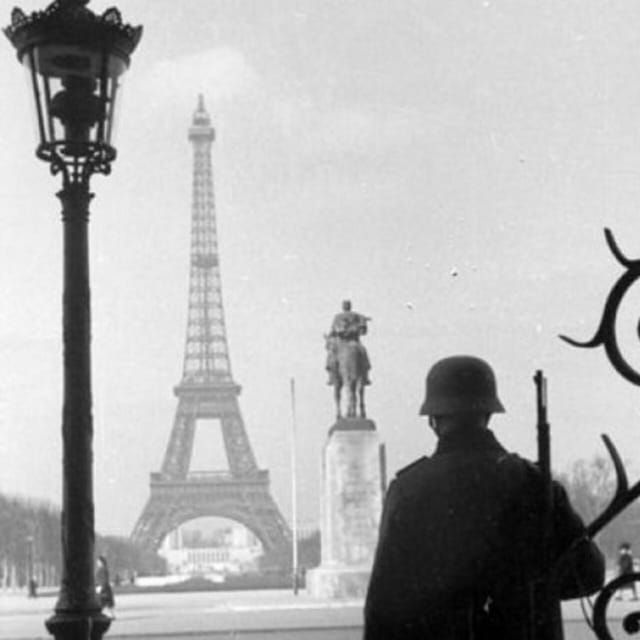
Beyond the stories of the Jewish community, the tour also explores the lives of political opponents, deported Jews, and ordinary citizens who endured the German Occupation.
You’ll hear how some Parisians risked their lives to hide refugees and distribute anti-Nazi pamphlets. Others faced deportation to concentration camps for their perceived "undesirable" status.
The tour provides a window into the daily struggles and small acts of defiance that characterized life under the Nazi regime.
Into exploring Paris on foot? Check out these other walking experiences we've looked at
- Paris Montmartre Walking Tour Best Art Culture and Food
- Paris Walking Food Tour With Secret Food Tours
- Paris Île De La Cité and Notre Dame Walking Tour With Crypt
- Versailles Château and Gardens Walking Tour From Paris by Train
- Paris Top Sights Half Day Walking Tour With a Fun Guide
- Montmartre Hill French Gourmet Food and Wine Tasting Walking Tour
Economic Collaboration
While the occupation brought immense suffering, it also provided opportunities for economic collaboration between French businesses and the German regime.
Luxury shops, in particular, thrived under the new management. Eager to cater to the tastes of their German overlords, these establishments stocked their shelves with the finest goods.
Luxury shops thrived under new German management, catering to the tastes of their overlords with the finest goods.
Some even turned a blind eye to the looting of Jewish-owned stores, profiting from the misery of their fellow citizens.
This economic collaboration, though morally questionable, allowed certain businesses to survive and even prosper during the dark years of the Occupation.
Cultural Life
Alongside the economic collaboration, cultural life in Paris during the German occupation took on a complex and often conflicting character. Theaters, cinemas, and music halls remained open, showcasing both Nazi propaganda and French resistance.
Citizens sought distraction from the hardships of daily life, while the regime exploited cultural institutions for its political ends. The Opéra Garnier, for instance, hosted lavish productions that celebrated Aryan supremacy.
Yet, the city’s artistic community also found subtle ways to express dissent, demonstrating the resilience of Parisian culture even under the shadow of occupation.
The Liberation of Paris
As the city’s residents endured the hardships of occupation, the liberation of Paris in August 1944 marked a pivotal moment in the city’s journey towards freedom.
After years of German control, the city erupted in celebration as Allied forces arrived. Parisians filled the streets, waving flags and cheering, eager to reclaim their beloved city.
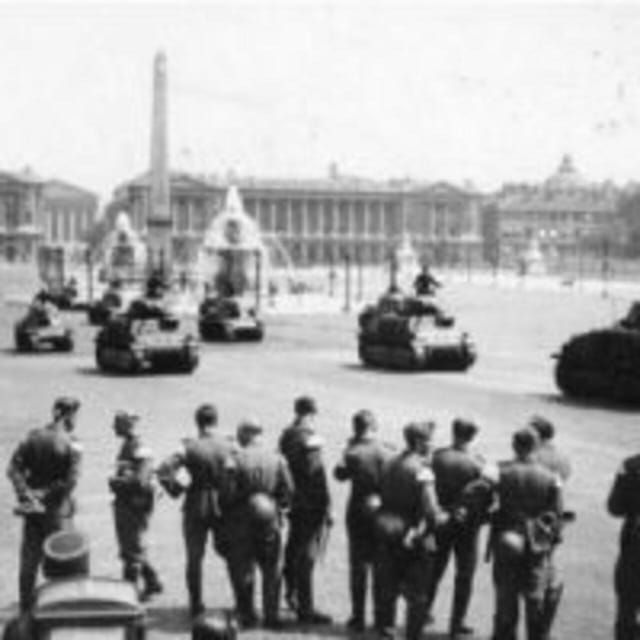
The tour concludes at the historic Place de la Concorde, where visitors can reflect on the stories of resistance, triumph, and resilience that defined this critical period.
The historic Place de la Concorde invites visitors to reflect on Paris’s defiant spirit during its liberation from Nazi occupation.
Through powerful imagery and firsthand accounts, the tour provides a poignant and compelling look at Paris’s emancipation from Nazi rule.
Frequently Asked Questions
Can I Take Photographs During the Tour?
Yes, participants can take photographs during the tour. The guide typically encourages guests to capture their experience and the historical sites visited. Just be mindful not to disrupt the group or disturb other guests.
Is the Tour Suitable for Children?
The tour may not be suitable for young children. It covers sensitive historical topics related to the German occupation of Paris during World War II. Parents should use discretion when deciding if the content is appropriate for their children.
What Is the Dress Code for the Tour?
There is no specific dress code for the tour. Participants are advised to wear comfortable walking shoes and dress for the weather, as the tour involves approximately 2.5 hours of walking around Paris.
Can I Bring Food or Drinks on the Tour?
The tour generally allows participants to bring food and drinks with them. However, it’s recommended to avoid consuming anything that may be disruptive or messy during the walking tour. Staying hydrated and having a light snack is usually fine.
Do the Tour Guides Accept Tips?
Tour guides generally appreciate tips as a way to recognize their expertise and effort. While tipping is optional, it’s a thoughtful way to show your satisfaction with the tour experience.
The Sum Up
The "Paris: A Walk Through History (1940-1944)" tour offers a poignant and insightful exploration of the city’s wartime experiences. Through visits to significant sites and personal stories, participants gain a profound understanding of the struggles and resilience of Parisians during the German occupation. This tour provides a moving and thought-provoking lens into a pivotal chapter of history, leaving a lasting impact on all who embark on this journey.
You can check availability for your dates here:More Hiking & Trekking Tours in Paris
More Walking Tours in Paris
- Central Paris Highlights Walking Tour
- Paris Notre Dame Cathedral & lle de la Cite Walking Tour
- Paris Half Day Private Customized Walking Tour, Transport Options
- Hiking Adventure in Van Gogh’s Footsteps with 6 miles walk
- Paris Walking Tour with a Local Guide: Private & 100% Personalized
- Hidden Paris: Discover Medieval Marais on a Walking Tour
More Tour Reviews in Paris
- Guimet Museum: Guided Tour of the Religions of the Indian World Ticket Included
- Paris: Complete Historical & Cultural Immersion (2 Days)
- Paris Day Trip with Eurostar and Hop-On Hop-Off Bus
- Paris Montmartre & Sacre Coeur Semi-Private Guided Tour 12pp
- Europe: Train of Thoughts A Philosophical Journey on Rails
- Paris: Immersive Fine Dining Meets Art in an Ancient Cinema
Still browsing? Here are more Paris experiences we've covered recently
- Guimet Museum: Guided Tour of the Religions of the Indian World Ticket Included
- Which Paris Workshops & Classes To Choose? We Rank The 14 Best
- The 11 Most Popular Full-Day Tours In Paris
- Paris’s 14 Best Wine Tours: Which To Choose?
- Which Paris Historical Tours To Choose? Our Best 14 Picks
- Paris’s 14 Top Tours (With Prices)
- Our 14 Favorite Paris Tours & Experiences
- The 14 Best Walking Tours In Paris
- Paris’s 10 Top Lunch Experiences (With Prices)
- 7 Best Cooking Classes In Paris
- The 8 Best Drinking Tours In Paris
- Our 5 Favorite Paris Shopping & Market Tours