
If you’re planning a trip to Louisiana, the Laura Creole Plantation guided tour offers a compelling glimpse into the region’s complex history and vibrant culture. This 75-minute experience takes you through a beautifully restored 1805 main house, lush gardens, and the original 1840s slave cabins—fascinating spots that bring Louisiana’s past vividly to life.
What makes this tour stand out? We love the way it balances the grandeur of the plantation with honest stories about the enslaved community, the personal touch of guides like Renee and Lindie, and the chance to see historic architecture and gardens firsthand. Plus, the inclusion of authentic narratives sourced from family memoirs and archival documents adds depth that many tours lack.
One consideration: the tour involves walking both indoors and outdoors, including climbing 15 steps without an elevator, so it’s best suited for those comfortable with some physical activity. This experience is perfect for history enthusiasts, culture buffs, and anyone interested in the real stories behind Louisiana’s sugar plantations—especially those eager to learn about Creole heritage from a local perspective.
- Key Points
- An In-Depth Look at the Laura Creole Plantation Tour
- What to Expect and Why It Matters
- Personal Stories, Guided by Passion
- The Museum and Slavery Exhibit
- Pricing and Value
- Accessibility and Practical Considerations
- Authenticity and Emotional Impact
- Why It Resonates
- The Sum Up
- FAQ
- More Guided Tours in Laura Plantation
- More Tours in Laura Plantation
- More Tour Reviews in Laura Plantation
Key Points
- Authentic storytelling from guides who share personal and family histories.
- Historic architecture and gardens offer a picturesque backdrop to Louisiana’s past.
- Focus on enslaved communities provides an honest, respectful narrative of plantation life.
- Guided tours in English and French cater to diverse visitors.
- Valuable museum exhibit enhances understanding of slavery’s legacy on the plantation.
- Affordable price point for a comprehensive, 75-minute experience.
An In-Depth Look at the Laura Creole Plantation Tour
Looking for more options in Laura Plantation? We've reviewed plenty of other experiences.
What to Expect and Why It Matters
The Laura Plantation tour is a walk through time, blending architectural beauty with poignant storytelling. It starts with check-in at the gift shop, where you’ll be greeted by your guide—often a passionate local like Renee or Lindie—who brings energy and insight to every aspect of the site.
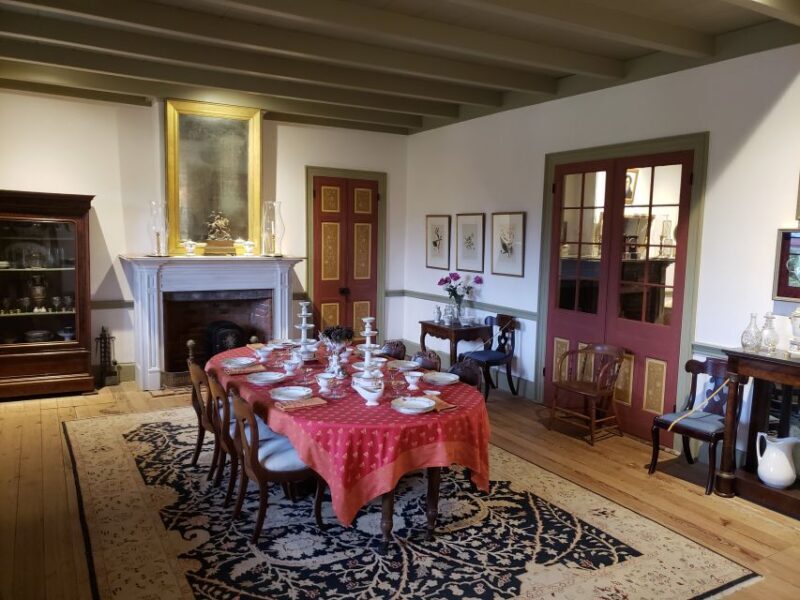
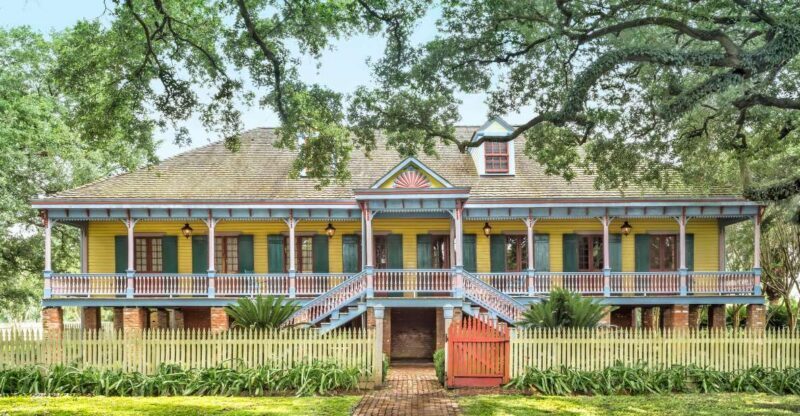
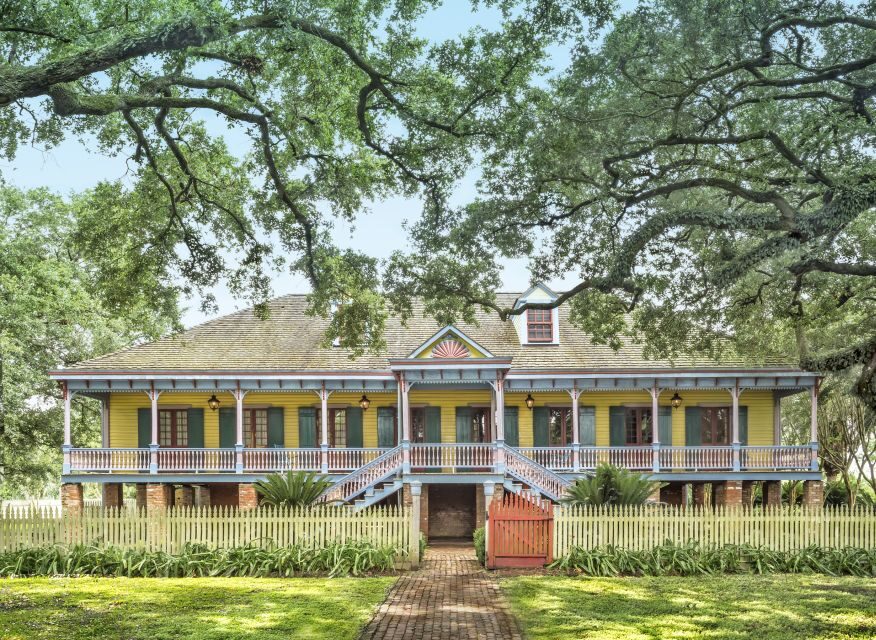
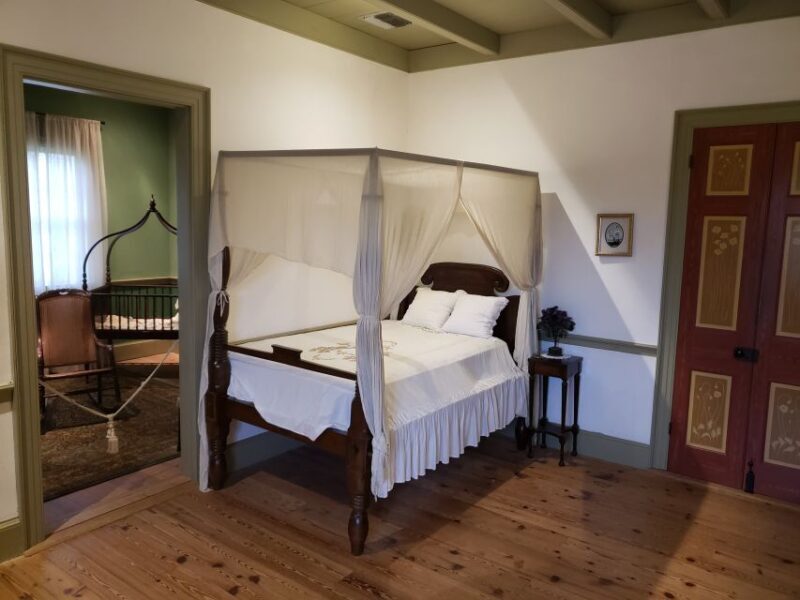
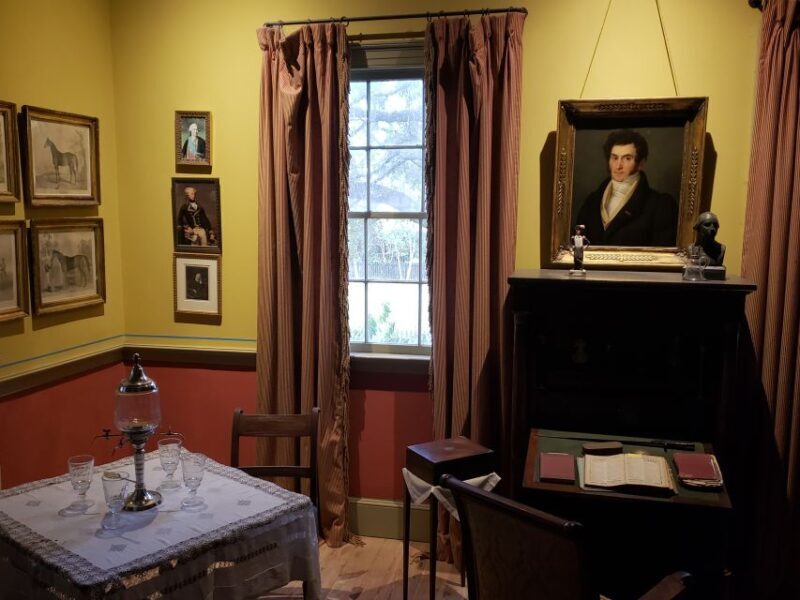
The Main House (1805 “Maison Principale”) is the star attraction. Restored to reflect the time when it served as both a family home and plantation office, the house offers a peek into Creole lifestyles. Visitors are invited to explore its raised basement, galleries, and various parlors—each room telling its own story. The guides often share personal anecdotes and historical context, making it more than just a tour of old walls. One reviewer praised Kristen for her thorough knowledge and engaging storytelling, which kept the group captivated.
Gardens and Grounds reveal the plantation’s agricultural past. You’ll wander through three distinct gardens: the Jardin Français, the kitchen potager, and BananaLand grove. These spaces aren’t just pretty—they are a vital part of understanding plantation life and the varieties of crops cultivated here. The gardens also serve as a visual reminder of the plantation’s productive past, especially the sugar cultivation that built the estate.
The Slave Cabins (1840s) provide a stark contrast to the grandeur of the main house. These original structures are crucial for understanding the day-to-day reality of the enslaved community. Despite their modest size, they tell stories of resilience, hardship, and community. Several reviews highlight how powerful it is to walk through these cabins and hear heartfelt stories supported by historical documents and family memoirs.
The Grounds and Outbuildings include twelve structures on the National Register of Historic Places. Visitors get to see animal barns, overseers’ cottages, and the 1829 Maison de Reprise, giving a full picture of plantation life. This helps contextualize the social hierarchy and economic operation of such estates.
Personal Stories, Guided by Passion
One of the salient features of this tour is its commitment to authentic storytelling. The guides—like James, who was praised for his depth of knowledge—share stories of four generations of Creole families, combining facts with personal touches. Their narratives are based on handwritten memoirs and archival sources from both the U.S. and France, giving the stories emotional depth and credibility.
According to reviews, guides often speak multiple languages, including French, adding an extra layer of authenticity and accessibility. Lindie, for instance, was noted for her passion and her ability to connect with the group, even speaking French to a tour participant. This multilingual aspect can be especially meaningful for visitors with French heritage or those wanting a richer cultural experience.
The Museum and Slavery Exhibit
Post-tour, visitors are encouraged to explore the onsite museum exhibit, “From the Big House to the Quarters,” which is dedicated to telling the true story of the enslaved community on the plantation. This exhibit is a vital addition, as Laura Plantation was the first in Louisiana to include such stories as part of its core tour. It broadens understanding, emphasizing the human stories often overlooked in traditional plantation tours.
Visitors have found this exhibit to be both educational and moving. For many, it’s a stark reminder of the legacy of slavery that shaped Louisiana’s history and culture. The exhibit complements the guided tour by providing detailed narratives and personal accounts, making it an invaluable component of the experience.
More Great Tours NearbyPricing and Value
At $30 per person, the Laura Creole Plantation tour offers impressive value for such a layered experience. For just over an hour, you get guided access to historic buildings, gardens, and a museum, plus the opportunity to learn from passionate guides. Considering the depth of storytelling, the quality of restoration, and the focus on authentic history, this fee aligns well with the value.
While it doesn’t include transportation or food, the tour’s location on the West bank of the Mississippi and free parking make logistics straightforward. For travelers staying in New Orleans, this tour is a manageable, enriching day-trip option.
Accessibility and Practical Considerations
The tour requires walking both indoors and outdoors, with some steps to access the main house. There’s no elevator, so it may not be suitable for visitors with mobility issues. Weather can influence the experience, so bringing an umbrella is recommended, but the tour takes place rain or shine.
Guides speak both English and French, and written translations are available in several languages, broadening accessibility. The group sizes tend to be manageable, allowing for questions and personal interaction.
Authenticity and Emotional Impact
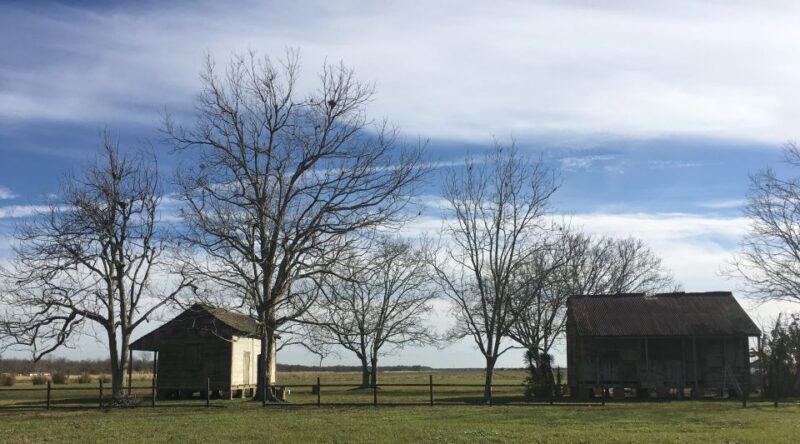
What truly elevates this tour is its unwavering commitment to truth. The stories shared are sourced from family memoirs and archival records, giving voices to those often silenced. Visitors consistently mention how moving it is to walk through the slave cabins and hear stories of resilience and hardship.
One reviewer praised their guide, Lindie, for her passion and conversational style, which made complex histories accessible and engaging. Others appreciated how the tour balanced the grandeur of the main house with the somber realities of slavery, providing a well-rounded perspective.
Why It Resonates
Many visitors have noted how these personal stories make history tangible. For some, the experience has been eye-opening, especially when walking through the slave quarters and hearing about the lives of those who lived there. The emotional impact is heightened by the guides’ careful storytelling and respectful approach.
The Sum Up
The Laura Creole Plantation guided tour offers a well-rounded, authentic look into Louisiana’s Creole heritage and plantation history. It combines stunning architecture, lush gardens, and honest narratives about the enslaved community, all delivered by passionate guides.
This experience is ideal for history lovers, Culture enthusiasts, and those wanting to understand the complexities of Louisiana’s past beyond the surface. Its accessible price point and thoughtful storytelling make it a compelling choice for a meaningful day trip from New Orleans.
While not suitable for those unable to manage outdoor walking or stairs, the tour’s depth and authenticity make it a standout. It’s a chance to learn, reflect, and gain a deeper appreciation for Louisiana’s rich and sometimes difficult history.
FAQ
How long is the tour?
The guided tour lasts approximately 75 minutes, providing a detailed look at the house, gardens, and slave cabins.
Is transportation included?
No, transportation and hotel pickup are not included. The tour begins at the admissions window inside the gift store, with free parking available.
Can I visit in the rain?
Yes, the tour takes place rain or shine. You might want to bring an umbrella for outdoor parts, but the experience continues regardless of weather.
Is the tour suitable for children?
The experience is not recommended for children under 12, mainly because of the walking, steps, and the serious nature of the stories.
Are guides available in languages other than English?
Yes, guides can speak French, and written translations are available in French, Spanish, Italian, and German.
Does the tour include a museum?
Yes, after the guided tour, you can explore a permanent exhibit “From the Big House to the Quarters” at your own pace.
What should I wear?
Comfortable shoes are advised due to indoor and outdoor walking, and an umbrella is recommended for rain.
In summary, the Laura Creole Plantation guided tour offers a thoughtful, insightful, and beautifully presented look at Louisiana’s Creole heritage. It’s a tour that respects history, educates, and moves visitors—an experience well worth the modest price.
You can check availability for your dates here: