
The new exhibition "Maleficia: Inquisition, Torture and Witchcraft Between the Centuries" at Prisons Palace in Venice offers a sobering glimpse into the darker chapters of European history. Through carefully curated artifacts and documents, the display explores the brutal methods employed by the Inquisition to root out perceived heresy and witchcraft, shedding light on the consequences of religious intolerance. Visitors are invited to confront the realities of this period, raising crucial questions about the societal impacts of fear and persecution.
- Key Points
- Delving Into the Dark History of the Inquisition
- Exploring the Persecution of Witchcraft in the Serenissima
- Confronting the Instruments of Torture and Justice
- Understanding the Legacy of Giacomo Casanova’s Brush With the Occult
- Frequently Asked Questions
- Is the Exhibition Suitable for Children Under 12 Years Old?
- Can Visitors Take Photographs Inside the Exhibition?
- Is There a Coat Check or Storage Area Available On-Site?
- Do the Guided Tours Offer Audio Translations in Multiple Languages?
- How Long Does the Average Visitor Spend Exploring the Exhibition?
- The Sum Up
- More Workshops & Classes in Venice
- More Tour Reviews in Venice
- Still browsing? Here are more Venice experiences we've covered recently
Key Points
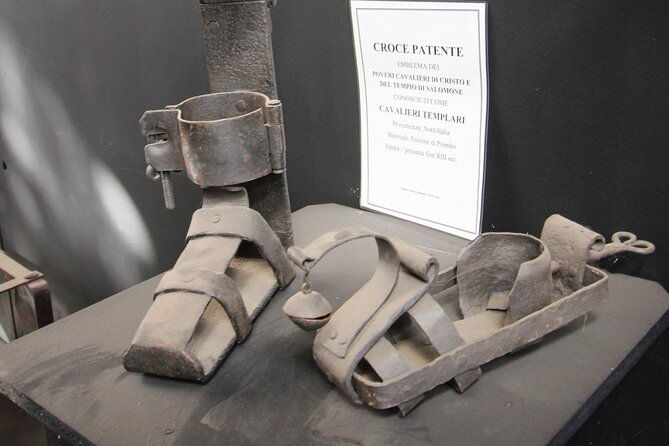
- The exhibition "Maleficia: Inquisition, Torture and Witchcraft" at the Prisons Palace in Venice covers the dark history of religious persecution from the 15th to 18th centuries.
- The exhibition highlights the Inquisition’s impact on the Serenissima Republic of Venice, where authorities actively sought to root out suspected witches through superstition and hysteria.
- The exhibition displays a harrowing collection of instruments used for torture, including iron maidens, racks, and thumbscrews, reflecting on the historical significance of these tools in the context of injustice.
- The exhibition features the legacy of Giacomo Casanova, who faced trouble with the Holy Office in 18th century Venice, highlighting the intense scrutiny of influential figures during the Inquisition.
- The exhibition underscores the themes of intolerance and injustice during the Inquisition, aiming to educate visitors on the importance of understanding history to prevent repetition of such atrocities.
Delving Into the Dark History of the Inquisition
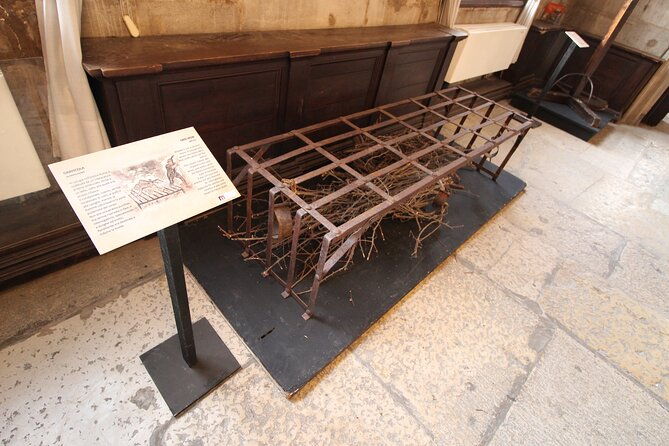
The exhibition "Maleficia: Inquisition, Torture and Witchcraft" at the Prisons Palace in Venice, Italy, offers visitors a profound and unsettling exploration of the dark history of the Inquisition.
Spanning the 15th to 18th centuries, the Inquisition was a period of intense religious persecution and the suppression of perceived heresy.
Visitors can examine original artifacts, documents, and instruments of torture used to extract confessions from those accused of witchcraft and other crimes against the Catholic Church.
The exhibition encourages reflection on the suffering of the condemned and the historical significance of this notorious era of intolerance and injustice.
Looking for more options in Venice? We've reviewed plenty of other experiences.
Exploring the Persecution of Witchcraft in the Serenissima
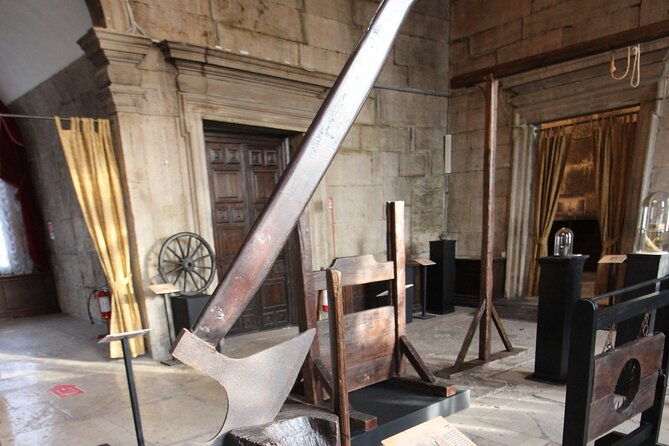
Alongside the Inquisition’s impact, the exhibition also sheds light on the persecution of witchcraft within the Serenissima Republic of Venice.
The Venetian authorities were equally zealous in rooting out suspected witches, drawing on superstitions and hysteria. Artifacts and documents reveal the brutal interrogation and torture methods used to extract confessions.
Visitors can examine tools of the trade, from thumbscrews to iron maidens. The exhibition underscores how the fear of the occult gripped the Republic, leading to the suffering and execution of many accused.
It serves as a sobering reminder of the dark consequences of unchecked suspicion and intolerance.
Confronting the Instruments of Torture and Justice
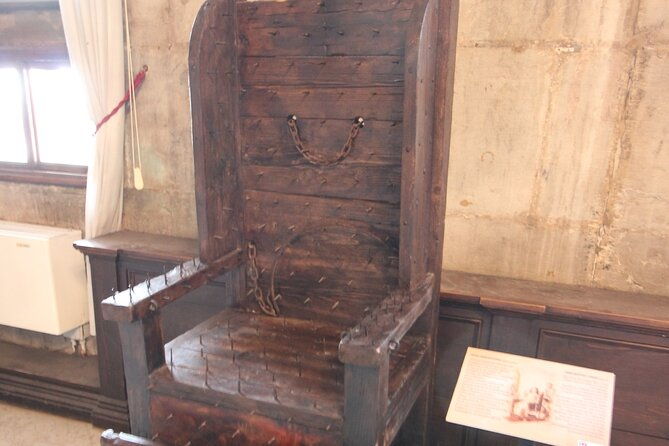
Visitors to the exhibition are confronted with a harrowing display of instruments used for torture and meting out justice during the Inquisition.
Iron maidens, racks, and thumb screws stand as grim reminders of the suffering inflicted upon accused witches and heretics.
Original documents from the Holy Office detail the horrific interrogation techniques employed to extract confessions.
The exhibition invites visitors to reflect on the historical significance of these tools and the inherent injustice of the persecutions.
Multilingual information signs provide deeper context, allowing for a more enriched understanding of this dark chapter in European history.
Understanding the Legacy of Giacomo Casanova’s Brush With the Occult
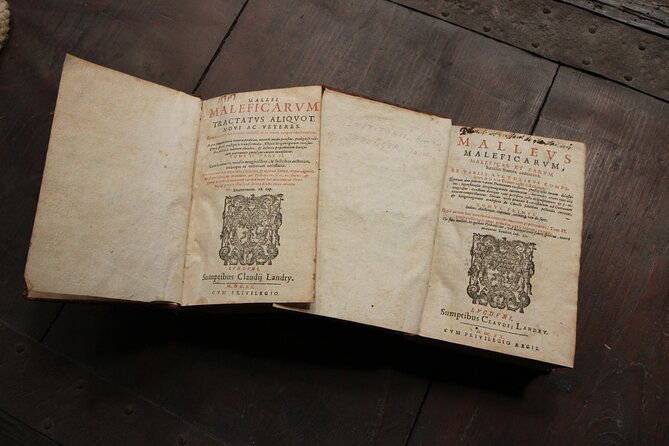
Giacomo Casanova, the renowned Venetian adventurer and writer, makes a prominent appearance in the exhibition’s exploration of the Inquisition’s persecution of those accused of witchcraft.
Casanova’s alleged involvement with the occult landed him in trouble with the Holy Office in 18th century Venice. Visitors can examine first-hand documents and accounts detailing the Inquisition’s interrogation of Casanova, shedding light on the era’s intense scrutiny of those perceived as threats to religious orthodoxy.
The exhibition invites reflection on how influential figures like Casanova navigated the perilous climate of the Inquisition and the lasting impact of these historical events.
Frequently Asked Questions
Is the Exhibition Suitable for Children Under 12 Years Old?
The exhibition is not recommended for children under 12 years old due to the sensitive and disturbing nature of the content involving the Inquisition, torture, and witchcraft persecution. It may be unsuitable for young audiences.
Can Visitors Take Photographs Inside the Exhibition?
Visitors are generally not permitted to take photographs inside the Maleficia exhibition. The museum aims to preserve the solemnity of the experience and protect the integrity of the sensitive historical artifacts and documents on display.
Is There a Coat Check or Storage Area Available On-Site?
The exhibition does not provide a dedicated coat check or storage area on-site. Visitors are advised to minimize personal belongings and keep valuables with them throughout the tour for safekeeping.
Do the Guided Tours Offer Audio Translations in Multiple Languages?
The guided tours offer multilingual audio translations to enhance the visitor experience and provide deeper context on the historical content. Audio guides in multiple languages are available for an enriched understanding of the exhibition.
How Long Does the Average Visitor Spend Exploring the Exhibition?
The average visitor spends approximately 1-2 hours exploring the exhibition, according to visitor feedback. The duration may vary depending on individual interest and the level of engagement with the guided tour and multimedia elements provided.
The Sum Up
The "Maleficia" exhibition at the Prisons Palace in Venice offers a sobering glimpse into the Inquisition’s brutal tactics and the persecution of alleged witchcraft. Through its stark display of artifacts and instruments, the exhibition urges visitors to reflect on the consequences of intolerance and the lasting impact of historical injustices. It serves as a powerful reminder of the importance of upholding human rights and maintaining a just society.
More Workshops & Classes in Venice
- Venice: Watercolor Workshop with the Art Circle Artists
- Rialto: Market Tour with Hands-on Cooking Class, Wine & Tiramisu
- Yummy Cooking Class in Venice with Professional Chef
- Watercolors in Venice: Painting Class with a Famous Artist
- Venice Mask Workshop Class
- Venice Photography Masterclass – Private Photo Lesson
More Tour Reviews in Venice
- Venice: St Marks Basilica Priority Entry, Host & Audioguide
- Haunted Venice Audio Tour with Palazzo Bovolo Entry Ticket
- Murano & Burano Guided Tour by Private Boat with Glassmaking
- Venice: Convent Garden of Redentore Entry Ticket
- Hidden Venice – Small Group Tour
- Murano, Burano & Torcello: Vetro, Case Colorate & Storia
Still browsing? Here are more Venice experiences we've covered recently
- Which Venice Workshops & Classes To Choose? We Rank The 13 Best
- The 5 Most Popular Shopping & Market Tours In Venice
- Discover 14 Great Photography Experiences In Venice
- Our 13 Favorite Venice Walking Tours
- 8 Best Private Driver Services In Venice (With Prices)
- Our Picks For The 5 Best Dining Experiences In Venice
- 12 Best Tours & Experiences In Venice (With Prices)
- 14 Best Wine Tours In Venice
- Top 12 Tours In Venice
- We Rank Venice’s 4 Top Dinner Experiences
- Venice’s 4 Best Full-Day Tours (With Prices & Reviews)
- 4 Must-Try Lunch Experiences In Venice