
Planning an Everest-region adventure often means choosing between a long trek or a high-altitude climb. But what if you could do both? That’s exactly what this Nepal 27-day trek and peak-climbing experience offers — a chance to summit three iconic Himalayan peaks while soaking in some of the most stunning vistas in the world. Guided by experienced mountaineers, this journey is designed for those eager to push their limits while exploring the Everest region’s most breathtaking scenery.
What we love about this experience: First, the incredible opportunity to climb three peaks around 6,000 meters, each with their own unique character. Second, the thoughtful inclusion of acclimatization days and side excursions to Gokyo Lakes, which help ease altitude concerns and enrich your adventure. Third, a small group ratio of 1:3 on summit days, ensuring personalized attention and safety. The only possible consideration? The price tag of over $7,000 per person might seem steep, but it’s packed with value — from permits to gear, local guides, and logistical support.
This trip is best suited for adventurous travelers with some high-altitude experience or those ready for a serious mountaineering challenge. It’s not a casual trek; it involves technical climbs, altitude acclimatization, and a good level of physical fitness. If you’re after an authentic Himalayan adventure with expert guidance, this tour will definitely hit the spot.
- Key Points
- An In-Depth Look at the 27-Day Everest Peaks Trek
- Starting with the Basics: What’s Included and What’s Not
- Pre-Trip Preparation and Arrival in Kathmandu
- Trekking to Namche Bazaar
- Gokyo Lakes and Gokyo Ri
- Crossing Cho La Pass
- Ascending Lobuche Peak
- Island Peak and Pokalde
- Rest and Contingency Days
- Returning and Kathmandu
- Practical Insights and Tips
- What to Expect on the Climbing Days
- Acclimatization and Altitude
- Logistics and Group Size
- Gear and Preparation
- Cost-Value Perspective
- Who Is This Tour Best Suited For?
- Frequently Asked Questions
- References
- More Hiking & Trekking Tours in Kathmandu
- More Tour Reviews in Kathmandu
- Still browsing? Here are more Kathmandu experiences we've covered recently
Key Points
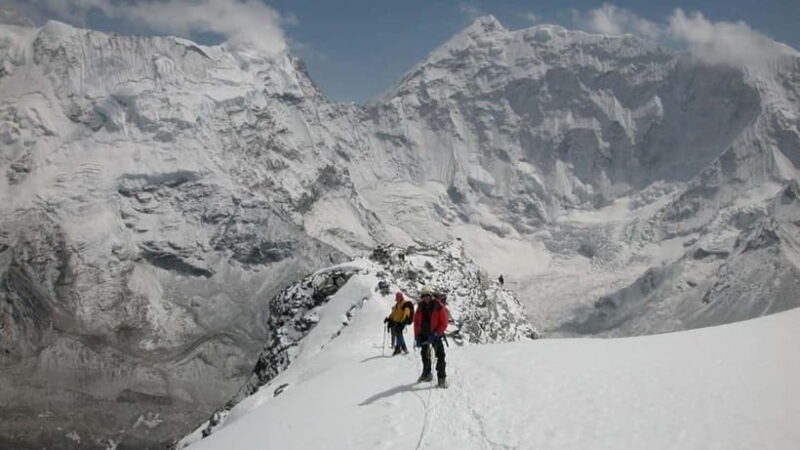
- Climb three of the region’s most famous peaks — Island, Pokalde, and Lobuche — in a single trip.
- Includes acclimatization and side treks to Gokyo Lakes, Gokyo Ri, and Cho La Pass for extra Himalayan scenery.
- Small group ratio on summit days (1:3), prioritizing safety and personalized guidance.
- All logistics, permits, and gear are organized, making for a hassle-free adventure.
- Suitable for those with a basic high-altitude trekking background and seeking a mountaineering challenge.
- Cost reflects comprehensive support, including permits, gear, guides, and mountain tents.
An In-Depth Look at the 27-Day Everest Peaks Trek
Love being outdoors? Check out these other hiking spots we've covered in Kathmandu
Starting with the Basics: What’s Included and What’s Not
This package, priced at $7,008 per person, covers a comprehensive range of services. You get guided climbs with experienced guides at a 1:3 ratio, ensuring you receive proper attention during critical moments. Your meals and accommodations are arranged at teahouses and lodges during trekking, and you’ll have high-quality mountain tents for the climbs, along with personal and group climbing gear. Importantly, all permits, garbage deposits, and park fees are included, streamlining your planning.
On the logistical side, your international flights aren’t included, nor are meals in Kathmandu or extra nights that might be necessary due to delays. But with all internal flights, transfers, and accommodation sorted, the core experience is well covered.
Pre-Trip Preparation and Arrival in Kathmandu
Your adventure begins in Kathmandu, where the staff at Wilder Way Trekking & Expedition will assist with gear checks and trip prep. It’s wise to arrive a day early, so you’re fully rested before the flight to Lukla, the tiny mountain airport that marks the gateway to the Everest region. From Lukla, your trek officially kicks off with a short flight and a trek to Phakding, setting a gentle pace to acclimatize gradually.
Trekking to Namche Bazaar
The second day involves a scenic trek to Namche Bazaar, the bustling Himalayan trading hub. We loved the way Namche introduces you to the high-altitude environment while offering a lively atmosphere with cafes and shops. The first acclimatization day here is crucial—experts recommend staying active but not overexerting, and this trip balances that well.
More Great Tours NearbyGokyo Lakes and Gokyo Ri
One of the trip’s highlights is the side trek to Gokyo Lakes, renowned for their stunning turquoise waters and mountain reflections. Climbing Gokyo Ri (5,357m) offers panoramic views of Everest, Lhotse, and Makalu. The reviews echo the significance of this side venture: one traveler mentioned, “Climbing Gokyo Ri was a highlight; the views are worth every step.” This allows your body to adapt gradually, making subsequent climbs more manageable.
- 4 UNESCO World Heritage Site Tour Nepal
- Kathmandu: Private Sightseeing Tour
- Kathmandu: Private/Group 4 UNESCO World Heritage With Lunch
- Kathmandu: 7 UNESCO Sites Private or Group Tour With Lunch
- Kathmandu: Private/Group Tour to 7 UNESCO Sites With Lunch
- Kathmandu: Local Led Cooking Class: Dal Bhat & Momo Making
Crossing Cho La Pass
The crossing of Cho La Pass (5,420m) is a challenging but rewarding part of the journey. The trail involves snow crossings and some steep sections, but the scenery — glaciers, rugged peaks, and pristine lakes — makes it unforgettable. The logistical planning here is meticulous, ensuring safety for all, especially with the small guide-to-client ratio on the pass.
Ascending Lobuche Peak
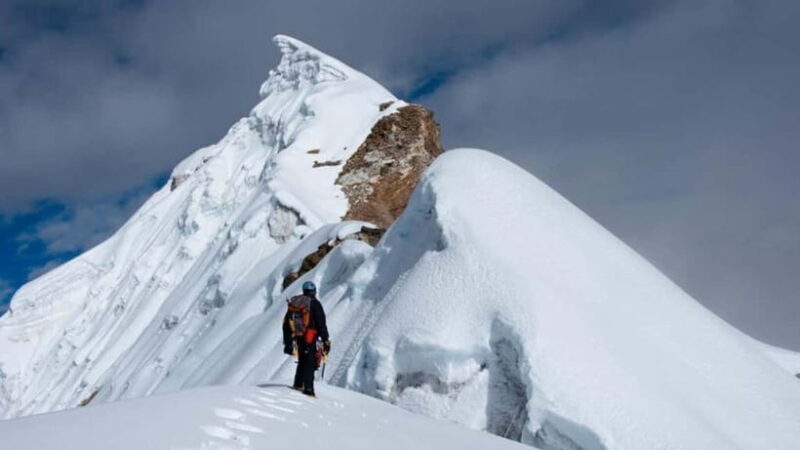
The climb to Lobuche Peak (6,119m) is a true test of mountaineering skill. We appreciated how guides emphasized safety and technical advice, ensuring everyone was prepared for the ascent. The summit offers dramatic views of Everest and the surrounding Himalayas, a sight that makes the effort worthwhile. Several reviews mention the professionalism of the guides, especially during summit pushes, where a 1:3 guide ratio provides reassurance.
Island Peak and Pokalde
Following Lobuche, the itinerary shifts towards smaller, technical climbs: Island Peak (6,189m) and Pokalde (5,806m). Island Peak, often called the “trekking peak,” is a popular adventure climb, and you’ll be awed by the rugged terrain and the views from the summit. The climb to Pokalde is shorter but equally thrilling, providing a taste of technical mountaineering without needing advanced skills.
Rest and Contingency Days
The schedule thoughtfully includes rest days and contingency days, acknowledging the unpredictable nature of high-altitude trekking. This flexibility ensures you’re well-prepared and less prone to altitude sickness or exhaustion.
Returning and Kathmandu
After completing the climbing sections, you trek back to Lukla, enjoying the scenery and camaraderie along the way. The return flight to Kathmandu marks the end of your Himalayan adventure, with a free day for exploring or relaxing before departure.
Practical Insights and Tips
What to Expect on the Climbing Days
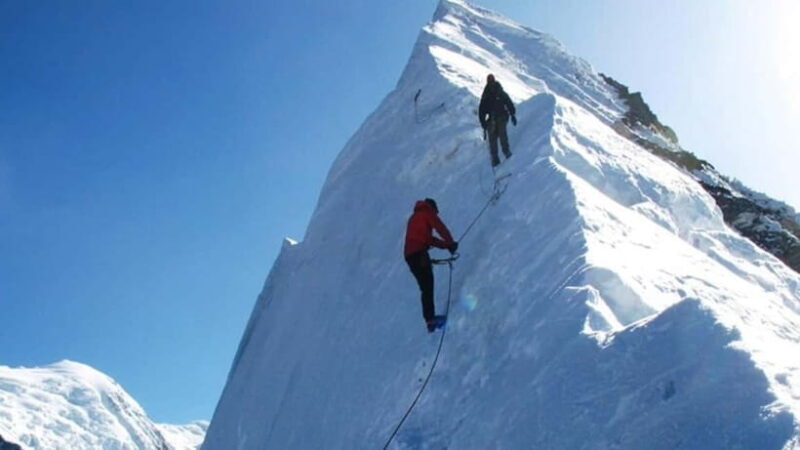
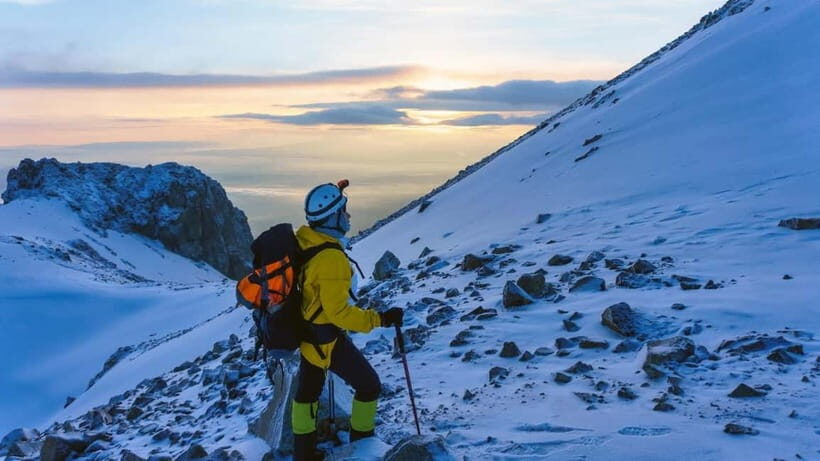
Climbing peaks like Island, Pokalde, and Lobuche involves technical sections, often requiring the use of crampons, ice axes, and helmets. Most summit days start early — around 2-3 am — to beat the weather and maximize daylight. Guides are attentive, with a focus on safety, and the small group size allows for tailored support.
Acclimatization and Altitude
The inclusion of side excursions to Gokyo and acclimatization days in Namche and Dingboche are designed to help your body adjust gradually. As one reviewer pointed out, “The organizers really prioritize safety and altitude management,” which is reassuring for those concerned about altitude sickness.
Logistics and Group Size
The program’s strength lies in its logistics: all permits, gear, and internal flights are handled, reducing stress. The small group ratio on summit days, especially on technically demanding sections, allows guides to closely monitor each climber’s condition.
Gear and Preparation
You’ll need warm clothing, gloves, sunglasses, and climbing gear, which can be provided or rented. The tour offers waterproof duffel bags, sleeping bags, and down jackets, but these must be returned at the end. Proper layering and gear preparation are essential, especially considering the cold temperatures at higher elevations.
Cost-Value Perspective
While the trip costs over $7,000, it includes nearly everything from permits to gear rentals, expert guides, and all internal flights. For climbers seeking a guided, all-inclusive experience that combines trekking and technical climbs, this price reflects significant value. Independent trips could easily cost more once permits, gear, and logistics are factored in.
Who Is This Tour Best Suited For?
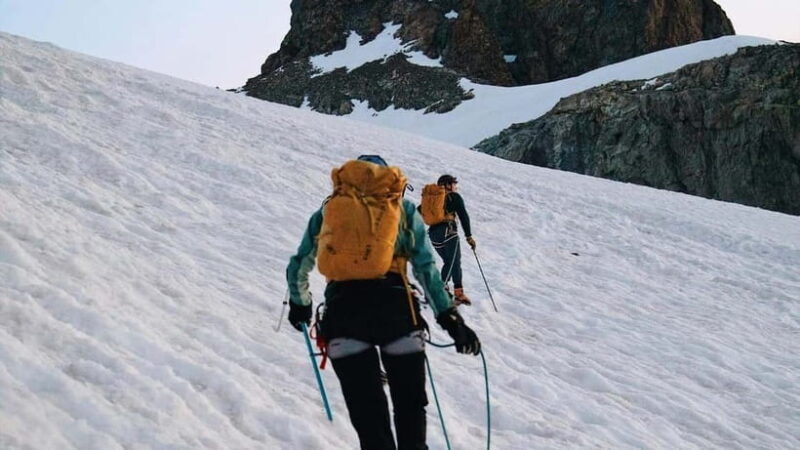
This adventure is perfect for motivated trekkers who want to combine high-altitude trekking with peak climbing. It suits those with some previous trekking experience and a good level of fitness, ready to tackle technical ascents. It’s not recommended for pregnant women, children under 18, or anyone with pre-existing medical conditions that might be exacerbated by altitude or physical stress.
If you’re looking for a fully supported Himalayan adventure that balances scenery, challenge, and safety, this trip offers a rare opportunity. It’s ideal for those wanting to push their limits while having expert support at every step.
Frequently Asked Questions
What is included in the price of $7,008?
The cost covers guided climbs with experienced guides, permits, park fees, meals and accommodations during trekking, high-quality mountain tents, all necessary gear, internal flights, and airport transfers. It also includes a 4-night stay in Kathmandu with breakfast and all logistical support.
Is this trek suitable for someone with no high-altitude experience?
While the itinerary includes acclimatization days and side excursions, some previous trekking or high-altitude experience is recommended. The climbing sections, though guided, involve technical skills and physical readiness.
What kind of climbing gear is provided?
Personal and group climbing gear are included, and you’ll also receive waterproof duffel bags, a sleeping bag, and a down jacket (which must be returned). You should bring your own warm clothing, gloves, and sunglasses.
How challenging are the peak ascents?
Climbing Island, Pokalde, and Lobuche involves technical sections, glacier crossings, and high-altitude conditions. Summit pushes start early, with guides emphasizing safety, and small group ratios ensure focused support.
What is the best time of year to do this trek?
While specific dates aren’t provided here, typically, the best climbing seasons in Nepal are pre-monsoon (April-May) and post-monsoon (September-October), when weather conditions are more stable.
Can I extend my trip or add extra days?
Extra nights in Kathmandu or during the trek aren’t included but could be arranged separately. It’s advisable to discuss with your tour provider if you’re considering modifications.
This 27-day Everest adventure combines high-altitude trekking, peak climbing, and breathtaking scenery in a way that few trips can match. For those craving an authentic, guided Himalayan experience with a focus on safety and logistical ease, it offers excellent value considering what’s included. The small guide-to-client ratio on summit days, comprehensive support, and side trips to iconic sites like Gokyo Lakes make it a compelling choice for adventurous spirits.
While it’s not a casual trek, its mix of technical climbs and scenic exploration is perfect for those ready for a challenge. It’s best suited for motivated travelers with some trekking background and a desire to add mountaineering to their Himalayan adventure. Every step promises unforgettable views, camaraderie, and the thrill of summiting some of the world’s most legendary peaks.
You can check availability for your dates here:References
More Hiking & Trekking Tours in Kathmandu
More Tour Reviews in Kathmandu
Still browsing? Here are more Kathmandu experiences we've covered recently
- Discover 12 Great Airport Transfers In Kathmandu
- 14 Best Tours In Kathmandu
- Which Kathmandu Tours & Experiences To Choose? Our Best 12 Picks
- 5 days Pokhara City Private Tour from Kathmandu
- Kathmandu: Everest Base Camp Helicopter Tour with Breakfast
- Kathmandu to Lukla one way Flight Ticket
- 1 Day Shivapuri Hiking from Kathmandu
- Poon Hill Trek – 5 Day / 4 Night (ex Kathmandu) – Daily Departure
- 11 days Panorama Panchase Homestay Trek
- 2 Days Seven Heritage and Nagarkot Sunrise Tour
- Kathmandu: Khumai Danda Trek with Meals and Guide
- Kathmandu City Tour