
- Nepal: Everest Base Camp Trek with Guide and Porter — A Complete Guide
- Key Points
- The Route and What to Expect Along the Way
- Starting in Kathmandu and Flying to Lukla
- First Days: Gaining Altitude with Comfort
- Tengboche: Spiritual and Scenic Wonder
- Moving East: Dingboche and Beyond
- Gaining Ground: Gorak Shep and Everest Base Camp
- The Iconic Hike to Kala Patthar
- Practical Aspects of the Trek
- Guides, Porters, and Support
- Accommodation and Meals
- Transportation and Logistics
- Best Seasons and Weather Considerations
- Training and Preparation Tips
- Altitude Acclimatization
- Cost and Value
- Who Should Consider This Trek?
- Final Thoughts
- FAQs
- More Tour Reviews in Kathmandu
- Still browsing? Here are more Kathmandu experiences we've covered recently
Nepal: Everest Base Camp Trek with Guide and Porter — A Complete Guide
Planning a trek to Everest Base Camp? This 12-day adventure with Global Eco Trails promises stunning mountain scenery, cultural encounters, and the thrill of standing at the foot of the world’s highest peak. Whether you’re an experienced hiker or a passionate adventurer craving a meaningful challenge, this trek offers a well-balanced mix of natural beauty, local culture, and personal achievement.
What makes this experience stand out? First, the professional guidance from experienced Sherpa guides, who are knowledgeable about both the terrain and the customs of the area. Second, the inclusion of a dedicated porter, making the journey more manageable and allowing you to focus on the breathtaking surroundings. Third, the carefully planned itinerary with acclimatization days, which helps mitigate altitude sickness — a critical factor for such high-altitude adventures.
That said, the trek is moderately challenging with long walking days, so it’s best suited for travelers who are reasonably fit and prepared for several hours of daily trekking. The cost might seem high to some, but the value truly lies in the expert guidance, comfortable logistics, and the unforgettable views you’ll carry forever. This trek is ideal for those seeking a comprehensive, well-supported Everest experience without sacrificing comfort or cultural authenticity.
You can check availability for your dates here:Key Points
- Stunning Himalayan vistas include Everest, Ama Dablam, and Kala Patthar.
- Professional guides and porters ensure safety, local insight, and support.
- Acclimatization days help reduce altitude sickness risks.
- Lodge-to-lodge trekking within Sagarmatha National Park offers comfort and convenience.
- Flexible booking options with free cancellation and pay-later plans.
- Best seasons are March to May and October to December for optimal weather.
Enjoying having a local guide? These other guided experiences in Kathmandu might interest you
The Route and What to Expect Along the Way
Starting in Kathmandu and Flying to Lukla
The journey kicks off with a quick 30-minute flight from Kathmandu to Lukla, often regarded as one of the most exciting short flights in the world thanks to its dramatic landing strip perched on a hill. This flight sets the tone for the adventure — scenic, exhilarating, and a bit nerve-wracking. Once in Lukla, you’ll meet your guide and porters who will accompany you for the duration of the trek. From here, the trek begins with a gentle walk through lush forests, traditional Sherpa villages, and terraced fields to Phakding.
First Days: Gaining Altitude with Comfort
The trek to Phakding is a warm-up, but the real challenge begins as you progress to Namche Bazaar, the bustling Sherpa hub at 3,440 meters. It’s about a two-day journey from Lukla, with the ascent requiring some careful pacing and altitude acclimatization. Several reviews commend the routes through picturesque villages and lush forests, especially the forests of rhododendron and pine.
Namche is a lively stop, offering cafés, small shops, and the chance to explore local markets. Here, we loved the opportunity to rest and adjust to the altitude. Many travelers note the importance of the acclimatization day, which allows you to walk around and visit nearby Khumjung village or simply enjoy the mountain views from the Everest View Hotel.
More Great Tours NearbyTengboche: Spiritual and Scenic Wonder
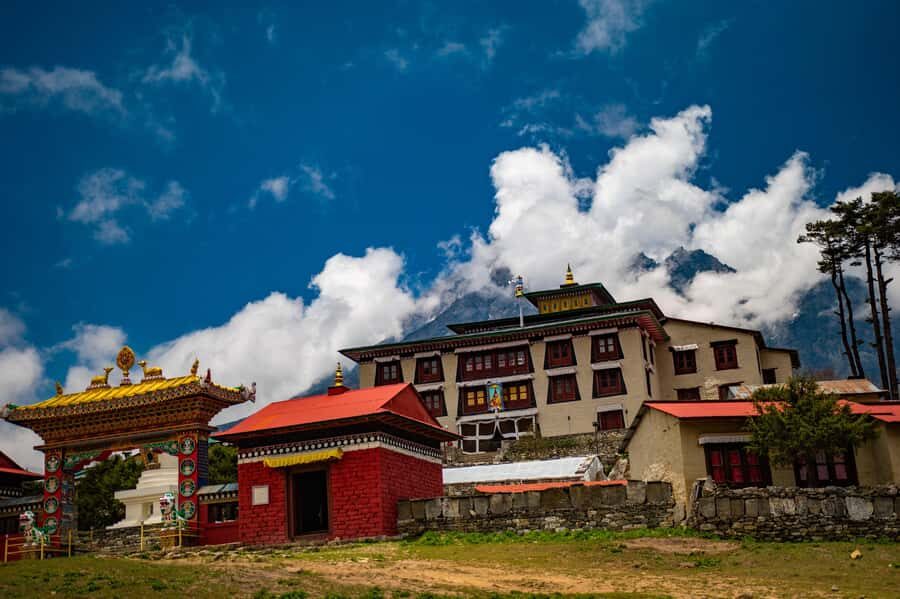
From Namche, the trail leads to Tengboche, famous for its monastery and the panoramic views of Everest, Ama Dablam, and other peaks. The walk takes about six hours and is often called the highlight of the trek. The monastery itself offers insight into Sherpa culture, and many say it’s a peaceful spot that provides a spiritual break amid the grandeur of nature.
Love being outdoors? Check out these other hiking spots we've covered in Kathmandu
- Kathmandu: Nagarkot & Changunarayan Temple Hiking With Lunch
- Kathmandu: Nagarkot Sunrise & Changunarayan Hike With Lunch
- Kathmandu: 4 Hour Short Nagarjun Jamacho Gumba Hiking
- From Kathmandu: Bethanchowk Hiking Trip With Sunset View
- Kathmandu: Fresh Air Hiking at Kapan-Jagdol-Nagi Gumba
- Kathmandu: Shivapuri National Park Top Day Hike With Lunch
Moving East: Dingboche and Beyond
The next leg takes you to Dingboche, another spacious village where you’ll spend an acclimatization night. The landscape starts to change here, transitioning from lush forests to stark, rocky terrain. Many reviews appreciate the scenic variety and the chance to get used to higher elevations gradually.
Gaining Ground: Gorak Shep and Everest Base Camp
The final ascent from Dingboche to Gorak Shep is about 4-5 hours, but the real reward is reaching the original Everest Base Camp at 5,364 meters. While the camp itself is a collection of tents and debris, the views of Everest’s Khumbu Icefall are awe-inspiring. Shooting photos here is a must, as many travelers say it’s a moment where words fail.
The Iconic Hike to Kala Patthar
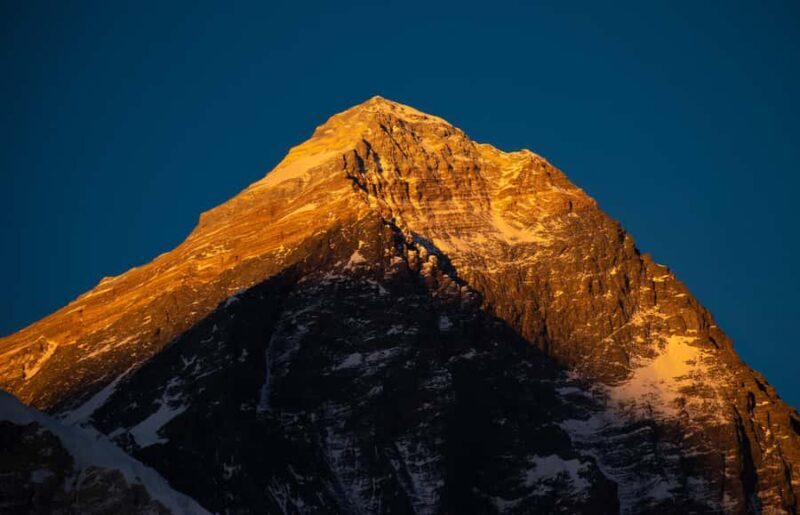
The sunrise hike to Kala Patthar at 5,545 meters is often described as the most unforgettable part of the trek. The early morning climb offers a clear view of Everest bathed in the dawn’s light, with a stunning backdrop of surrounding peaks. Reviewers frequently mention the “heart-stopping” beauty and the sheer scale of the mountains.
Practical Aspects of the Trek
Guides, Porters, and Support
The tour is facilitated by certified guides who are well-versed in high-altitude safety and Sherpa culture. Many reviewers point out guides like “Babu” or “Tashi” as attentive, friendly, and knowledgeable, sharing insights into local customs and mountain lore. The inclusion of a porter makes a significant difference — it allows you to carry less weight and enjoy the trek’s scenery more comfortably.
Accommodation and Meals
Staying in lodges along the route is part of the experience. These are basic but comfortable, often with shared bathrooms and warm bedding. Many guests comment on the delicious, filling Nepali and Sherpa-style meals, which help fuel the long days of walking. Some reviews mention the importance of bringing snacks and a reusable water bottle, as supplies at higher altitudes can be limited.
Transportation and Logistics
The trek’s logistics are streamlined — the flight to Lukla, the small group sizes (limited to 15), and the inclusion of hotel pickup in Kathmandu (if staying in Thamel) make the overall experience smooth. The group size ensures personalized attention but still keeps a social atmosphere.
Best Seasons and Weather Considerations
The most popular times are March to May and October to December. These months tend to bring clear skies and moderate temperatures, making for optimal trekking conditions. Travelers should be prepared for cold weather and possible rain, especially in the shoulder seasons.
Training and Preparation Tips
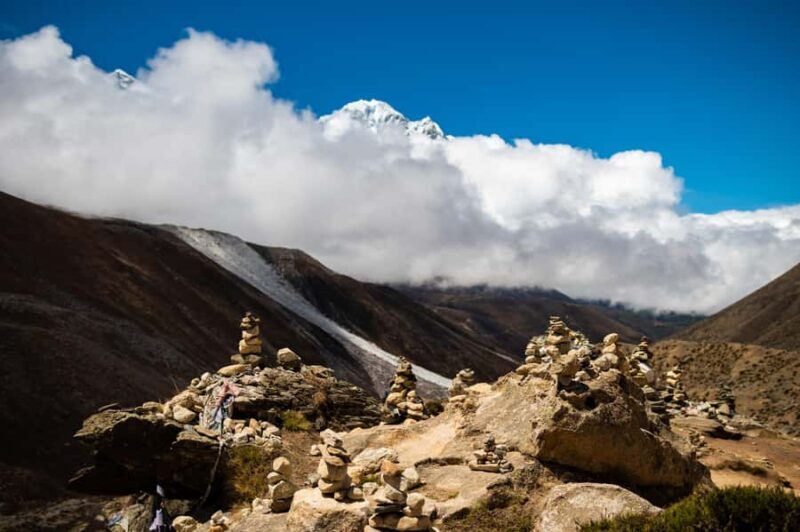
The trek is classified as moderate in difficulty, but with 6-7 hours of walking each day, physical fitness is essential. We recommend starting with long hikes, focusing on endurance, and training your knees and ankles. Packing the right gear — sturdy hiking shoes, warm layers, sunscreen, and sun protection — is vital. Many review mentions that proper preparation makes all the difference in handling the altitude and long days.
Altitude Acclimatization
The inclusion of acclimatization days at Namche and Dingboche is crucial. These allow your body to adapt gradually, significantly reducing the risk of altitude sickness. Proper hydration, slow pace, and listening to your body are key.
Cost and Value
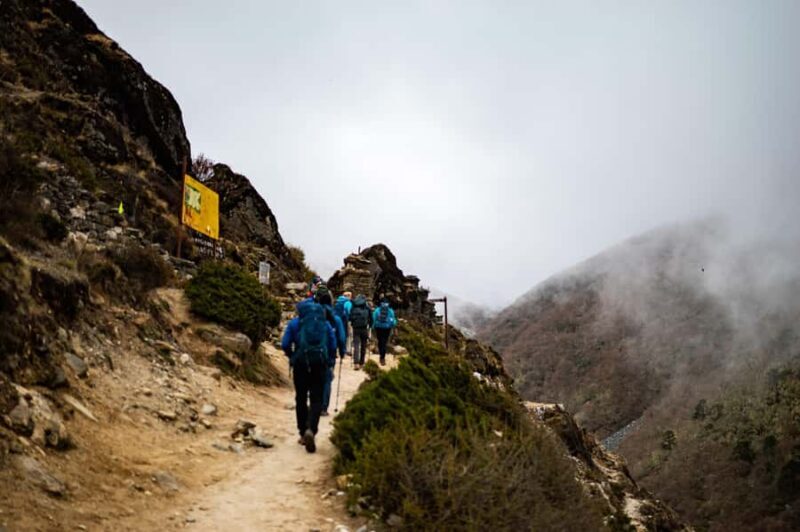
While the price might seem steep, it includes experienced guides, porters, planned accommodations, and transportation. The peace of mind that comes with professional support and the ability to focus on enjoying the scenery makes it worthwhile for most travelers. Plus, the safety measures and personalized service add to its value, especially considering the remote, high-altitude environment.
Who Should Consider This Trek?
This trek is best suited for adventurers who are reasonably fit and love outdoor challenges. It’s ideal for those who want to experience the Himalayas with expert guidance without sacrificing comfort or culture. It’s not suitable for children under 12, pregnant women, or those with certain health issues, but for most active travelers, it offers a manageable yet rewarding experience.
Final Thoughts
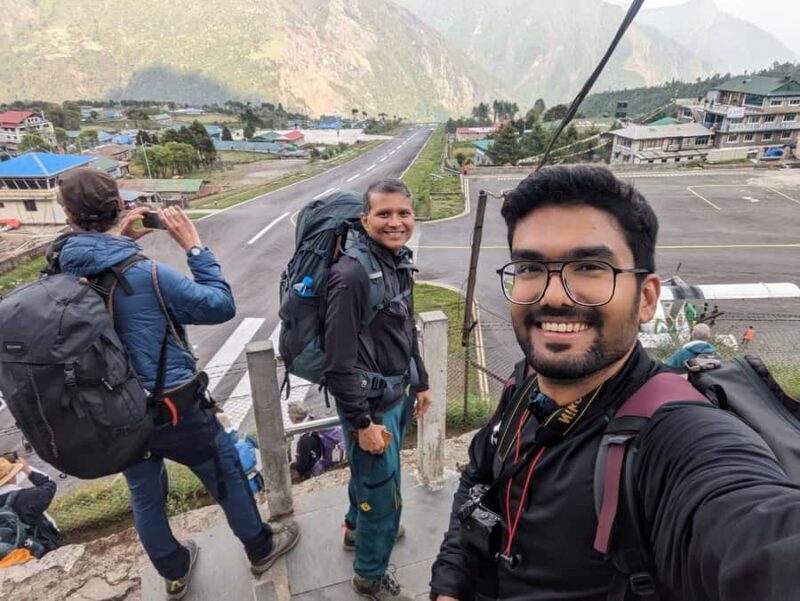
This Everest Base Camp trek combines natural beauty, cultural richness, and personal achievement into one compelling package. The scenery is spectacular, the guides are knowledgeable, and the logistics are well-organized, making it accessible for a broad range of travelers. Plus, the opportunity to stand at the foot of the world’s highest mountain and witness a sunrise from Kala Patthar is truly a once-in-a-lifetime moment.
Whether you’re ticking off a bucket list item or seeking a deep connection with the Himalayas, this trek offers exceptional value and unforgettable memories. Remember, proper preparation and an open mind are your best companions on this adventure.
FAQs
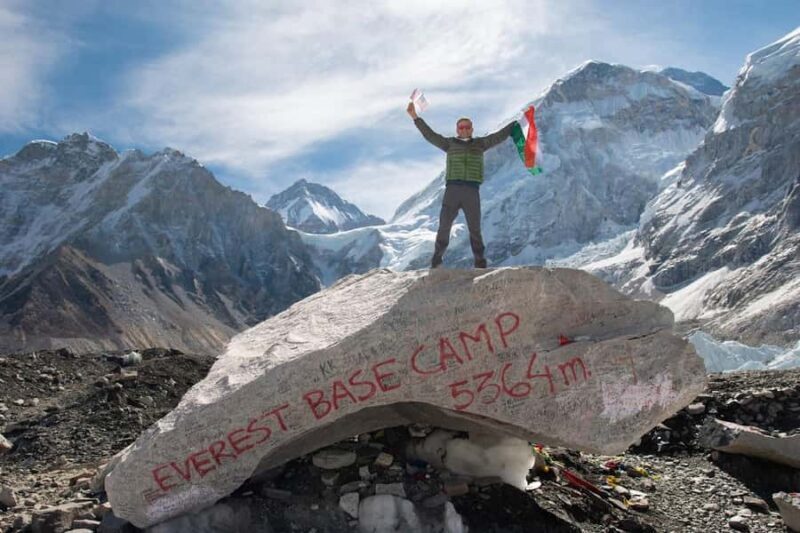
How long is the flight from Kathmandu to Lukla?
The flight lasts about 30 minutes and offers spectacular views of the mountains, setting the tone for the adventure ahead.
What is included in the tour package?
The package covers the guided trek, porter support, accommodations in lodges, and some logistics like airport transfers in Kathmandu. However, personal expenses and meals outside of included ones are typically extra.
Is this trek suitable for beginners?
While it’s considered moderate, the trek involves long days and high altitudes. Good physical fitness is recommended, and acclimatization days are built into the itinerary.
What is the best time of year to go?
The optimal periods are March, April, May, and then October through December, when weather conditions tend to be most favorable.
Do I need special gear?
Yes, bring sturdy hiking shoes, warm clothing, sunscreen, a sunhat, and a daypack. Packing well makes a big difference in comfort and safety.
Can I cancel or reschedule?
Yes, the tour offers free cancellation up to 24 hours in advance and allows you to reserve now and pay later, offering flexibility if your plans change.
This Everest Base Camp trek is a carefully curated journey that balances adventure, comfort, and cultural authenticity. If you’re after breathtaking views, meaningful engagement with Sherpa culture, and a well-supported high-altitude experience, this tour checks all the boxes.
You can check availability for your dates here:More Tour Reviews in Kathmandu
Still browsing? Here are more Kathmandu experiences we've covered recently
- Discover 12 Great Airport Transfers In Kathmandu
- 14 Best Tours In Kathmandu
- Which Kathmandu Tours & Experiences To Choose? Our Best 12 Picks
- 5 days Pokhara City Private Tour from Kathmandu
- Kathmandu: Everest Base Camp Helicopter Tour with Breakfast
- Kathmandu to Lukla one way Flight Ticket
- 1 Day Shivapuri Hiking from Kathmandu
- Poon Hill Trek – 5 Day / 4 Night (ex Kathmandu) – Daily Departure
- 11 days Panorama Panchase Homestay Trek
- 2 Days Seven Heritage and Nagarkot Sunrise Tour
- Kathmandu: Khumai Danda Trek with Meals and Guide
- Kathmandu City Tour