
Planning an extended trek that combines remote Himalayan wilderness, Tibetan-influenced villages, and high-altitude passes? The Narphu Valley Trek offers an authentic experience for those craving adventure beyond the usual Annapurna circuit. While less traveled and more challenging, this journey rewards trekkers with breathtaking scenery, cultural richness, and a sense of discovery few others get to enjoy.
What makes this trek particularly appealing? First, the spectacular views of snow-capped peaks and rugged rock formations demand attention at every turn. Second, the chance to explore ethnically Tibetan villages and monasteries offers a glimpse into ancient Himalayan cultures. Third, the trek’s well-organized itinerary and experienced guides help ensure a safe journey through some of the most remote parts of Nepal. The only potential downside? The demanding high passes and extended walking days require a good level of fitness and mental resilience.
This adventure suits adventurous travelers who love trekking with culture, and are prepared for long days on rugged terrain. If you’re after a unique Himalayan experience with a mix of challenge and awe-inspiring scenery, this trek may be just the ticket.
- Key Points
- An In-Depth Look at the Narphu Valley Trek
- Starting Point and Initial Journey
- From Syange to Dharapani: The First Trek
- Moving Through Villages to the Restricted Narphu Valley
- Exploring Phu and the Himalayan Wilderness
- High Passes and Mountain Views
- Transitioning Out of the Wilderness
- Experience and Logistics
- Value and Cost Analysis
- Who Will Love This Trek?
- Final Thoughts
- FAQs
- More Hiking & Trekking Tours in Besisahar
- More Tour Reviews in Besisahar
Key Points
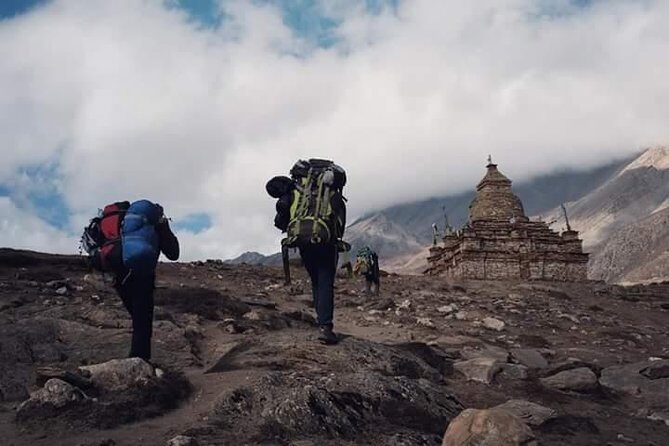
- Remote and Unexplored: Narphu Valley remains one of Nepal’s lesser-visited regions with restricted access until recent years.
- Cultural Encounters: Native Tibetan villages, gompas, and monasteries are integral parts of the experience.
- High Passes: Crossing Kang La and Thorong La offers unforgettable panoramic views and a real sense of achievement.
- Comprehensive Support: Guided by licensed professionals, with porters and well-organized logistics ensuring comfort in challenging terrain.
- Value for Money: At $1,550 per person, the trek includes many permits, accommodations, and essential services, making it a good deal considering the remote nature of the route.
- Physical Demands: Expect lengthy days and rocky trails, suitable for travelers with moderate fitness levels.
An In-Depth Look at the Narphu Valley Trek
Looking for more options in Besisahar? We've reviewed plenty of other experiences.
Starting Point and Initial Journey
Your adventure begins in Kathmandu, where a short sightseeing tour introduces you to significant sites such as Boudhanath Stupa and Pashupatinath Temple. This sets a spiritual tone for the trek ahead. Afterward, a scenic drive to Besisahar by local bus—followed by a jeep ride to Syange—serves as your gateway into Nepal’s lush countryside.
This initial drive is a good reminder of Nepal’s diverse landscapes—rivers such as Marshangdi and Trishuli flow alongside the roads, and you’ll likely spot farmers, yaks, and perhaps a few white-water rafters. The long travel days are part of the journey, but they serve as a gentle transition into the wilderness.
From Syange to Dharapani: The First Trek
The trek officially kicks off from Syange, heading towards Dharapani through lush forests and terraced fields. Along the way, you’ll encounter waterfalls and mountain views that begin to build anticipation. Dharapani is also notable as a crossing point for other iconic trails like Manaslu, making it a significant waypoint full of trekking history.
Moving Through Villages to the Restricted Narphu Valley
Progressing through villages like Bagarchap and Danaque, you gain elevation gradually while enjoying views of Himalayan giants. The trail becomes more adventurous as you venture into the restricted area of Narphu—a highlight for those seeking less touristy trails.
Here, trekkers face rocky terrain and longer walks, but the reward is a sense of wilderness and solitude. The landscape transitions from forested slopes to stark, desert-like zones as you approach Phu Village, perched at over 4,000 meters.
Exploring Phu and the Himalayan Wilderness
Phu Village stands out for its unique architecture and Tibetan lifestyle. It’s a quiet place where the residents live in traditional houses, and the mountains surrounding you provide a dramatic backdrop. Our review highlights that rest days in Phu allow for exploring Tashi Gompa and enjoying local culture.
A notable feature is the hike to Himlung Base Camp, offering a glacier walk that many travelers find exhilarating. The hike through rugged terrain, following the Phu River, is physically demanding but immensely rewarding.
High Passes and Mountain Views
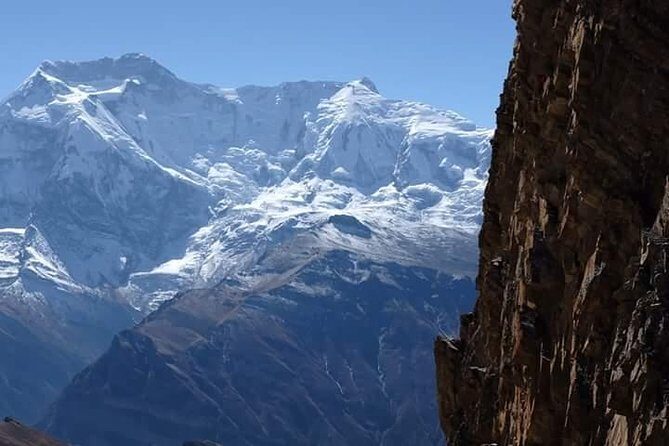
One of the trek’s standout moments is crossing Kang La Pass at 5,320 meters, which offers sweeping views of the Annapurna massif. The descent to Ngawal is equally stunning, with vistas of the surrounding mountains and the valley below. The trek then moves south towards the larger villages of Manang and Chame, traditional stops for acclimatization and relaxation.
Transitioning Out of the Wilderness
From Manang, the route follows the famed Annapurna circuit trail back towards the more accessible lower elevations. The journey downwards includes lush forests, charming villages, and the bustling town of Chame. The final days are more comfortable, with easier walking and scenic drives back to Kathmandu.
Experience and Logistics
Transportation: The journey includes private land transportation, like jeeps and buses, to reach trailheads and return to Kathmandu. These are reliable, though often long, travel days—perfect for resting your legs and enjoying scenic views.
Accommodation: The trek combines comfortable lodges and tea houses with breakfast, lunch, and dinner included during trekking days. In Kathmandu, standard 3-star hotels offer a restful stay before and after the trek.
Guides and Staff: A licensed, English-speaking guide leads the group, with a porter assigned for every two trekkers—each carrying up to 25 kg. Travelers consistently praise guides for their knowledge, friendliness, and helpfulness, making the journey smoother and more informative.
Permits and Fees: The package includes essential permits like the Trekking Permits, Manaslu and Tsum Valley Permits, and National Park fees. These are vital for accessing restricted areas and conservation efforts, ensuring you don’t have to worry about additional expenses or paperwork.
Value and Cost Analysis
At $1,550, this trek offers good value considering the included permits, accommodation, meals, and expert guidance. The remote nature of Narphu Valley means fewer crowds and a more authentic Himalayan experience—something you won’t find on heavily trafficked trails. Plus, the comprehensive logistics support reduces stress for travelers unfamiliar with trekking in Nepal.
While the price might seem high for some, it reflects the effort involved in organizing a trek through restricted, less-visited terrain, plus the safety net of professional guides and porters. The inclusion of permits and all necessary fees further simplifies planning.
Who Will Love This Trek?
This trek suits adventurous, physically fit travelers eager to explore a less-trodden part of Nepal. If you place a high value on cultural discovery, stunning vistas, and don’t mind challenging terrain, you’ll find this journey immensely rewarding. It’s ideal for those comfortable with long days of walking on rocky paths and high altitudes.
Final Thoughts
The Narphu Valley Trek stands out as a unique, culturally rich adventure that takes you away from the crowds and into the heart of remote Himalayan life. Its combination of rugged landscapes, Tibetan villages, and high-altitude passes offers a deeply satisfying challenge for seasoned trekkers.
While physically demanding, the trek rewards endurance with some of the most stunning mountain views in Nepal. The knowledgeable guides and well-organized logistics ensure a memorable and safe journey. If you’re seeking an authentic Himalayan experience that combines adventure, culture, and stunning scenery, this trek is likely to meet and exceed expectations.
FAQs
What is included in the trek price?
The price covers all land transportation, airport pickups and drops, Kathmandu hotel accommodations with breakfast, trekking lodges with meals, permits (Tims, Manaslu, Tsum Valley), national park fees, a government licensed guide, porters, and a farewell dinner.
Are there any restrictions for trekkers?
Yes, Narphu Valley was restricted until late 2002, and the trek now requires special permits. It also involves crossing high passes and long walking days, so good physical fitness is recommended.
What kind of accommodations are provided?
During the trek, you’ll stay in well-organized tea houses or lodges offering breakfast, lunch, and dinner. In Kathmandu, 3-star hotels are included.
How physically demanding is this trek?
It’s moderately to highly strenuous, with long days (up to 8 hours walking), rocky trails, and high-altitude passes. Trekkers should be prepared for steep ascents and descents.
Is the guide experienced?
Yes, the trek is led by government-licensed, English-speaking guides known for their professionalism and knowledge. Many reviews mention guides being friendly, helpful, and informative.
What about altitude?
The trek reaches altitudes above 5,300 meters at Kang La Pass. Proper acclimatization days are included, and guides monitor health during the journey.
Can non-trekkers join the trek?
No, this is a trekking adventure, but family or friends who enjoy hiking and are physically prepared can join.
What is the best time to undertake this trek?
While not specified, most Himalayan treks are best in pre-monsoon (spring) and post-monsoon (autumn) seasons for clear weather and stunning mountain views.
To sum it up, the Narphu Valley Trek offers a rare glimpse into Nepal’s untouched Himalayan regions, perfect for those craving a mix of adventure, culture, and spectacular scenery. It’s a physically demanding but deeply rewarding journey that will leave you with memories of high passes, ancient villages, and breathtaking mountains that few travelers get to see.