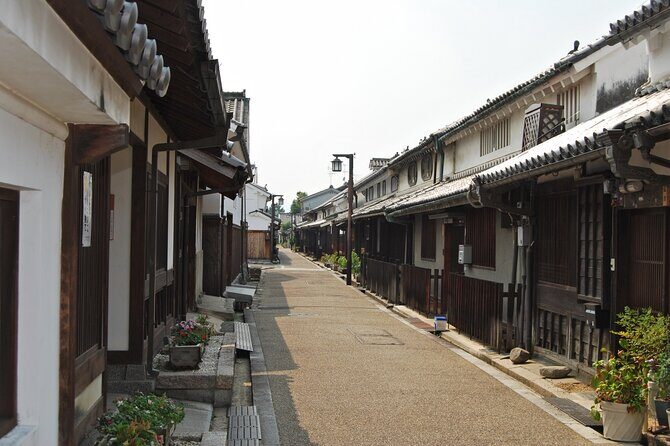
Taking a journey through Japan’s past is one of the best ways to truly understand its culture, architecture, and community spirit. This guided tour of Imai Town—located within Nara Prefecture—offers just that, giving travelers a chance to walk the streets of a living, breathing Edo-era merchant district. Unlike the typical touristy areas filled with replicas, Imai remains an authentic hub where history still feels alive.
What makes this experience stand out? First, the chance to explore well-preserved traditional residences and temples without the crowds. Second, the knowledgeable guides bring stories of merchant life and local customs to life, enriching your understanding of Japan’s past. Third, access to hidden corners and lesser-known sites offers a more genuine glimpse into community life during the Edo period.
Of course, a potential drawback could be the relatively short duration—around two and a half hours—meaning some might wish for more time to soak it all in. Still, this tour is perfect for curious travelers keen on history, architecture, and authentic local experiences. If you’re after a meaningful, off-the-beaten-path adventure, this is a fine choice.
- Key Points
- An In-Depth Look at the Tour Itinerary
- Start at Hanairaka, Imai Townscape Exchange Center
- Visiting the Kawaike Residence
- Nakabashi Family House
- Shonenji Temple
- Imanishike Residence
- Former Kometani/Yonetani Residence
- What Travelers Have Said
- Practical Details and Why They Matter
- Duration and Group Size
- Cost and Value
- Meeting Point and Accessibility
- What to Bring
- Final Thoughts: Who Will Love This Tour?
- Frequently Asked Questions
- The Best Of Nara Prefecture!
- More Historical Tours in Nara Prefecture
- More Tour Reviews in Nara Prefecture
Key Points
 1 / 5
1 / 5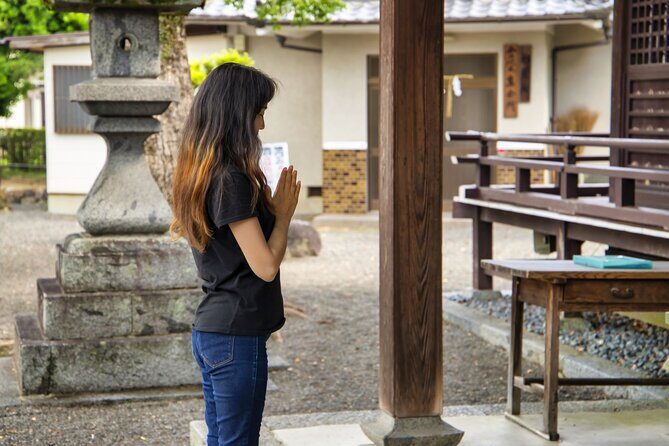 2 / 5
2 / 5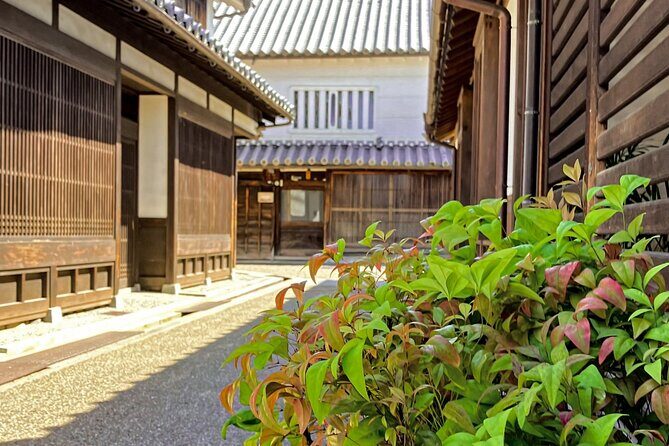 3 / 5
3 / 5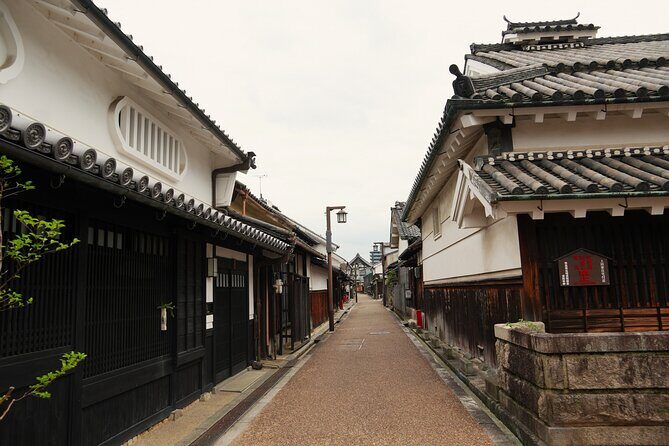 4 / 5
4 / 5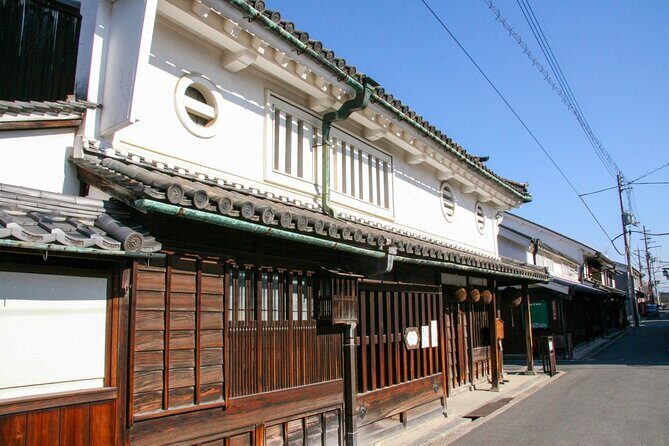 5 / 5
5 / 5- Authentic Experience: Explore a living town where history blends seamlessly with daily life.
- Expert Guides: Receive engaging narration on merchant culture, architecture, and traditions.
- Hidden Gems: Access to lesser-known sites not typically seen by travelers.
- Well-Preserved Architecture: See Edo-period wooden homes, temples, and merchant residences.
- Short & Focused: A compact, 2.5-hour walk ideal for busy schedules or as part of a larger trip.
- Value for Money: At just over $120, it offers a rich, cultural experience with no hidden costs.
👉 See our pick of the 15 Best Tours & Experiences In Nara Prefecture
An In-Depth Look at the Tour Itinerary
You can also read our reviews of more historical tours in Nara Prefecture
Start at Hanairaka, Imai Townscape Exchange Center
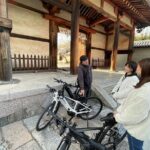
The tour kicks off at Hanairaka, a beautifully restored Meiji-era building that now functions as a welcome center and mini-museum. Here, you’ll get a quick introduction to the town’s history and layout, setting the stage for what’s to come. The fact that entry is free is a nice bonus—it’s a chance to familiarize yourself with the town’s story without extra expense. The center’s friendly staff and informative displays are appreciated for providing context before hitting the streets.
Visiting the Kawaike Residence
Next, the guide leads you to one of Imai’s most elegant merchant homes. The Kawai Residence showcases the architectural finesse of Edo-period wealth, with intricate woodwork and carefully planned spaces designed for both function and style. Tourists often mention the “clever design” used by affluent families, making it a highlight in understanding how prosperity influenced architecture during the period.
Nakabashi Family House
This residence offers a more intimate look at traditional machiya, or townhouses. Its spacious layout surprises many visitors, who note the hidden storage areas and the authentic furnishings that make you feel transported back in time. Since admission is included, you get to linger a bit longer inside this living example of merchant life, gaining insight into day-to-day routines of historical residents.
Shonenji Temple
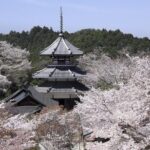
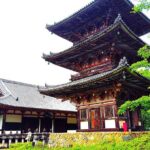
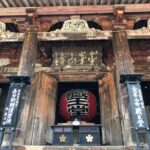
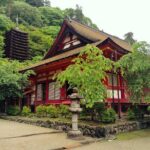
The spiritual heart of Imai, Shonenji Temple, dates back to the 16th century. It’s more than a religious site—it’s a symbol of the town’s resilience and independence. Visitors often remark on how peaceful it is, with some noting the stunning views from its grounds. Best of all, entry is free, and its location makes it an ideal spot for reflection amidst ancient architecture.



Imanishike Residence
Known as one of the oldest homes in Imai, the Imanishi Residence was once the residence of influential local leaders. Tourists love the high-quality woodwork and formal reception spaces, which clearly attest to its status. The guide’s storytelling adds layers to what might otherwise be just a beautiful building, helping visitors appreciate its historical importance.
Former Kometani/Yonetani Residence
Concluding the tour, this modest yet charming home offers a different perspective—one that highlights humble merchant life. Many find that it provides a more authentic, less idealized view of local history, emphasizing the social fabric that kept Imai vibrant and resilient. Preserved structures and simple interiors make it a relatable ending to your walk.
What Travelers Have Said
While the tour has no formal reviews on record yet, the detailed itinerary and the nature of the sites suggest that those who enjoy history, architecture, or authentic community life will find it highly rewarding. The fact that the tour includes access to lesser-known sites means you’ll see a side of Japan often missed by typical guided experiences.
The guide’s role appears crucial, especially given the emphasis on storytelling and local insights. Travelers can expect to learn about merchant life, Edo architecture, and religious history—all delivered with engaging commentary. The access to off-the-beaten-path locations and the chance to walk through well-preserved streets make for a memorable cultural snapshot.
Practical Details and Why They Matter
Duration and Group Size
At about 2 hours and 30 minutes, this tour strikes a balance between depth and convenience. It’s perfect for those with limited time but eager to gain a meaningful understanding of Imai Town. The experience is private, so it’s tailored to your group, which ensures a more personal connection with your guide. Many travelers appreciate the intimate feel and the opportunity to ask questions freely.
Cost and Value
Priced at $120.87 per person, the tour offers access to several historic sites that would otherwise require separate admissions or extensive research. The included access to the Nakabashi Family House, plus the guided narration, makes it a compelling deal for history buffs and culture seekers. With no hidden fees, it’s straightforward and transparent.
Meeting Point and Accessibility
Starting at Yaginishiguchi Station, the meeting point is near public transportation, making it simple to reach. The tour ends back at the same spot, so planning your day around it should be smooth. The tour is suitable for most travelers, with service animals allowed—helpful for those with specific needs.
What to Bring
Given the walking nature of the tour, comfortable shoes and weather-appropriate clothing are recommended. Since meals are not included, you might want to plan for a snack or lunch afterward—there are plenty of local eateries nearby.
Final Thoughts: Who Will Love This Tour?
This experience is ideal for history enthusiasts, architecture lovers, and travelers craving an authentic glimpse into Japan’s Edo-era merchant life. It’s particularly well-suited for those who enjoy walking tours with storytelling and access to hidden local sites. The manageable duration makes it suitable for a day’s outing or as a complementary activity during a broader itinerary in Nara.
If you’re looking for a meaningful connection to Japan’s cultural roots without the crowds or touristy feel, this tour offers a compelling, well-balanced option. The focus on authentic, well-preserved architecture paired with engaging guides turns a simple walk into a memorable journey through time.
Frequently Asked Questions
Is this tour suitable for all ages?
Yes, most travelers can participate, and the walking is manageable. It’s a relaxed pace suitable for families, seniors, and solo explorers.
Does the tour include any meals?
No, meals are not included. You might want to plan for lunch or snacks after the tour since it focuses on sites and history.
Are the sites accessible for people with mobility issues?
Most of the locations are traditional buildings and streets, so accessibility might be limited. It’s best to check with the provider if you have specific needs.
What language is the guide’s commentary in?
Full guidance is provided in English, making it easy for international visitors to follow along and ask questions.
Is the tour private or can I join a group?
This is a private tour, so only your group will participate, offering a more personalized experience.
Can I cancel this tour?
Yes, cancellations are free if made at least 24 hours in advance. This flexibility is helpful if your plans change unexpectedly.
How many sites will we visit?
You’ll explore six main stops, including merchant residences, temples, and the town center, providing a well-rounded view of Imai’s historical fabric.
In all, this guided walk through Imai Town offers a genuine and detailed look into Japan’s past, perfect for those who want to see beyond the postcard scenes and connect with local history, architecture, and traditions. It’s a compact, value-packed experience that leaves you with a richer appreciation for Edo-era life still thriving today.