
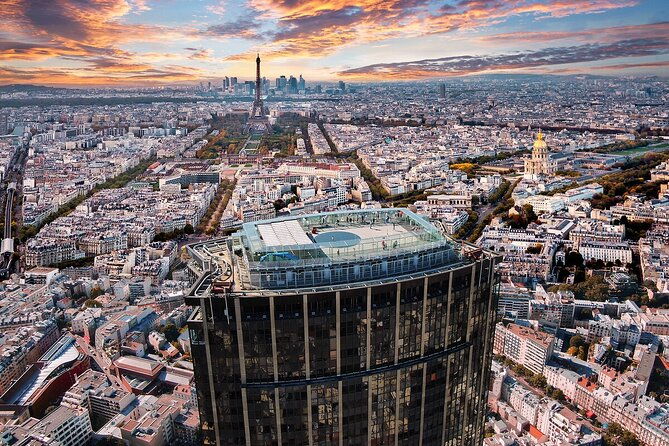
There’s a joke Parisians tell about the Tour Montparnasse: the best thing about the observation deck is that it’s the only place in Paris where you can’t see the Tour Montparnasse. The building is widely considered the ugliest in the city — a 210-metre black glass skyscraper that was so unpopular when it was completed in 1973 that Paris banned the construction of tall buildings in the city centre. And yet the view from the top is genuinely one of the best in Paris. Better than the Eiffel Tower’s. Better than the Arc de Triomphe’s. And dramatically less crowded than either.
The reason is simple: from the top of the Montparnasse Tower, you can see the Eiffel Tower. From the top of the Eiffel Tower, you can see the Montparnasse Tower. One of these views is better than the other.
Best guided: Montparnasse Tower Guided Tour — $47, includes the observation deck plus a neighbourhood walking tour. Perfect 5.0 rating.
Alternative viewpoint: Arc de Triomphe Rooftop — $18, 284 steps to the top of the arch with Champs-Élysées views. 34,000+ reviews.
- The 56th Floor: What You Actually See
- The Rooftop Terrace: Open Air at 210 Metres
- Montparnasse vs. Eiffel Tower vs. Arc de Triomphe
- The Guided Tour: Worth the Extra Money?
- Practical Tips
- Best Tickets to Book
- 1. Montparnasse Observation Deck Entry —
- 2. Montparnasse Tower Guided Tour —
- 3. Arc de Triomphe Rooftop Tickets —
- The History of Paris’s Most Hated Building
- Montparnasse: More Than a Tower
- More Paris Viewpoints and Experiences
The 56th Floor: What You Actually See
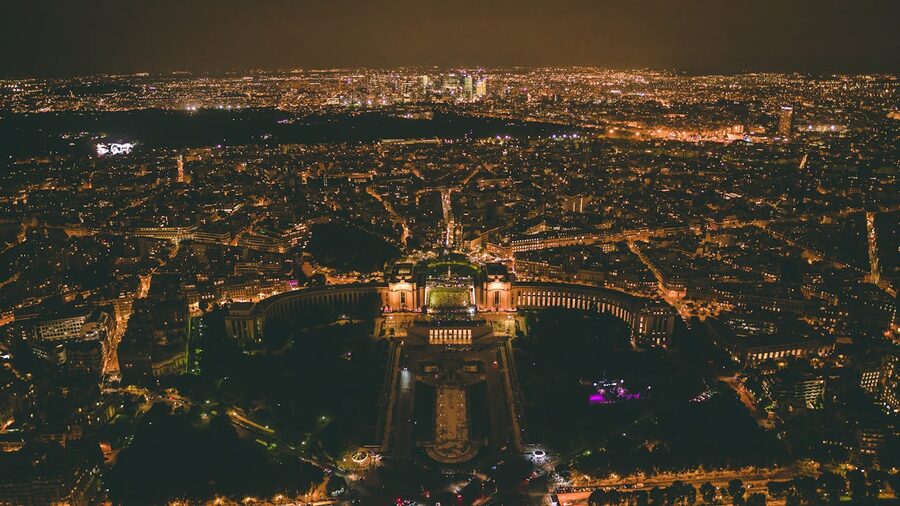
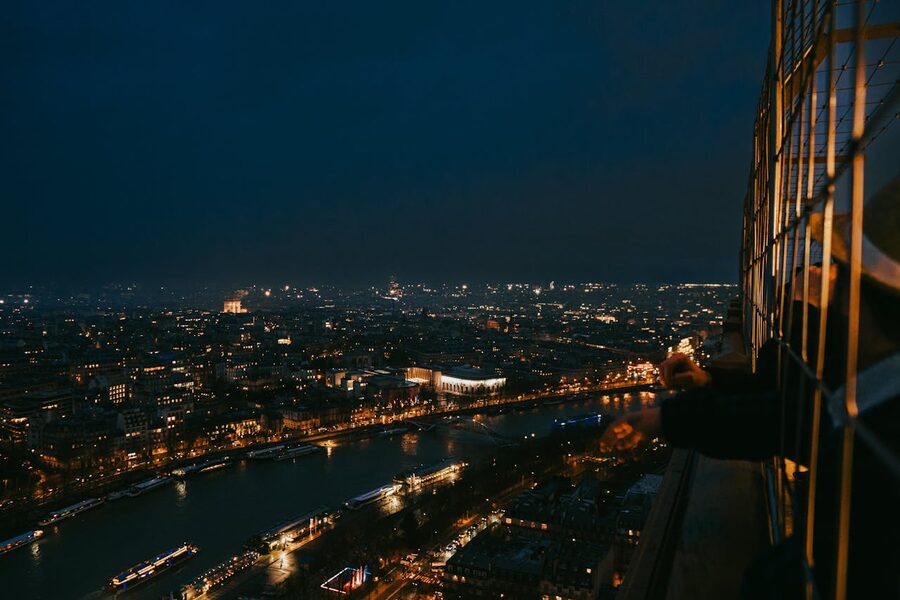
The observation deck is on the 56th floor — the fastest elevator in Europe gets you there in 38 seconds. You step out into a large indoor viewing area with floor-to-ceiling windows on all four sides. Interactive screens identify the landmarks you can see. On a clear day, the visibility extends 40 kilometres, which means you can see beyond Paris to the surrounding countryside.
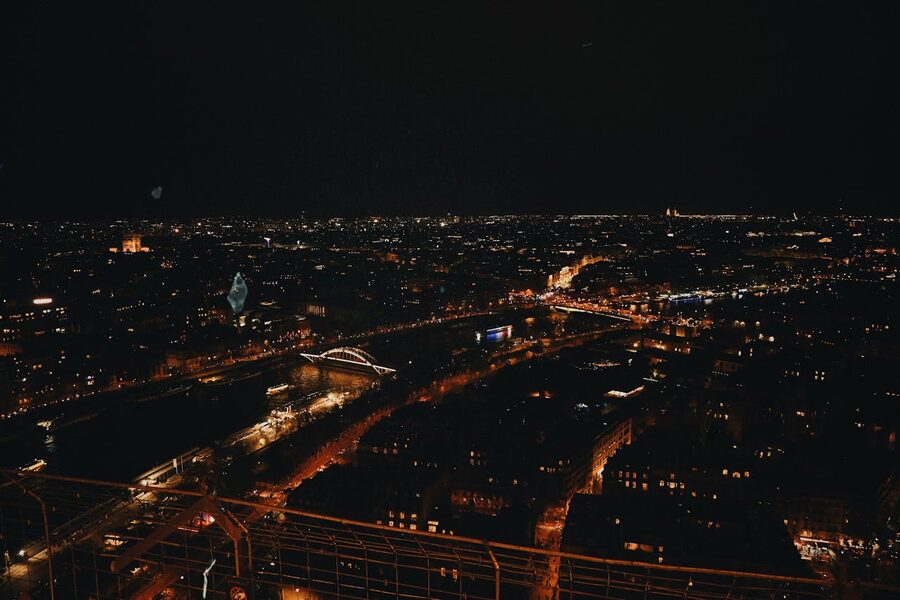
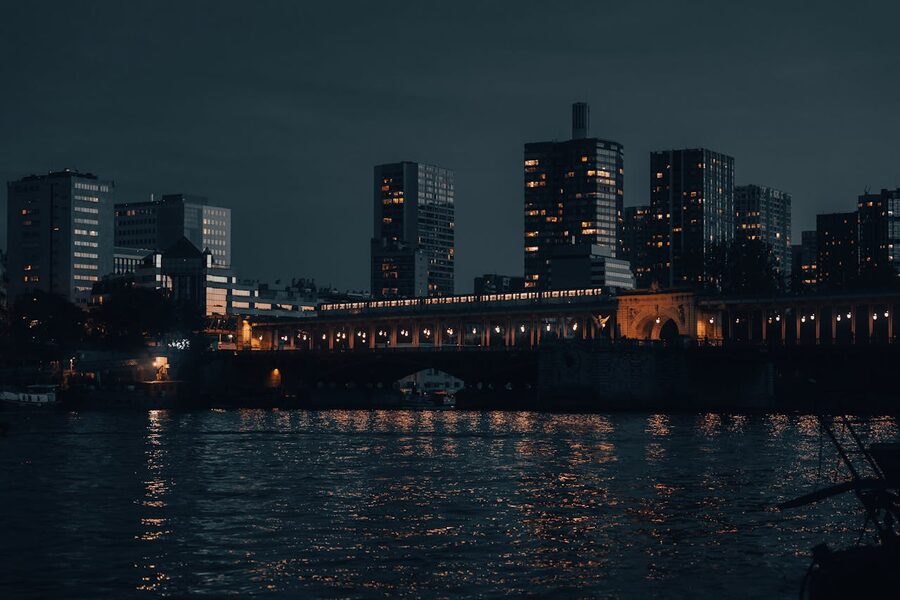
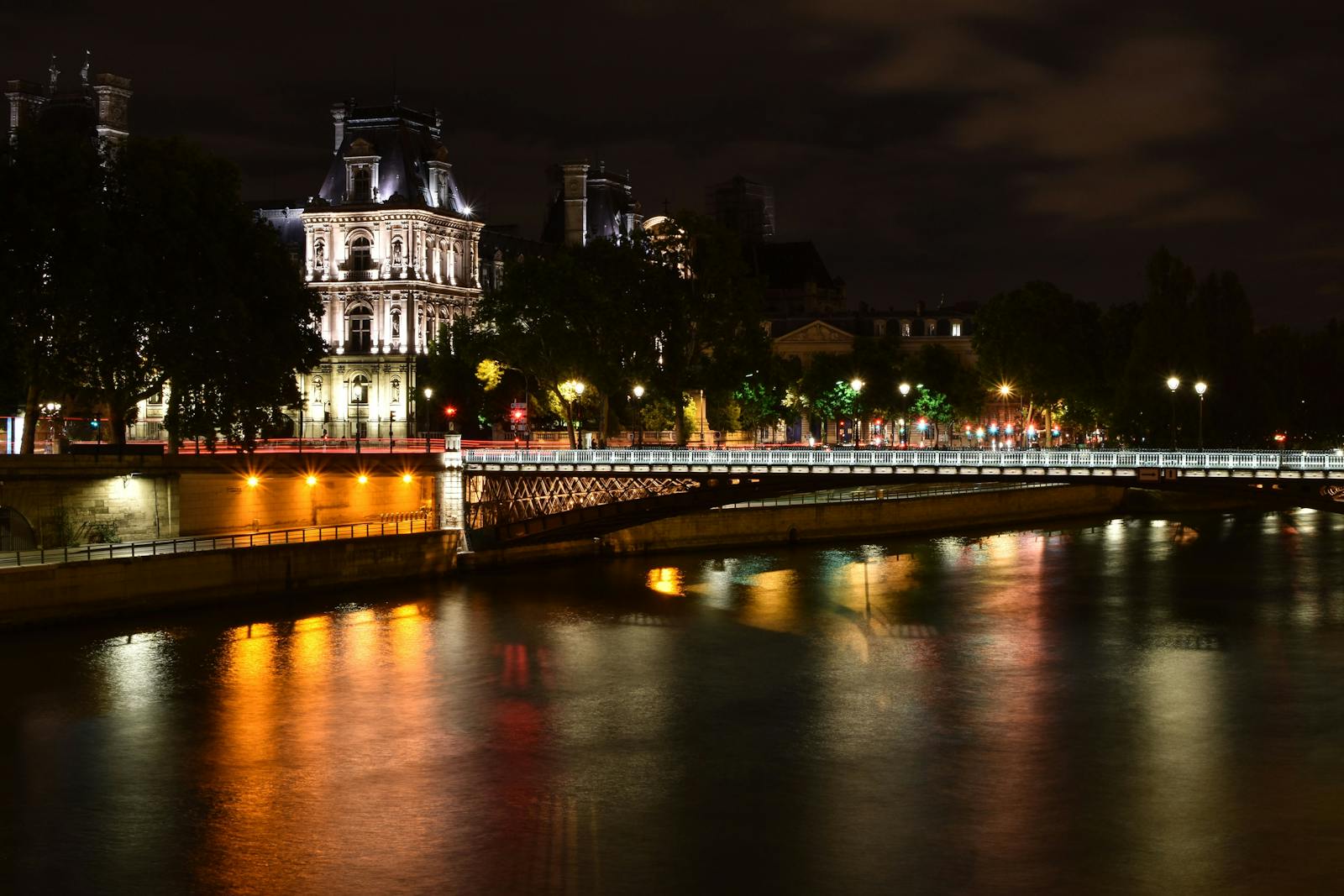
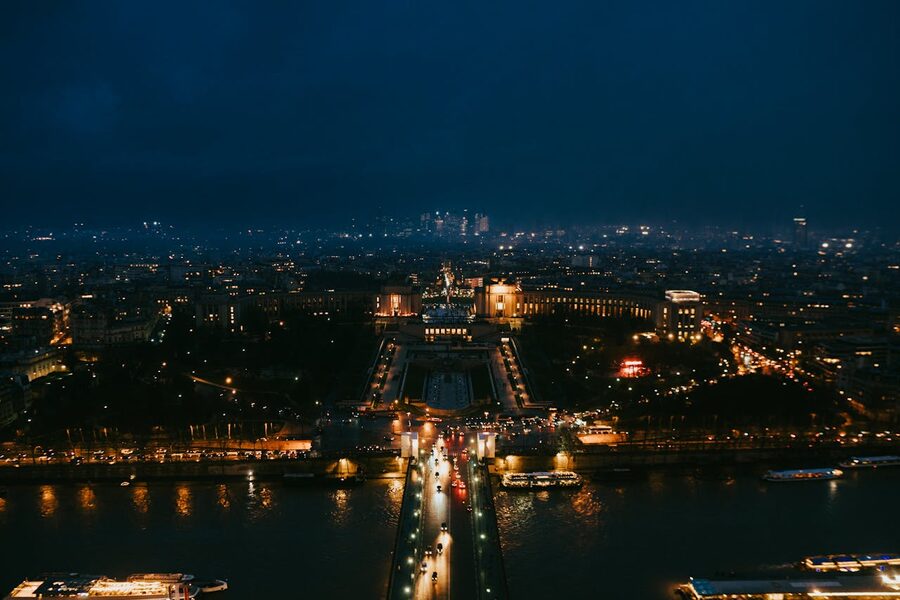
The major landmarks from north to south: the Eiffel Tower (directly ahead), the Arc de Triomphe (to the right), Sacré-Coeur (far right, white dome on the hill), Notre Dame (slightly right of centre, on the island), the Panthéon (nearby, to the left), and the towers of La Défense (far northwest). On a clear day, you can pick out individual streets and trace the Seine’s path through the city. At night, the whole scene becomes a light show.
The Rooftop Terrace: Open Air at 210 Metres
Above the 56th floor, a staircase leads to the open-air rooftop terrace — the highest open-air observation point in Paris. This is where the view really hits you. No glass, no barriers beyond a safety railing, and the wind. The Eiffel Tower is right there, seemingly close enough to touch, with the whole of Paris spread out beneath you.
The rooftop is exposed and can be cold — even in summer, 210 metres of altitude and wind make a jacket essential for evening visits. In winter, the terrace is sometimes closed due to weather. Check before you go if you’re specifically visiting for the outdoor experience.
Montparnasse vs. Eiffel Tower vs. Arc de Triomphe
Paris has three major viewpoints. Each has advantages.
Montparnasse Tower ($23): Best overall view (includes the Eiffel Tower), shortest queues, fastest access. The observation deck is the highest enclosed viewing point in Paris. Downside: the building is ugly from outside and the neighbourhood around the base isn’t Paris’s most charming.
Eiffel Tower ($18-80): The iconic experience. The view is excellent but doesn’t include the Eiffel Tower (obviously). Queues are brutal — often 1-2 hours even with a timed ticket. The experience is as much about being ON the tower as seeing FROM it. More expensive, more crowded, more memorable as a bucket-list item.
Arc de Triomphe ($18): The best value and the best view of the Champs-Élysées — the 12 avenues radiating from the Étoile are dramatic from above. Lower height (50 metres vs 210), so you see less of the wider city. 284 steps, no elevator. The 34,000+ reviews and 4.6 rating make it the most-validated viewpoint in Paris.
My recommendation: if you’re doing one, choose Montparnasse for the view and the Arc for the experience. If you’re doing two, do both — they complement each other perfectly. Save the Eiffel Tower for a separate visit focused on the tower itself rather than the panorama.
The Guided Tour: Worth the Extra Money?
The guided Montparnasse tour ($47) adds a 90-minute walking tour of the Montparnasse neighbourhood to the observation deck visit. The guide covers the area’s extraordinary history — the 1920s expat scene (Hemingway, Fitzgerald, Gertrude Stein), the art studios where Modigliani and Picasso worked, and the famous cafés (La Rotonde, Le Dôme, La Closerie des Lilas) where Lost Generation writers drank and argued.
At $47 (vs $23 for the ticket alone), you’re paying $24 for the guided walk. The 5.0 rating across 153 reviews suggests it delivers. If you have any interest in literary or artistic Paris, it’s the better option. If you just want the view, the standard ticket is fine.
Practical Tips
Best time to visit: Sunset. Arrive 30-60 minutes before sunset, watch the golden hour from the 56th floor, then go up to the rooftop as the city lights come on. The Eiffel Tower sparkle (every hour on the hour from dusk) is visible and dramatic from this distance.
Queues: Minimal compared to the Eiffel Tower. On a busy weekend, you might wait 10-15 minutes. On weekdays, you can usually walk straight in. Booking online saves a few minutes but isn’t essential.
Photography: The indoor viewing area has clean glass but some reflections. For the best photos, use the rooftop terrace. A wide-angle lens (or phone camera on wide mode) captures more of the panorama. The Eiffel Tower sparkle is difficult to photograph — switch to video mode instead.
Duration: 30-45 minutes for a standard visit. 60-90 minutes if you want to catch the sunset transition and stay for night views. Add 90 minutes for the guided tour option.
The neighbourhood: Montparnasse has some of the best crêperies in Paris (the Breton community settled here, bringing their crêpe-making tradition). Rue du Montparnasse has a row of them — pick one that’s busy with locals, order a galette complète (ham, cheese, egg) and a bolée of cider. It’s the cheapest good meal in this part of the city.
Best Tickets to Book
1. Montparnasse Observation Deck Entry — $23
The straightforward option — elevator to the 56th floor, access to the indoor viewing area and rooftop terrace, at your own pace. At $23, it’s the cheapest major viewpoint in Paris and the least crowded. The 38-second elevator ride alone is worth something — the doors open and the entire city appears at your feet. Our review covers the best viewing positions, photography tips, and whether the champagne bar is worth the premium.
2. Montparnasse Tower Guided Tour — $47
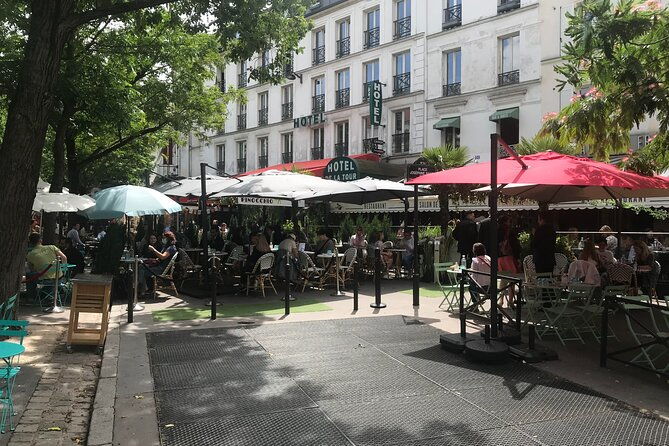
The observation deck plus a 90-minute guided walk through the Montparnasse neighbourhood — covering the 1920s expat scene, the artist studios, and the famous cafés. The guide brings the neighbourhood’s extraordinary history to life before you ascend for the panoramic payoff. At $47, the premium over the standard ticket buys you stories, context, and a local’s perspective. Our review covers the walking route and whether non-literature fans still enjoy the history.
3. Arc de Triomphe Rooftop Tickets — $18
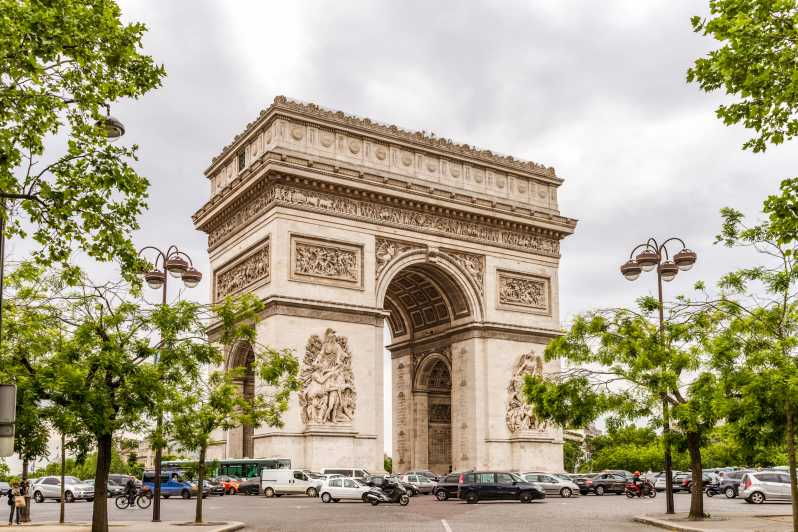
Paris’s other great viewpoint and a natural comparison to Montparnasse. Lower height (50m vs 210m) but a different perspective — the Champs-Élysées radiating from directly below, and the Eiffel Tower offset to one side rather than centred. The 284-step climb is a workout but the views are the reward. Our review compares the Arc’s views directly with Montparnasse and explains which one suits different priorities.
The History of Paris’s Most Hated Building
The Tour Montparnasse was completed in 1973, designed by architects Eugène Beaudouin, Urbain Cassan, and Louis Hoÿm de Marien. At 210 metres and 59 floors, it was the tallest building in France until the Tour First in La Défense surpassed it in 2011. The public reaction was immediate and overwhelmingly negative — Parisians hated it. The city council responded by banning the construction of buildings over seven stories within the city limits, a regulation that largely stands today.
A major renovation project is currently underway, scheduled for completion before the 2024 Olympics (now running slightly late). The plan includes a redesigned facade, improved energy efficiency, and a new rooftop experience. The observation deck remains open during works, though some exterior views may be partially obstructed by scaffolding depending on the renovation phase. Check current status before booking if exterior aesthetics matter to you.
Montparnasse: More Than a Tower
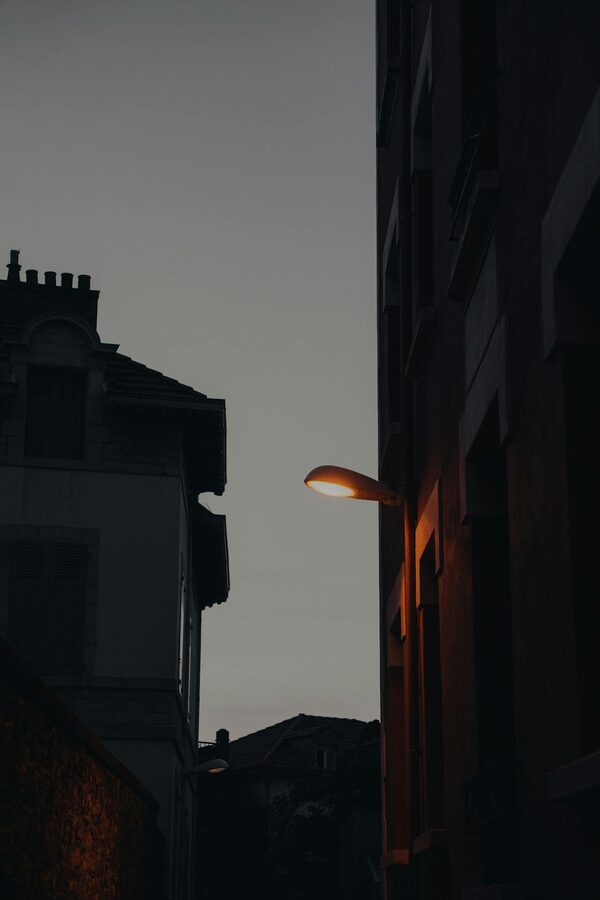
The Montparnasse district was the centre of Parisian artistic life from the 1910s through the 1940s. Before the skyscraper arrived and changed the neighbourhood’s character, this was where the world’s most important artists, writers, and musicians gathered. Hemingway wrote “The Sun Also Rises” at La Closerie des Lilas (still open, still good). Picasso, Modigliani, and Soutine worked in the studios along Rue Vavin. Man Ray photographed Kiki de Montparnasse in the cafés that still bear their original names.
The Cimetière du Montparnasse is the neighbourhood’s quiet anchor — Baudelaire, Sartre, Simone de Beauvoir, Samuel Beckett, and Serge Gainsbourg all rest here. It’s smaller, quieter, and more intimate than Père Lachaise, and the literary density per square metre is probably the highest of any cemetery in the world. Free entry, and you can visit before or after the tower in 30-45 minutes.
More Paris Viewpoints and Experiences
If you’re collecting Paris panoramas, the Hôtel de la Marine loggia offers a street-level view over the Place de la Concorde that’s more intimate than any observation deck. The night tours show you Paris at street level after dark — a completely different perspective from above. And if the Montparnasse neighbourhood walk sparks an interest in literary Paris, the Père Lachaise Cemetery is where many of the writers who drank in Montparnasse ended up — a fitting bookend to the story.