
Travelers looking for a genuine, off-the-beaten-path experience in Nepal will find this 13-day Millennium Homestay Trek a compelling choice. This journey isn’t your typical trek—it’s a deep dive into Nepal’s diverse village life, with visits to over 30 colorful communities, interactions with multiple ethnic groups, and a visit to the fascinating Millennium Cave.
Our review highlights three things we love—the chance for authentic culture, the stunning mountain scenery, and the warmth of local homestays. However, it’s worth noting that this trip involves several days of walking, so good fitness and a love for adventure are key. Perfect for curious travelers eager to see Nepal beyond the tourist trail, this trek offers a rare window into rural life that’s untouched by mass tourism.
Key Points
- Authentic cultural experiences: Stay with local families, enjoy Nepali cuisines, and participate in village activities.
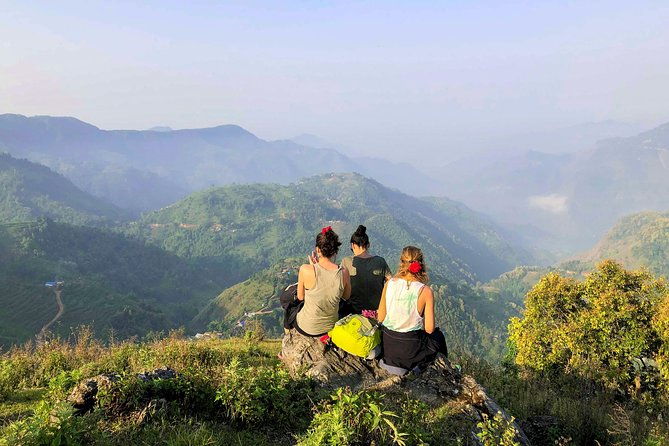
- Stunning scenery: Expect breathtaking views of mountain ranges, lush landscapes, and sacred rivers.
- Community interaction: Engage directly with villagers from more than 10 ethnic groups.
- Unique cave exploration: Discover the Millennium Cave with its waterfalls—an unmissable highlight.
- Expert guides and friendly hosts: Guides like Rajkumar and hosts who make you feel at home.
- Value for money: For $1,500, you get a comprehensive trek blending adventure, culture, and comfort in a remote setting.
- Key Points
- Why the Millennium Homestay Trek Stands Out
- Breaking Down the Itinerary
- Starting in Kathmandu: City Highlights and Cultural Foundations
- Moving to Pokhara and the First Trek Stage
- The Trek Begins: Khairenitar and Village Life
- Exploring Diverse Ethnic Villages and Cultural Aspects
- Visiting the Millennium Cave and Sacred Sites
- Encountering Tibetan Culture and Moving Toward Pokhara
- Returning to Kathmandu and Farewell
- Practical Details and Value
- Costs and What’s Included
- Group Size and Logistics
- Duration and Fitness
- Accommodation and Food
- Weather and Best Time to Go
- What Reviewers Say: Honest Insights
- Authentic Food and Cultural Activities
- Guides and Support
- Who This Tour is Perfect For
- FAQ
- Final Thoughts
- More Hiking & Trekking Tours in Kathmandu
- More Tour Reviews in Kathmandu
- Still browsing? Here are more Kathmandu experiences we've covered recently
Why the Millennium Homestay Trek Stands Out
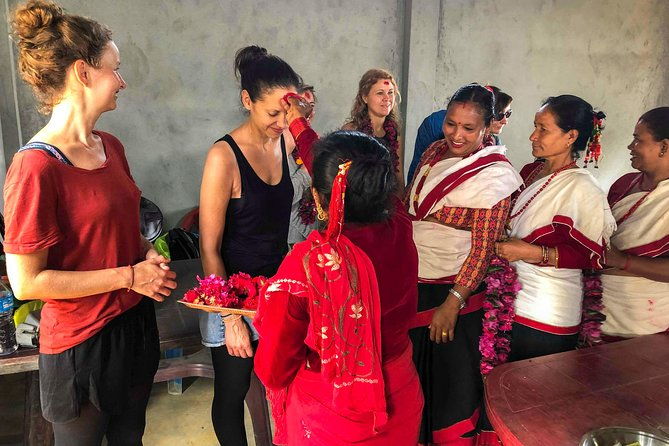
Many travelers enviously gaze at Nepal’s well-trodden Everest or Annapurna routes but miss out on the authentic local flavor. This trek is a breath of fresh mountain air in its purest form. It’s designed for those who crave real interactions, genuine village life, and a chance to see Nepal from the inside out.
What makes this trek particularly appealing is the balance between adventure and cultural exploration. You’ll walk through varied terrains—stone paths, forest trails, and river crossings—while engaging with communities that have kept their traditions alive. Plus, the fact that most activities involve staying with locals and enjoying Nepali home-cooked meals adds a warm, personal touch.
One of the most praised aspects, according to reviewers, is the guides’ knowledge and friendliness. Rajkumar, in particular, earned heartfelt praise, with travelers mentioning how his insights about flora, fauna, and local customs made the trip more meaningful. As one reviewer shared, “He knows a lot about Nepal and speaks English well, making the experience both educational and fun.”
Love being outdoors? Check out these other hiking spots we've covered in Kathmandu
Breaking Down the Itinerary
Starting in Kathmandu: City Highlights and Cultural Foundations
Your journey kicks off in Kathmandu, where you’ll visit Durbar Square and Swoyambhu Mahachaitya, two UNESCO World Heritage sites. These iconic locations give a glimpse into Nepal’s architectural grandeur and spiritual life. Spending time here helps set the tone for the cultural richness that lies ahead.
Reviewers have raved about Kathmandu’s sightseeing, describing it as “magnificent” even for those who aren’t keen on sightseeing. The initial day is a good primer, allowing you to enjoy vibrant markets, ancient temples, and bustling streets.
Moving to Pokhara and the First Trek Stage
A scenic 6-7 hour drive from Kathmandu brings you to Pokhara, often called the “City of Lakes.” Here, you’ll have a relaxing evening by the lake, soaking in mountain views and preparing your gear for the trek. The drive itself offers picturesque views of villages and the Trishuli River, making it a pleasant transition from city to rural scenery.
The Trek Begins: Khairenitar and Village Life
Starting at Khairenitar, your journey begins with a trek towards Bankewa, with a warm welcome awaiting you at your homestay. The focus here is on authentic village life, with chances to explore daily routines and participate in community activities.
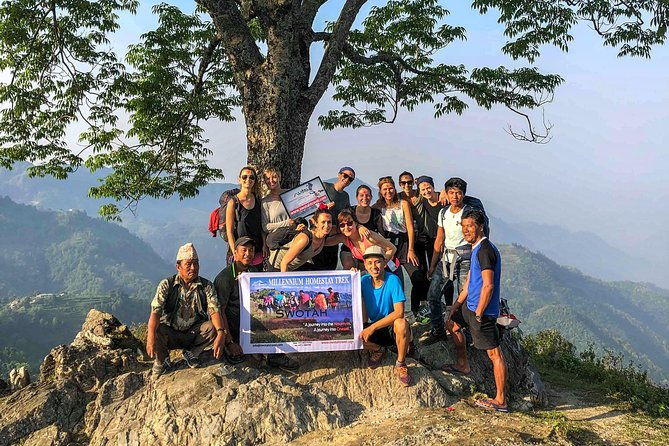
From here, the trek becomes more varied—walking through mountain views, crossing rivers, and passing through spectacular landscapes. The walk to Pyuri Dobhan, considered a holy confluence of three rivers, combines spiritual significance with breathtaking scenery.
One reviewer noted, “We passed through stone paths, mountain villages, and along the Surdaudi river—all with stunning views.” Evening activities might include a shaman show and prayers, offering a spiritual insight into local customs.
- 4 UNESCO World Heritage Site Tour Nepal
- Kathmandu: Private Sightseeing Tour
- Kathmandu: Private/Group 4 UNESCO World Heritage With Lunch
- Kathmandu: 7 UNESCO Sites Private or Group Tour With Lunch
- Kathmandu: Private/Group Tour to 7 UNESCO Sites With Lunch
- Kathmandu: Local Led Cooking Class: Dal Bhat & Momo Making
Exploring Diverse Ethnic Villages and Cultural Aspects
The trekking days include visits to Gurunghe Hill, Lamagaon (a Gurung village), and Gharedi—one of the largest villages in the region. These stops are not just scenic but are opportunities to learn about Nepal’s ethnic mosaic, including Gurung, Newari, and Tibetan communities.
Travelers consistently mention the warm hospitality of villagers and the opportunity to try local foods, sometimes prepared in traditional ways. One reviewer said, “The food was delicious, and the locals made their homestays unforgettably welcoming.”
Visiting the Millennium Cave and Sacred Sites
A standout feature is the exploration of the Millennium Cave, with waterfalls and stalactites, an experience described as “adventurous and awe-inspiring.” It offers a fun and active detour that adds a dash of adventure to the culture.
Later, the trek leads to Kalkhu and Kolma villages, where panoramic views of the Himalayas reward your effort—something many reviewers say makes the days of walking worthwhile.
Encountering Tibetan Culture and Moving Toward Pokhara
Crossing the Seti gorge, you’ll reach the Tibetan camp near Lalim village. Here, you’ll observe the lifestyle of Tibetan refugees, gaining insight into Nepal’s diverse population and the resilience of Tibetan communities.
The final day of walking concludes in Pokhara, where a visit to the Pokhara Museum is highly recommended. Travelers mention Pokhara’s vibrant lakeside nightlife, mountain panoramas, and caves as highlights of their stay here.
Returning to Kathmandu and Farewell
After a scenic drive back to Kathmandu, you’ll have one last chance for sightseeing, shopping, or simply soaking in the city’s ambiance before heading home.
Practical Details and Value
Costs and What’s Included
At $1,500 per person, this trek offers comprehensive value. It covers transportation, homestays, guided visits, and activities like cave exploration and cultural shows. The price reflects not just the trekking but also the cultural experiences and authentic homestay stays, which give travelers a real taste of Nepali life.
Group Size and Logistics
Most trips are limited to a maximum of 10 travelers, ensuring a personalized experience. Transportation includes private pickups, local buses, and jeeps, depending on group size and terrain. The walking is mostly manageable—although some days are longer, reviews note the guides’ attentiveness and the support of porters.
Duration and Fitness
Spanning approximately 13 days, the trek balances walking with cultural activities. Reviewers over 65 and families with children have found it suitable, provided they’re reasonably fit. The trek generally stays below high altitudes, making it accessible without the need for advanced mountaineering skills.
Accommodation and Food
Homestays in village houses are clean, private, and warm. The meals are entirely Nepali—local cuisines that are tasty and hearty. Some reviewers mention that the food varies daily, although a few noted that some days had similar meals, which could be a minor point for those craving variety.
Weather and Best Time to Go
While not explicitly detailed, the trek’s success relies on good weather. You might find the best conditions in spring or autumn when the mountain views are at their clearest.
What Reviewers Say: Honest Insights
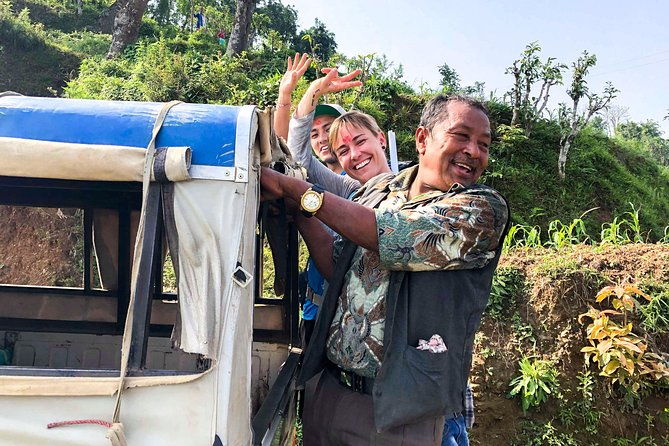
Reviewers consistently praise the guides’ knowledge and friendliness, with Rajkumar standing out. One review mentions how he “knew a lot about Nepal and spoke English,” making interactions educational and enjoyable. The hosting families, many of whom have lived in the villages for generations, are described as warm, generous, and eager to share their culture.
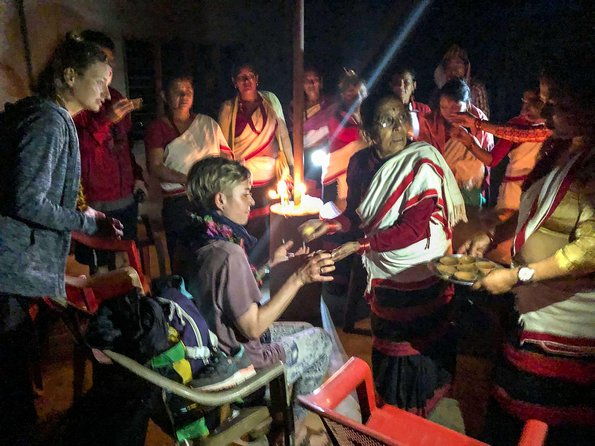
Many reviewers highlight the stunning scenery, from mountain vistas to river crossings, with some describing the trek as “beyond expectations” and “visually breathtaking.” The opportunity to connect with locals—sharing meals, participating in prayers, and hearing stories—adds a layer of richness that many find unmatched.
Authentic Food and Cultural Activities
Every meal in a homestay is prepared by local families, giving you a chance to taste traditional Nepali dishes. Some reviewers appreciated the chance to participate in local ceremonies and hear about spiritual practices, which provided a deeper understanding of the community.
Guides and Support
The guides are often singled out for their professionalism, kindness, and local knowledge. Some mention how guides went above and beyond—showing mountain peaks, sharing folklore, or simply making sure everyone felt comfortable.
Who This Tour is Perfect For
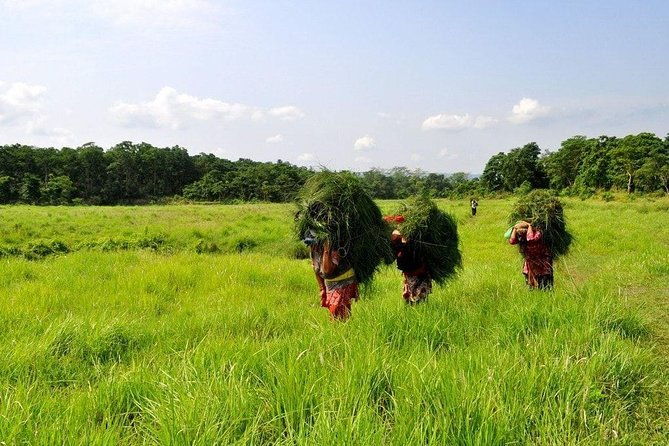
This trek genuinely suits travelers who want more than just scenic views. If you’re interested in cultural exchange, authentic village life, and aren’t fazed by several days of walking, this is an ideal choice. It’s also great for families or seniors with a good level of fitness, as the days are manageable, and the guides are attentive.
While it’s not a luxury experience—homestays are simple but clean—it offers immense value in cultural richness. If your goal is to get off the tourist trail, meet welcoming locals, and see Nepal’s diverse ethnic tapestry, this tour hits the spot.
FAQ
Is the price of $1,500 inclusive of all activities?
Yes, the price covers transportation, homestay accommodations, guided tours, cultural activities, and visits such as the Millennium Cave.
How long is the trek each day?
Most days involve around 5 to 10 hours of walking, with some days being more leisurely and others more challenging, depending on the terrain.
Are the homestays comfortable?
Yes, the homestays are described as private, clean, and cozy, with basic amenities that allow for authentic local living.
What kind of food will I eat?
Expect traditional Nepali cuisines cooked by local families, often featuring rice, vegetables, lentils, and local herbs. Some reviewers found the food delicious and hearty.
Is this trek suitable for children or seniors?
Many travelers over 65 have completed it successfully, provided they are reasonably fit. Families with young children have also enjoyed it, but it’s best to check your fitness level.
What is the main highlight of this tour?
Apart from the stunning mountain vistas, visitors rave about the cultural interactions, the Millennium Cave adventure, and the chance to learn about Nepal’s ethnic diversity.
How physically demanding is the trek?
While some days involve steep ascents, many reviewers mention that the guides support the group well, and the scenery makes the effort worthwhile.
What should I pack?
Layered clothing for varying weather, sturdy walking shoes, a water bottle, and a camera. Homestays provide basic but comfortable accommodations, so pack accordingly.
When is the best time to do this trek?
While not explicitly stated, generally spring and autumn are ideal for trekking in Nepal due to clearer skies and milder weather.
Final Thoughts
The Millennium Homestay Trek offers a rare chance to see Nepal through the eyes of its rural communities. It’s a blend of adventure, cultural discovery, and authentic hospitality—all for a reasonable price considering the depth of experience.
If you’re looking for a journey that combines scenic beauty, meaningful human connections, and adventure, this trek will not disappoint. It’s especially suited for travelers eager to step off the tourist trail, embrace local life, and create stories that will stay with them long after they’re back home.
This is a trip for the curious, the adventurous, and those who believe that sometimes, the best way to understand a country is to live it.
More Hiking & Trekking Tours in Kathmandu
More Tour Reviews in Kathmandu
Still browsing? Here are more Kathmandu experiences we've covered recently
- Discover 12 Great Airport Transfers In Kathmandu
- 14 Best Tours In Kathmandu
- Which Kathmandu Tours & Experiences To Choose? Our Best 12 Picks
- 5 days Pokhara City Private Tour from Kathmandu
- Kathmandu: Everest Base Camp Helicopter Tour with Breakfast
- Kathmandu to Lukla one way Flight Ticket
- 1 Day Shivapuri Hiking from Kathmandu
- Poon Hill Trek – 5 Day / 4 Night (ex Kathmandu) – Daily Departure
- 11 days Panorama Panchase Homestay Trek
- 2 Days Seven Heritage and Nagarkot Sunrise Tour
- Kathmandu: Khumai Danda Trek with Meals and Guide
- Kathmandu City Tour