
Step back in time and unravel the secrets of the ancient Antikythera Mechanism. This hands-on workshop invites you to construct a functional replica of this remarkable analog computer, unlocking the mathematical and engineering brilliance of ancient Greece. Dive into the gears and astronomical functions, gaining a deeper appreciation for the technological marvels of antiquity. What mysteries await as you bring home your own piece of history? Explore the ingenuity that predates modern laptops by centuries.
- Key Points
- Unveiling the Antikythera Mechanism
- Exploring the Museum of Ancient Greek Technology
- Hands-On With the Antikythera Mechanism Replica
- Understanding the Genius of Greek Calculating Devices
- The Antikythera Mechanism: A Technological Marvel
- Unraveling the Secrets of the Antikythera Mechanism
- Discovering the National Garden’s Historical Significance
- Bringing Home a Piece of Ancient Greek Technology
- More Private Drivers in Athens
- More Private Tours in Athens
- More Tour Reviews in Athens
- Still browsing? Here are more Athens experiences we've covered recently
Key Points

-
Construct a functional replica of the Antikythera Mechanism, an ancient Greek analog computer, to understand its complexity and engineering capabilities.
-
Engage in a hands-on workshop that allows you to assemble the intricate gears and components of the mechanism, mirroring the innovative spirit of ancient Greek technology.
-
Explore the mechanism’s advanced functions for predicting astronomical events, highlighting the mastery of mathematics and astronomy in ancient Greece.
-
Gain an appreciation for the Antikythera Mechanism’s significance as a precursor to modern computing and its continued influence on research and fascination.
-
Combine the workshop experience with a guided tour of ancient Greek ruins and landmarks, providing historical context and enhancing your understanding of the Antikythera Mechanism’s place in antiquity.
Unveiling the Antikythera Mechanism
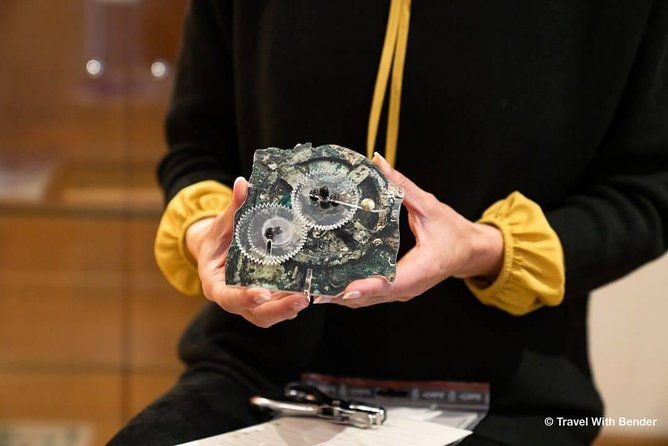
Although the Antikythera Mechanism is often described as the world’s first analog computer, its true nature long remained a mystery.
Discovered in 1901 off the Greek island of Antikythera, this ancient device was a complex bronze mechanism with over 30 precise gears.
Researchers have now determined it was used to predict the movements of the sun, moon, and planets.
The Antikythera Mechanism was used to predict the movements of the sun, moon, and planets, a remarkable feat of ancient Greek astronomy.
By studying the intricate inscriptions and gear structure, they’ve uncovered its sophisticated astronomical functions – a technological marvel from more than 2,000 years ago.
This remarkable relic offers a glimpse into the advanced knowledge of ancient Greek scientists.
Looking for more options in Athens? We've reviewed plenty of other experiences.
Exploring the Museum of Ancient Greek Technology
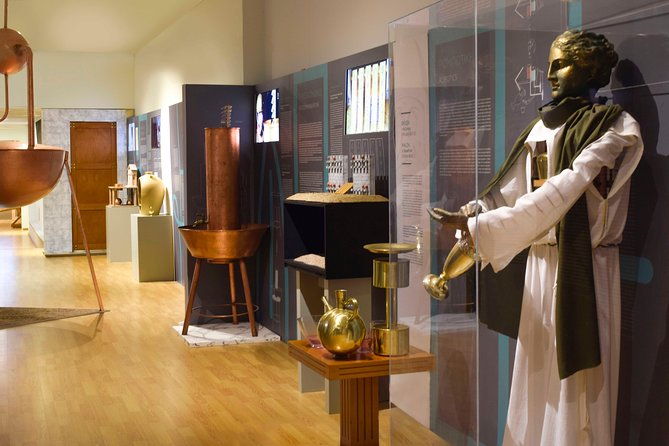
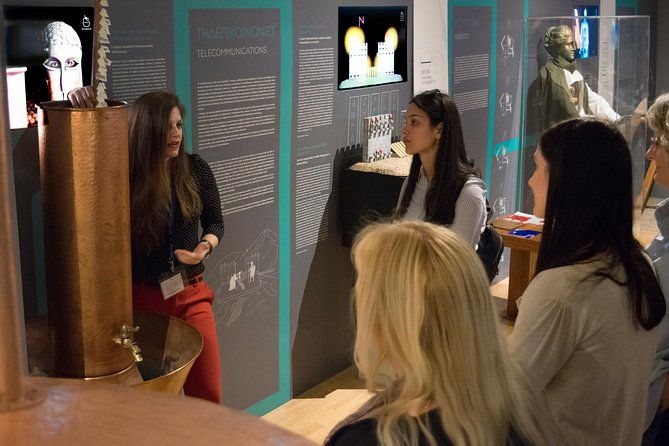
The Kotsanas Museum of Ancient Greek Technology provides visitors with a captivating journey through the remarkable technological advancements of ancient Greece.
During the guided tour, guests explore fascinating replicas of ancient calculating devices, including the remarkable Antikythera Mechanism.
The highlight is the one-hour workshop where participants assemble their own functional replica of this ancient "computer."
Visitors leave with a deeper appreciation for the ingenious minds of Greek scholars and can proudly display their Antikythera Mechanism replica and abacus at home.
The museum’s collection showcases the rich technological heritage of ancient Greece, inspiring wonder and admiration.
Hands-On With the Antikythera Mechanism Replica
After exploring the remarkable technology on display at the Kotsanas Museum, visitors eagerly anticipate the highlight of the experience – assembling their own replica of the ancient Antikythera Mechanism.
Under the guidance of the museum staff, participants dive into this captivating hands-on workshop. They:
-
Carefully construct the intricate gears and components of the mechanism, marveling at the ingenuity of ancient Greek engineering.
-
Learn about the mechanism’s complex functions, including its ability to predict astronomical events and calendar dates.
-
Delight in the satisfaction of bringing this ancient "computer" to life and taking home their own working model.
Understanding the Genius of Greek Calculating Devices
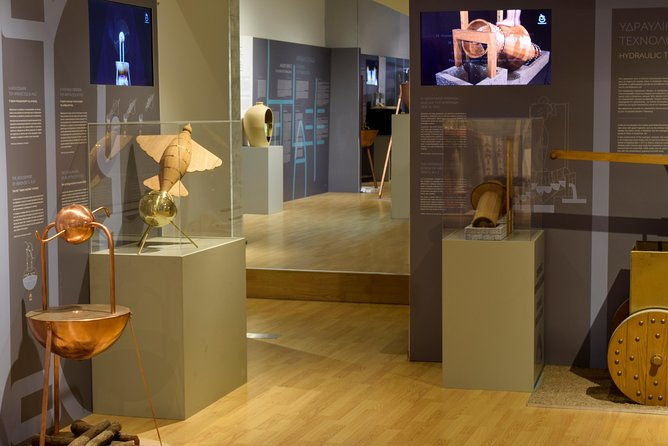
Beneath the Antikythera Mechanism‘s awe-inspiring complexity lies the remarkable ingenuity of ancient Greek calculating devices.
These sophisticated tools, like the Antikythera, were marvels of engineering, incorporating complex systems of gears, dials, and pointers to track celestial movements and even predict lunar and solar eclipses.
The Greeks’ mastery of mathematics and astronomy is evident in their ability to construct these intricate mechanisms centuries before the modern computer.
Exploring these ancient calculating devices offers a glimpse into the brilliance of Greek thinkers, whose innovative spirit laid the groundwork for our modern technological advancements.
The Antikythera Mechanism: A Technological Marvel
Discovered in 1900 on the seafloor near the Greek island of Antikythera, the Antikythera Mechanism has captivated scholars and technology enthusiasts alike.
This ancient analog computer was designed to predict astronomical events, such as eclipses and the positions of the sun, moon, and planets.
The Antikythera Mechanism’s complexity is remarkable:
-
It consists of over 30 bronze gears and dials, which were used to calculate and display celestial movements.
-
Researchers believe it was designed in the 2nd century BC, showcasing the advanced engineering capabilities of ancient Greek scholars.
-
Today, replicas of the Antikythera Mechanism provide valuable insights into the technological brilliance of the ancient world.
- Delphi Oracle Premium Tour With Live Guide and Entrance Tickets
- 4-Day Classical Greece Tour: Epidaurus, Mycenae, Olympia, Delphi, Meteora
- Essential Athens Highlights Plus Cape Sounion Skip-The-Line Tour
- Highlights of Athens Biketour
- Small Group, Delicious Athens Food Tour
- Meteora Monasteries Day Trip From Athens With Optional Lunch
Unraveling the Secrets of the Antikythera Mechanism
The Antikythera Mechanism‘s intricate complexity has long captivated researchers, who’ve dedicated decades to unraveling its secrets.
This ancient Greek device, dating back to the 2nd century BC, functioned as a sophisticated astronomical calculator.
Reconstructions reveal its ability to predict celestial events like lunar and solar eclipses.
Researchers continue studying the mechanism’s ingenious engineering, decoding its inscriptions, and exploring its applications in ancient Greek society.
While mysteries linger, the Antikythera Mechanism stands as a remarkable testament to the technological prowess of the ancient Greeks, inspiring ongoing fascination and investigation.
Discovering the National Garden’s Historical Significance
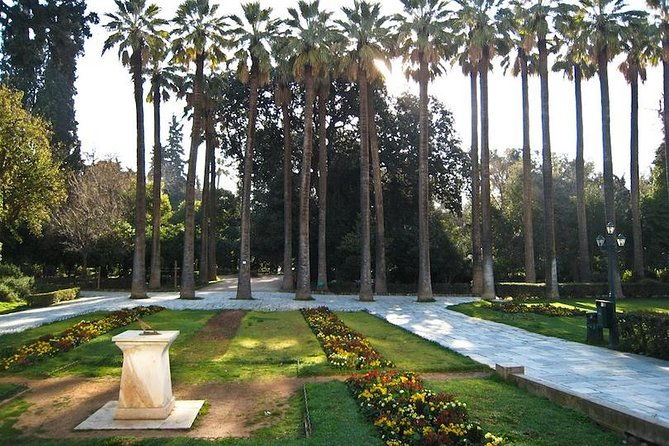
As visitors explore the Kotsanas Museum of Ancient Greek Technology, they may be surprised to learn that the tour also includes a walking component through the nearby National Garden.
Visitors exploring the Kotsanas Museum may be surprised to find the tour includes a walk through the nearby National Garden.
This picturesque green space offers a glimpse into Greece’s rich history. The tour highlights:
-
Ancient Greek ruins and artifacts scattered throughout the garden, remnants of the Lyceum, a famous ancient Greek gymnasium and philosophy school.
-
Diverse flora, including rare plant species from ancient Greece, meticulously maintained to preserve the garden’s historical authenticity.
-
Landmarks like the Zappeion Hall, a 19th-century neoclassical building that once hosted the first modern Olympic Games.
Bringing Home a Piece of Ancient Greek Technology
Participants of the Kotsanas Museum tour won’t leave empty-handed.
They’ll assemble a replica of the fascinating Antikythera Mechanism – the "computer of Antiquity" – and take it home. This ancient Greek calculating device, discovered in a shipwreck, is a technological marvel. Recreating it provides an immersive learning experience.
Visitors also receive a functional Greek abacus, another groundbreaking ancient calculator. These hands-on artifacts offer a tangible connection to the ingenuity of Greek engineers centuries ago.
Carrying home these replicas lets travelers continue exploring this remarkable history long after the tour ends.
More Private Drivers in Athens
- Athens and Cape Sounio Private Day Tour with Private Driver
- From Athens: Greek Islands Private Helicopter Transfer
- Private Transfer Athens Airport Pick-up (Shuttle Service)
- Athens hotels to Athens airport Private departure transfer
- Piraeus Port/ Hotel To Athens AirPort Private Transfer Service
- Private Luxury Transfer from Athens to Athens Airport
More Private Tours in Athens
- Athens: Ancient and Modern Highlights Private Guided Tour
- Athens: The city streets and great eats private tour
- Athens Family Quest: Acropolis Adventures – Private
- Athens and Cape Sounio Private Day Tour with Private Driver
- Athens: Private Acropolis Museum By Night Tour
- Athens: City Highlights Private Tour with Temple of Poseidon
More Tour Reviews in Athens
Still browsing? Here are more Athens experiences we've covered recently
- 5 Best Hiking And Trekking Tours In Athens (With Prices)
- The Top 3 Spa & Hot Springs Experiences In Athens
- 14 Best Wine Tours In Athens (With Prices)
- We Rank Athens’s 3 Top Drinking Tours
- 13 Best Workshops & Classes In Athens (With Reviews & Prices)
- 12 Top-Rated Athens Lunch Experiences
- 12 Best Walking Tours In Athens
- The 4 Best Snorkeling Experiences In Athens
- What Are The Best Tours In Athens? Our Top 14 Picks
- Athens’s 13 Best Food Tours: Which To Choose?
- Our Picks For The 7 Best Shopping & Market Tours In Athens
- The 4 Most Popular Massage & Relaxation Services In Athens