
Luxor West Bank 2: Habu Temple, Ramesseum Temple, and Deir El Madina — A Detailed Review
Planning a trip to Egypt’s legendary Luxor often involves a whirlwind of temples, tombs, and ancient ruins. If you’re seeking a more intimate, insightful experience of the West Bank’s treasures, this private tour offers just that. We’re here to unpack what makes it special, what to expect, and whether it’s the right fit for your adventure.
Three things we love about this experience: First, the personalized attention with a qualified Egyptologist guide ensures you don’t just see the sights but understand their stories. Second, the comfortable, air-conditioned transport makes a long day much more manageable, especially in the desert heat. Third, the flexible start times mean you can tailor your morning to your pace — no need to rush.
One potential consideration is the extra cost of entrance fees, which aren’t included in the tour price. Travelers should be prepared to pay with a card on-site, adding a small layer of planning. This tour suits history buffs, photography lovers, or anyone eager for a deeper dive into Luxor’s lesser-visited sites without sacrificing comfort or expert insights.
- Key Points
- Exploring Luxor’s West Bank: What to Expect
- The Convenience of Private Transportation and Flexible Timing
- The Significance of a Qualified Egyptologist Guide
- Habu Temple: One of Egypt’s Best-Preserved Wonders
- What Makes Habu Temple Special?
- What to Expect During the Visit
- Insider Tip
- The Ramesseum: Ramesses II’s Majestic Memorial
- Why Visit the Ramesseum?
- What You’ll Experience
- A Note on Timing
- Valley of the Artisans: Discovering Deir El Medina
- What Sets Deir El Medina Apart?
- What to Expect in This Component of the Tour
- Why It Matters
- Wrapping Up the Day: Return to Luxor
- A Closer Look at the Tour’s Value
- Final Thoughts: Who Should Consider This Tour?
- FAQs
- More Private Drivers in Luxor
- More Private Tours in Luxor
- More Tour Reviews in Luxor
- Still browsing? Here are more Luxor experiences we've covered recently
Key Points
- Private, guided experience with an Egyptologist for tailored insights
- Comfortable transportation in air-conditioned vehicles for a hassle-free day
- Flexible scheduling to align with your travel plans
- Authentic sites not always included in standard tours, like Deir El Medina and Habu Temple
- Value for money considering the expert guidance and exclusive access
- In-depth exploration of lesser-known but historically significant sites
Exploring Luxor’s West Bank: What to Expect
Looking for more options in Luxor? We've reviewed plenty of other experiences.
The Convenience of Private Transportation and Flexible Timing
From your hotel or Nile cruise, your guide will arrive punctually in a private, air-conditioned vehicle — a relief after a hot morning wandering ruins. The drive to the West Bank takes around 45 minutes, with scenic views of the Nile and lush farmlands that give you a glimpse of local life. Having your own transport means you can enjoy the journey rather than navigating crowded buses or shared tours, plus you’re free to set a start time that works best for you.
The Significance of a Qualified Egyptologist Guide
The true value of this tour lies in the expert guidance provided by a licensed Egyptologist. As one reviewer noted, Owf, the guide, was “extremely knowledgeable and good company,” keen to share detailed insights. Expect to learn not just what you’re seeing but why it’s important, with stories that bring the stones to life. Such personalized guidance enhances your understanding of the sites, especially lesser-visited ones like Deir El Medina or the walls of Habu Temple that feature intricate carvings of Ramesses III’s victories.
Habu Temple: One of Egypt’s Best-Preserved Wonders
What Makes Habu Temple Special?
Located at the southern end of the Theban Necropolis, Madinat Habu is often overlooked by travelers rushing to the more famous Karnak or Luxor Temples. Yet, this site is a treasure trove of well-preserved bas-reliefs and murals. It’s also surrounded by a massive mud-brick enclosure wall that may have been fortified, hinting at its strategic importance.
- Private Tour in Valley of the Kings, Habu Temple and Valley of the Nobles
- Full Day Tour of Luxor West Bank Temples and Tombs (Private)
- Jewel of the Nile Luxor-Aswan-Abu Simbel 5 days with tour guided & sightseeing
- Luxor Full Day Tour with Hot air Balloon Trip
- Private Transfer From Luxor Airport To Luxor Hotels
- Private Transfer from Luxor Airport to the Hotels
What to Expect During the Visit
You’re likely to spend about an hour and a half here, exploring the temple’s expansive courtyards and walls. Your guide will point out scenes depicting Ramesses III’s triumphs over the Sea Peoples, as well as the royal palace structures. One reviewer appreciated the chance to wander at a relaxed pace and admired the impressive carvings that have survived for thousands of years.
Insider Tip
Since admission isn’t included in the tour price, remember to bring a card for the entrance fee. Visiting Habu offers a quieter, more contemplative experience compared to busier sites, making it ideal for photographers and history enthusiasts alike.
The Ramesseum: Ramesses II’s Majestic Memorial
Why Visit the Ramesseum?
Across the Nile from Luxor, the Ramesseum is the mortuary temple of Ramesses II, and it’s famed for its colossal statues and detailed reliefs. The 62-foot (19-meter) statue of Ramesses II is an awe-inspiring sight, a testament to his grandeur and self-image.
What You’ll Experience
Expect about an hour of exploring this site, with your guide highlighting the carved scenes of battles, festivals, and divine offerings. The reliefs are incredibly detailed, giving a glimpse into the ceremonial life of one of Egypt’s most prolific pharaohs. A reviewer remarked that the guide’s knowledge made the visit particularly meaningful, especially when explaining the context behind the intricate carvings.
A Note on Timing
While the Ramesseum is spectacular, some travelers felt the visit was a little rushed. To get the most out of it, consider the pace you prefer — the private nature of the tour allows for flexibility if you want to linger longer.
Valley of the Artisans: Discovering Deir El Medina
What Sets Deir El Medina Apart?
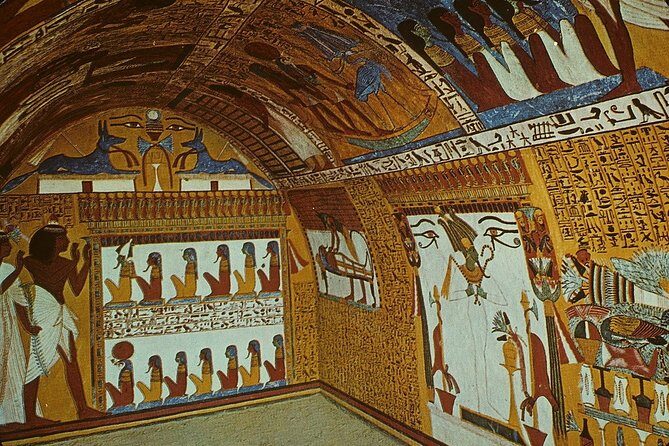
This site, also known as the Valley of the Workers, was home to artisans who crafted the tombs in the Valley of the Kings during Egypt’s New Kingdom. Unlike the grand temples, Deir El Medina offers a glimpse into the everyday lives of those who built Egypt’s royal tombs. Its vibrant tomb paintings depict scenes from daily life, work, and family, making it a colorful contrast to the stone monuments.
What to Expect in This Component of the Tour
Spending around an hour here, you’ll see family tombs with vivid frescos, some of which are surprisingly well-preserved. The guide will share insights into the artisans’ lives, revealing how skilled craftsmen contributed to Egypt’s iconic funerary architecture. A reviewer noted the “impressive paintings and the chance to take photographs,” which can be tricky in more crowded sites.
Why It Matters
Visiting Deir El Medina enriches your understanding of the larger tomb-building industry, showing the human side of Egypt’s ancient funerary practices.
Wrapping Up the Day: Return to Luxor
After a busy morning exploring these historical sites, your driver will take you back to your hotel or cruise in Luxor around 45 minutes later. The comfortable journey allows reflection on the sights while avoiding the fatigue of navigating alone.
A Closer Look at the Tour’s Value
At $63 per person, this private tour offers an impressive balance of cost, expertise, and access. Including a knowledgeable guide and private transport, it’s great value considering the depth of insight you’ll gain. Entrance fees aren’t included, but paying by card on-site is straightforward, and the tour’s flexibility can help you prioritize sites or linger longer where you’re most engaged.
The small-group or private format means you won’t be rushed or lost in a crowd — your guide can adapt the pace and focus on what interests you most. The reviews underline the quality of the guiding, with one guest emphasizing Owf’s “extremely knowledgeable” approach and engaging storytelling.
This tour is ideal for those who want to go beyond the main tourist spots and explore lesser-known but equally fascinating parts of Luxor’s West Bank. It’s perfect for history enthusiasts, photography lovers, or anyone wanting a more personalized, relaxed experience.
Final Thoughts: Who Should Consider This Tour?
If you’re after a focused, immersive visit to Luxor’s West Bank, this private tour ticks all the boxes. It’s best suited for travelers who value expert insights and prefer tailored experiences over large group excursions. The inclusion of sites like Habu Temple and Deir El Medina offers a different perspective from the often-crowded major temples, making it ideal for those craving a more authentic encounter with Egypt’s ancient past.
The tour’s flexibility and comfort make it appealing for families, solo travelers, or couples wanting a stress-free day with rich content. The high praise from previous visitors suggests you’ll come away with not just photos but stories and knowledge to impress back home.
In short, this tour is a well-balanced way to deepen your understanding of Egypt’s history, enjoy sightseeing at your own pace, and experience the West Bank’s hidden gems.
FAQs
Is this tour suitable for all ages?
Yes, most travelers can participate, especially those interested in history and archaeology.
Can I choose the start time for the tour?
Yes, the tour offers flexible morning start times to suit your schedule.
Are entrance fees included?
No, entrance fees are paid separately at each site by card.
How long is the drive from Luxor to the West Bank?
Approximately 45 minutes, offering scenic views of the Nile and the countryside.
What language options are available?
English is standard, with other languages available upon request for an extra charge.
Is the tour private or shared?
It’s a private experience, with only your group participating.
What do I need to bring?
Bring a card for entrance fees, water, and comfortable shoes for walking.
Can I be picked up from Luxor Airport?
Yes, but there is an additional charge for airport pickup or drop-off.
To sum it up, this Luxor West Bank tour offers an immersive, comfortable, and insightful way to discover some of Egypt’s most fascinating archaeological sites. With expert guides and the freedom to explore at your own pace, it’s an excellent choice for travelers eager to understand the stories behind the stones and enjoy a more personal connection with Egypt’s ancient culture.
More Private Drivers in Luxor
- Guided tour to Temple Of Queen Hatshepsut With transfer
- Luxor: One-night Nile Cruise to Aswan with Transfer
- Karnak Temple Sound & Light Show QR Ticket with Transfer
- Private Transfer by Private Vehicle from Luxor to Hurghada or Return
- Private Transfer to Karnak Temple from Luxor Hotels
- Luxor Private Transfer Hotel to Airport or vice versa
More Private Tours in Luxor
- Avenue of Sphinxes Private Day Tour From Luxor
- East and west banks private day tour included Balloon Ride
- Private Full Day West Bank: Valley of kings Hatshepsut &More
- Luxor: West Bank, Edfu Private Guided Tour, lunch & Felucca
- From Luxor: Private Edfu and Kom Ombo Temples Tour & Lunch
- Luxor: Dendera and Medinet Habu Private Guided Day Tour
More Tour Reviews in Luxor
- Luxor to Abu Simbel 4 Days Tours
- Pyramids to Penguins: Sand and Snow Adventure in Cairo
- Luxor Day Tour visit Dendara and Abydos temples
- Hurghada: Luxor Highlights Guided Full Day trip with Lunch
- Guided tour to Temple Of Queen Hatshepsut With transfer
- From Hurghada: Cairo and Luxor 2-Day Trip w/Hotel & Flights
Still browsing? Here are more Luxor experiences we've covered recently
- Luxor to Abu Simbel 4 Days Tours
- Pyramids to Penguins: Sand and Snow Adventure in Cairo
- Luxor Day Tour visit Dendara and Abydos temples
- Hurghada: Luxor Highlights Guided Full Day trip with Lunch
- Guided tour to Temple Of Queen Hatshepsut With transfer
- From Hurghada: Cairo and Luxor 2-Day Trip w/Hotel & Flights
- Luxor: Hot Air Balloon Ride with Full-Day Sights Tour
- Luxor: Karnak Sound And Light Show With Dinner, Felucca
- Hurghada: Small-Group Luxor Day Tour & Sunrise Balloon Ride
- Avenue of Sphinxes Private Day Tour From Luxor
- Luxor: West and East Banks All-Inclusive Tour & Balloon Ride
- East and west banks private day tour included Balloon Ride