
Lisbon’s post-colonial culinary experience offers visitors a unique opportunity to explore the city’s rich cultural heritage. By showcasing a fusion of flavors from former colonies, this gastronomic journey sheds light on the historical connections and cultural exchanges that have shaped Portugal’s diverse cuisine. From savoring Angolan coffee to indulging in São Tomé chocolate, the experience promises an enlightening exploration of Lisbon’s post-colonial identity. Travelers eager to uncover the narratives behind these flavors will find this feast a captivating gateway into the city’s multicultural past.
- Key Points
- A Glimpse Into Portugal’s Colonial Past
- Exploring Lisbon’s Post-Colonial Communities
- The Influence of Former Colonies on Portuguese Cuisine
- Discovering Angolan Coffee and Chocolate From São Tomé
- Savoring the Flavors of Cape Verdean Cachupa
- The Role of African Religions in a Brazilian Icon Shop
- Insights From an Informative and Knowledgeable Guide
- A Standout Experience for Visitors to Portugal
- Frequently Asked Questions
- Can I Customize the Food Options on the Tour?
- Is Photography Allowed During the Tour?
- Do I Need to Bring Any Special Equipment?
- How Much Walking Is Involved During the Tour?
- Is the Tour Suitable for Vegetarians or Those With Dietary Restrictions?
- The Sum Up
- More Tour Reviews in Lisbon
- Still browsing? Here are more Lisbon experiences we've covered recently
Key Points
-
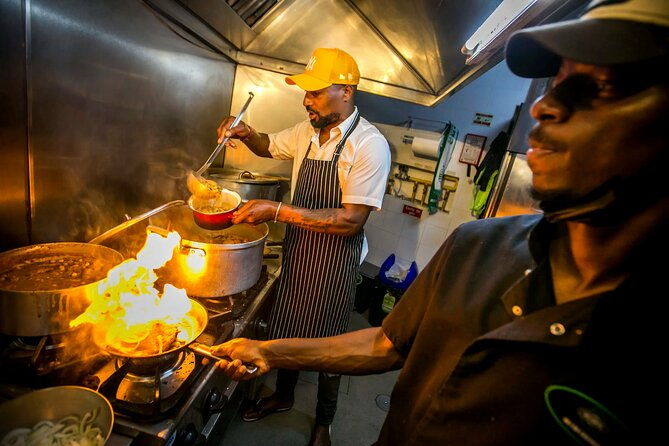
Explore Lisbon’s diverse post-colonial communities, including Mouraria, Anjos, Arroios, and Intendente, which reflect the lasting impacts of Portugal’s colonial past.
-
Discover how Portuguese cuisine is a fusion of flavors from various former colonies, showcasing culinary imports and the legacy of trade, exploitation, and cultural exchange.
-
Sample specialty coffee from Angola, high-quality chocolate from São Tomé, traditional Cape Verdean stew (cachupa), and spicy Portuguese sausage stew (chouriço) to experience the gastronomic connections to Portugal’s colonial history.
-
Gain insights into the influence of African religions in Lisbon through a visit to a Brazilian icon shop, providing a unique perspective on the city’s post-colonial heritage.
-
Benefit from knowledgeable guides who offer informative commentary on Portugal’s colonial past and its lasting impact on Lisbon’s cuisine, culture, and diverse communities.
A Glimpse Into Portugal’s Colonial Past
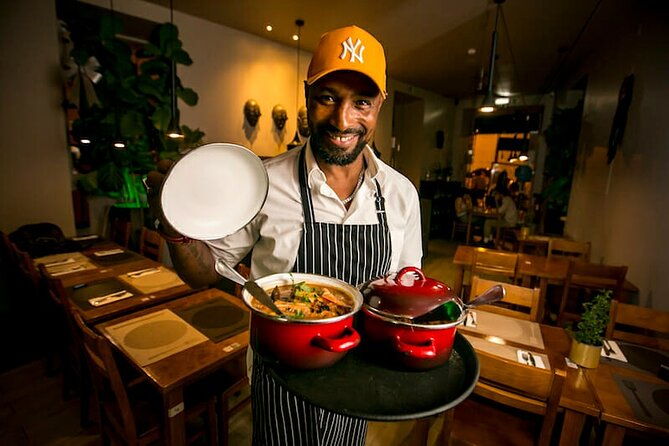
One of the key focuses of the Lisbon’s Post-Colonial Feast tour is to provide participants with a glimpse into Portugal’s colonial past.
Throughout the tour, guides explore how Portugal’s colonial history has shaped the culture and cuisine of Lisbon. Visitors learn about Portugal’s involvement in the transatlantic slave trade, as well as the repression and exploitation of people in its former colonies.
The tour also delves into the diverse influences from these colonies, which are reflected in Portuguese food and traditions today, offering a deeper understanding of Lisbon’s multicultural character.
Looking for more options in Lisbon? We've reviewed plenty of other experiences.
Exploring Lisbon’s Post-Colonial Communities
As the Lisbon’s Post-Colonial Feast tour progresses, participants are led through the diverse neighborhoods that reflect the city’s complex post-colonial identity.
The tour explores:
-
Mouraria, a historically multicultural district with influences from former Portuguese colonies.
-
Anjos, home to Afro-Portuguese communities and religious practices.
-
Arroios, a vibrant neighborhood with a mix of immigrant-owned businesses and cultural centers.
-
Intendente, an area undergoing gentrification but still maintaining its roots in marginalized communities.
Through these explorations, the tour provides insights into the lasting impacts of Portugal’s colonial past and the evolving nature of Lisbon’s diverse communities.
The Influence of Former Colonies on Portuguese Cuisine
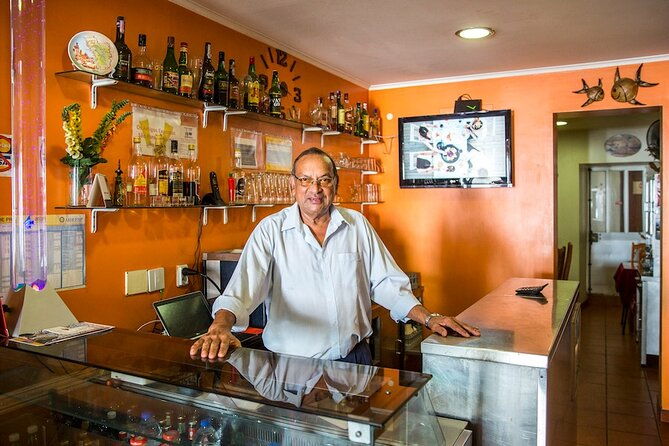
The Portuguese cuisine showcases a distinct fusion of flavors and ingredients that can be traced back to the country’s colonial past.
Dishes like Angolan coffee, chocolate from São Tomé, and Cape Verdean stew (cachupa) reflect the lasting influence of Portugal’s former colonies.
These culinary imports not only diversified the Portuguese palate but also represent a complex history of trade, exploitation, and cultural exchange.
Through this food tour, visitors can explore the post-colonial legacies that have shaped Lisbon’s vibrant gastronomic landscape, gaining a deeper understanding of Portugal’s multifaceted identity.
Discovering Angolan Coffee and Chocolate From São Tomé
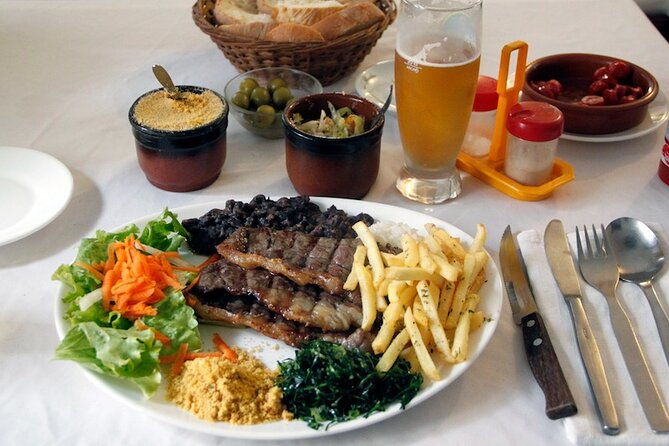
What culinary delights await visitors on the Lisbon’s Post-Colonial Feast tour?
Participants can sample a variety of regional specialties, including:
-
Angolan coffee, known for its rich, full-bodied flavor.
-
Chocolate from the island of São Tomé, celebrated for its high-quality cacao.
-
Cachupa, a traditional Cape Verdean stew made with corn, beans, and meat.
-
Chouriço, a spicy Portuguese sausage stew that showcases the influence of former colonies on the country’s cuisine.
These unique offerings provide insights into the cultural and historical connections between Portugal and its former territories.
Savoring the Flavors of Cape Verdean Cachupa
One of the highlights of the Lisbon’s Post-Colonial Feast tour is the opportunity to savor the flavors of Cape Verdean cachupa.
Cachupa is a traditional stew from the islands of Cape Verde, a former Portuguese colony. Participants get to sample this hearty dish made with corn, beans, and various meats or fish.
The guide provides insights into the cultural significance of cachupa and how it reflects the blend of Portuguese and African influences in Lisbon’s cuisine.
Tasting this regional delicacy gives tour-goers a deeper appreciation for the culinary legacy of Portugal’s colonial history.
The Role of African Religions in a Brazilian Icon Shop
Along With sampling the regional cuisine, the Lisbon’s Post-Colonial Feast tour also provides insights into the influence of African religions within a Brazilian icon shop.
The tour guide explains the significance of:
- Statues of Orishas, the deities of Yoruba-derived religions like Candomblé and Umbanda.
- Candles, herbs, and other ritual objects used in African-Brazilian spiritual practices.
- The importance of ancestor veneration and the interconnectedness of the physical and spiritual worlds.
- How these religious traditions have profoundly shaped the cultural identity of Brazil, a former Portuguese colony.
Insights From an Informative and Knowledgeable Guide
According to traveler reviews, the Lisbon’s Post-Colonial Feast tour is praised for the knowledgeable and informative guidance provided by the tour leader.
Reviewers highlight the guide’s deep understanding of Portugal’s colonial history and its influence on the city’s cuisine. The guide offers insightful commentary, sharing details about the African and Brazilian cultural elements woven into Lisbon’s culinary landscape.
Travelers appreciate the guide’s ability to bring the experience to life, providing context that enhances the tasting of regional delicacies.
A Standout Experience for Visitors to Portugal
Travelers consistently praise the Lisbon’s Post-Colonial Feast tour as a standout experience during their visits to Portugal.
The tour offers:
-
Insightful commentary from the knowledgeable guide, providing a deep understanding of Portugal’s colonial history and its influence on the local cuisine.
-
A diverse culinary experience, including rare regional delicacies not found in typical guidebooks, such as Angolan coffee, São Tomé chocolate, and Cape Verdean stew.
-
Unique perspectives on the interplay between African religions and Portuguese culture, explored through a visit to a Brazilian icon shop.
-
An overall consensus among reviewers that the tour is a must-do activity for anyone seeking to enjoy Lisbon’s rich post-colonial heritage.
Frequently Asked Questions
Can I Customize the Food Options on the Tour?
The tour provides a set menu focusing on post-colonial Portuguese cuisine. While customizations may not be possible, the guide can likely accommodate dietary restrictions or preferences if communicated in advance. Guests should inquire about flexibility when booking the tour.
Is Photography Allowed During the Tour?
Photography is generally allowed during the tour, as the experience give you an immersive cultural exploration. However, guests are advised to be respectful of the local communities and seek permission before taking photographs of individuals.
Do I Need to Bring Any Special Equipment?
The tour does not require any special equipment. Participants can enjoy the experience comfortably with just their senses and an appetite. No special gear or preparation is needed beyond being ready to explore the culinary delights of Lisbon’s post-colonial heritage.
How Much Walking Is Involved During the Tour?
The tour involves moderate walking of around 1 to 2 miles, spread throughout the experience. Participants can expect to explore several neighborhoods and culinary establishments during the 3-hour tour. Comfortable walking shoes are recommended.
Is the Tour Suitable for Vegetarians or Those With Dietary Restrictions?
The tour accommodates vegetarians and those with dietary restrictions. Participants can sample a variety of regional delicacies, including vegetable-based dishes and plant-based options. The guide is able to modify the tasting experience to suit individual needs.
The Sum Up
Lisbon’s Post-Colonial Feast offers visitors a unique culinary exploration of the city’s multicultural heritage. By showcasing diverse dishes and ingredients from former colonies, the experience provides an illuminating window into the historical connections and cultural exchanges that have shaped Portugal’s gastronomic landscape. This standout tour is an essential part of understanding Lisbon’s post-colonial identity and the vibrant flavors that define its contemporary culinary scene.
More Tour Reviews in Lisbon
- Beauty and History: The Heart of Belém
- Essential Tour of Old Lisbon in 2H00 : Private Tuk-Tuk Tour
- Lisbon: Algarve, Benagil Caves & Lagos w/ Boat Tour Option
- Sintra: Pena Palace, Historic Center, and local delicacies.
- Belém: Follow The Croco Belém Tour – Age Of Discoveries
- Private 4H Tuk Tuk Tour: Alfama, Belém & Lisbon Hidden Gems
Still browsing? Here are more Lisbon experiences we've covered recently
- The Top 13 Lisbon Historical Tours
- 14 Best Sailing Experiences In Lisbon (With Prices)
- 13 Of The Best Workshops & Classes In Lisbon
- The 9 Best Lunch Experiences In Lisbon
- 12 Best Wine Tours In Lisbon
- Top 14 Tours In Lisbon
- Lisbon’s 4 Top Vegan & Vegetarian Tours
- Discover 13 Great Walking Tours In Lisbon
- Lisbon’s 12 Best Drinking Tours
- What Are The Best Tours & Experiences In Lisbon? Our Top 12 Picks
- Lisbon’s 14 Best Private Driver Services
- The 4 Top Dolphin Watching Experiences In Lisbon: Which Is Best?