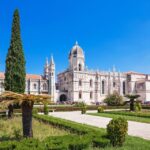
Discovering Lisbon’s integral role in the Atlantic slave trade is a captivating journey. This 3-hour walking tour offers an in-depth exploration of Portugal’s shameful history and the enduring legacy of slavery. Visitors will uncover the origins of this dark chapter, explore the daily experiences of the enslaved, and trace the path towards abolition. With a focus on cultural expressions and nationalist struggles, this intimate tour provides a thought-provoking encounter with a complex and poignant part of Portugal’s past.
- Key Points
- Tour Overview and Details
- Historical Context and Significance
- Exploring Portugal’s Role in the Atlantic Slave Trade
- The Age of Discovery and the Genesis of Slavery
- Daily Life of Enslaved Individuals in Lisbon
- Brazil’s Significance in the Slave Trade
- The Abolition of the Slave Trade in Portugal
- African Nationalist Struggles for Liberation
- Frequently Asked Questions
- Do I Need to Bring Any Special Equipment for the Tour?
- Can I Bring My Pet on the Walking Tour?
- Is the Tour Suitable for Individuals With Mobility Issues?
- Can I Reschedule the Tour if I Can’t Make the Original Date?
- What Should I Wear to Be Comfortable During the 3-Hour Walk?
- The Sum Up
- The Best Of Lisbon!
- More Walking Tours in Lisbon
- More Tours in Lisbon
- More Tour Reviews in Lisbon
- Not for you? Here's more nearby things to do in Lisbon we have reviewed
Key Points
 1 / 5
1 / 5 2 / 5
2 / 5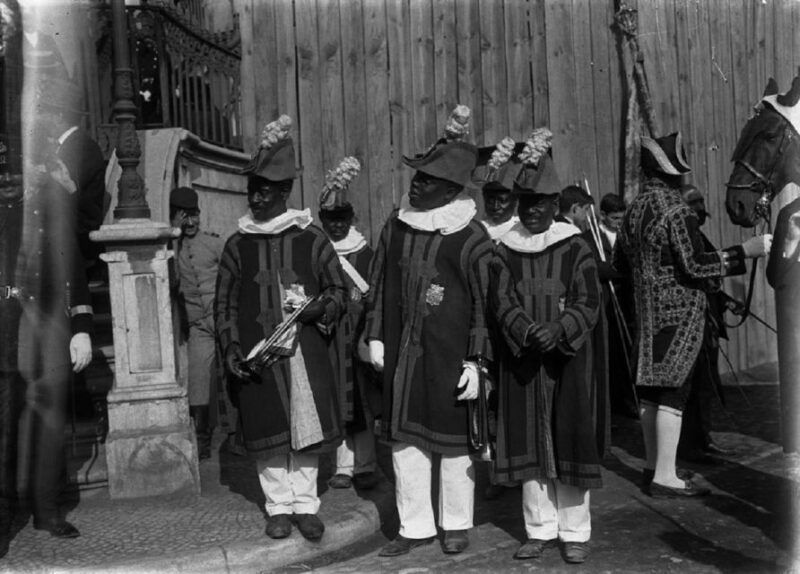 3 / 5
3 / 5 4 / 5
4 / 5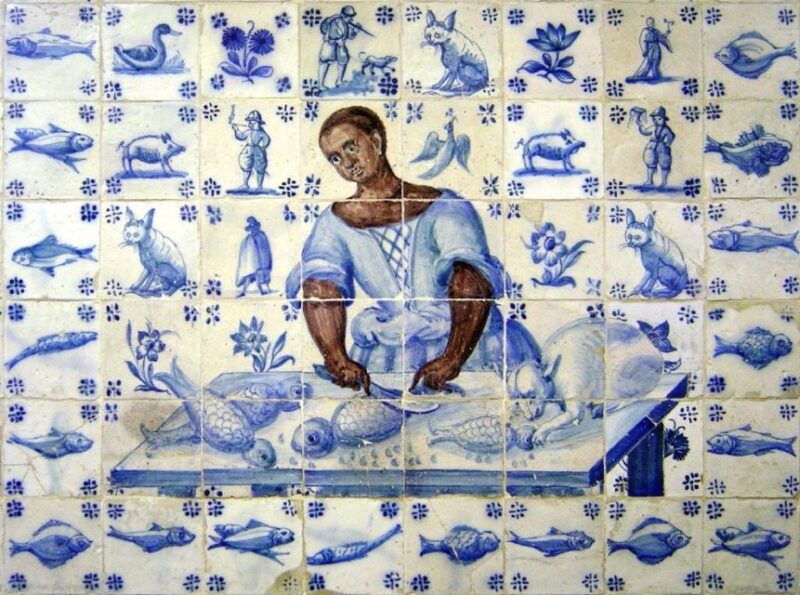 5 / 5
5 / 5- This 3-hour walking tour in Lisbon explores Portugal’s central role in the transatlantic slave trade, spanning from the 15th to 19th centuries.
- The tour highlights the daily lives of enslaved individuals in Lisbon, their resilience, and the complex legacy of slavery in Portuguese society.
- The tour covers the genesis of the slave trade, key historical figures, and the long process of abolition in Portugal.
- Participants will learn about African nationalist movements that challenged colonial rule and led to the independence of former Portuguese colonies.
- The tour examines how Portugal’s involvement in the slave trade continues to impact contemporary society and culture.

👉 See our pick of the The Top 13 Lisbon Historical Tours
Tour Overview and Details
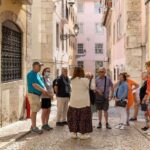
The tour, titled "Lisbon: 3-Hour The Slave Trade – An Historical Walking Tour," is priced from $32.77 per person and lasts approximately 3 hours.
The group size is limited to 8 participants, and the tour is conducted in English. It departs from Largo do Chafariz de Dentro, and participants can cancel up to 24 hours in advance for a full refund.
Customers can reserve their spot now and pay later. The tour explores Portugal’s role in the Atlantic slave trade, providing insights into the country’s history, culture, and heritage through a guided walking experience.
You can also read our reviews of more walking tours in Lisbon


Historical Context and Significance
Portugal’s role in the Atlantic slave trade began in the 15th century under Prince Henry the Navigator. Over four centuries, approximately 12 to 14 million Africans were sold into slavery and transported to the Americas. The tour explores this complex history, covering the genesis of slavery in the Iberian Peninsula, the Age of Discovery, the daily life of enslaved individuals in historical Lisbon, Brazil’s significance, the abolition of the trade in Portugal, and African nationalist struggles for liberation.
| Key Figures | Time Period |
|————-|————-|
| Prince Henry the Navigator | 15th century |
| Abolition of slave trade in Portugal | 19th century |
| African nationalist movements | 20th century |
Exploring Portugal’s Role in the Atlantic Slave Trade
Although Portugal’s role in the Atlantic slave trade began in the 15th century under Prince Henry the Navigator, the impact of this dark chapter in history continues to reverberate today.
Over four centuries, approximately 12 to 14 million Africans were sold into slavery and transported to the Americas.
This walking tour explores Portugal’s central role, from the genesis of slavery in the Iberian Peninsula to the Age of Discovery, the daily lives of enslaved individuals in historical Lisbon, and Brazil’s significance.
Guests will also learn about the abolition of the trade in Portugal and African nationalist struggles for liberation.
The Age of Discovery and the Genesis of Slavery
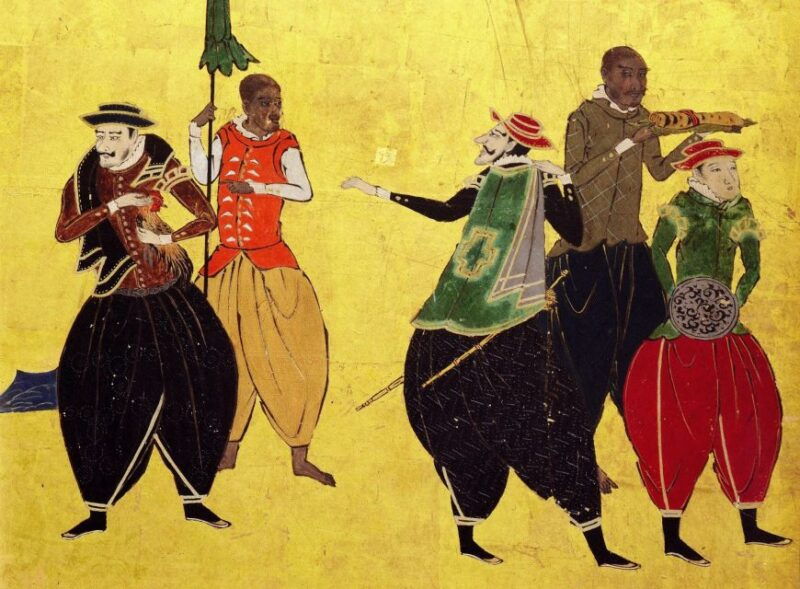
During the Age of Discovery in the 15th century, Portugal’s seafaring expeditions not only expanded global trade but also laid the foundations for the country’s prominent role in the transatlantic slave trade.
As Prince Henry the Navigator drove Portugal’s exploration of Africa, Portuguese ships began capturing and selling Africans as slaves. This practice quickly gained momentum, with Portugal initiating the first sustained European slaving operations.
Over the following centuries, the transatlantic slave trade would grow to immense proportions, becoming a cornerstone of Portugal’s imperial ambitions and economic prosperity – a dark legacy that continues to reverberate today.
More Great Tours NearbyDaily Life of Enslaved Individuals in Lisbon
Despite the harsh realities of their captivity, enslaved individuals in historical Lisbon maintained a vibrant culture and community. They congregated in public squares, such as Largo do Chafariz de Dentro, where they shared stories, songs, and traditions from their African homelands.
Many worked as domestic servants, while others labored in the city’s bustling port. Though stripped of their freedom, the enslaved found ways to assert their humanity and preserve their identities.
The tour explores how these individuals navigated the complexities of Lisbon’s slave trade, resilient in the face of immense adversity.
You can also read our reviews of more historical tours in Lisbon



Brazil’s Significance in the Slave Trade
Brazil played a central role in the Atlantic slave trade. It received the largest number of enslaved Africans, over 4 million, from the 16th to 19th centuries.
Portuguese colonists in Brazil depended on forced labor to sustain their agricultural economy. Plantations, mines, and urban centers across the colony demanded a constant supply of slaves.
Even after Portugal abolished the trade in 1836, Brazil continued importing Africans illegally until 1850. The country’s reliance on slavery persisted until its abolition in 1888, the last major nation to do so.
Brazil’s history underscores the vast scale and longevity of the transatlantic slave system.
The Abolition of the Slave Trade in Portugal
Portugal abolished the slave trade in 1836, though the practice persisted in its colonies until the late 19th century.
Abolition came after decades of growing anti-slavery sentiment and pressure from Britain, which had banned the trade in 1807.
While Portugal was among the last European powers to end the trade, the abolition represented a significant shift in its colonial policies.
The tour explores how this decision was reached and its impact on Lisbon’s economy and society.
Travelers will learn about the complex legacy of the slave trade and Portugal’s gradual transition away from its reliance on forced labor.
African Nationalist Struggles for Liberation
As the Atlantic slave trade was gradually dismantled across Europe, African nationalist movements began to emerge, challenging colonial rule and seeking self-determination. Leaders like Patrice Lumumba and Amílcar Cabral galvanized anti-colonial sentiment, advocating for independence from Portuguese, Belgian, and French imperial powers. Their efforts culminated in a wave of decolonization throughout Africa in the 1950s and 1960s. This era saw the birth of new sovereign states, including Angola, Mozambique, and Guinea-Bissau, which had been under Portuguese domination for centuries.
| Country | Key Leaders | Outcome |
| — | — | — |
| Angola | Agostinho Neto | Gained independence in 1975 |
| Mozambique | Eduardo Mondlane | Gained independence in 1975 |
| Guinea-Bissau | Amílcar Cabral | Gained independence in 1974 |
Frequently Asked Questions
Do I Need to Bring Any Special Equipment for the Tour?
No, participants don’t need to bring any special equipment for the walking tour. The only recommendation is to wear comfortable shoes, as the tour involves exploring Lisbon’s streets and landmarks related to the historical slave trade.
Can I Bring My Pet on the Walking Tour?
No, pets are not allowed on the walking tour. The tour information specifies that only comfortable shoes are required, and pets are not permitted to join the group.
Is the Tour Suitable for Individuals With Mobility Issues?
The tour involves significant walking, so it may not be suitable for those with mobility issues. However, the tour provider should be contacted to discuss any accessibility needs and accommodations that can be made.
Can I Reschedule the Tour if I Can’t Make the Original Date?
Yes, you can reschedule the tour if you can’t make the original date. The tour provider offers free cancellation up to 24 hours in advance, allowing you to rebook at a more convenient time.
What Should I Wear to Be Comfortable During the 3-Hour Walk?
To be comfortable during the 3-hour walk, wear comfortable shoes. The tour company recommends wearing comfortable footwear, as you’ll be on your feet for an extended period exploring Lisbon’s historic streets.
The Sum Up
This walking tour offers a profound exploration of Portugal’s complex history with the Atlantic slave trade. Participants will uncover the origins of slavery, learn about the daily lives of the enslaved, and discover the impact of abolition. The tour provides a poignant and thought-provoking journey through a dark chapter, shedding light on the enduring legacy of this history and the struggles for liberation.