
Kyoto: Origami with Yuzen Washi — Discover Japanese Paper Art
If you’re looking for a way to connect more deeply with Japanese culture beyond temples and tea ceremonies, this origami experience in Kyoto offers a charming and educational peek into traditional craft. For just $52, you’ll get to fold intricate designs, learn about the significance of Japanese paper, and take home personalized keepsakes—it’s a small price for a memorable cultural souvenir.
What makes this tour stand out? First, the use of high-quality Yuzen washi paper, dyed with traditional patterns, makes the experience more special than your average craft class. Second, the chance to create a large, detailed samurai helmet (kabuto) from artisan-finished paper elevates the activity from simple to spectacular. And third, you’ll appreciate the expert guidance that helps you grasp not just the how, but the why behind each fold.
However, a potential consideration is that the pace may vary—if you’re quick at origami, you might find some parts less challenging, but patience is rewarded with beautiful, authentic results. This experience is ideal for travelers eager to explore Japanese arts in an engaging, hands-on way, especially those with an interest in traditional crafts or cultural symbolism.
Key Points
- Authentic craftsmanship: High-quality Yuzen washi paper dyed using traditional Kimono dyeing techniques.
- Memorable keepsake: Take home a framed origami kabuto or an accessory inspired by Japanese origami.
- Cultural insight: Learn about the symbolism behind origami designs and their meanings.
- Expert guidance: Instruction from a knowledgeable expert ensures you understand the craft and leave with a beautiful product.
- Flexible experience: Practice multiple folds, with a focus on the impressive samurai helmet.
- Valuable experience for all: Suitable for beginners and those interested in Japanese culture or crafts.
- Key Points
- Introduction to the Kyoto Origami Experience
- What To Expect During the Tour
- The Art and Significance of Japanese Origami
- Detailed Breakdown of the Experience
- Meeting Point and Arrival
- The Intro and Practice Folds
- Creating the Samurai Helmet
- Choosing Your Keepsake
- Final Tips and Wrap-up
- Pricing and Value Analysis
- Who Should Book This Tour?
- The Sum Up
- FAQ
- More Tour Reviews in Kyoto
- Still browsing? Here are more Kyoto experiences we've covered recently
Introduction to the Kyoto Origami Experience
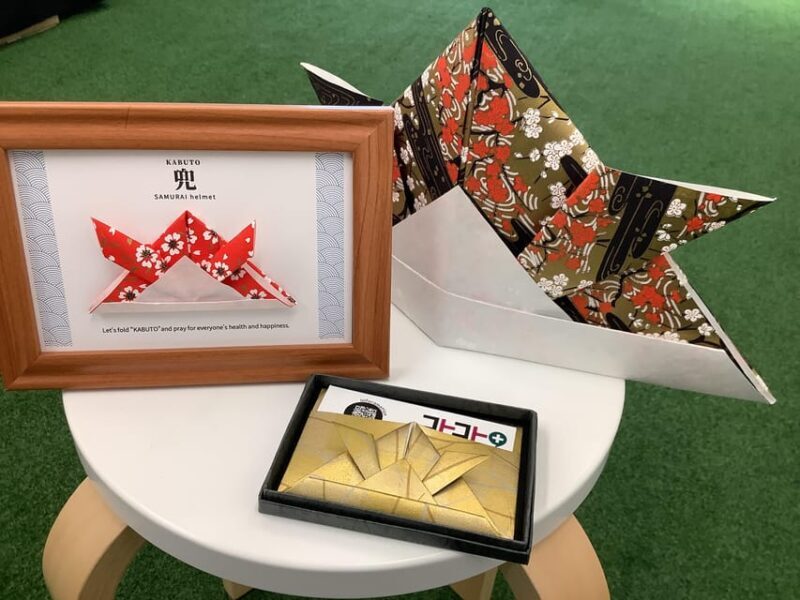
This tour offers more than just folding paper; it’s a gentle introduction to Japanese traditions through a craft that’s been around for centuries. While some might see origami as a simple art form, this experience emphasizes the symbolic importance and meticulous craftsmanship behind each fold.
What immediately appeals is the use of rare Yuzen washi paper, which is dyed with traditional patterns. This isn’t your run-of-the-mill craft paper; it’s crafted by artisans using a kimono dyeing method called Yuzen, making each sheet uniquely beautiful. You’ll get to fold a sizable, detailed samurai helmet (kabuto)—a symbol of bravery and protection—in a way that feels both challenging and rewarding.
The guide, from JEUGIA Corporation, is knowledgeable and friendly, helping you navigate the folds with clear instructions. The class is designed to be accessible for beginners, but there’s enough scope for more experienced folders to enjoy the nuances of the craft.
The experience is perfect for those curious about Japanese culture, craft lovers, or travelers looking for a meaningful souvenir to remember their trip. Plus, the option to take home a framed artwork or an origami accessory adds a personal touch that enhances the overall value.
Looking for more options in Kyoto? We've reviewed plenty of other experiences.
What To Expect During the Tour

The session begins at a designated meeting point near the iconic Kani Doraku crab sculpture, a well-known Kyoto landmark. From there, you’ll meet your instructor and start with the basics—practicing with standard origami paper, learning fundamental folds, and exploring a catalog of 45 different designs at your own pace.
This initial phase is about getting comfortable with the paper and understanding the symbolism behind many traditional motifs. Guests often comment on the enjoyable simplicity of origami, where a single square can transform into an animal, flower, or meaningful shape. One reviewer mentions, “The instructor was patient and made even complex shapes feel manageable.”
Once you’ve mastered some fundamentals, the highlight is the folding of the kabuto using Yuzen washi. This rare paper is hand-dyed with vibrant, traditional patterns, making the final helmet a stunning piece of art. The process involves careful folding and positioning, and the instructor provides plenty of guidance, ensuring you’re comfortable throughout. Expect to spend about 45 minutes on this piece, with additional time for making smaller accessories or practicing other folds.
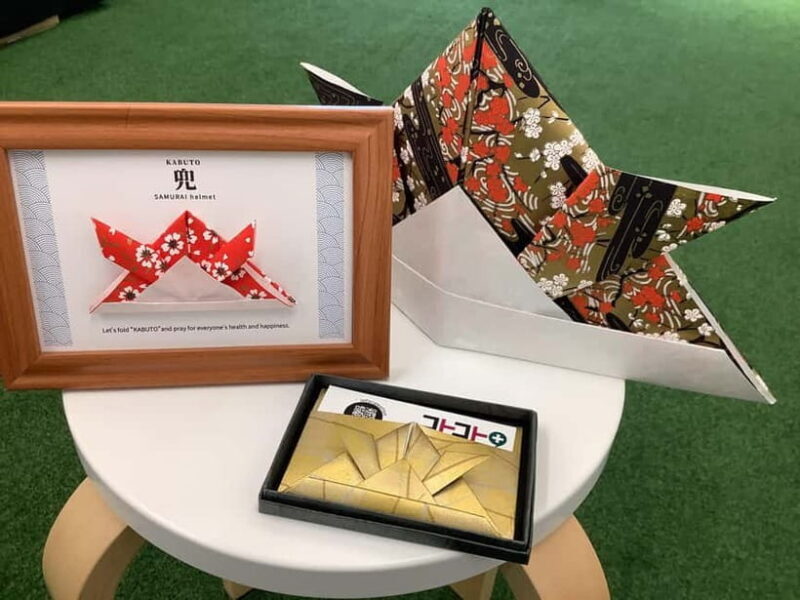
The final step allows you to choose whether to frame your kabuto or select a small origami-inspired accessory, such as a netsuke charm or keychain. These options make the experience particularly memorable, offering a tangible souvenir to take home.
The entire activity lasts roughly 1.5 to 2 hours, and the group size is usually small enough for personalized attention, often no more than 8 participants, ensuring a relaxed atmosphere.
The Art and Significance of Japanese Origami
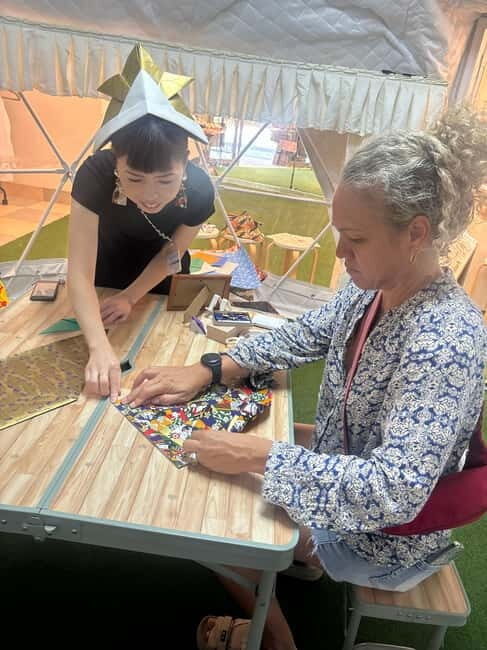
Origami in Japan isn’t just about folding paper—it’s a form of storytelling and wish-making. Many shapes carry symbolic meanings: cranes symbolize peace, frogs for good luck, and the kabuto, as featured here, embodies bravery and protection.
The use of Yuzen washi elevates this tradition, as it is hand-dyed with intricate patterns that reflect traditional motifs. This adds a layer of cultural depth to the activity, making the resulting piece not only beautiful but also meaningful.
Many reviews praise the way the instructor explains the cultural and symbolic significance behind each design. One guest notes, “It was wonderful to learn about the symbolism of each fold and how these shapes connect to Japanese history and tradition.”
On top of that, the craftsmanship involved in creating the washi paper and folding the complex armor showcases the artisan skills that Japanese craftspeople have refined over centuries. Seeing and folding the same paper used for kimono dyeing lends authenticity and a sense of connection to Japanese textile arts.
Detailed Breakdown of the Experience
Meeting Point and Arrival
The tour begins near the Kani Doraku crab sculpture, a famous Kyoto landmark. Arriving on time is recommended to start smoothly, especially since the instructor begins promptly. The group tends to be small, fostering a friendly environment—perfect for questions and personalized tips.
- Golden Pavilion, Nijo Castle, & Nishiki Market Half Day Tour
- Kyoto: Guided Walking Tour of Fushimi With Private Option
- Nara Early Bird Tour (Kyoto Departure Option Available)
- Kyoto: Sushi Lab. by Sumaya
- Kyoto: Fushimi Inari-taisha and Kiyomizu-dera (Spanish Guide)
- Kyoto: Nishiki Market Tour With a Local Foodie & 3 Tastings
The Intro and Practice Folds
After introductions, you’ll receive practice sheets of standard origami paper. Here, the instructor guides you through basic folds like valley and mountain folds, and explains the symbolism behind common motifs. This phase is where many guests realize how elegant simple folds can be, with some noting, “I was surprised how much you could do with just one square of paper.”
Creating the Samurai Helmet
Once comfortable, you’ll move on to the main event: folding the kabuto. The instructor guides you through each step, paying close attention to detail, especially with the rare Yuzen washi. Guests often comment on the vivid colors and intricate patterns on the paper, which make the helmet look striking once assembled.
The process is intricate but manageable, thanks to the expert guidance. The result is a large, detailed helmet that you can frame or display proudly. One reviewer described it as “a mini masterpiece, with every fold carrying meaning.”
Choosing Your Keepsake
After completing the helmet, you’ll select whether to take home a framed artwork or an origami-inspired accessory like a netsuke charm. The framing option is appreciated for its aesthetic appeal, transforming your craft into a piece of decor. The smaller accessories are charming and practical, making for a lasting memory.
Final Tips and Wrap-up
The instructor wraps up by encouraging questions and sharing additional insights into origami and Japanese culture. You’ll leave with not just your crafted items, but a greater appreciation for the artistry behind Japanese paper crafts.
Pricing and Value Analysis
At $52 per person, this experience offers excellent value considering the craftsmanship involved and the personalized instruction. The use of artisan-dyed Yuzen washi, a rare and beautiful material, adds a layer of authenticity that justifies the price.
The ability to take home a large, framed piece of art or a unique accessory makes this a worthwhile souvenir, especially for those interested in local arts. Compared to similar craft experiences, this one stands out due to the high-quality materials and expert guidance.
Who Should Book This Tour?
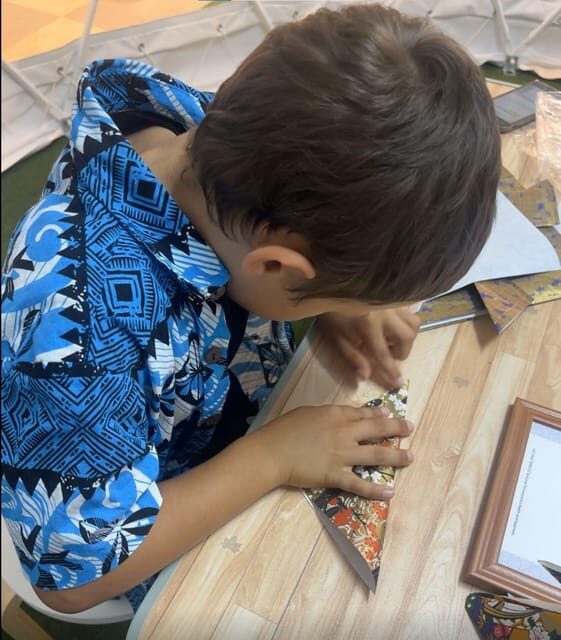
This activity is perfect for culture enthusiasts, craft lovers, and history buffs eager to understand Japanese symbolism. It’s suitable for beginners, thanks to the patient instruction, but also engaging enough for those with some origami experience.
Travelers seeking a hands-on activity that combines art, tradition, and a tangible souvenir will find this especially rewarding. Families with older children, couples, or solo travelers looking for a meaningful cultural experience will all enjoy it.
If you’re curious about Japanese craftsmanship or want to create a personal piece of art that reflects your trip, this tour is a solid pick.
The Sum Up

This Kyoto origami experience delivers a meaningful hands-on journey into Japanese paper arts. With high-quality Yuzen washi, expert guidance, and the chance to craft something as symbolic as a samurai helmet, it offers both cultural insight and a memorable keepsake.
The activity’s balance of accessibility and artistry makes it ideal for travelers wanting to explore Japan’s artistic traditions without prior skills. The opportunity to take home a beautifully framed piece or meaningful accessory enhances its value, making it a worthwhile addition to any Kyoto visit.
While it may not suit those seeking a fast-paced or purely sightseeing tour, it is perfect for those craving a deeper connection with traditional Japanese crafts. Expect patience, precision, and a lot of fun—along with a stunning piece of art to remind you of your time in Kyoto.
FAQ
How long does the experience last?
The activity generally takes about 1.5 to 2 hours, giving you ample time to learn, fold, and select your keepsake.
What is included in the price?
You get to fold and take home a large kabuto samurai helmet made from artisan-finished Yuzen washi, along with origami practice sheets. A final gift choice includes either a framed artwork or an origami accessory like a netsuke charm.
Is the activity suitable for beginners?
Yes, the class is designed to be accessible for all levels, with clear guidance from an expert instructor experienced in helping newcomers.
Can I choose different origami designs?
While the highlight is the kabuto, you can practice with other motifs from a catalog of about 45 designs, depending on your pace.
What makes Yuzen washi special?
Yuzen washi is hand-dyed using a traditional kimono dyeing method, making each sheet unique and more luxurious than standard origami paper.
Is prior experience necessary?
No, the experience welcomes beginners, but those with some origami familiarity will also enjoy the detailed folding and cultural insights.
What should I wear or bring?
Comfortable clothing is fine—no special gear needed. Just arrive on time, and you’re all set to learn and create.
Can I cancel if my plans change?
Yes, you can cancel up to 24 hours in advance for a full refund, offering flexibility for your itinerary.
This origami tour in Kyoto invites you to explore Japanese craftsmanship in a relaxed, friendly environment, leaving with a beautiful, handcrafted keepsake and a newfound appreciation for this delicate art form.
You can check availability for your dates here:More Tour Reviews in Kyoto
Still browsing? Here are more Kyoto experiences we've covered recently
- We Rank Kyoto’s 15 Top Tours & Experiences
- Kyoto Chopsticks Making Workshop
- Kyoto: Traditional Japanese Ikebana Flower Art Experience
- Kyoto: The Hidden Sanctuary of Sanzen-in Temple
- Kyoto:Private Guided Tour on Luxury Vehicle with photography
- Kyoto Private Tour: Nishiki Market, Zen Temples & Sweets
- Samurai Armor Experience 60 minutes in Kyoto
- Discover Kyoto TeamLab Biovortex Experience
- Osaka/Kyoto; Kyoto and Nara customizable Day Tour with Guide
- Half-Day Private Guided Tour to Chikubushima, from Kyoto
- Kyoto: Private Cultural and Historical Tour in Spanish
- From Osaka/Kyoto: Kinkakuji, Arashiyama, FushimiInari, Nara